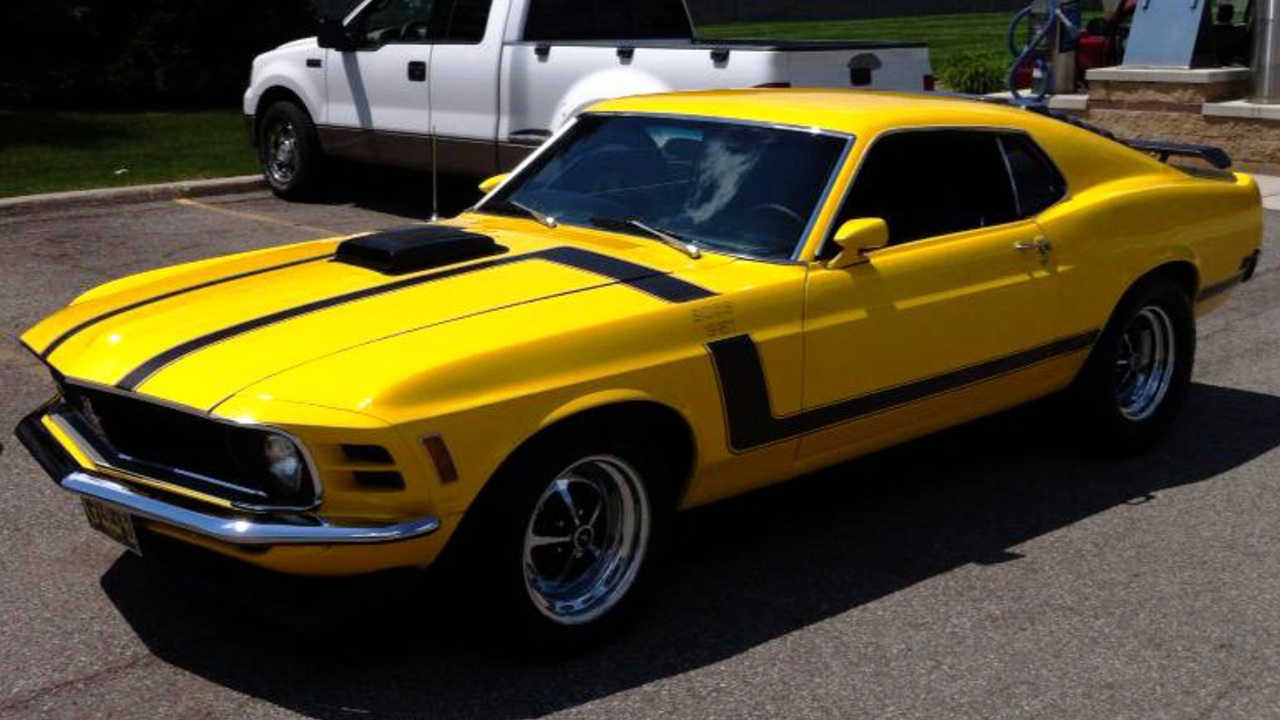
Restoring a classic muscle car or purchasing one in pristine condition is a decision many car enthusiasts face. Each option presents a unique set of challenges and costs, making it essential to carefully weigh the pros and cons. Financial and personal considerations are crucial when deciding between restoring and buying a muscle car.
Understanding the Passion for Muscle Cars
The allure of classic American muscle cars is undeniable, with their powerful engines and iconic designs. Models like the 1969 Chevrolet Camaro and the 1970 Ford Mustang evoke a sense of nostalgia and timeless appeal. These vehicles capture a significant era in automotive history, representing a time when performance and style were paramount. The popularity of muscle cars persists today, driven by a blend of historical significance and the visceral thrill they offer on the road.
Restoration projects often appeal to enthusiasts due to the emotional attachment and personal satisfaction they provide. Restoring a 1971 Dodge Challenger, for instance, allows owners to inject their personality into every aspect of the vehicle. The process becomes a labor of love, with each part meticulously chosen and each bolt turned with care. This emotional connection often makes the restoration journey as rewarding as the final product.
Owning a restored muscle car offers a unique sense of pride. Whether it’s a fully restored 1968 Pontiac GTO or a factory-condition 1973 Plymouth Barracuda, the satisfaction of seeing a project through to completion is immense. A restored car becomes a testament to the owner’s dedication and passion, while a purchased car serves as a testament to the owner’s appreciation for history and craftsmanship.
Financial Considerations of Restoring a Muscle Car
The initial costs of restoring a muscle car can vary significantly based on the condition and rarity of the project car. For example, acquiring a 1970 Dodge Charger in need of restoration might seem affordable initially, but costs can escalate as the project progresses. Budget planning is essential to ensure that the restoration remains financially feasible.
Hidden expenses are a common challenge in restoration projects. Unforeseen repairs, parts, and labor costs can quickly add up, making it crucial to have a contingency fund. The 1967 Chevrolet Chevelle, for instance, might require a complete engine rebuild or hard-to-find original parts, which can increase the overall expense.
Despite the costs, restoring a muscle car can be a long-term investment. A well-restored 1970 Oldsmobile 442 can appreciate over time, particularly if the restoration is done with authenticity in mind. Additionally, there is a profound satisfaction in personalizing a classic car to meet one’s specific tastes and preferences.
Financial Considerations of Buying a Muscle Car
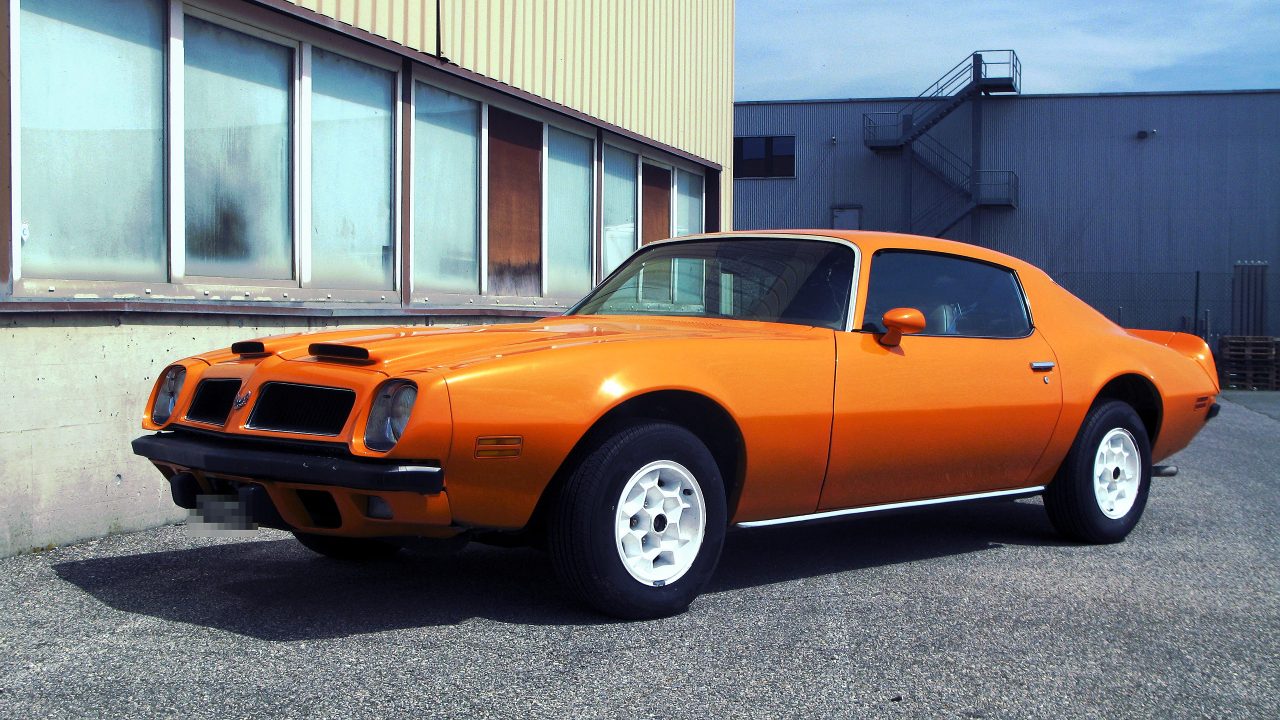
When buying a muscle car, the upfront cost is often significantly higher than starting a restoration project. A fully restored 1971 Pontiac Firebird might command a premium price due to its ready-to-drive condition and historical value. Buyers need to assess whether the convenience of an immediate purchase outweighs the potential savings of a restoration.
Market research is crucial when purchasing a fully restored muscle car. Evaluating the value and authenticity of a vehicle, such as a 1969 Dodge Super Bee, requires a keen eye for detail and knowledge of the model’s history. Buyers must verify the originality of components and the quality of the restoration work to ensure they are making a sound investment.
Maintenance and upkeep costs should also be considered. A ready-to-drive 1972 Chevrolet Nova may require less immediate attention than a project car, but classic vehicles still demand regular care. Owners should budget for ongoing expenses like oil changes, tire replacements, and potential mechanical issues common to older cars.
Time Commitment and Expertise Required
Restoring a muscle car is a time-intensive endeavor. Completing a project like a 1970 Plymouth Road Runner can take months or even years, depending on the car’s condition and the owner’s available time and resources. This lengthy process requires patience and dedication, as each stage of restoration demands careful attention to detail.
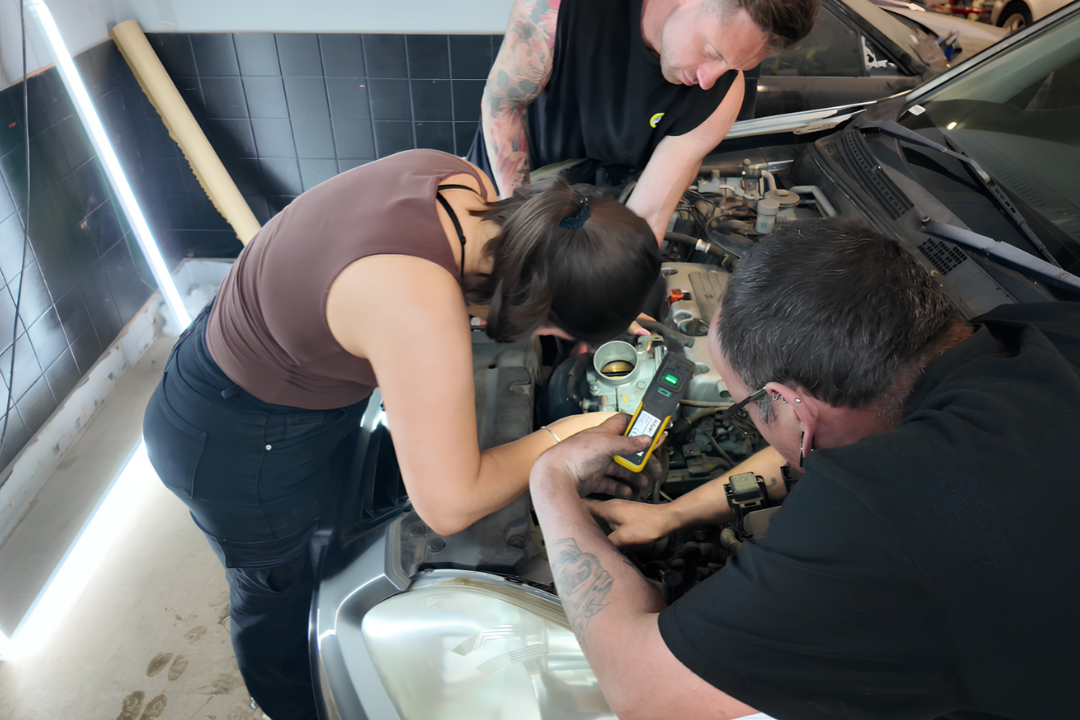
A successful restoration requires a specific skill set and resources. Knowledge of automotive mechanics, bodywork, and electrical systems is crucial for tackling a project like a 1972 AMC Javelin. Additionally, access to specialized tools and a network of parts suppliers can significantly impact the restoration’s progress and quality.
Deciding between outsourcing and a DIY approach is an important consideration. Hiring professionals can ensure high-quality work, but it comes at a cost. In contrast, a do-it-yourself restoration can be more affordable but requires significant time, effort, and expertise. Enthusiasts must weigh the pros and cons of each option based on their skills and willingness to invest time.
Making the Decision: Restoring vs. Buying
Personal goals and preferences play a significant role in deciding whether to restore or buy a muscle car. For some enthusiasts, the journey of restoring a 1973 Mercury Cougar is as rewarding as the destination. Others may prefer the immediate gratification of purchasing a ready-to-drive car like a 1969 Buick GS.
Conducting a cost-benefit analysis can help clarify the financial implications of each option. Restoring a 1970 Pontiac Trans Am might initially seem more affordable, but the cumulative costs of parts and labor can make buying a more appealing choice. Conversely, the potential for a unique, personalized vehicle might justify the added expense of restoration for some.
Resale considerations are also important. The marketability and value retention of a restored versus purchased muscle car can vary based on factors like authenticity, model rarity, and restoration quality. For instance, a well-documented 1968 Ford Torino restoration might fetch a higher price than a similar model purchased in restored condition, depending on market trends and buyer preferences.