Replica wheels promise the look of high-end Factory OEM designs for a fraction of the price, and not every copy is destined to crack the first time it hits a pothole. The catch is that “replica” covers everything from carefully engineered replacements to Counterfeit and Fake Wheels that barely survive basic impact tests. I want to unpack where the real risks lie, when a Replica can be a rational choice, and how to tell a legitimate part from junk that could literally fail under you.
What “replica” really means, and why definitions matter
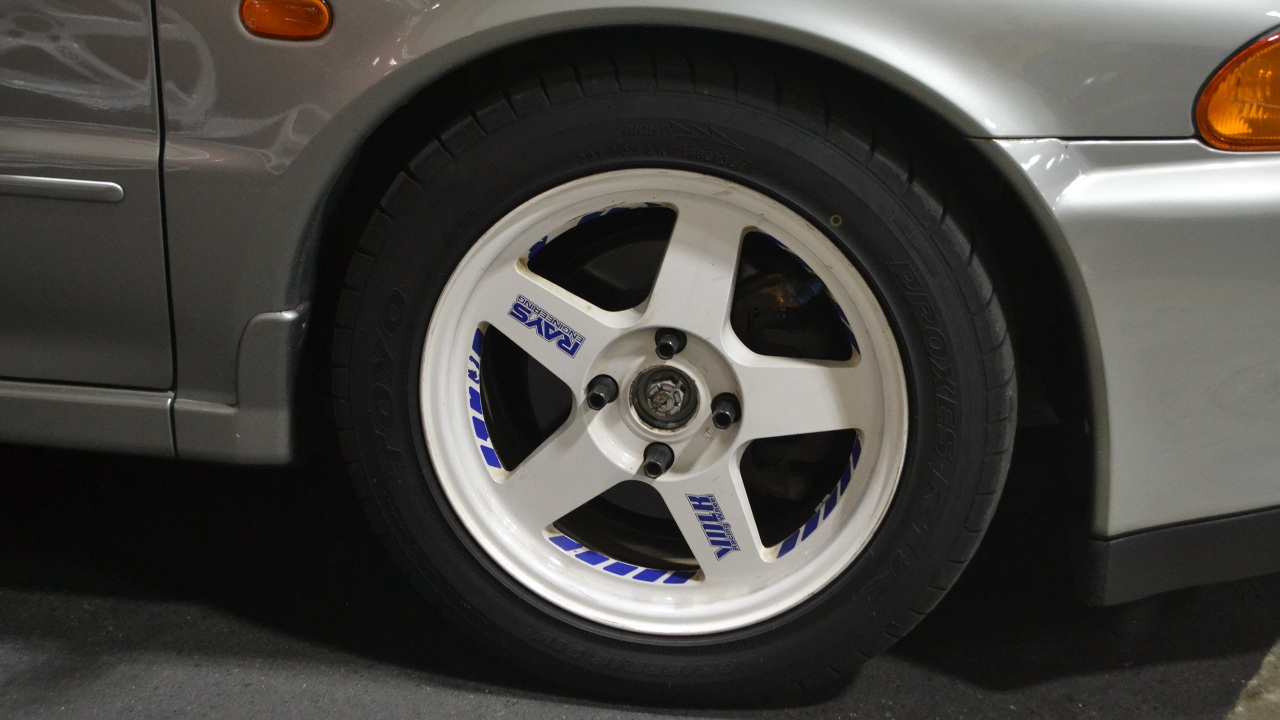
Before arguing about safety, it helps to pin down what people mean when they say “rep wheels.” In the strict sense, a Replica Wheel is “deliberately designed to look like an OEM wheel” and usually carries different markings inside the barrel so it is not passed off as Factory OEM. Some manufacturers position these as authentic replacement parts that match original fitment and clearances, while others simply copy the styling of popular designs like the Volk TE37 or Advan models without any formal relationship to the original brand. That is why enthusiasts on forums draw a line between an authentic real wheel, such as the Example of The Volk TE37, and a Replica that only imitates its appearance.
There is also a separate category of Counterfeit and Fake Wheels, which are marketed as if they were genuine, complete with copied logos and branding. These are not just cheaper alternatives, they are illegal copies that try to masquerade as the real thing and often come from factories that also produce low grade Replica products. When I see a seller blurring that line, or avoiding clear labeling about whether a wheel is Replica or genuine, that is a red flag. Clear definitions matter because the safety profile of a legitimate replica wheel that is openly sold as such is very different from a fake that hides its origin and skips basic quality control.
How cheap replicas can fail, and what the tests show
The most serious concern with low cost Replica wheels is not cosmetic, it is structural failure under impact. Controlled testing has shown that some fake wheels break apart in a pothole impact at speeds as low as 50 kmh (31 mph), shedding large chunks of metal instead of bending in a more predictable way. In one widely cited comparison, the genuine wheel deformed but stayed intact, while the Replica shattered, which is exactly the kind of failure that can lead to a sudden loss of control. Reports on the hidden dangers of using Replica Wheels versus Factory OEM also highlight that many cheap copies use lower grade alloys and inconsistent casting, which makes them more likely to crack, or even explode, when they are pushed near their limits.
Enthusiast testing and teardown videos back up that picture. When reviewers cut open fake wheels, they often find porous casting, thin barrel sections, and sloppy machining that would never pass an OEM validation program. One detailed breakdown framed it bluntly: once they crack these things open, the difference in the quality of the materials is huge, and that gap shows up on the road when a Replica hits a curb or a deep pothole. Community discussions echo the same pattern, with drivers noting that some Replica designs make slight changes to spoke thickness or barrel shape that look harmless but actually make them weaker and more dangerous under real world loads.
Why some replicas are safer bets than others
Not all Replica products are built to that low standard, and treating every non OEM wheel as a ticking time bomb misses important nuance. There are manufacturers that specialize in Legitimate replica wheels, which they describe as authentic replacement parts that function like the original equipment wheel. These companies emphasize that They design around the same load ratings, brake clearances, and hub dimensions as the Factory OEM part, and they subject their designs to impact and fatigue testing so the wheel behaves predictably in a crash or pothole strike. Guidance on the safety profile of a replica wheel stresses that not all replica wheels are created equally, and that some are engineered to meet the same expectations you would have of an original equipment wheel.
Technical explainers on Potential Drawbacks of Replica Rims also acknowledge this spread in quality. Some Replica rims are well made, with consistent metallurgy and proper testing, while others may crack in their limits because they cut corners on material or design. Industry pieces that ask What Are Replica Rims, Really point out that reputable producers are transparent about their manufacturing, publish load ratings, and avoid copying logos, while low end factories in regions with minimal oversight churn out Replica and Counterfeit and Fake Wheels with little regard for safety. When I evaluate a replica option, I look for clear specifications, documented testing, and a track record of use on similar vehicles, rather than assuming that every copy is automatically unsafe.
The tradeoffs: price, performance, and ethics
The appeal of Replica wheels is obvious when you look at the numbers. A set of genuine wheels from top brands like Volk or Advan can cost several thousand dollars, while a visually similar Replica might be available for a fraction of that price. For drivers who want a certain look on a daily driven Subaru BRZ, Toyota 86, or Honda Civic, the budget difference can be the deciding factor. Commenters who ask whether rep wheels are worth it often admit that they are not tracking the car hard and mainly care about aesthetics, which makes a mid tier Replica feel like a reasonable compromise as long as it is not one of the notorious Counterfeit and Fake Wheels that fail basic tests.
There is also an ethical dimension that the enthusiast community takes seriously. Owners on forums argue that buying genuine wheels helps Support the original innovator, and they link the healthy aftermarket for cars like the Honda S2000 to that culture of paying for real parts. One commenter framed it sharply: Ever wonder why S2ks have so many parts but 86’s dont? Because those innovators are more likely to keep investing when customers choose authentic designs over copies. Video essays on whether rep wheels are really worth it add that Harm to Legitimate Manufacturers The replica wheel industry can hurt legitimate wheel companies financially, which in turn can reduce the resources those brands have to develop lighter, stronger, safer designs. When I weigh a Replica purchase, I factor in not just the upfront savings but also the long term impact on the ecosystem that creates the designs everyone wants to copy.
How to shop smart if you still want replicas
For drivers who decide that a Replica is still on the table, the key is to treat the purchase like a safety critical component, not a fashion accessory. Detailed safety guides urge buyers to Do Your Research, starting with the basics: confirm the wheel’s load rating, check that it matches or exceeds the Factory OEM specification for your car, and verify that the manufacturer publishes testing standards for impact and fatigue. Legitimate producers of replica wheels are usually clear about their processes and do not hide behind vague marketing language. They also avoid stamping fake logos, which is a common tell for Counterfeit and Fake Wheels that are more interested in appearance than engineering.
Community experience can be a useful filter, but it should not replace hard data. Threads where users ask why reps are so looked down upon often surface specific brands and models that have cracked, bent, or failed, along with photos of damage from potholes or track use. At the same time, some Replica owners report years of trouble free driving on daily cars that never see a circuit, which aligns with the idea that Some replicas are built to a higher standard and only fail when pushed beyond their design envelope. I look for patterns across these reports, cross check them against technical write ups on the hidden dangers of Replica Wheels versus Factory OEM, and then decide whether the particular wheel in front of me behaves more like a carefully engineered replacement or like the cheap copies that testing has already exposed as unsafe.
More from Fast Lane Only: