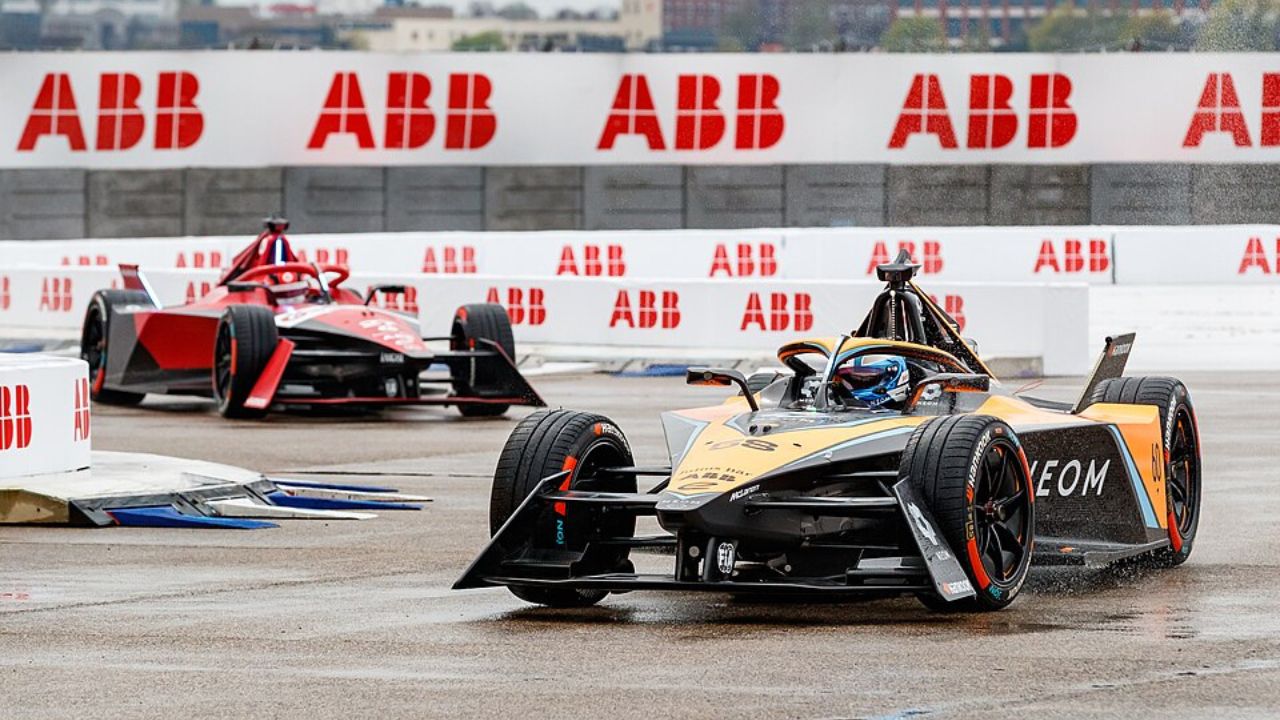
You are watching a rare act of collective defiance in top-level motorsport. All 20 drivers on the current Formula E grid have reportedly signed a formal complaint addressed directly to FIA president Mohammed Ben Sulayem, challenging how the championship is governed and policed. The letter, described as a “letter of concern” and a “bombshell” intervention, turns simmering paddock frustration into an organized push for change.
The unprecedented united front
If you follow single-seater racing, you are used to drivers disagreeing about almost everything. That is why the most striking element of this story is the unanimity. Reports state that all 20 Formula signed the same document, addressed to FIA president Mohammed Ben Sulayem, and delivered as an official communication rather than a media stunt.
The letter is said to outline wide-ranging concerns about regulations, race direction and the overall direction of the all-electric series. This is not just a few frustrated radio messages after a messy race. You are seeing every active driver, from established names to rookies, put their names to a single text that challenges how your world championship is being run.
That is why the move has been framed as one of the most coordinated driver interventions that Formula E has seen since its creation. It signals that, in your paddock, grievances that used to be whispered in hospitality units have now been written down and sent straight to the top of the FIA.
Who the drivers are taking on
The letter is addressed to Mohammed Ben Sulayem, the FIA president who already faces scrutiny from other corners of world motorsport. Separate reporting has highlighted whistleblower complaints connected to events in Saudi Arabia and Las Vegas, which the FIA has described as a source of concern and partially inaccurate.
Against that backdrop, a full championship grid challenging his federation’s handling of Formula E lands at a politically sensitive moment. Coverage of the letter stresses that the criticism is not just about one stewarding call. It questions structures, decision-making processes and the way the FIA interacts with senior officials inside Formula E.
Some reports state that the drivers even raise specific questions about FIA Formula E race director Marek Hanaczewski and whether he should remain in his position. You are therefore looking at a document that touches on personnel as well as procedures, which inevitably raises the stakes for the FIA leadership.
What the “letter of concern” says
The full text is not public, but consistent descriptions from multiple outlets outline the main themes. The drivers reportedly argue that the current sporting regulations do not reflect the demands of all-electric racing and that repeated issues with officiating have eroded their confidence.
Accounts of the letter describe complaints about inconsistent penalties, slow or unclear decision-making and a feeling that driver feedback has not been taken seriously. One summary of the grievances frames them as a demand for reforms to the officiating process, with the grid asking for clearer procedures and more predictable outcomes when incidents are investigated.
Another key element is the request for a broader rethink of how Formula E is regulated. The letter reportedly calls for changes to some sporting rules that shape energy management, safety car procedures and race restarts. For you as a viewer or reader, that goes to the heart of how a Formula E race unfolds on track, not just what happens in the stewards’ room after the flag.
How the story emerged
The existence of the letter first filtered out through specialist Formula E reporting, which detailed that all 20 drivers had signed and that it had been sent directly to the FIA president rather than through team principals. Later coverage built on that, describing it as a “bombshell” intervention and explaining that senior FIA figures were expected to respond.
Further reports from within the single-seater paddock framed the move as part of growing pressure on the FIA leadership. One account said that Mohammed Ben Sulayem been urged by senior officials inside Formula E to acknowledge the concerns and engage with the drivers.
By the time you heard about it, the story had grown beyond a paddock rumor. It had become a formal political issue inside the FIA, with the president facing calls to make what has been described as a rare appearance in front of the Formula E field to address the complaints directly.
The stars behind the signatures
The power of the letter comes from who signed it. The grid includes experienced champions and former Formula 1 drivers whose names you already know. Among them is Lucas di Grassi, a long-standing Formula E figure and former series champion, who has never been shy about speaking on safety and governance.
There are also drivers such as Oliver Rowland, who has experience across different single-seater categories, and high-profile ex-Formula 1 names like Stoffel Vandoorne, Nyck de Vries and Sebastien Buemi. When those drivers combine their voices with the rest of the field, you get a group that spans multiple generations of top-level racing.
Reports emphasize that the letter includes both reigning champions and rookies, which matters for you because it shows that frustration is not limited to one team, one nationality or one career stage. It is a shared view that the current regulatory environment is not giving you, as a fan, the best version of Formula E that the drivers believe is possible.
Why drivers felt they had to act
From the outside, you might wonder why the grid chose a formal letter instead of private lobbying. The reporting suggests that the drivers felt informal conversations had not delivered change. Descriptions of the letter highlight language that calls for the FIA to “acknowledge and learn from mistakes” and to commit to a more transparent process for future decisions.
Coverage of the situation argues that Formula E is at a key point in its life cycle. One analysis of the drivers’ demands stresses that the championship has grown into a well-established series with manufacturers, factory teams and a global calendar. With that growth, your expectations for professionalism in officiating and governance rise too.
When you combine the complexity of energy management, the street circuit calendar and the close racing that Formula E encourages, small regulatory decisions can have big consequences. Drivers argue that they need clarity and consistency to race hard without feeling that outcomes will be rewritten in the steward’s room hours later.
How the FIA is being pushed to respond
Reports say the FIA has been asked directly to respond to the letter and to engage with the drivers’ concerns. Some coverage suggests that FIA president receives pressure is already being felt at the top of the federation, with suggestions that senior figures are weighing how publicly to address the complaints.
Other reporting frames the letter as part of a wider pattern in which drivers across different FIA series are seeking a stronger voice in governance. In that context, your Formula E grid is not just asking for tweaks to safety car rules. It is testing how responsive the FIA is prepared to be when an entire championship speaks with one voice.
For you as a fan or observer, the next steps will be telling. If the FIA opens a structured dialogue, perhaps with working groups or revised regulations, you could see tangible changes to how races are run. If the response is slower or more defensive, the unity that produced this letter might harden into a longer-running political standoff.
What it means for you and for Formula E
You watch Formula E because it offers something different: tight street circuits, aggressive energy management and a sense that the series is still writing its own rulebook. The drivers’ coordinated complaint shows that those who put the cars on the grid want that rulebook to evolve in a way that protects sporting integrity and safety.
More from Fast Lane Only