Importing a car not sold in the U.S. can be an exciting venture for car enthusiasts and collectors, but it comes with its own set of challenges and regulations. Understanding the rules and procedures is crucial to ensure a smooth importation process and avoid legal complications. This guide will walk you through the essential requirements and considerations when importing a non-U.S. market vehicle.
Understanding U.S. Import Regulations
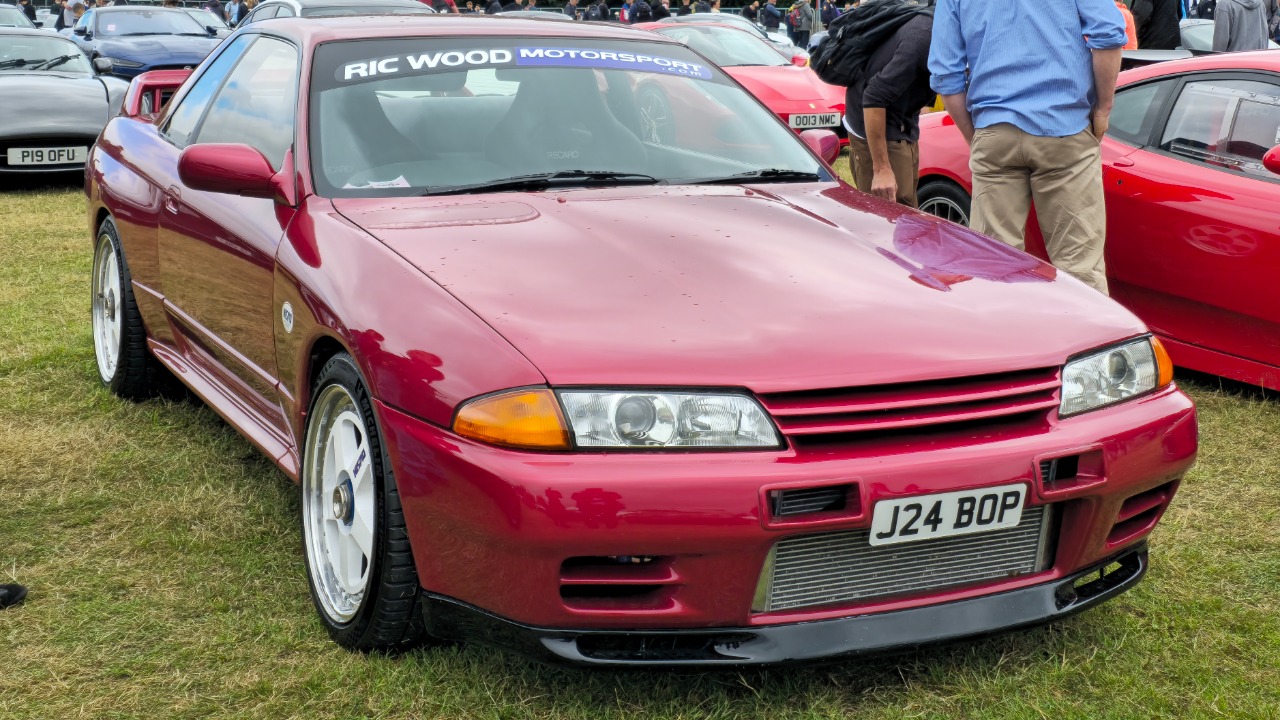
When importing a vehicle that was not sold in the U.S., understanding the Federal Motor Vehicle Safety Standards (FMVSS) is key. These standards ensure that all vehicles, regardless of origin, meet specific safety criteria before hitting American roads. For example, if you’re looking to import a 1992 Nissan Skyline GT-R, you’ll need to ensure it complies with FMVSS regulations regarding things like airbags, seat belts, and lighting systems. Compliance often involves modifications, which can be complex and costly, but necessary for legal operation.
Additionally, the Environmental Protection Agency (EPA) has its own set of requirements. Vehicles must meet U.S. emissions standards, which may differ significantly from those in other countries. This often requires modifications to the car’s exhaust system. For instance, a 2005 Volkswagen Polo might need adjustments to its catalytic converter to align with EPA standards. Fortunately, vehicles older than 25 years are exempt from these requirements under the 25-Year Rule, which simplifies the process for classics like the 1975 Toyota Celica.
Vehicle Eligibility and Compliance

Determining if a vehicle is eligible for importation involves several steps. The make, model, and year of the car are crucial factors. For instance, a 2010 Renault Clio might not be eligible without significant modifications due to its non-compliance with U.S. standards. It’s essential to research whether the vehicle has a history of successful imports, which can often be a good indicator of its eligibility.
When modifications are necessary, hiring a registered importer (RI) can be invaluable. RIs are knowledgeable about U.S. compliance standards and can manage the necessary modifications and paperwork. They can guide you through the process, ensuring that your 1989 Lancia Delta Integrale meets all necessary safety and emissions standards. This step is crucial to avoid unexpected legal issues and potential fines.
Customs and Border Protection Procedures
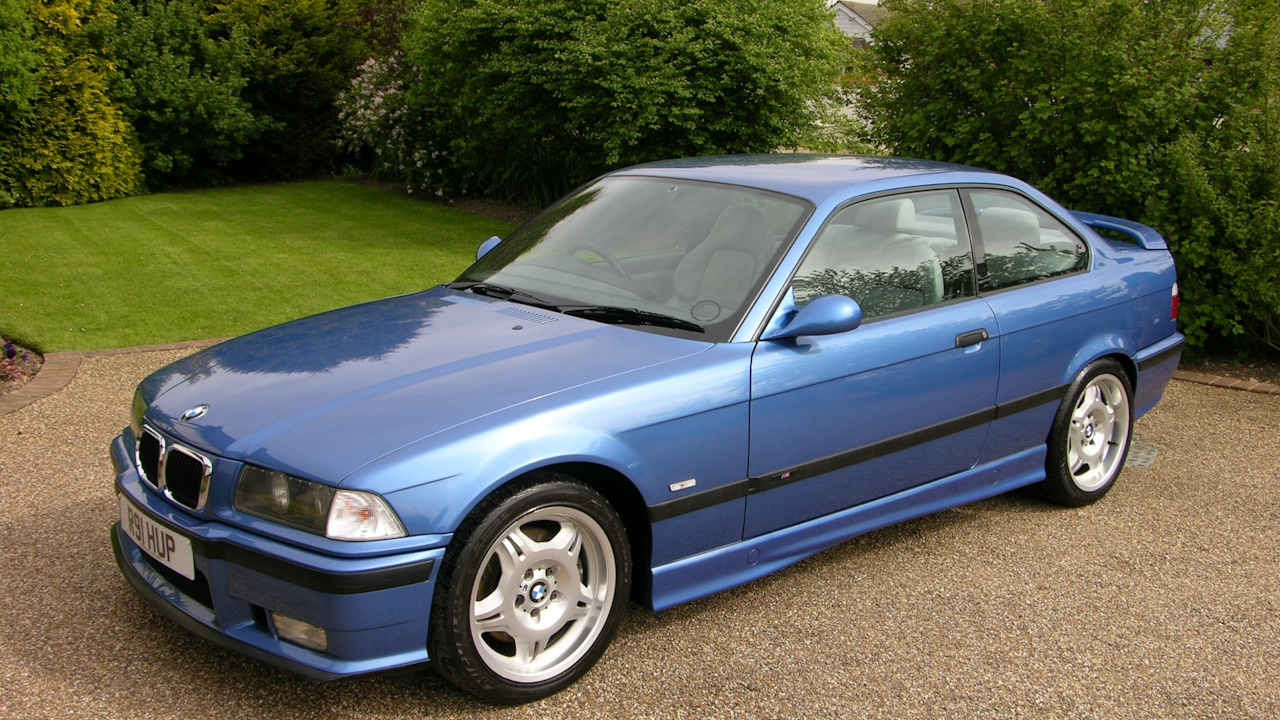
Bringing a vehicle into the U.S. requires meticulous documentation. You’ll need proof of ownership, such as the original title or bill of sale, as well as compliance certifications if modifications were necessary. For instance, when importing a 1996 BMW M3, you should have documents proving it meets FMVSS and EPA standards. Without the proper paperwork, customs clearance can be delayed or denied.
Import duties and taxes are also part of the process. Typically, a 2.5% duty is applied to passenger vehicles, although this can vary based on the vehicle type and origin. When importing a 1985 Mercedes-Benz 300D, it’s wise to budget for these costs upfront. After documentation and payment of duties, the vehicle will undergo a customs inspection. Preparing for this inspection involves ensuring all documents are in order and the vehicle is clean and free of prohibited items.
Transport and Shipping Considerations

Choosing the right shipping method is crucial when importing a vehicle. Options include container shipping and roll-on/roll-off (RoRo) services. Container shipping offers more protection but is generally more expensive. It might be worth the cost for high-value cars like a 2020 Aston Martin DBX. On the other hand, RoRo is more cost-effective but exposes vehicles to the elements during transit.
Insurance and liability are significant considerations during transport. Ensure that the vehicle is insured for its full value to protect against damage or loss. Selecting a reliable transport company is also vital. Look for companies with experience in shipping cars like the 1998 Subaru Impreza WRX, and check reviews and references to ensure they are reputable.
Post-Importation Steps
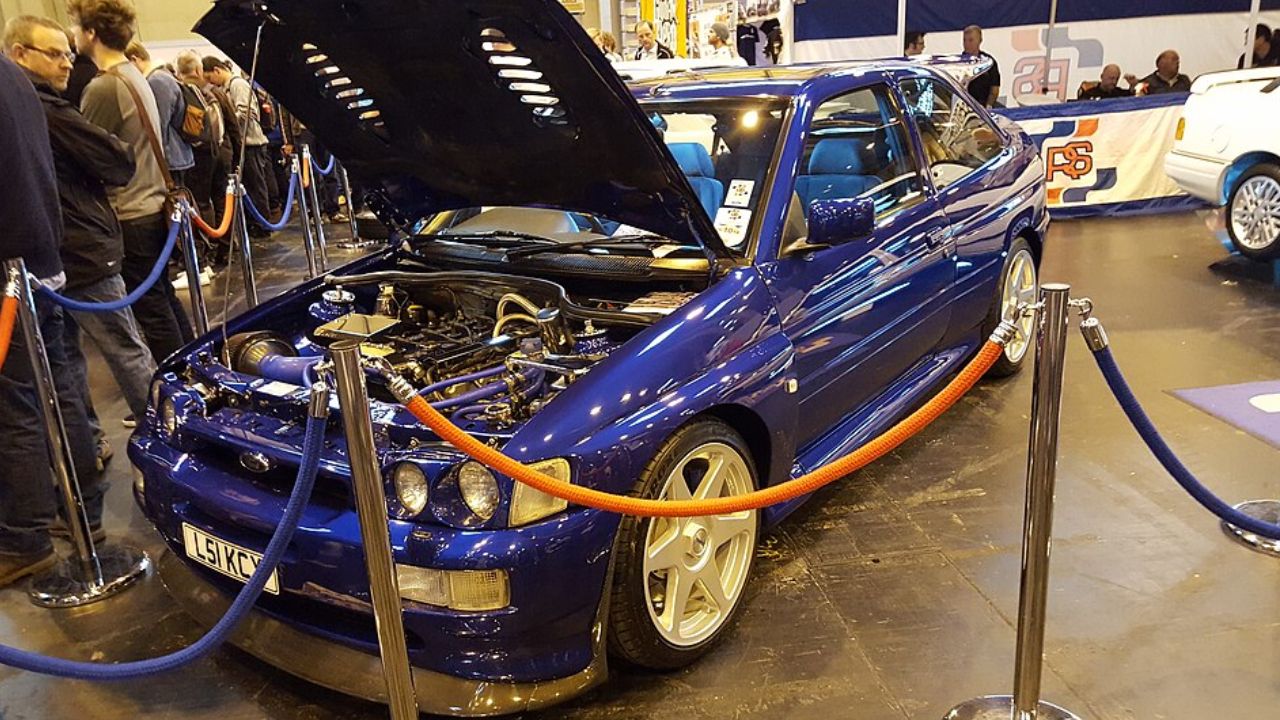
Once your vehicle has cleared customs, the next step is registration with your local Department of Motor Vehicles (DMV). This process varies by state but generally requires proof of ownership, compliance documents, and payment of registration fees. For a car like the 1994 Ford Escort RS Cosworth, you’ll also need to provide the Vehicle Identification Number (VIN) and proof of insurance.
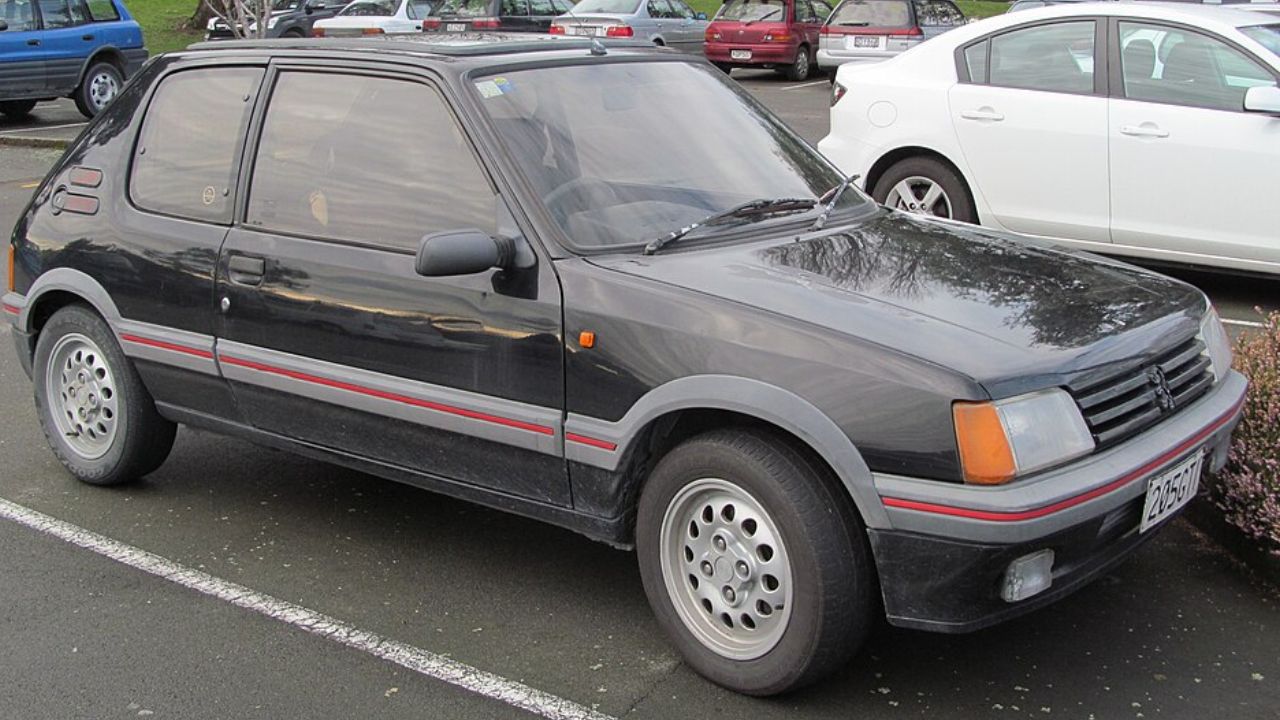
Obtaining a title for your imported vehicle is another necessary step. The title serves as the vehicle’s official proof of ownership. At the same time, securing insurance coverage is crucial to legally drive your car on U.S. roads. If you’ve imported a rare model like the 1988 Peugeot 205 GTI, consider discussing parts and maintenance options with your insurer to ensure you have appropriate coverage.
Maintaining an imported vehicle can be challenging, especially if parts are not readily available in the U.S. It’s beneficial to establish connections with international parts suppliers or specialist garages familiar with your car model. For instance, maintaining a 2007 Alfa Romeo Brera might require sourcing parts directly from Europe. Planning for these maintenance needs can save time and effort in the long run.
More from Fast Lane Only: