Antique and classic car plates are a unique category of vehicle registration that offers both privileges and responsibilities for car enthusiasts. Understanding the intricacies of these plates can enhance your appreciation for vintage automobiles while ensuring compliance with legal requirements. Delving into the essentials of antique and classic car plates reveals their significance, benefits, and regulations.
Understanding Antique and Classic Car Plates
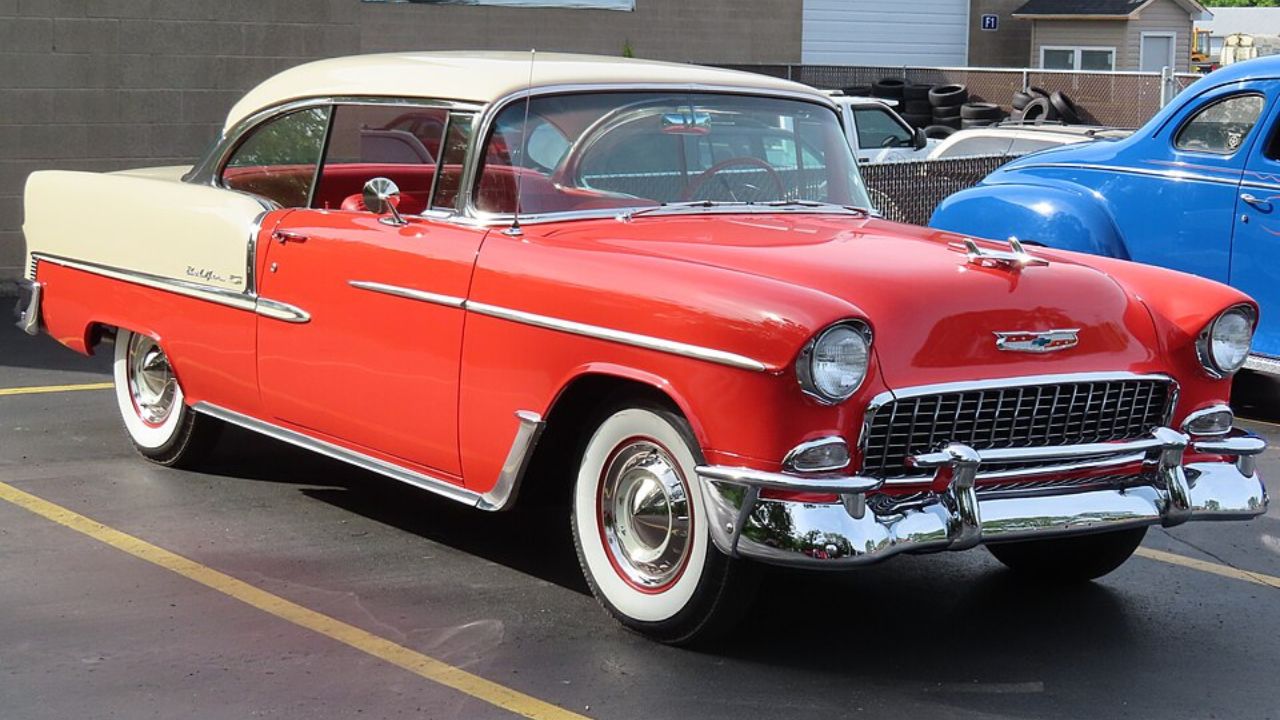
Antique and classic car plates are specially designated for vehicles that meet specific age and condition criteria. Typically, cars over 25 to 30 years old qualify, but the exact requirements can vary depending on the region. For instance, in the United States, a 1967 Ford Mustang might qualify for classic car status, while in some European countries, the vehicle must be over 30 years old to be eligible. The car is often required to be maintained in or restored to its original condition.
The cultural and historical relevance of antique and classic cars is immense, with many models representing significant advancements in automotive engineering and design. Vehicles like the 1955 Chevrolet Bel Air or the 1963 Jaguar E-Type are not only celebrated for their aesthetic appeal but also for their role in shaping automotive history. These cars are cherished for their connection to the past, offering a tangible link to different eras of car manufacturing.
It’s important to note that definitions and regulations regarding antique and classic car plates can vary significantly by region. While some states in the U.S. might have lenient policies, others might impose stricter conditions. Similarly, countries like the UK have their own set of rules, often reflecting the cultural importance of these vehicles within their borders.
Benefits of Antique and Classic Car Plates

Owning a vehicle with antique or classic car plates can lead to substantial cost savings. In many regions, registration fees and taxes for these vehicles are significantly lower than those for regular cars. For example, a classic 1970 Porsche 911 might cost less to register annually compared to a modern vehicle, making it financially advantageous for owners who maintain multiple collector cars.
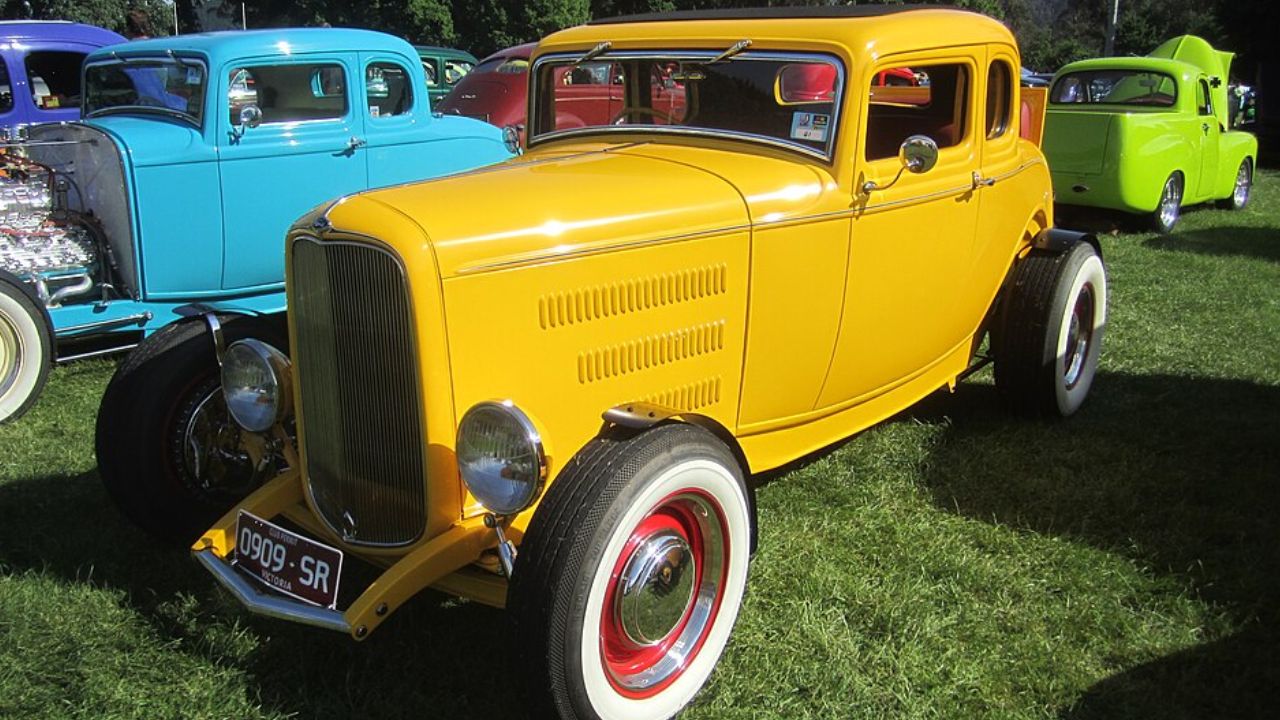
Insurance advantages are another noteworthy benefit. Many insurance companies offer reduced premiums for cars with antique or classic plates, as these vehicles are often driven less and are maintained with great care. Specialized coverage options are available, providing peace of mind for owners of rare models like the 1932 Ford Coupe or the 1971 Datsun 240Z.
Moreover, owning a vehicle with these plates often grants access to a vibrant community of car enthusiasts. Exclusive car shows, rallies, and events are organized for owners of classic models such as the 1966 Pontiac GTO, fostering a sense of camaraderie and shared passion. These gatherings provide a platform for showcasing meticulously preserved vehicles and sharing knowledge about restoration and maintenance.
Legal Obligations and Restrictions
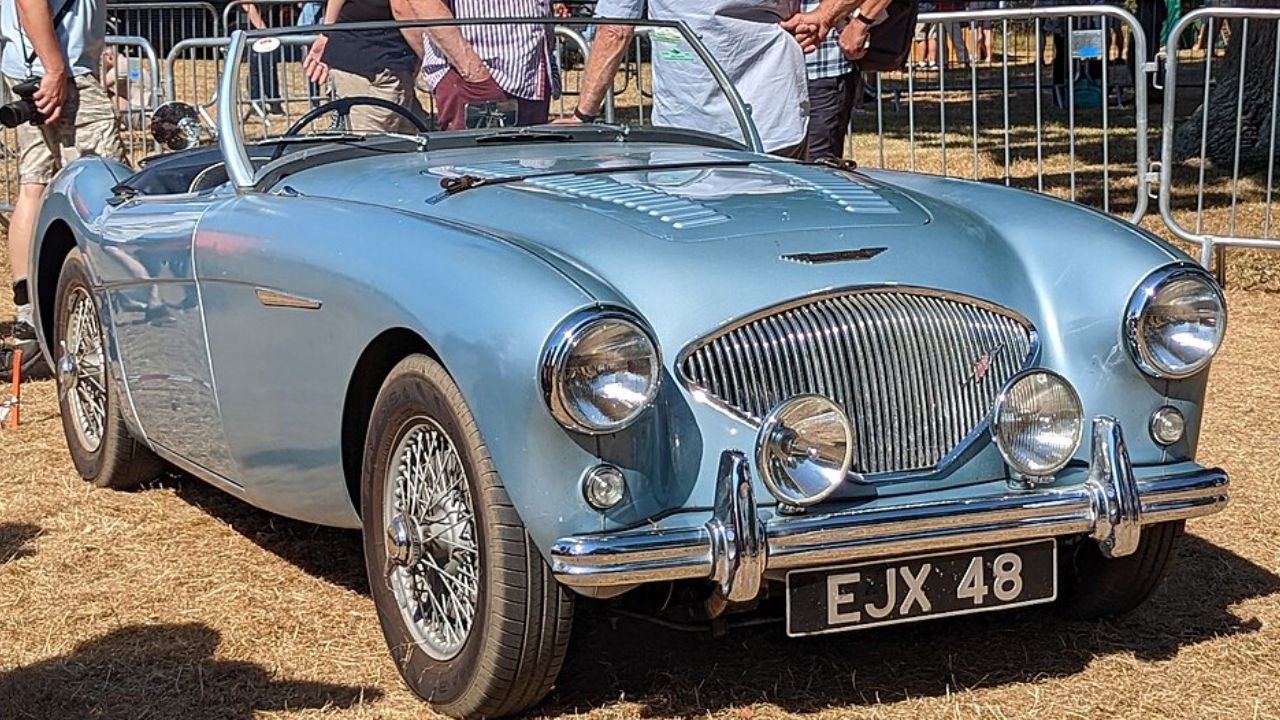
While antique and classic car plates offer many benefits, they come with certain usage limitations. Most regions impose restrictions on the driving distances or purposes for vehicles with these plates. For example, a 1954 Austin-Healey 100 might be permitted only for use in parades, exhibitions, or car club activities, rather than daily commuting.
Displaying the plates correctly is crucial, with many jurisdictions requiring them to be prominently visible on the vehicle. Additionally, maintaining the vehicle in a condition appropriate for its designation is often a requirement. This means that a 1965 Shelby Cobra, for instance, must be kept in good repair and appearance to retain its status as a classic car.
Renewal and compliance checks are typically necessary to retain antique or classic car plates. Owners must ensure they stay updated with any changes in local regulations and complete the necessary paperwork to renew their registration. Compliance checks often involve verifying the vehicle’s continued eligibility, ensuring it hasn’t been extensively modified or used beyond the allowed purposes.
How to Apply for Antique and Classic Car Plates
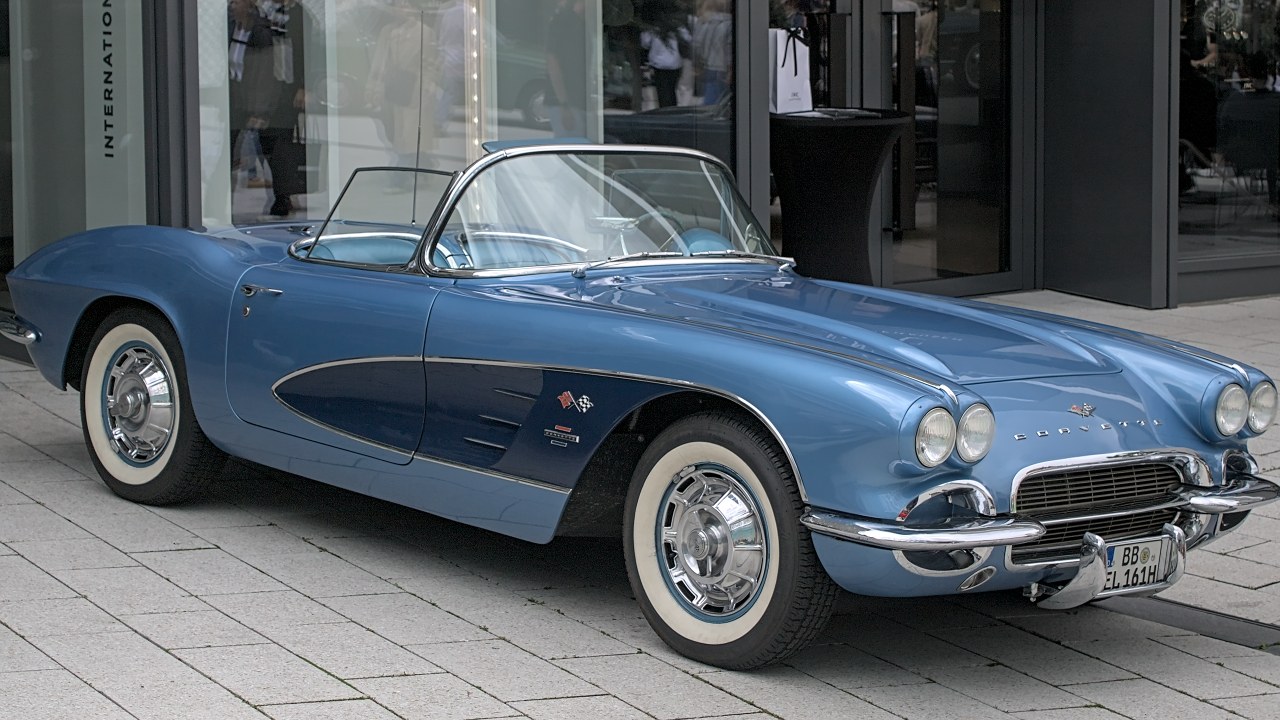
To apply for antique or classic car plates, certain eligibility requirements must be met. Documentation such as proof of age, ownership, and vehicle condition is typically necessary. For example, if you own a 1962 Chevrolet Corvette, you might need to provide photographs and records of its original factory specifications to demonstrate its classic status.
The application process usually involves submitting specific forms and fees to the relevant authorities, such as the Department of Motor Vehicles (DMV) in the United States. It’s important to check the exact requirements in your area, as procedures can differ significantly. Forms often require detailed information about the vehicle’s history and condition, ensuring it qualifies for the special plates.
To ensure a smooth application process, it’s advisable to prepare thoroughly. Gathering all necessary documentation in advance, such as maintenance records or appraisals for a 1973 BMW 2002, can help avoid delays. Additionally, understanding the specific criteria for your region and consulting with local car clubs or associations can provide valuable insights and assistance.
Common Misconceptions and FAQs
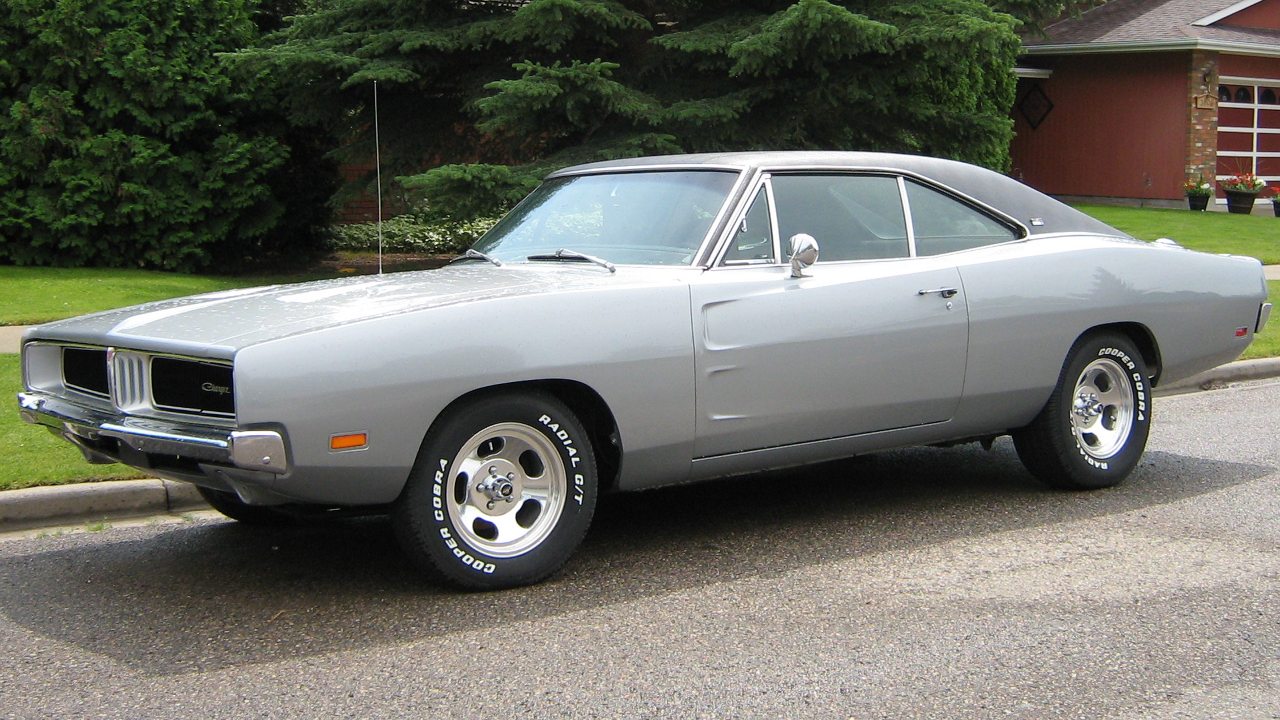
There are several myths about the usage of antique and classic car plates that often lead to confusion. A common misconception is that these plates allow unrestricted driving, but most regions impose limitations to preserve the vehicles’ historical value. Understanding these restrictions, such as the limited driving allowance for a 1969 Dodge Charger, is crucial to avoid penalties.
Frequently asked questions from prospective applicants or new owners often revolve around eligibility criteria and the application process. Clarifying these queries, such as the age requirement for a 1975 Volkswagen Beetle to qualify as a classic car, can help potential owners make informed decisions.
For those seeking further information, resources such as the local DMV, classic car clubs, and associations can offer detailed guidance and support. Engaging with these communities and utilizing their expertise can be invaluable for navigating the intricacies of antique and classic car plates.
More from Fast Lane Only: