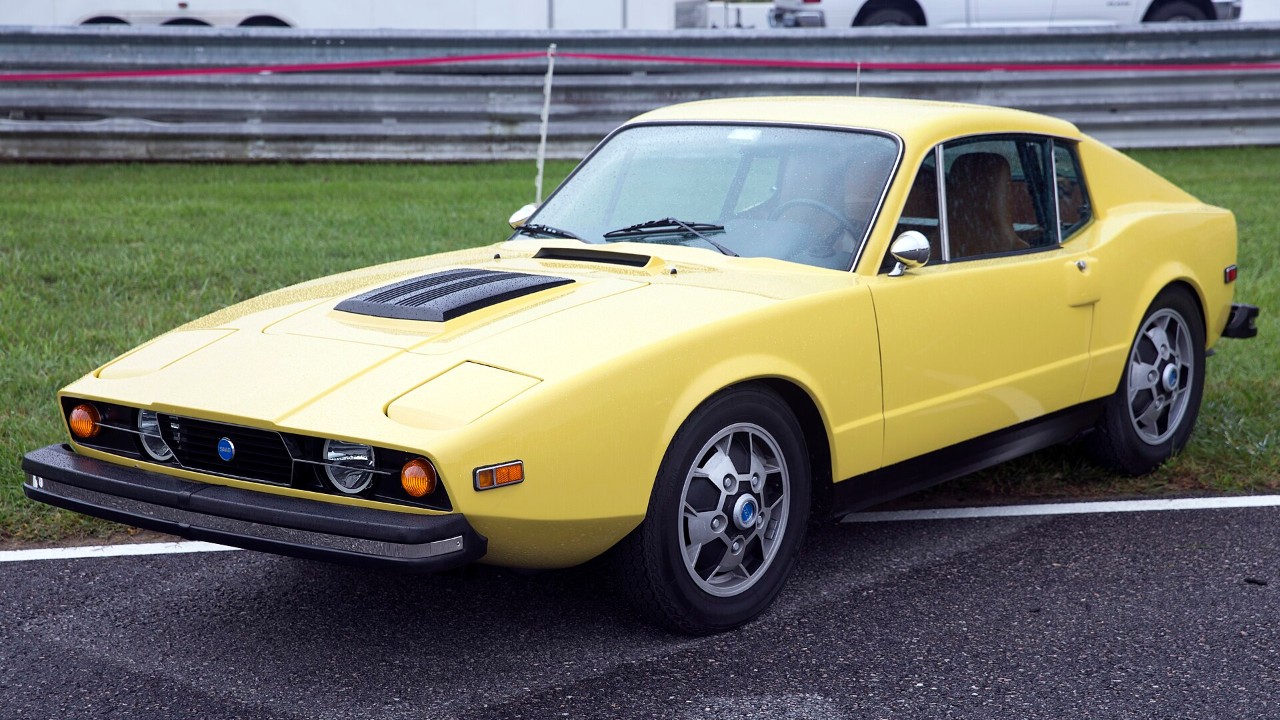
The Saab Sonett III had a fiberglass body, a Ford V4 and headlights you raised by pulling a lever. Saab built it for five seasons, then stopped when new American rules made it too costly to keep. Cars like that tell you a lot about how sports cars used to be made.
These ten are our picks. Each one shows a way of building a sports car that, in our view, carmakers have moved away from: hand-shaped coachwork, odd engines, bold electronics or plain stubbornness. The facts behind each choice are sourced below.
1. 1964–1967 Glas 1300 GT
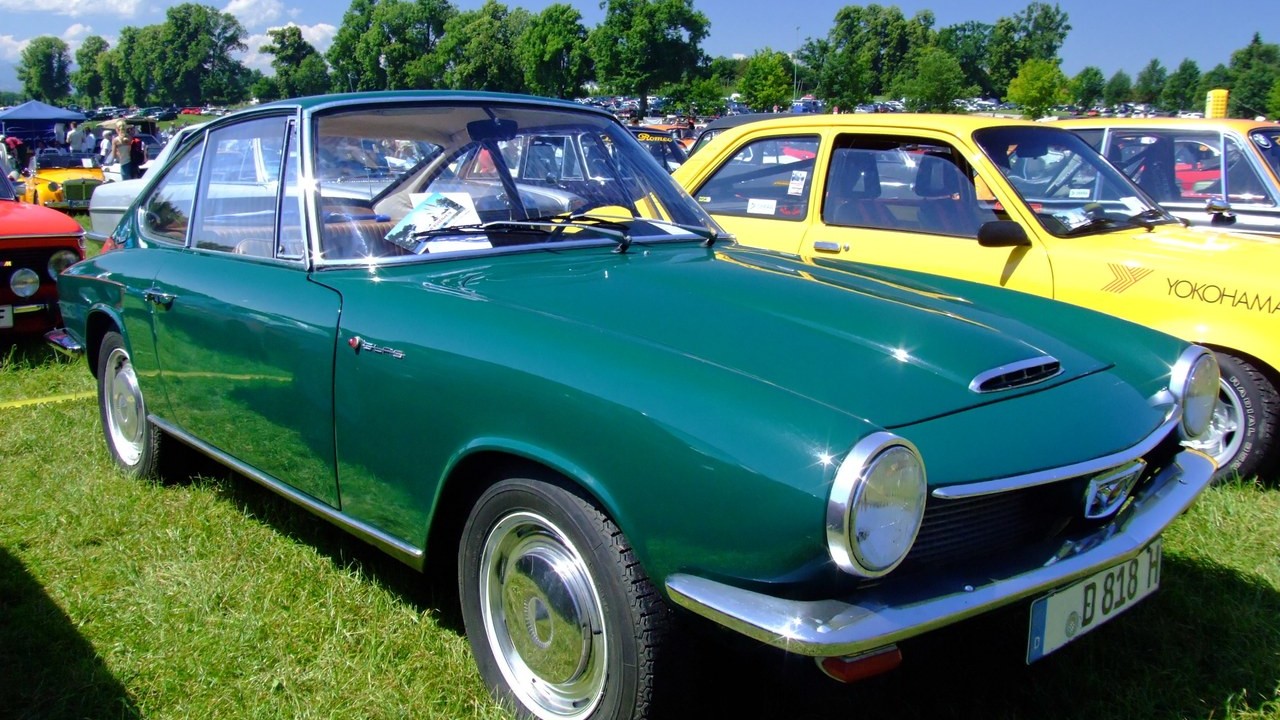
Hans Glas GmbH was a small Bavarian firm best known for compact cars. Even so, it hired Italian coachbuilder Pietro Frua to draw its first GT. Maggiora in Turin built the bodies, and the parts then traveled to Dingolfing for assembly.
At the same time, power came from a 1,290 cc four with twin Solex carburetors, rated at 75 PS, according to the Kucarfa collection. In all, Glas built 5,376 GTs from 1964 to 1967, including 363 cabriolets. Later, the company’s troubles led BMW to take it over. In our view, a small maker shipping Italian bodies across the Alps for a 1.3-liter coupe is a plan nobody would sign off on today.
2. 1970–1974 Saab Sonett III

Sergio Coggiola restyled the nose and tail, and Saab’s Gunnar Sjögren adapted his design for production. Underneath, however, sat a steel box-section platform carrying the fiberglass body. Then the front wheels took power through a four-speed transaxle.
From the fall of 1970, U.S. cars got a 1,698 cc Ford V4 rated at 65 bhp, according to Silodrome. As a result, top speed was 103 mph. Saab built 8,368 Saab Sonett III coupes before ending production in late 1974, because meeting new U.S. safety and emissions rules would have cost too much. That front-drive, fiberglass, V4 recipe is exactly why we picked it.
3. 1965–1969 Porsche 912
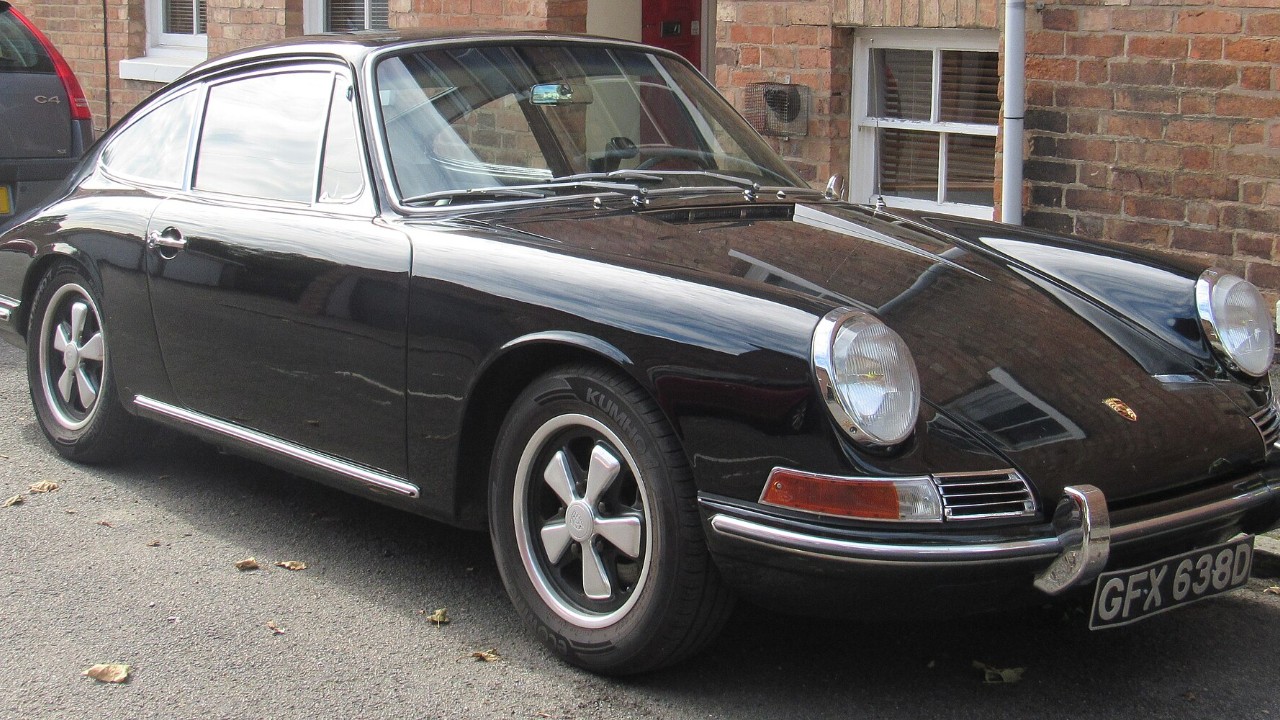
Porsche put the 356’s 1.6-liter Type 616 four into the new 911 body and sold it for less. The 912 coupe went on sale in April 1965 at DM 16,250, which was DM 5,650 under the six-cylinder car. Also, the engine made 90 PS.
According to Motor1, the 912 sold far better than the 911 in its early years. Porsche built almost 30,000 coupes and around 2,500 Targas in under five years. Because its tail was lighter, it was also less prone to oversteer. Our take: a cheaper four-cylinder version of a flagship body is a move few makers try now.
4. 1965–1976 Lancia Fulvia Coupé
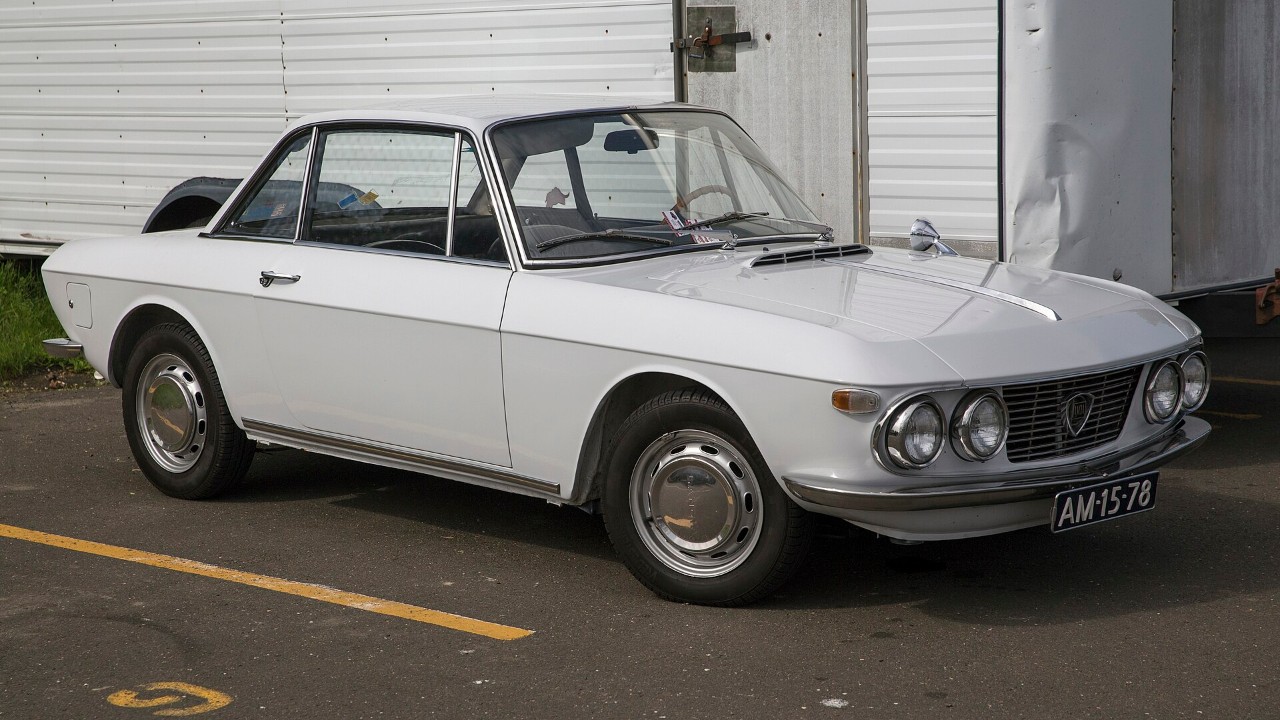
Lancia mounted the Fulvia’s narrow-angle V4 at 45 degrees, ahead of the transaxle, and drove the front wheels. The coupe arrived in 1965 on a wheelbase 5.9 inches shorter than the sedan’s. At first, its V4 made 80 hp.
Larger 1.3- and 1.6-liter engines followed, as Hagerty notes. Meanwhile, the Fulvia’s rally record included the 1972 International Rally Championship. Lancia built more than 340,000 Berlinas and coupes in all. In our opinion, a narrow-angle V4 with this much engineering in a small coupe is a thing of the past.
5. 1992–1995 Porsche 968
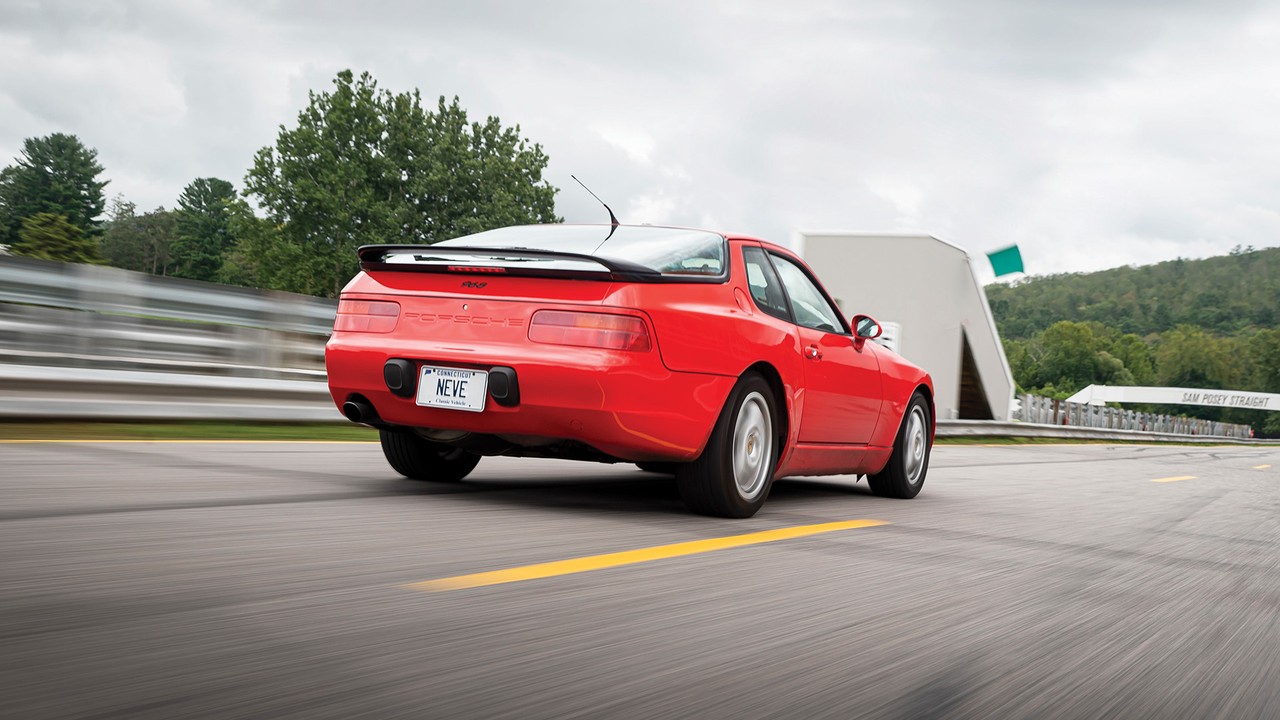
Porsche first planned this car as the 944 S3. However, it carried so much new content that it earned a new name. Its 3.0-liter four gained VarioCam variable valve timing and made 240 PS, or 236 hp.
The 968 Register says that made it the most powerful naturally aspirated four sold in a production car up to that time. Meanwhile, a six-speed manual was standard. North America got only 2,234 coupes and 2,008 cabriolets. It was also Porsche’s last new front-engine car before the Cayenne, which is why we count it here.
6. 1991–1995 Toyota MR2 (SW20)
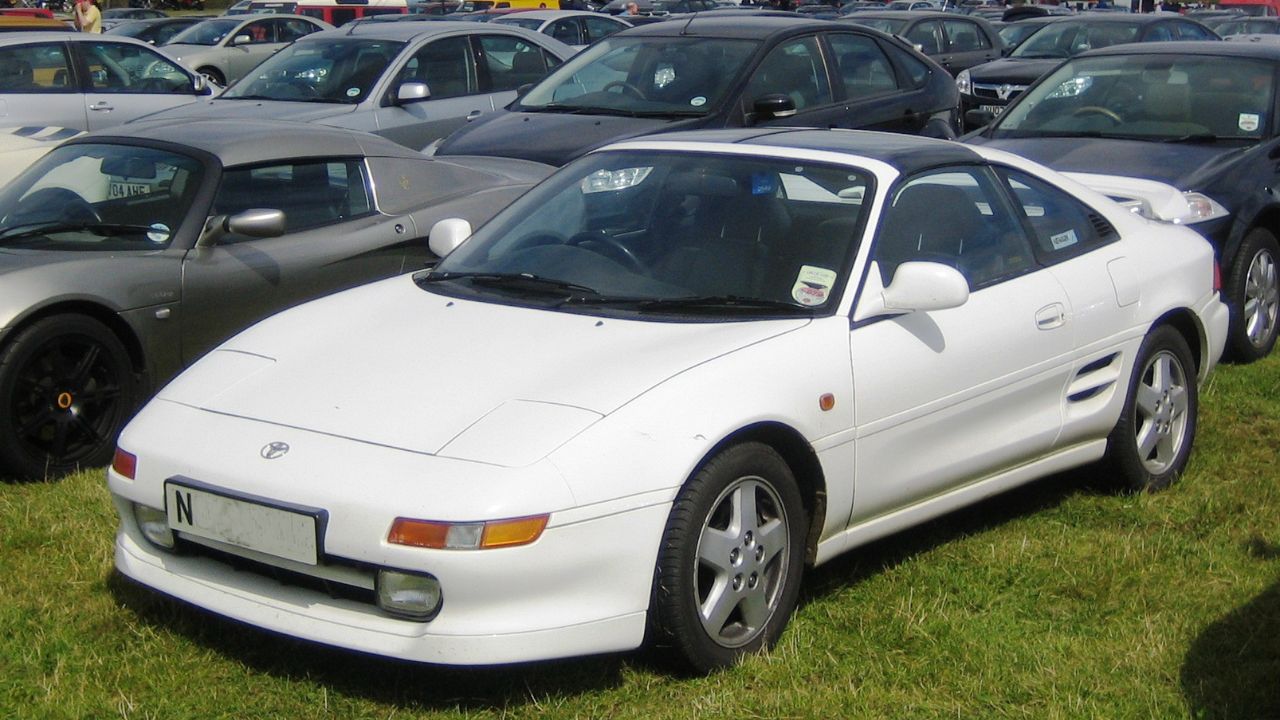
Toyota’s SW20 grew in every direction. A Turbo weighs nearly 2,900 pounds, roughly 400 more than the heaviest first-generation trim. Even so, it hit 60 mph in 6.1 seconds in U.S. form, while Japan got a 242 hp tune.
Europe never received the Turbo at all, according to Hagerty. Its coolant hoses sit so deep in the engine bay that owners call them the “Hoses from Hell,” since changing them effectively means pulling the engine. Still, a mid-engine turbo Toyota at a mainstream price is, in our view, something the market no longer offers.
7. 1996 Lotus Elise
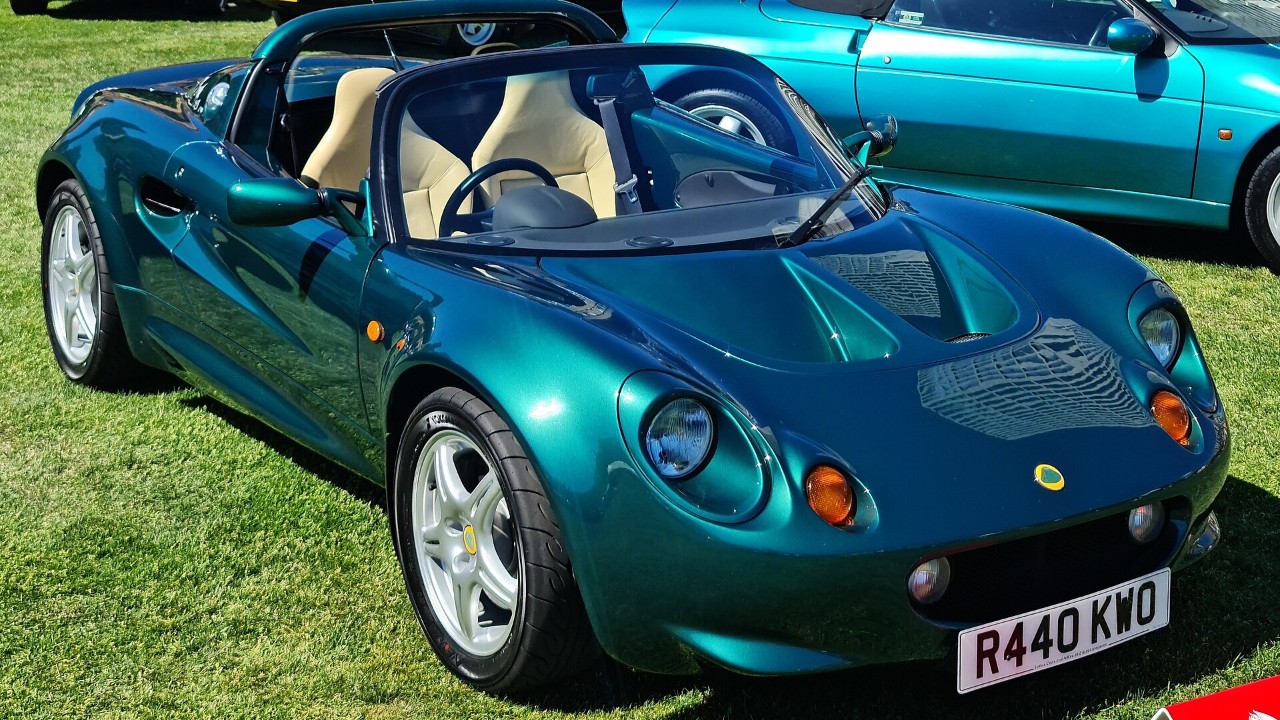
Lotus showed the Elise at the Frankfurt Motor Show on September 12, 1995. It took its name from Elisa, granddaughter of then-chairman Romano Artioli. Later, a team led by Julian Thomson finished the body design.
Yet the key part was hidden: a bonded and extruded aluminum chassis, according to Lotus. A 1.8-liter four sat behind the driver, rated at 118 bhp at launch. As a result, the first-generation car weighed 690 to 770 kg and reached 100 km/h in 5.9 seconds. We’d argue few new cars chase weight this hard.
8. 1998–2002 BMW Z3 M Coupe

Engineer Burkhard Goeschel led a small team that put a hardtop on a Z3 roadster and added the E36 M3’s engine. The result had a “breadvan” tail that made the body stiffer and added luggage room. BMW shared everything from the A-pillar forward with the M Roadster to control costs.
U.S. cars used the 240 bhp S52 until 2001, when the 315 bhp S54 arrived, according to Classic Trader. In total, BMW built 6,291 M Coupes, against about 15,000 M Roadsters. In our view, nobody builds a shooting-brake sports car from parts-bin logic anymore.
9. 1990–1996 Nissan 300ZX (Z32)
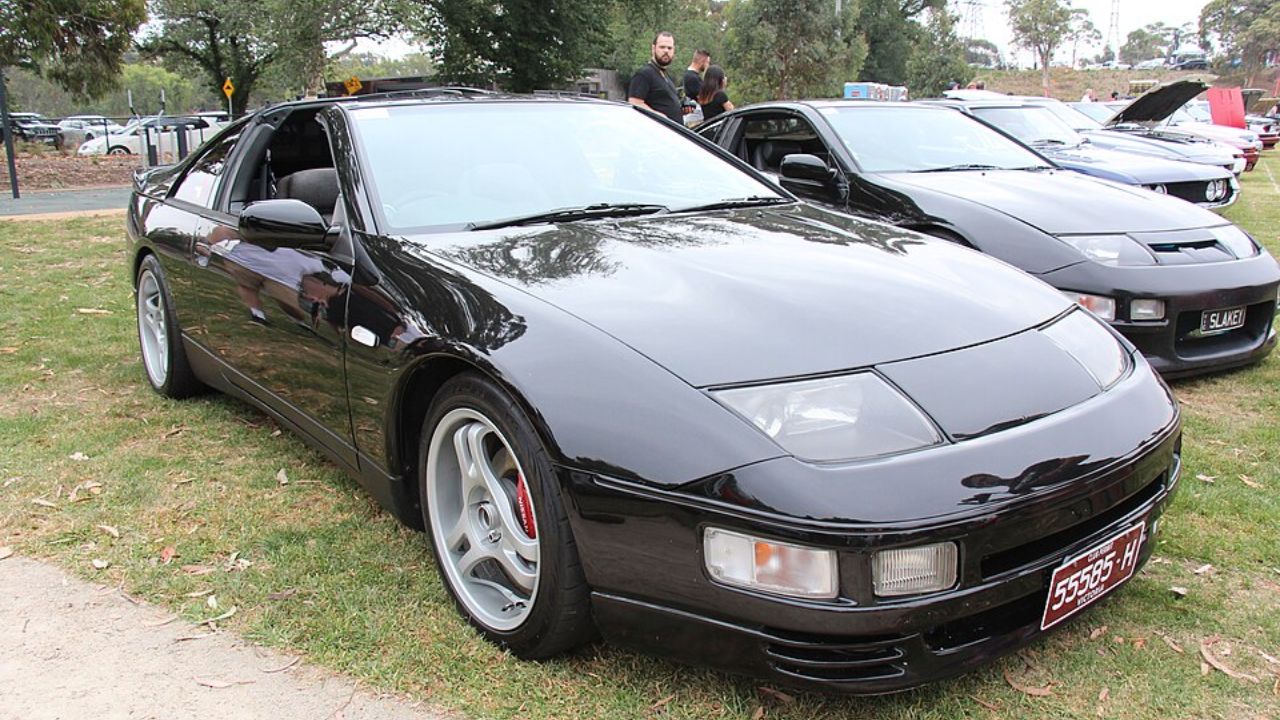
Toshio Yamashita shaped the Z32 with help from a Cray II supercomputer. Japanese Nostalgic Car calls it the first production car designed completely in 3D modeling. The twin-turbo VG30DETT V6 made 300 hp in export form.
Furthermore, the car used Super-HICAS four-wheel steering, as Japanese Nostalgic Car details. Then sales slumped when Japan’s bubble burst. By the mid-1990s, U.S. sales fell below 2,700 a year, and Nissan ended the Z32 there after 1996. We think that much hardware in a two-seat coupe belongs to an era that has passed.
10. 1991 Mitsubishi 3000GT VR-4
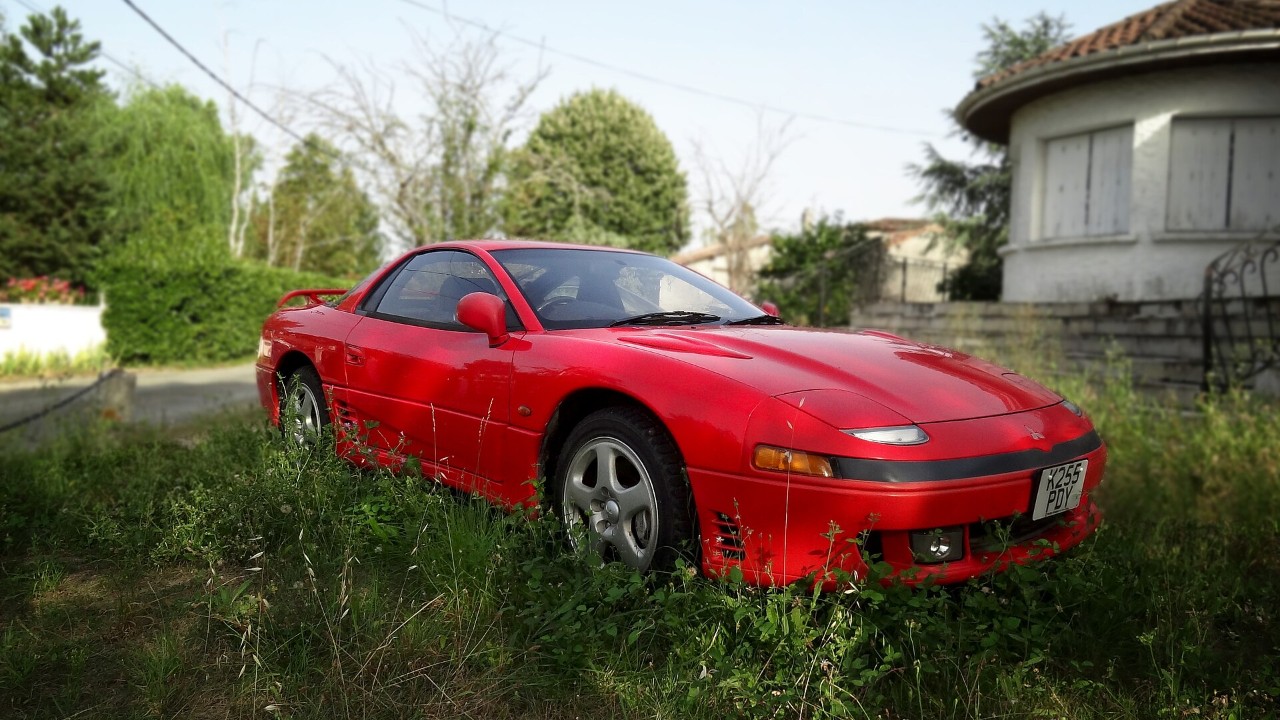
First, the VR-4 piled on every idea Mitsubishi had. It used a twin-turbo, intercooled 3.0-liter V6 rated at 300 hp and 307 lb-ft, with full-time four-wheel drive and four-wheel steering. Its active aero tilted the rear spoiler and lowered the front air dam at 45 mph.
Early cars also had a two-mode exhaust and electronically controlled suspension, according to Hagerty. All that hardware weighed in, too: Hagerty’s eBay pick listed a 3,737-pound curb weight. Our take: few makers today would bolt that many moving parts onto one coupe.
For the record, the Sonett III that opened this list closed out a short family. Saab built 8,368 of them, out of 10,236 Sonett coupes across three versions.
More from Fast Lane Only