The Cadillac Allante had Italian bodywork, a jet-freight supply chain and a price twice that of an Eldorado. Today, even the best one sells for a fraction of what a full restoration would cost. That gap between restoration cost and finished value is the thread running through this list.
These seven are our picks, and the verdict is our opinion, not a market rule. We like every car here, and we’d gladly drive a good one. However, we wouldn’t pour restoration money into a rough example. Each entry gives the sourced facts behind that call.
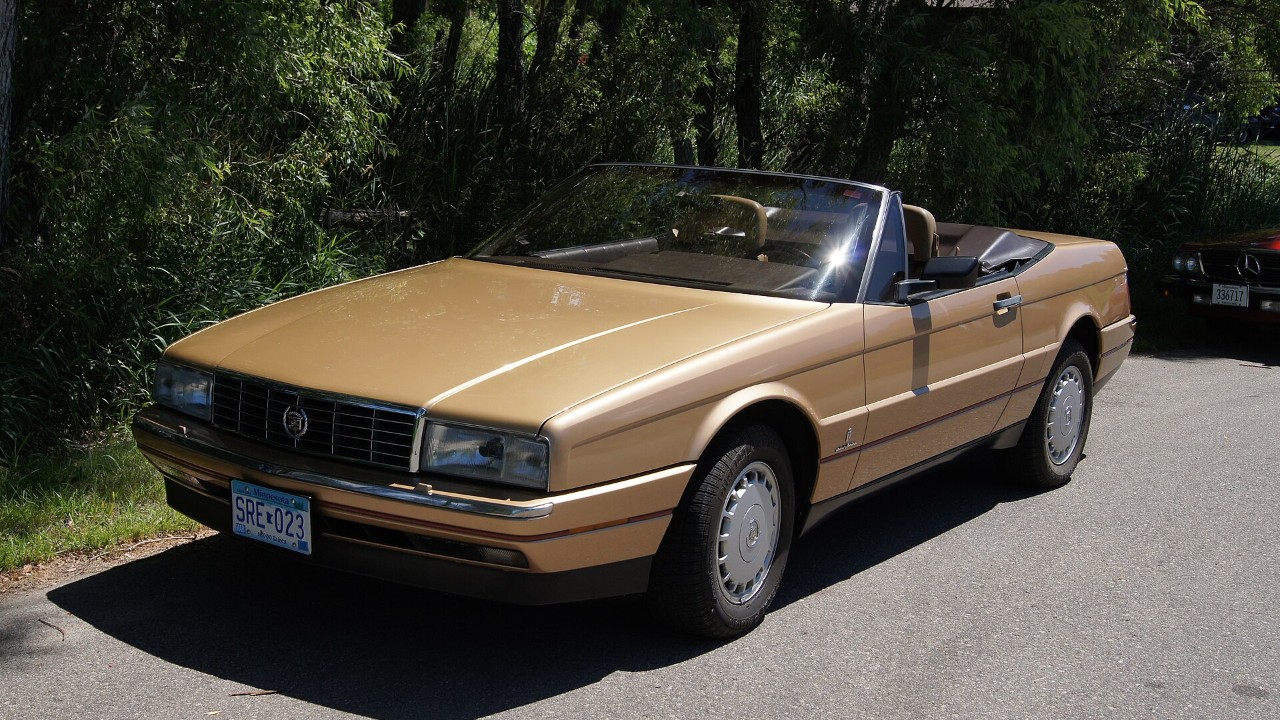
1. 1987–1993 Cadillac Allante
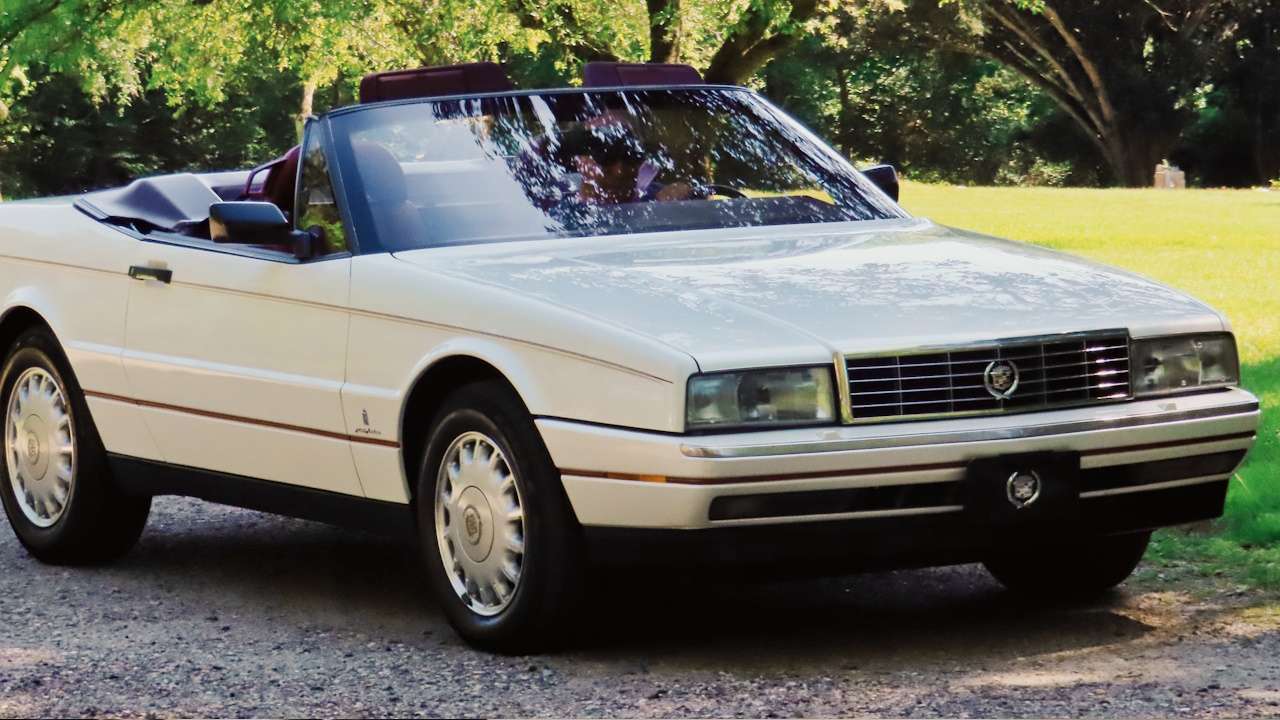
Cadillac built the Allante on a shortened front-drive Eldorado frame and aimed it at the Mercedes-Benz SL and Jaguar XJ-S. Pininfarina styled the body. The company then painted and assembled each shell in Turin, and Cadillac flew them on modified 747s to Hamtramck, Michigan, for final assembly.
That process made the car expensive to build and expensive to fix. According to Hagerty, GM ended the Allante after 1993 and about 21,000 cars. The final-year Northstar V8 made 295 hp. Even so, Hagerty put a concours Cadillac Allante at $22,800 and said the nicest cars usually sell in the low teens. In our view, the smart move is to buy a finished, low-mileage car rather than rescue a tired one.
2. 1986 Dodge 600ES Turbo convertible
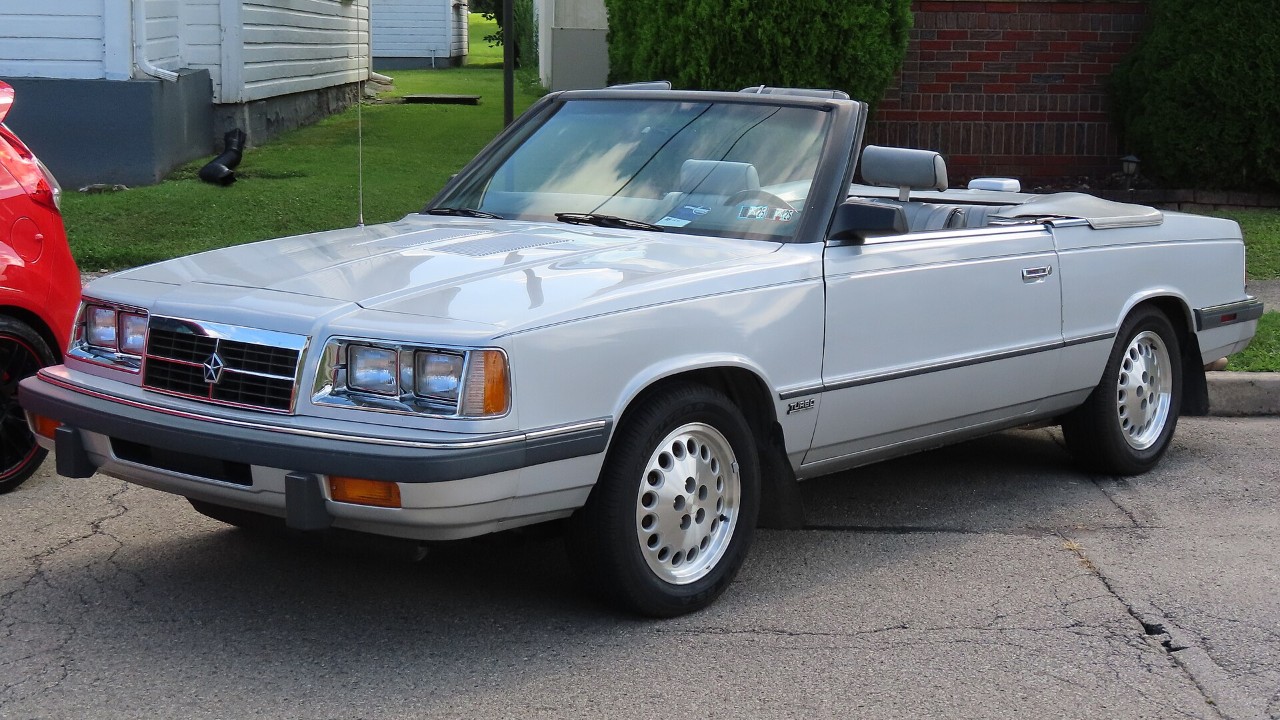
Dodge’s K-car convertible started small and grew. The first ones appeared in mid-1982, and an outside contractor built them at first. However, they sold well enough that Chrysler brought the work in-house. By 1986, the 600ES used the 2.2-liter turbo four, which made about 146 horsepower that year, according to The Truth About Cars.
These cars still cost very little to buy. For example, a 1985 Dodge 600 ES convertible sold for $12,600, according to Hagerty’s past-sales records. In our view, that price is the reason to skip a project car. A full restoration would likely cost more than a good one sells for. So we’d buy the cleanest example we could find and simply drive it.
3. 1964 Oldsmobile Starfire convertible
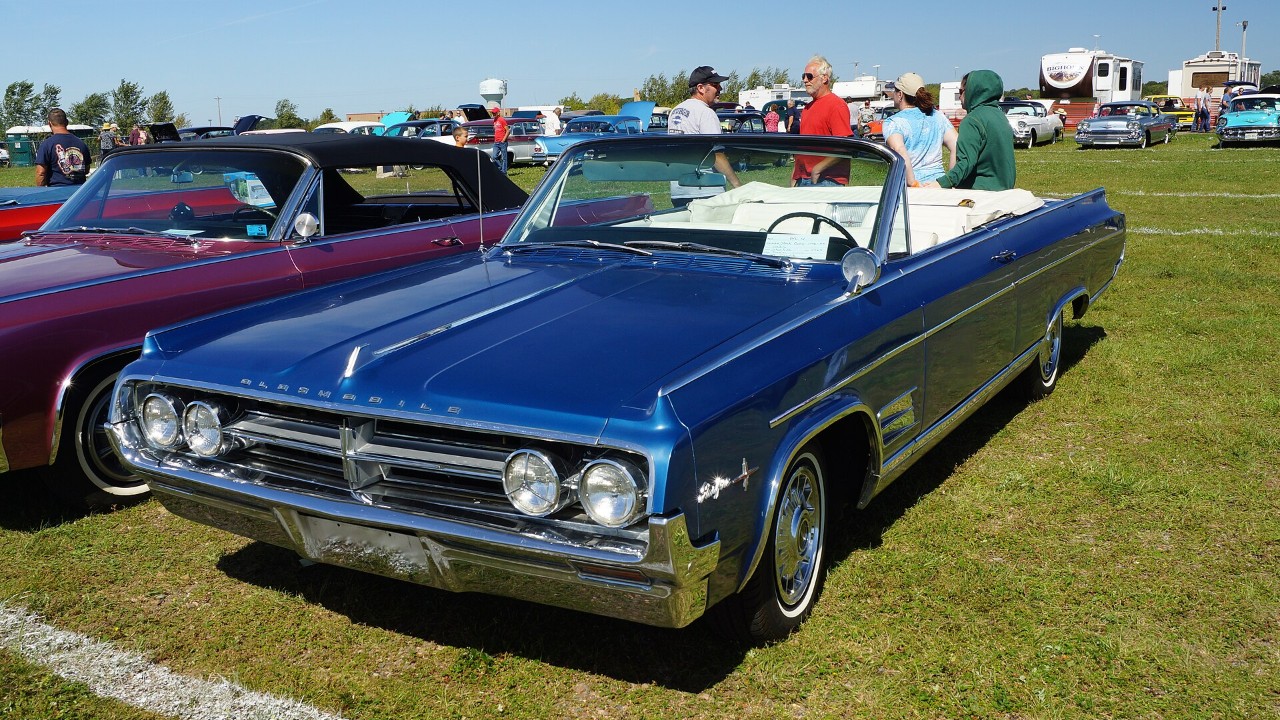
The Starfire was Oldsmobile’s flagship, and every year it carried the division’s strongest engine. For 1964, that meant a 394-cubic-inch V8 rated at 345 hp. The interior also got nylon-insert bucket seats, with all-vinyl trim available at no cost.
Only 2,410 Starfire convertibles left the line in 1964, according to Collector Car Market Review. That sounds collectible, but the same guide says values for the 1963–64 cars “take a hit” next to the earlier models. As a result, a frame-off job on a big, trim-heavy convertible can easily outrun the finished price. We’d look for a car someone else has already restored.
4. 1966 Pontiac 2+2 convertible
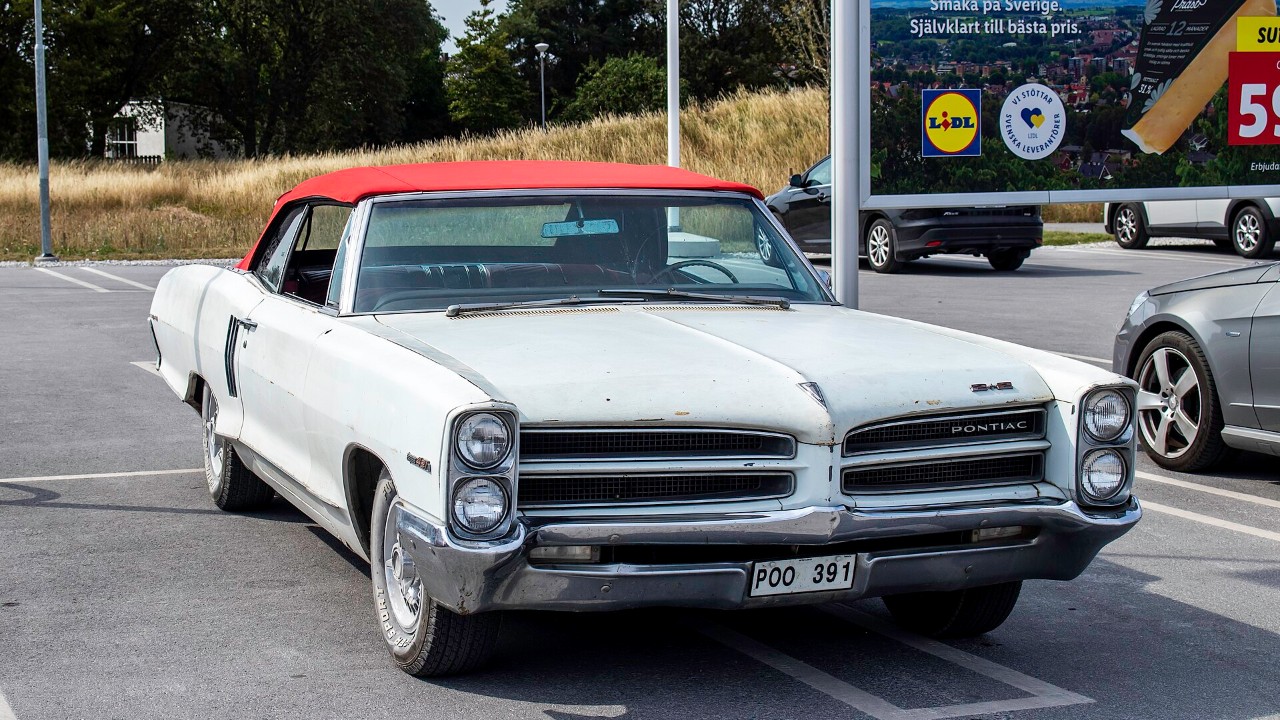
For 1966, the 2+2 became its own series instead of a Catalina package. Pontiac sold it in the same performance catalog as the GTO. A 421-cubic-inch V8 rated at 338 hp came standard, with Tri-Power on the option list, along with heavy-duty springs and shocks.
Pontiac built just 6,383 of the 1966 cars in all, as RM Sotheby’s notes in its catalog. At the same time, the auction house sold a frame-on restored, documented two-owner car for $44,550 in 2014. That’s a fair price for a finished car. Still, it leaves little room for a buyer who starts from a rusty shell. In our opinion, the 2+2 is a car to buy done.
5. 1971 Buick Centurion convertible
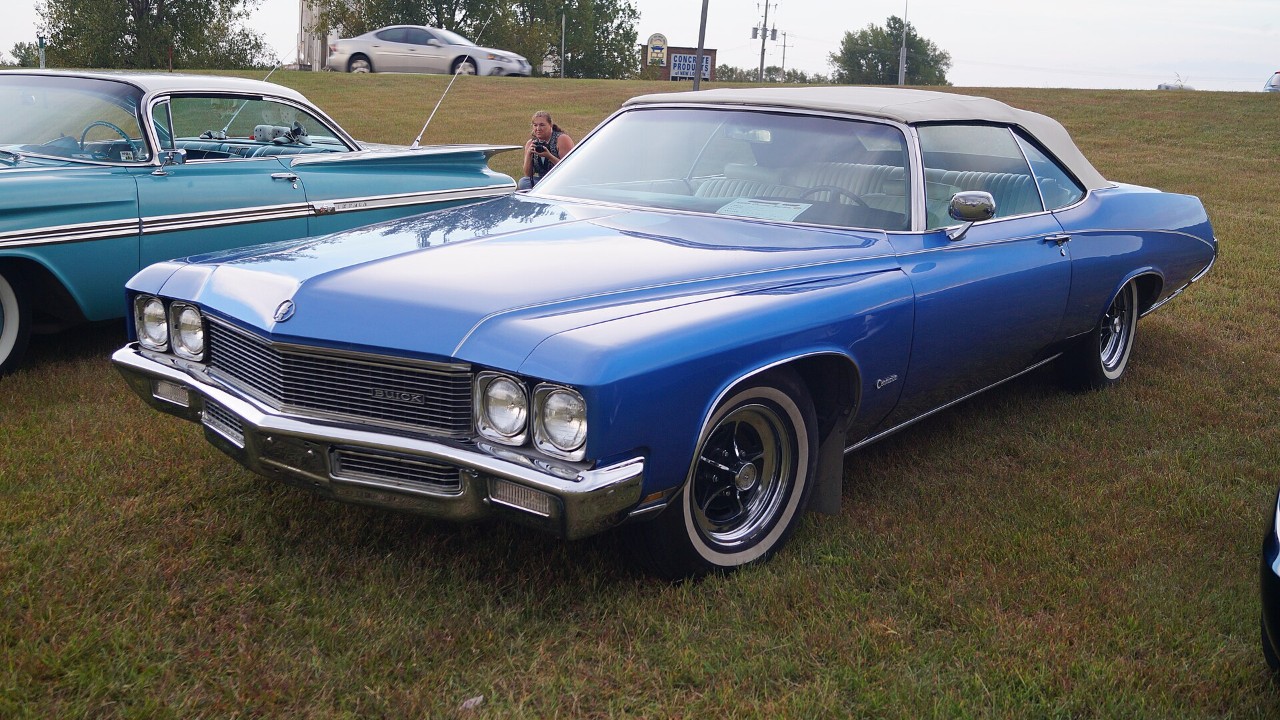
The Centurion replaced the Wildcat for 1971, and its name came from a 1956 Motorama show car. It rode GM’s 124-inch B-body. For performance fans, it also came standard with Buick’s 455 V8, rated at 315 hp in its first year.
The name lasted only three seasons, according to Mac’s Motor City Garage. By 1972 the 455 was rated at 250 net hp, and for 1973 a 175 hp 350 became standard. Buick then dropped the name for 1974. Because the Centurion shares most of its hardware with the LeSabre, we think it makes more sense as a driver than as a concours project.
6. 1975 Chevrolet Caprice Classic convertible
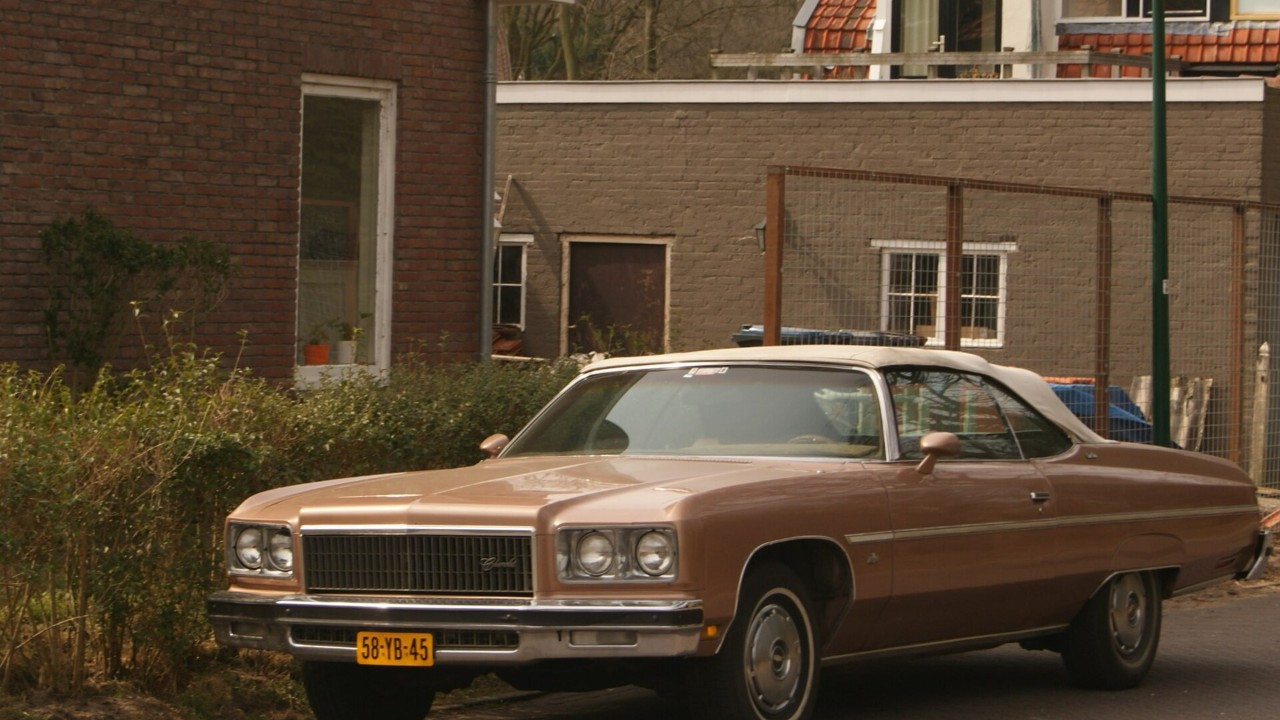
The 1975 Caprice Classic convertible was the last open car in the full-size Chevrolet line. Chevrolet built 8,349 of them that year, out of 103,944 Caprices. It listed at $5,113 and weighed 4,342 pounds.
The car’s place in history is real. In fact, Hagerty says it was common knowledge early on that the 1975 droptop would be the last one. But a last-of-the-line badge doesn’t shrink a body this big or make its top cheaper to rebuild. Our take: save one if it is solid, but skip the basket case.
7. 1983 Ford Mustang convertible
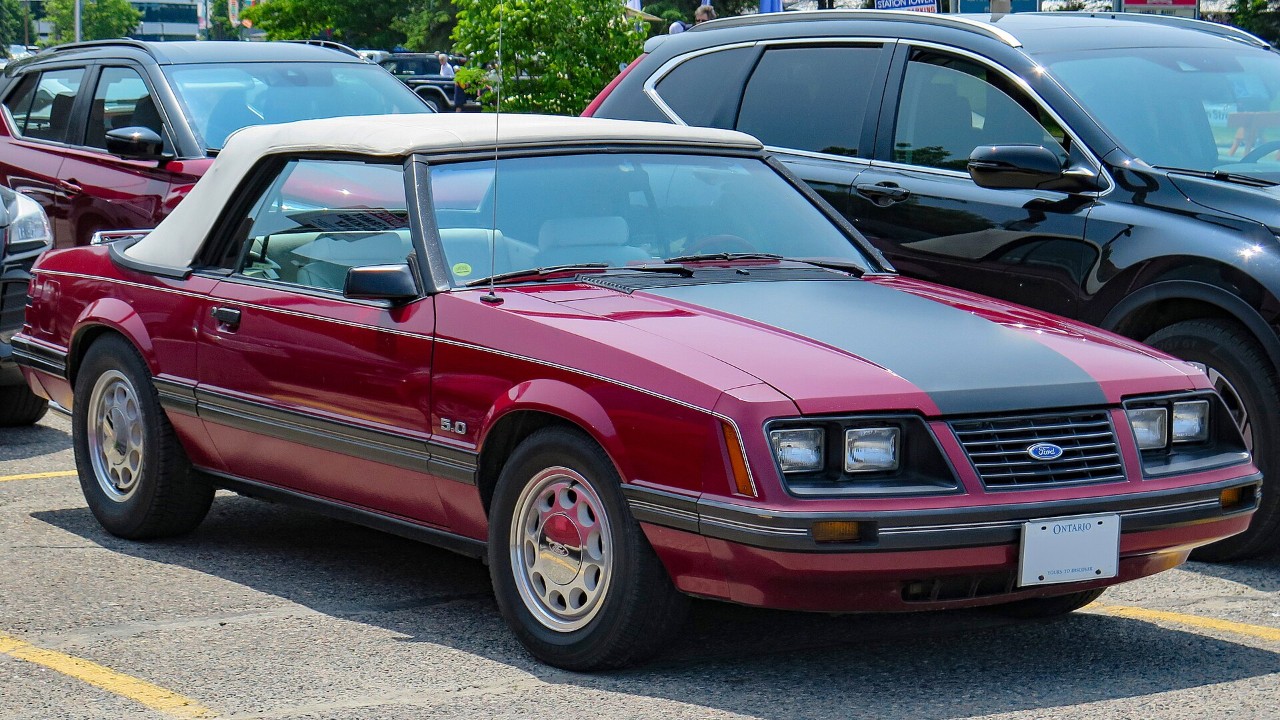
Ford introduced this car on November 5, 1982, the first Mustang convertible since the 1973 model year. Only the GLX and GT offered it. The GLX came with a 112 hp 3.8-liter V6, while a 175 hp V8 was optional on the GLX and standard on the GT.
The GT convertible cost $13,479, about 45 percent more than the GT hatchback, according to Eighties Cars. Later, Ford sold more than a quarter-million Mustang convertibles from 1983 to 1993. As of March 2025, the same source put a good GT convertible at about $14,500 in Hagerty’s guide, so we’d buy a nice V8 car rather than restore a worn V6 one.
Each of these cars has a following, and a finished one can be a great weekend driver. For the record, the Allante holds the high-water mark here: a 4,896-mile 1993 car sold on Bring a Trailer for $42,000, nearly twice Hagerty’s concours value at the time.
More from Fast Lane Only