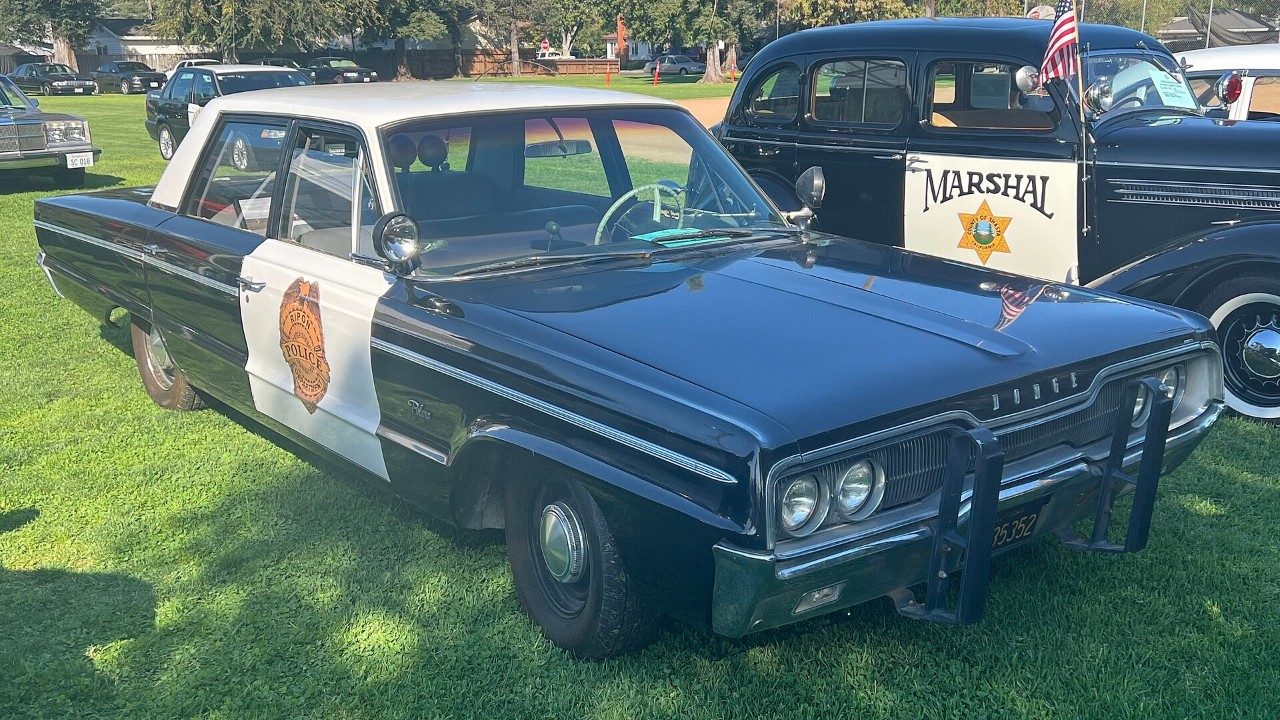
A 1961 Dodge Polara police car built for the California Highway Patrol had to hold 100 mph for an hour. Six decades later, departments were ordering SUVs with all-wheel drive. In between, a handful of patrol cars became the face of the law for the people who grew up with them.
These ten are our picks for the police cars that defined their generations. In other words, the verdict is our opinion. Still, every engine rating, order size and test result here comes from a sourced record, from period police-vehicle tests to heritage write-ups.
1. 1961 Dodge Polara California Highway Patrol police car
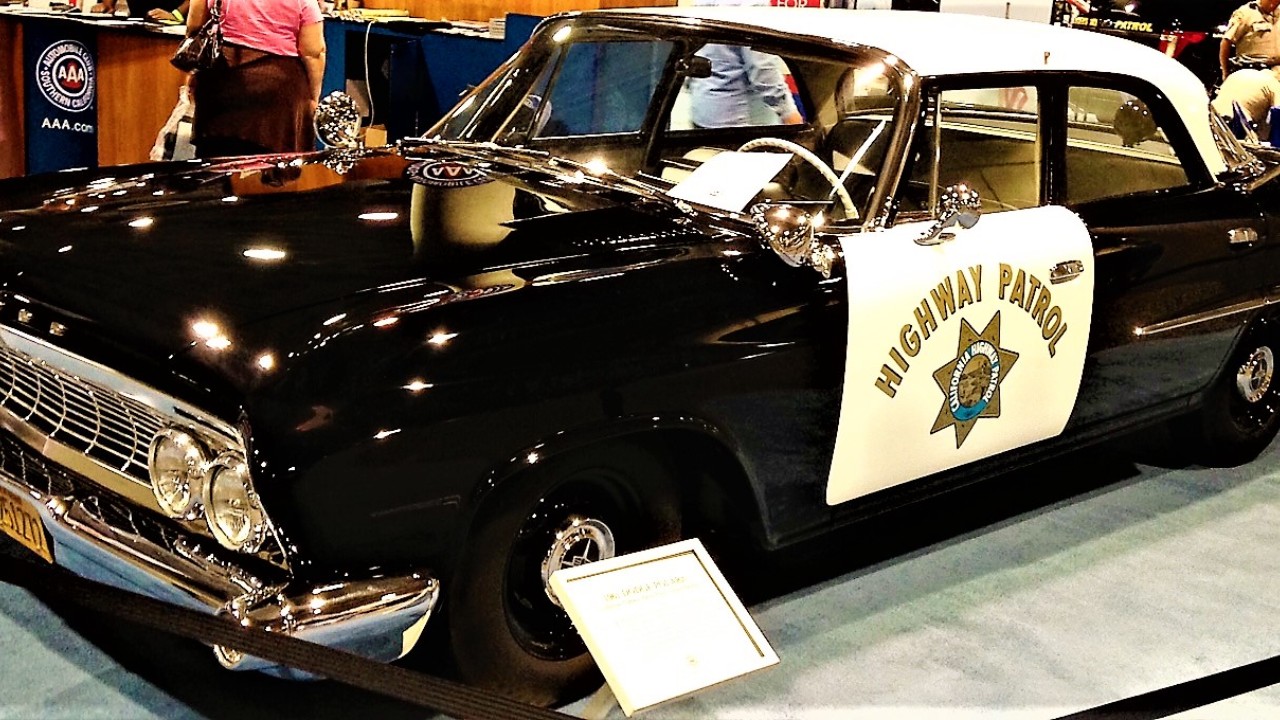
The California Highway Patrol ordered 1,200 Polaras in patrol trim for 1961. Under the hood sat a 383-cubic-inch B-series big-block, picked over the larger 413 because it used less gas. However, the CHP cars got the 413’s high-performance camshaft. As a result, on a dyno it made 332 horsepower and 406 lb-ft of torque.
The patrol’s demands were tough, though. Officers expected each car to sustain 100 mph for one hour in 100-degree heat, The Drive reports. Today, however, only two restored examples are known, including one rebuilt by the Automobile Club of Southern California. To us, this Dodge Polara police car set the template for the big Mopar cruisers that followed.
2. 1972 AMC Matador police car
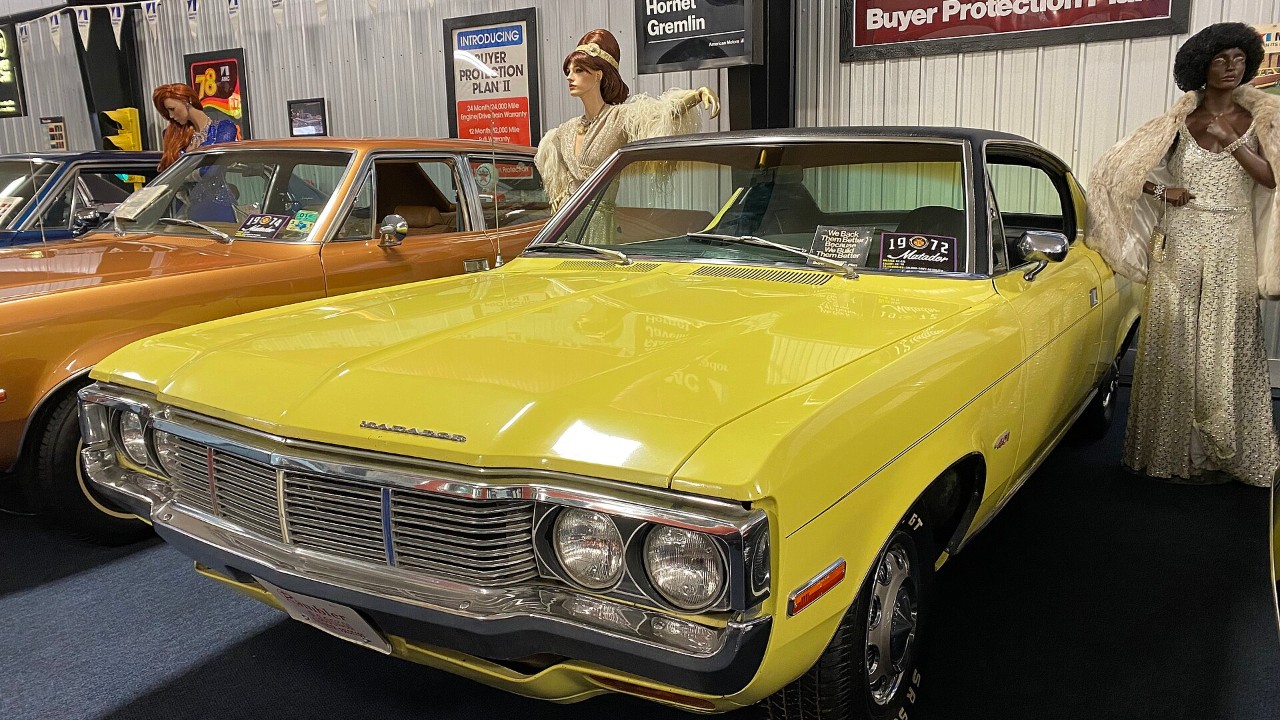
The Los Angeles Police Department switched from Plymouth Satellites to AMC Matadors in 1972. Its cars ran a 401-cubic-inch V8 rated at 255 horsepower, with Chrysler’s TorqueFlite automatic. In testing, they reached 60 mph in 7.5 seconds and topped out at 126 mph. Also, they came with air conditioning, a perk officers liked.
Even so, television made the Matador famous. Consumer Guide notes that Adam-12 used 1972 and 1973 Matadors until the series ended. Then AMC’s heavier 1974 redesign hurt performance, and the LAPD went back to Plymouth in 1975. In our view, no police car shaped the early 1970s TV image more.
3. 1974 Dodge Monaco police car
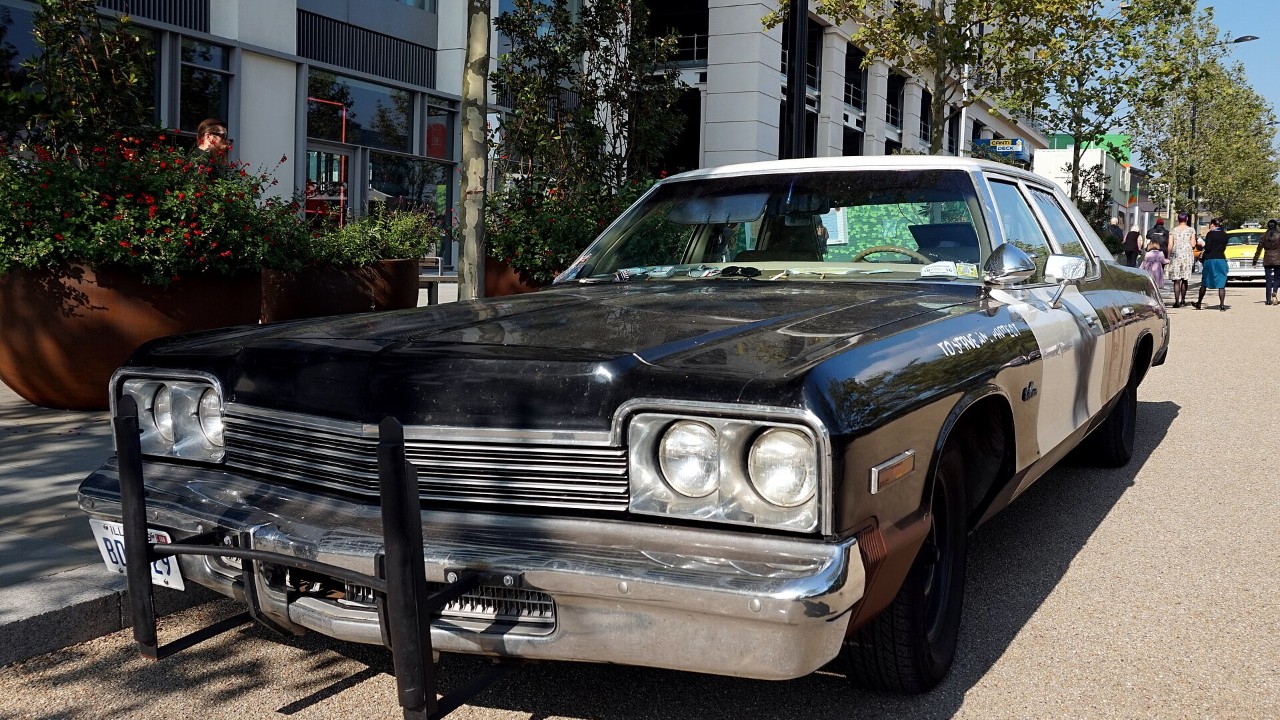
Dodge sold the full-size C-body Monaco from 1974 through 1977. Many served as police cars, and agencies later sold them off cheaply. As a result, plenty were crashed, and TV and movie crews bought up others. Hagerty says that’s why they’re uncommon now. It also notes that the Blues Brothers car was a worn ex-police Monaco from Mount Prospect, Illinois.
In fact, the 1980 film used the type in bulk. According to SlashGear, the crew swapped between 13 different 1974 Monacos for the Bluesmobile. It also bought 60 used police cars at $400 each for the chase scenes. We’d argue no squad car is better known around the world.
4. 1981–1989 Dodge Diplomat police car
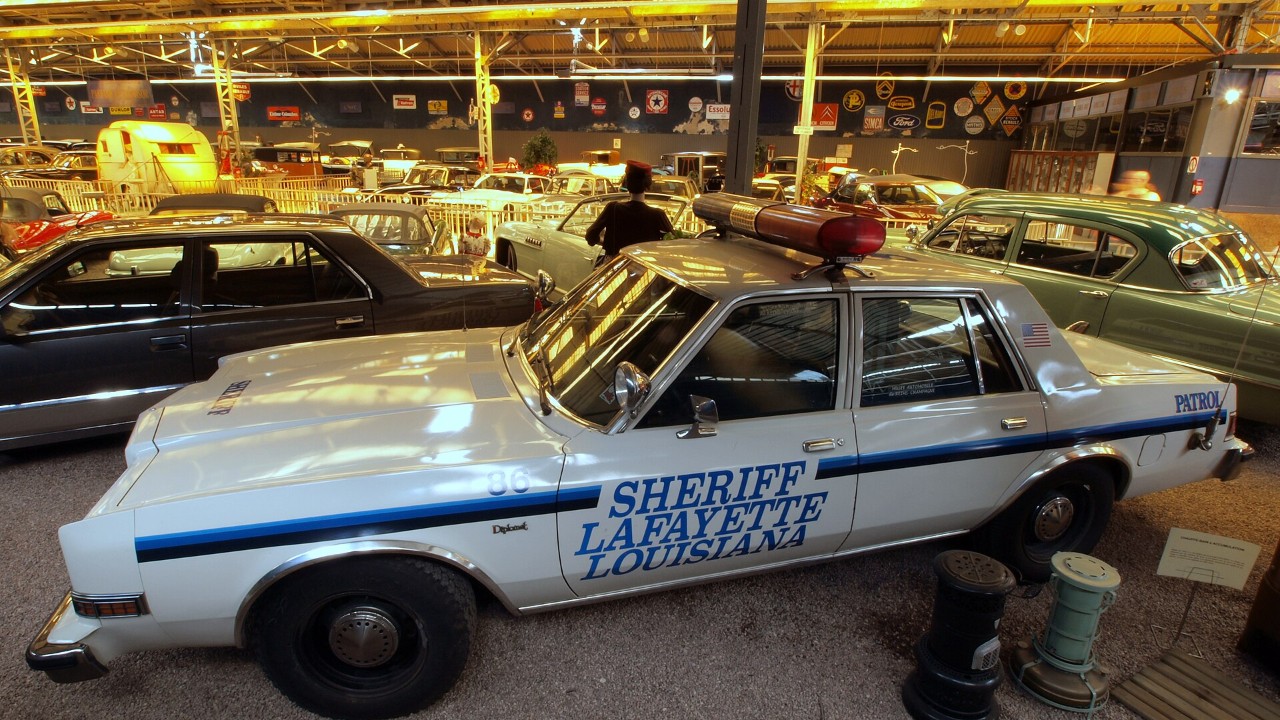
Chrysler’s smaller Aspen and Volaré police cars never caught on. By contrast, the M-body Diplomat police package was a hit from its 1981 debut. The California Highway Patrol bought it from the start. Meanwhile, the New York City Police Department kept its Diplomats running long past their normal retirement age.
Above all, rural and state agencies wanted the four-barrel 318 V8. In 1984 Michigan State Police testing, that version ran 0–60 mph in 10.9 seconds and reached 100 mph in 40 seconds, Mopar historian site Motales reports. A 1986 car hit 122 mph in the same tests. Production finally ended with a short-run 1989 model. To us, it’s the patrol car of the 1980s.
5. 1982–1993 Ford Mustang SSP
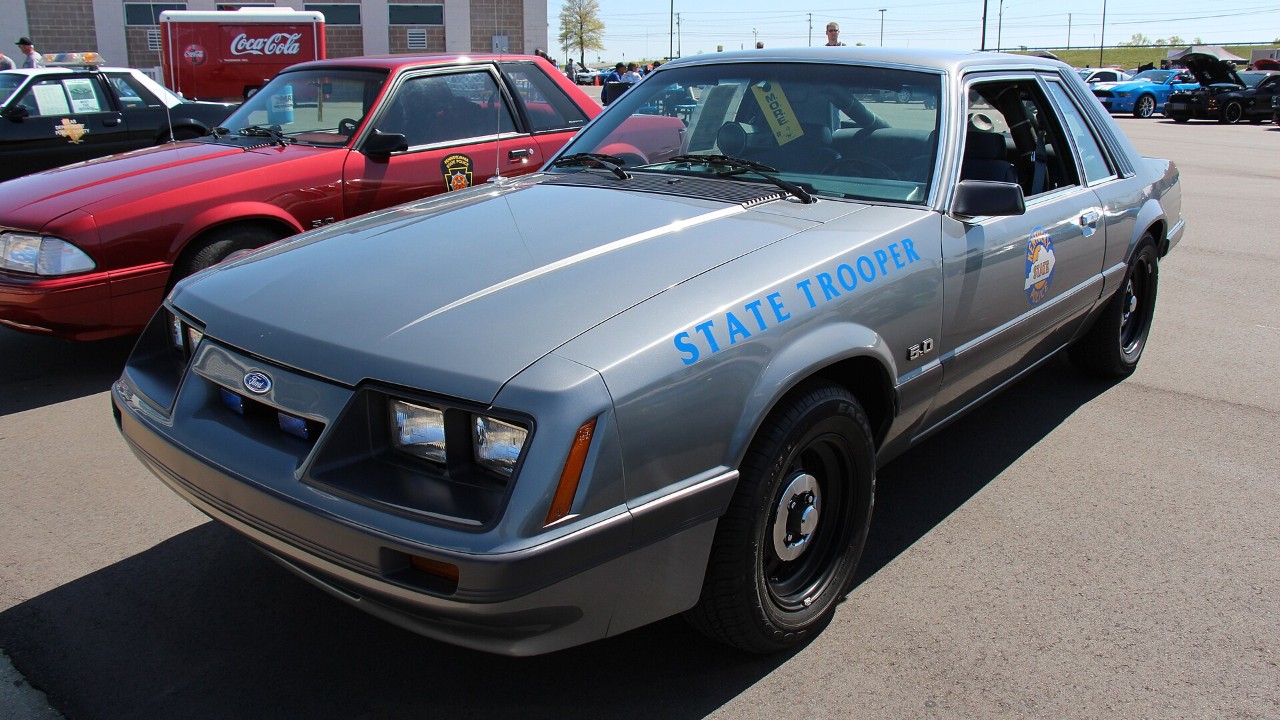
Ford’s Special Service Package Mustang grew out of a California Highway Patrol pilot program. Over its 11-year run, Ford eventually sold about 15,000. Buyers could order either a manual or an automatic. From 1989 the cars got a stronger 8.8-inch rear axle, and later versions could top 140 mph.
By 1993 the 5.0-liter Windsor V8 made 225 horsepower and 275 lb-ft, the same as civilian cars. Remarkably, one 1993 SSP remained on duty with the Nebraska State Patrol in May 2019, The Drive reported. Ford ended the program when the new SN-95 Mustang arrived for 1994. In our view, it made the pony car a legitimate police tool.
6. 1986–1990 Chevrolet Caprice 9C1
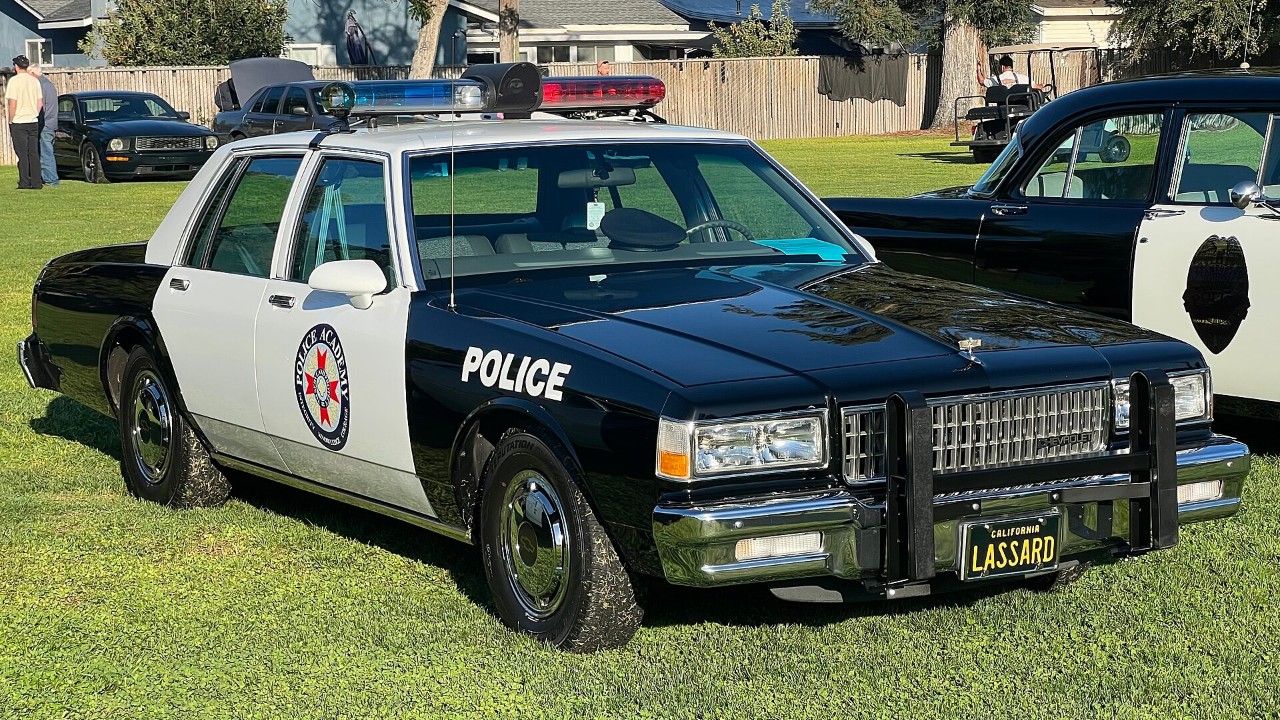
From 1986, the Caprice replaced the Impala as Chevrolet’s police sedan, sold under the 9C1 code. Chevrolet restricted its 350-cubic-inch engine to U.S. state and local government agencies. For 1989, that L05 V8 switched to throttle-body fuel injection and made 190 horsepower.
As a result, the change showed in Michigan State Police tests. The 1989 car reached 100 mph in 29.3 seconds, compared with 34.9 seconds for the carbureted 1988 car, RPM Canada reports. That same year, Chrysler left the police car business, and most of its share went to Chevrolet. Inside, police cars even got a “ticket light” for paperwork. We think the boxy Caprice owned the late 1980s.
7. 1992–2011 Ford Crown Victoria Police Interceptor
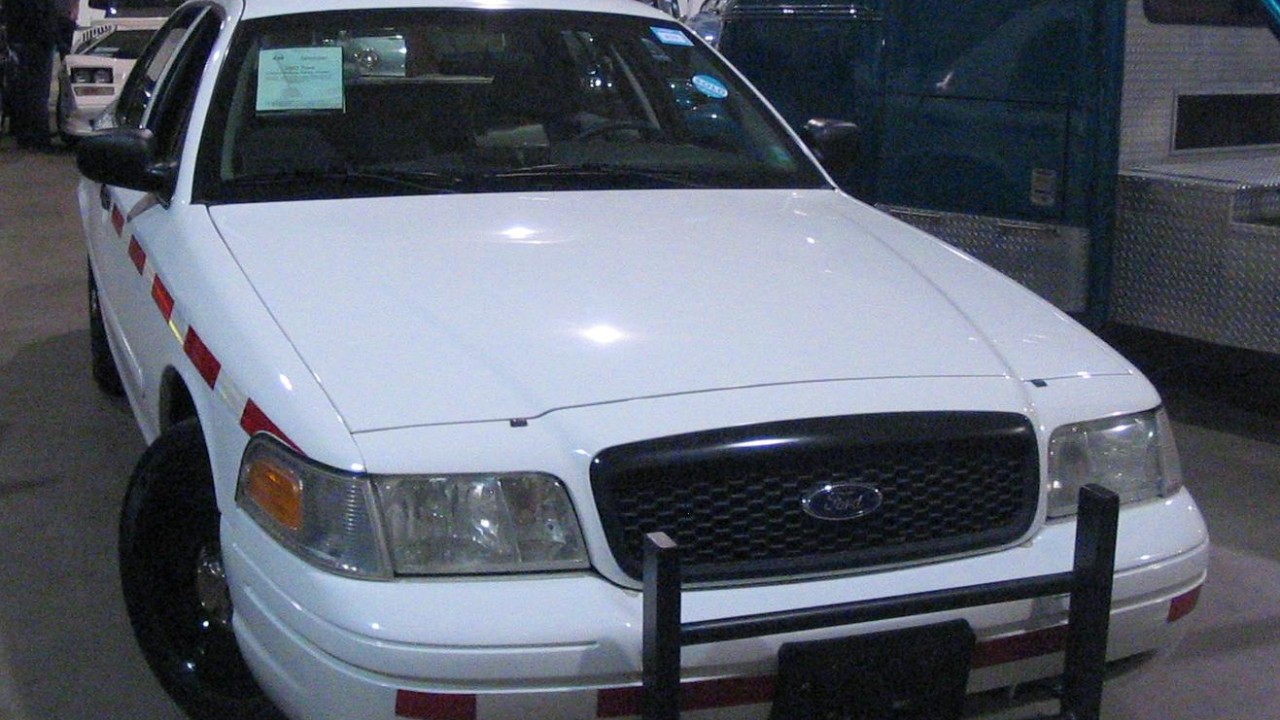
Ford sold the Crown Victoria Police Interceptor for 20 model years, from 1992 through 2011. Every one used a 4.6-liter SOHC Modular V8 rated at 250 horsepower and 297 lb-ft. Underneath, it also shared the Panther platform with the Mercury Grand Marquis and Lincoln Town Car.
Later, for the last two model years, the police VIN code changed from P71 to P7B. According to Hagerty, most sources say the final Police Interceptor left the St. Thomas assembly plant in August 2011. The scrapped examples its writer finds usually show 100,000 to 200,000 miles. For a whole generation of drivers, this car is simply what a police car looks like.
8. 2007 Chevrolet Tahoe PPV
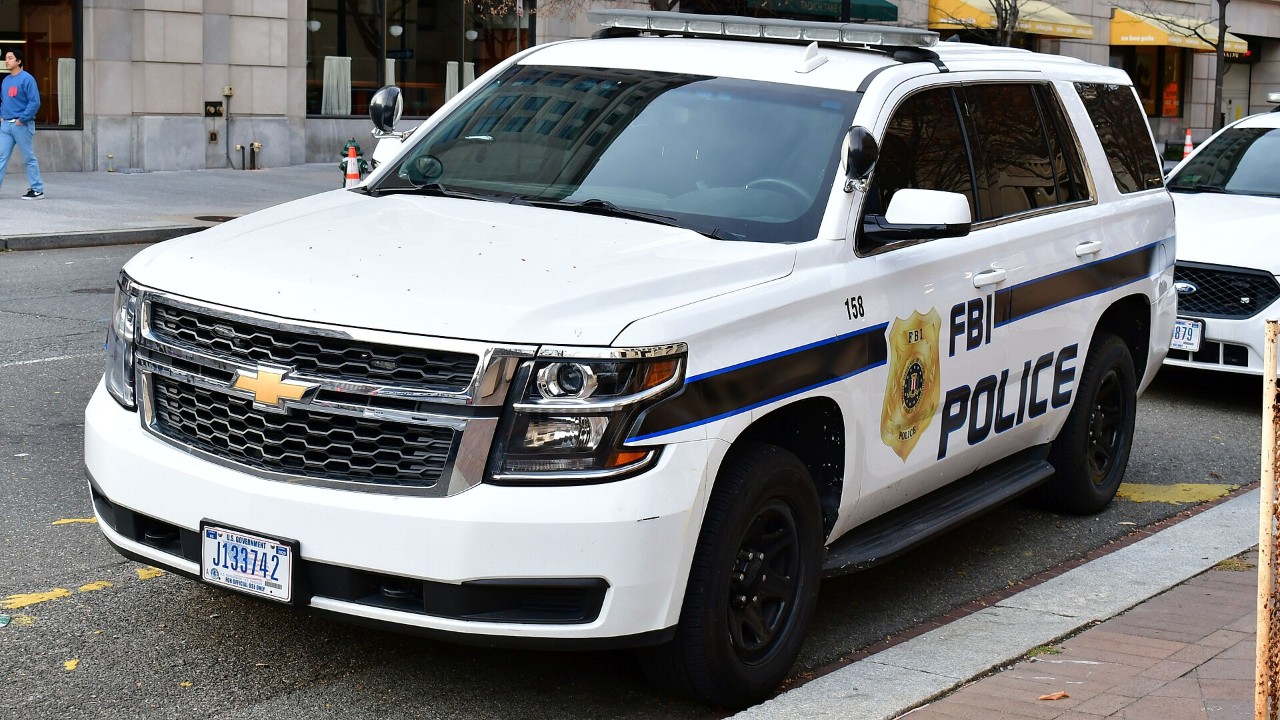
Chevrolet designed the all-new 2007 Tahoe Police Pursuit Vehicle for police work from the beginning. Every PPV used a 5.3-liter Vortec V8 rated at 315 horsepower and 338 lb-ft, with a four-speed automatic. Additionally, Active Fuel Management promised fuel savings of up to 20 percent.
The two-wheel-drive model got pursuit suspension tuning and sat two inches lower than the 4WD version. Its speedometer was certified to 140 mph, Law Officer magazine noted. Eventually, by 2013, agencies were buying the Tahoe PPV in volume, with 13,629 sold that year, Government Fleet reported. In our view, it started the shift from sedans to SUVs.
9. 2011 Dodge Charger Pursuit
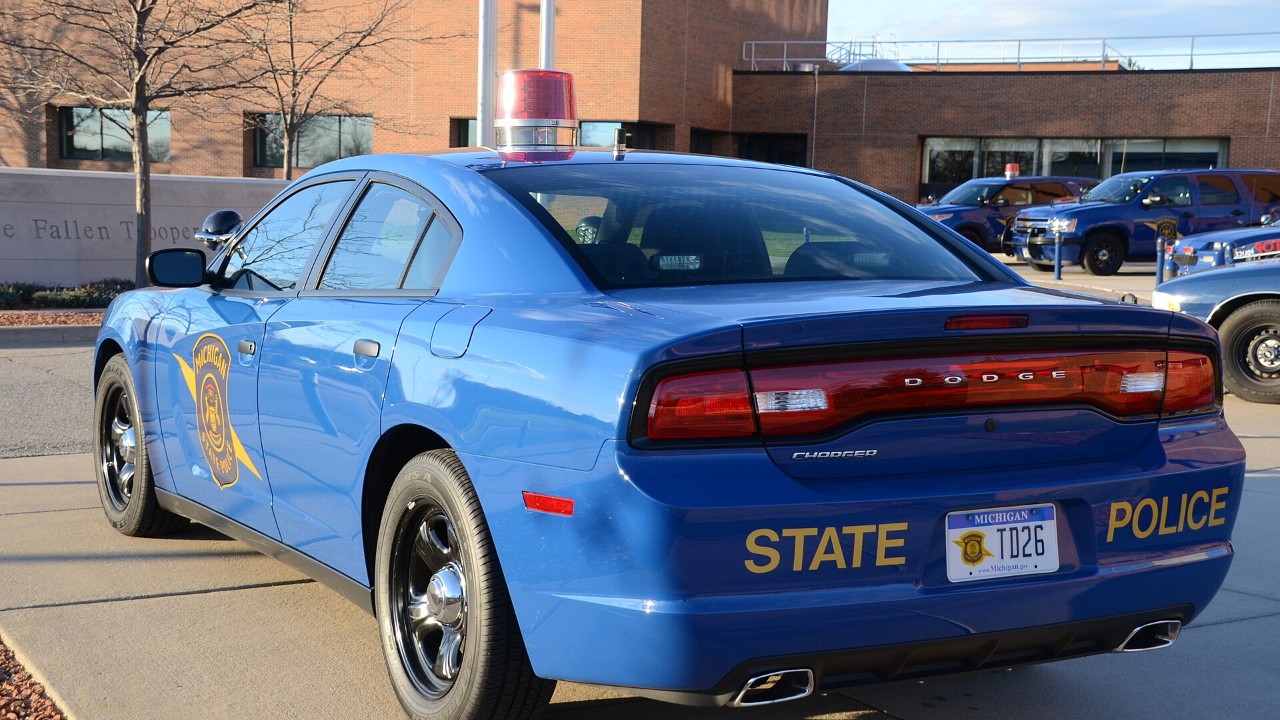
The police Charger debuted at the 2005 auto show and went on duty in 2006. For 2011, Dodge gave it the Charger Pursuit name. By the 2021 model year, buyers could choose a 370-horsepower 5.7-liter Hemi V8 with rear-wheel drive. Alternatively, they could order a 300-horsepower V6 with all-wheel drive.
In 2020 Michigan State Police tests, the V8 car ran 0–60 mph in 5.91 seconds, Police magazine reported. For example, the Missouri State Highway Patrol alone ran 495 V8 Chargers. By 2021, the magazine added, it was the only pursuit-rated sedan left for sale to agencies. We think it gave the patrol sedan its last great run.
10. 2013 Ford Police Interceptor Utility

Ford built its Police Interceptor Utility on the Explorer to replace the Crown Victoria. In calendar year 2013, agencies bought 14,086 of them, up 140% from 2012. In contrast, Ford’s own Taurus-based Interceptor sedan sold 10,897.
Ford made all-wheel drive standard on most of its new police models and called that an industry first. The Utility also carried a 75 mph rear crash rating for highway traffic stops, Government Fleet notes. The Chicago Police Department is among its users. To us, it’s the police vehicle of today’s generation, and the one most drivers now see in the mirror.
More from Fast Lane Only