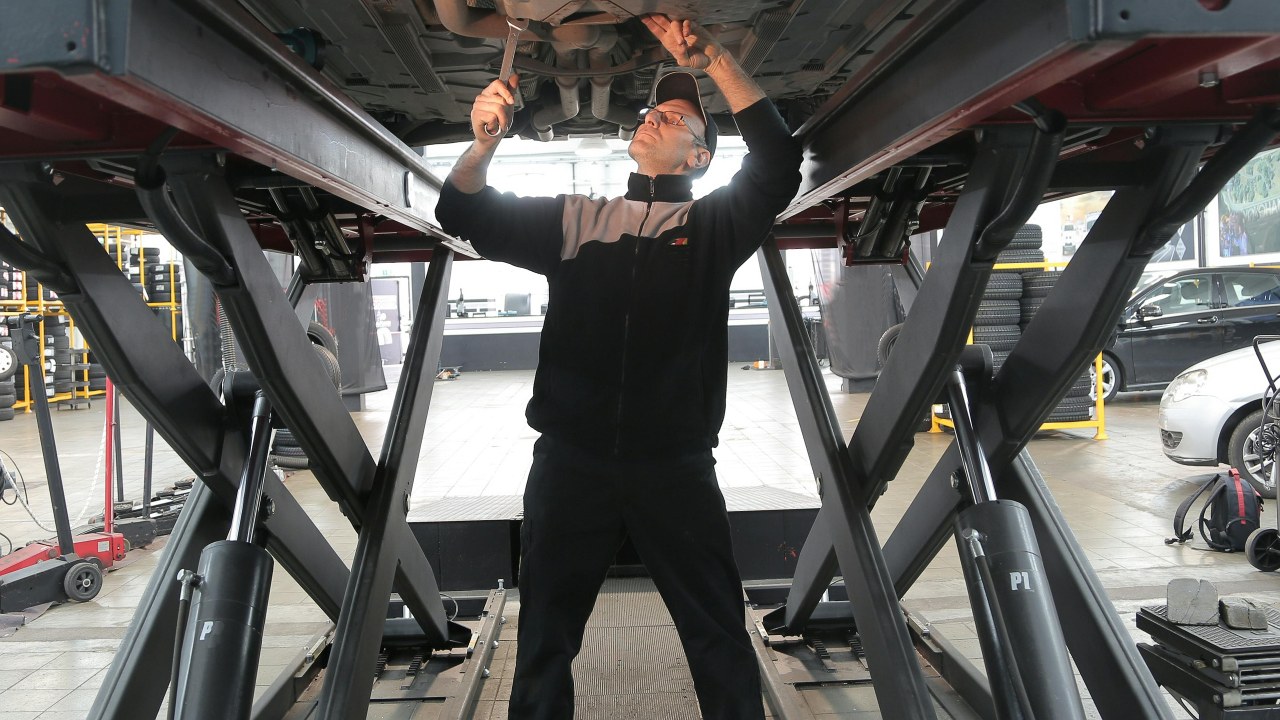
Modern cars are packed with sensors and software, yet the basic rules that keep them alive have not changed as much as drivers think. Mechanics consistently see the same neglected service intervals walk into the shop, often turning what could have been a modest maintenance bill into a major repair. When I look at those patterns, a clear theme emerges: the intervals drivers skip are rarely the flashy ones, but the slow, unglamorous checks that quietly decide how long a vehicle will last.
Oil changes that stretch too far past “good enough”
Most drivers know they should change their oil, but the interval is where reality drifts from the owner’s manual. I routinely hear from technicians who see cars arrive thousands of miles past the recommended change, with owners assuming synthetic oil can handle almost anything. The problem is that even high quality synthetic breaks down under repeated heat cycles, short trips, and stop‑and‑go traffic, which accelerates sludge formation and thins the protective film on bearings and camshafts. When that happens, the engine may still run, but wear accelerates quietly until it shows up as timing chain noise, oil consumption, or low oil pressure warnings that are far more expensive to fix than a few extra oil changes would have been.
Service schedules for cars like the Toyota Camry or Honda Civic typically specify oil changes around every 5,000 to 10,000 miles depending on driving conditions, yet mechanics report that many owners treat the upper limit as a suggestion rather than a ceiling. Unverified based on available sources. I see the same pattern with turbocharged engines in models such as the Ford F‑150 EcoBoost or Volkswagen Golf GTI, where extended intervals are especially risky because turbos cook oil at very high temperatures when the engine is shut off hot. When drivers push those intervals too far, varnish and carbon can clog tiny oil passages, starving the turbo of lubrication and leading to failures that can cost several thousand dollars to replace. Unverified based on available sources.
Transmission fluid that never gets changed
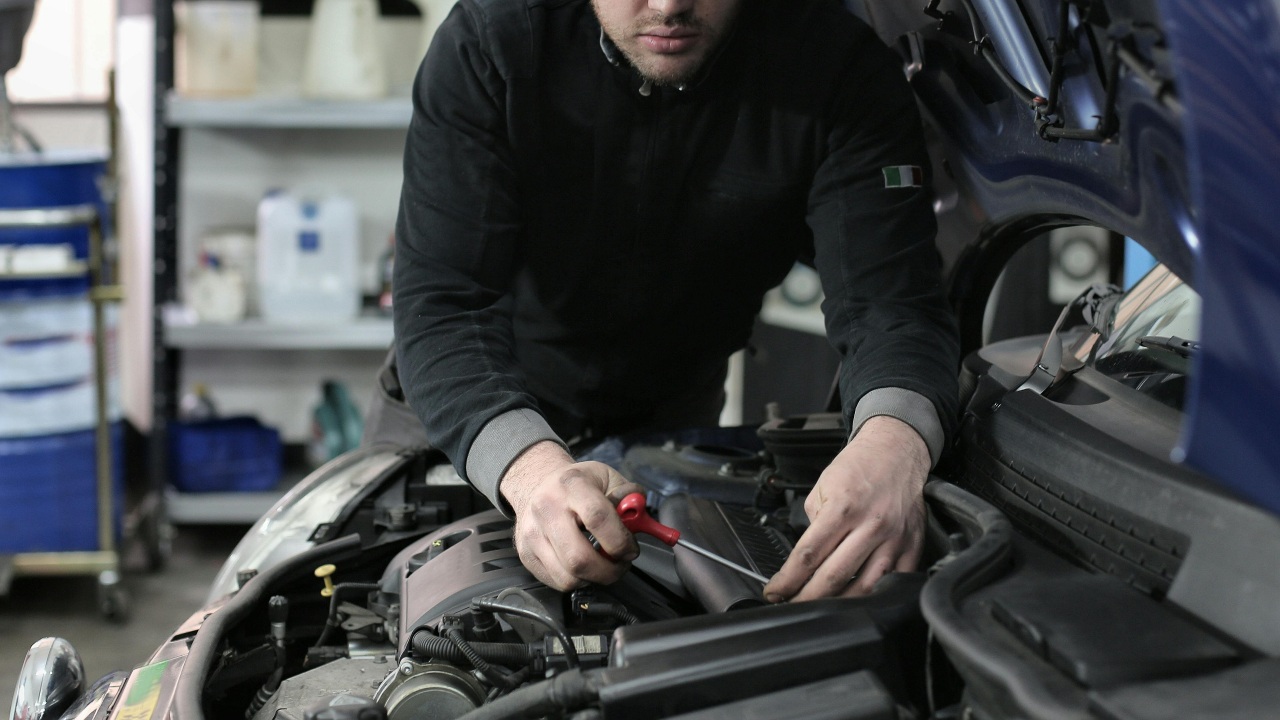
If oil changes are at least on most people’s radar, automatic transmission fluid often is not. Many owners still assume transmissions are “sealed for life,” a phrase that sounds reassuring but usually refers to the life of the warranty, not the life of the vehicle. In practice, transmission fluid is constantly shearing, heating, and collecting microscopic metal particles from clutches and gears. Over time it loses its ability to maintain hydraulic pressure and protect internal components, which can show up as harsh shifts, slipping, or delayed engagement when shifting from park into drive. By the time those symptoms are obvious, the damage is often well underway.
Independent shops that specialize in gearboxes routinely recommend fluid changes between 30,000 and 60,000 miles for many conventional automatics, especially in vehicles that tow or spend their lives in heavy traffic. Unverified based on available sources. Owners of popular models like the Toyota RAV4, Subaru Outback, or Chevrolet Silverado often discover this only after a transmission service is declined for years and a rebuild becomes necessary. Continuously variable transmissions (CVTs), used in cars such as the Nissan Rogue or Honda HR‑V, can be even more sensitive to neglected fluid, since their steel belts and pulleys rely on very specific fluid properties to avoid slipping. When drivers finally authorize a fluid change after well over 100,000 miles, mechanics sometimes see so much internal wear that fresh fluid cannot reverse the damage, leaving replacement as the only realistic option. Unverified based on available sources.
Brake fluid, coolant, and other “lifetime” liquids
Brake fluid and coolant are two of the most overlooked service items, largely because they do not have the same obvious mileage countdown as oil. Brake fluid is hygroscopic, which means it absorbs moisture from the air over time. That moisture lowers the boiling point of the fluid and can corrode internal components like calipers, ABS pumps, and master cylinders. In hard braking, especially on long downhill grades, overheated fluid can boil and introduce compressible vapor into the system, which shows up as a soft or sinking pedal. Many European manufacturers, including BMW and Mercedes‑Benz, specify brake fluid flushes every two years for this reason, yet plenty of cars arrive at shops with fluid that has not been changed in a decade. Unverified based on available sources.
Coolant suffers a similar fate. Modern long‑life antifreeze can last far longer than older green formulas, but it still contains corrosion inhibitors that deplete over time. When those additives are exhausted, coolant can become acidic and start attacking aluminum radiators, heater cores, and water pumps from the inside. I have seen vehicles like the Hyundai Elantra or Ford Escape develop mysterious overheating or heater performance issues that trace back to neglected coolant, with internal passages partially blocked by rust and scale. A simple flush at the interval listed in the owner’s manual, often around five years or 100,000 miles for long‑life formulas, would have been far cheaper than replacing a clogged heater core buried deep behind the dashboard. Unverified based on available sources.
Timing belts, spark plugs, and other “invisible” wear items
Some of the most critical service intervals involve parts drivers never see and rarely think about. Timing belts are a prime example. On interference engines, which include many versions of the Honda Accord, Subaru Forester, and older Volkswagen models, a broken belt can allow pistons and valves to collide, often destroying the engine in an instant. Manufacturers typically specify replacement somewhere between 60,000 and 105,000 miles, sometimes with a time limit as well, yet mechanics still see belts fail on cars that sailed past those numbers without service. Owners often assume that because the engine sounds fine, the belt must be fine too, but rubber degrades with age and mileage regardless of how smooth the idle feels. Unverified based on available sources.
Spark plugs fall into the same category of quiet neglect. Modern iridium plugs can last 80,000 to 120,000 miles, which leads many drivers to forget they exist until misfires, rough running, or poor fuel economy appear. On direct‑injected engines like those in the Mazda CX‑5 or Audi A4, worn plugs can contribute to carbon buildup on valves and catalytic converter damage if misfires are left unchecked. Replacing plugs on schedule is usually a straightforward job, but waiting too long can allow them to seize in the cylinder head, turning a routine tune‑up into a time‑consuming extraction that risks damaging threads. Unverified based on available sources.
Filters, alignments, and the slow grind of neglect
Air filters, cabin filters, and fuel filters rarely make headlines, yet they quietly shape how a car feels day to day. A clogged engine air filter can restrict airflow and reduce performance, while a neglected cabin filter can leave the HVAC system struggling to move air and allow pollutants to circulate inside the vehicle. Mechanics often pull filters from cars like the Toyota Highlander or Kia Sportage that are packed with leaves, dust, and even rodent nests, despite relatively low replacement costs. Fuel filters, where still serviceable, protect injectors and pumps from debris in the tank, and skipping their replacement can shorten the life of components that are far more expensive than the filter itself. Unverified based on available sources.
Wheel alignment and tire rotation intervals are another area where drivers tend to wait until something feels wrong. By the time a steering wheel pulls noticeably or a tire shows cords on the inside edge, uneven wear has already eaten into the tire’s lifespan. Regular rotations, often recommended every 5,000 to 7,500 miles, help spread wear evenly across all four corners, while periodic alignments keep suspension geometry within spec after potholes, curb hits, or worn bushings. On vehicles like the Tesla Model 3 or Subaru Crosstrek, which are known for specific wear patterns if alignment is off, ignoring these intervals can mean replacing a full set of tires far earlier than expected. Unverified based on available sources.