Modern cars are engineered to survive far longer than the old 100,000‑mile benchmark, but only if their owners treat maintenance as a long game instead of a series of emergencies. I see the difference every day between vehicles that limp into the shop at 120,000 miles and those that feel tight and predictable well past 200,000. The gap is rarely about luck or brand loyalty, and almost always about habits that quietly protect engines, transmissions, and suspensions over years of use.
Stretching a vehicle’s life starts with understanding that every skipped fluid change or ignored warning light compounds into expensive wear. When I look at cars that age gracefully, the pattern is consistent: owners follow a realistic service schedule, use quality parts and fluids, and fix small problems before they cascade into major failures. The good news is that these are learnable routines, not secrets reserved for enthusiasts.
Build a realistic maintenance schedule and actually follow it
The foundation of any high‑mileage car is a maintenance schedule that matches how the vehicle is driven, not just what is printed in the glovebox booklet. I start by treating the manufacturer’s service intervals as a baseline, then adjust for stop‑and‑go commuting, frequent short trips, or heavy loads, all of which qualify as “severe service” in most owner’s manuals. That usually means more frequent oil changes, earlier transmission fluid service, and closer attention to cooling systems, which are all critical if you expect a powertrain to stay healthy past 200,000 miles, as detailed in guidance on long‑term reliability.
To keep that plan from slipping, I rely on tools that make maintenance hard to forget. Many newer vehicles log service intervals in their infotainment systems, but I still back that up with a dedicated app such as Simply Auto or Drivvo, which track mileage, fuel, and upcoming work across multiple cars. When owners log every oil change, tire rotation, and brake job, they can spot patterns like premature pad wear or rising fuel consumption, both of which are early signs that something is off mechanically according to federal maintenance guidance. That record also becomes valuable proof of care if the car is ever sold or a warranty claim is needed.
Protect the engine and transmission with the right fluids
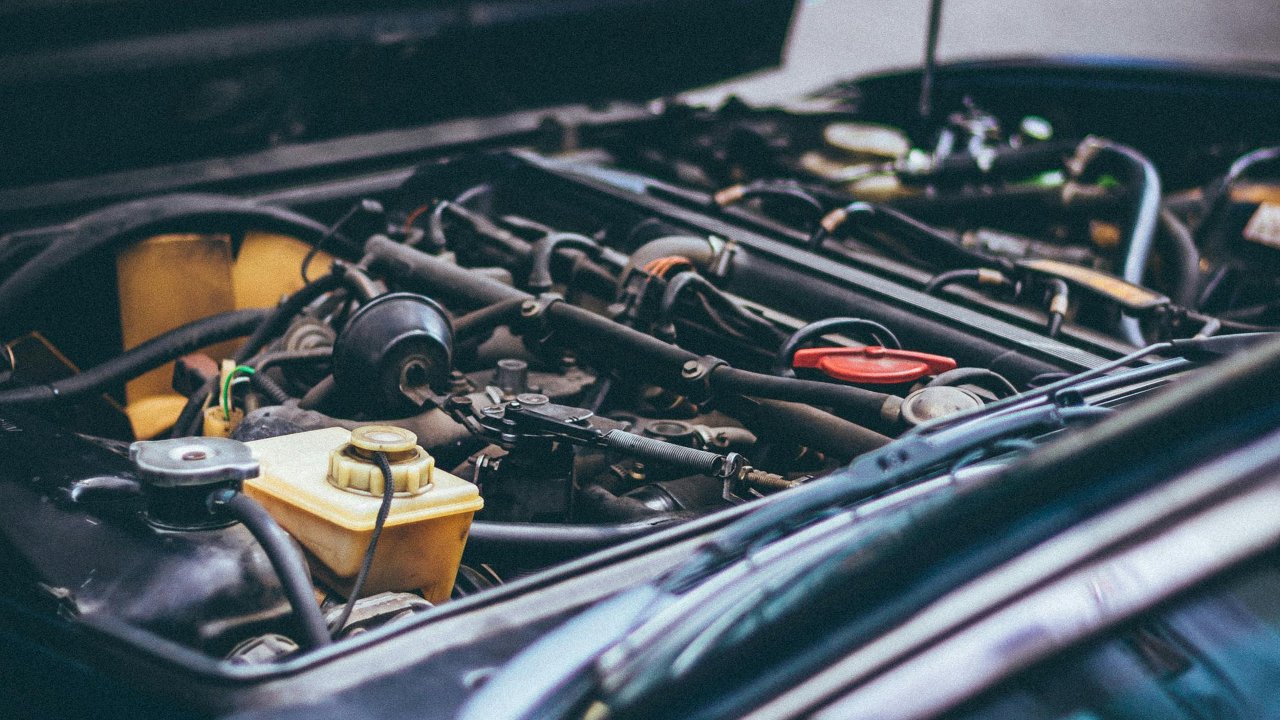
Engines and transmissions almost always fail from neglect long before they wear out in a normal way, which is why I treat fluid choice and timing as non‑negotiable. Modern engines rely on specific oil viscosities and additive packages to keep variable valve timing systems, turbochargers, and direct‑injection components clean and lubricated. Using the correct specification and changing it on time is especially important for small turbocharged engines, which run hotter and place more stress on oil, a point underscored in technical notes on engine oil standards. When owners push oil far beyond its intended life, sludge builds up, rings stick, and timing components wear, all of which shorten an engine’s useful life.
Automatic transmissions are just as sensitive, even though many are marketed as “filled for life.” In practice, I have seen fluid that is supposed to last 150,000 miles turn dark and lose its protective properties much earlier, especially in vehicles that tow or spend their days in city traffic. Independent testing on transmission fluid life shows that periodic drain‑and‑fill service can significantly reduce the risk of internal wear and overheating, particularly in continuously variable transmissions and dual‑clutch units. Matching the exact fluid type, including manufacturer‑specific formulations, is essential, since the wrong product can cause shuddering, harsh shifts, or outright failure.
Stay ahead of wear items before they damage bigger systems
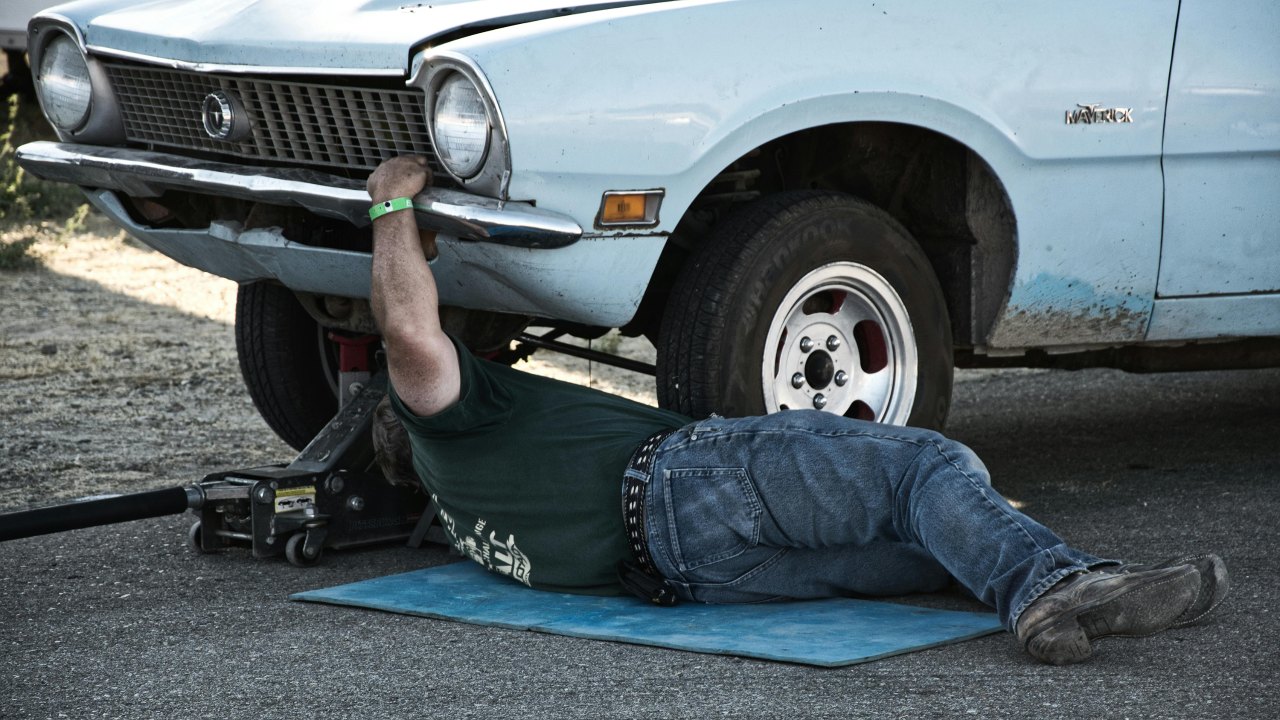
Cars that make it to 200,000 miles without drama tend to have owners who treat wear items as preventive maintenance, not emergencies. I look at brake pads, rotors, tires, and suspension bushings as sacrificial parts that protect more expensive components. Letting pads grind down to metal, for example, can overheat calipers and warp rotors, while driving on cupped or unevenly worn tires can stress wheel bearings and steering racks. Detailed inspections recommended in safety checklists show how catching these issues early keeps stopping distances short and steering precise, which matters as much for safety as for longevity.
Suspension and steering components deserve the same proactive mindset. Rubber bushings, ball joints, and tie‑rod ends gradually loosen and crack, especially in regions with rough roads or winter salt. If I wait until a car feels sloppy or starts clunking, the damage may already include uneven tire wear and extra strain on struts or control arms. Guidance on routine chassis inspections recommends checking these parts at least once a year or every 12,000 miles, and replacing them in pairs when possible so handling stays balanced. That approach keeps the car tracking straight and reduces the chance of sudden failures that can take other components with them.
Use data and diagnostics instead of ignoring warning signs
Modern vehicles generate a constant stream of data, and I treat that information as an early warning system rather than background noise. When a check‑engine light appears, even if the car still feels normal, I connect an OBD‑II scanner or a Bluetooth dongle paired with an app like Torque Pro or BlueDriver. Pulling the diagnostic trouble codes lets me distinguish between a loose gas cap and a misfire that could damage a catalytic converter, which is a four‑figure repair on many late‑model vehicles. Federal emissions documentation on OBD‑II systems confirms that these alerts are designed to catch problems before they escalate, not after a breakdown.
Beyond warning lights, I pay attention to subtle changes in how the car behaves. A slight vibration at highway speeds, a new whine from the differential, or a faint coolant smell after parking can all be early clues. Technical bulletins and owner reports compiled in complaint databases often show that these small symptoms precede more serious failures like wheel bearing collapse or head gasket leaks. By acting on those hints quickly, I can schedule repairs on my terms, avoid roadside breakdowns, and prevent collateral damage that would otherwise shorten the vehicle’s lifespan.
Drive like you plan to keep the car for a decade
Even the best maintenance schedule cannot overcome consistently abusive driving, which is why I think of my driving style as part of the service plan. Hard launches, abrupt stops, and constant high‑speed runs all generate heat and stress that wear out engines, transmissions, and brakes faster than mileage alone would suggest. Research on driving habits shows that smoother acceleration and anticipating traffic not only improve fuel economy by up to 33 percent on the highway, but also reduce the thermal cycling that ages fluids and components. Over 200,000 miles, that gentler approach can mean fewer brake jobs, less transmission wear, and a quieter cabin.
Short trips are another silent killer of longevity, especially in cold climates. When an engine rarely reaches full operating temperature, moisture and fuel residues build up in the oil and exhaust system, which accelerates corrosion and sludge formation. Guidance on cold‑weather operation recommends combining errands into longer drives when possible and avoiding extended idling, which wastes fuel without fully warming the drivetrain. I also avoid towing at the upper limit of a vehicle’s rating for long periods, since that kind of load can push cooling systems and transmissions to their limits even if the spec sheet says it is allowed.
Choose quality parts and keep records like an accountant
When replacement parts are needed, I treat quality as an investment in the next 100,000 miles rather than a place to shave a few dollars. Cheap filters, off‑brand ignition components, and bargain brake kits often fail early or perform inconsistently, which can undo the benefits of careful maintenance. Independent testing referenced in repair comparisons shows that reputable aftermarket or original‑equipment parts tend to fit better and last longer, especially for critical systems like fuel injection and braking. I also pay attention to updated part numbers, since manufacturers often revise designs to address known weaknesses.
Finally, I document everything. Keeping a folder or digital archive of invoices, parts numbers, and mileage at service not only helps me track costs, it also creates a maintenance history that any mechanic can quickly understand. Detailed records are strongly recommended in official maintenance tips, both for safety recalls and for resale value. When a car with 210,000 miles comes with a clear paper trail of regular fluid changes, timely repairs, and quality parts, it is far more likely to feel solid on the road, and far more likely to keep going for years beyond the odometer milestone.