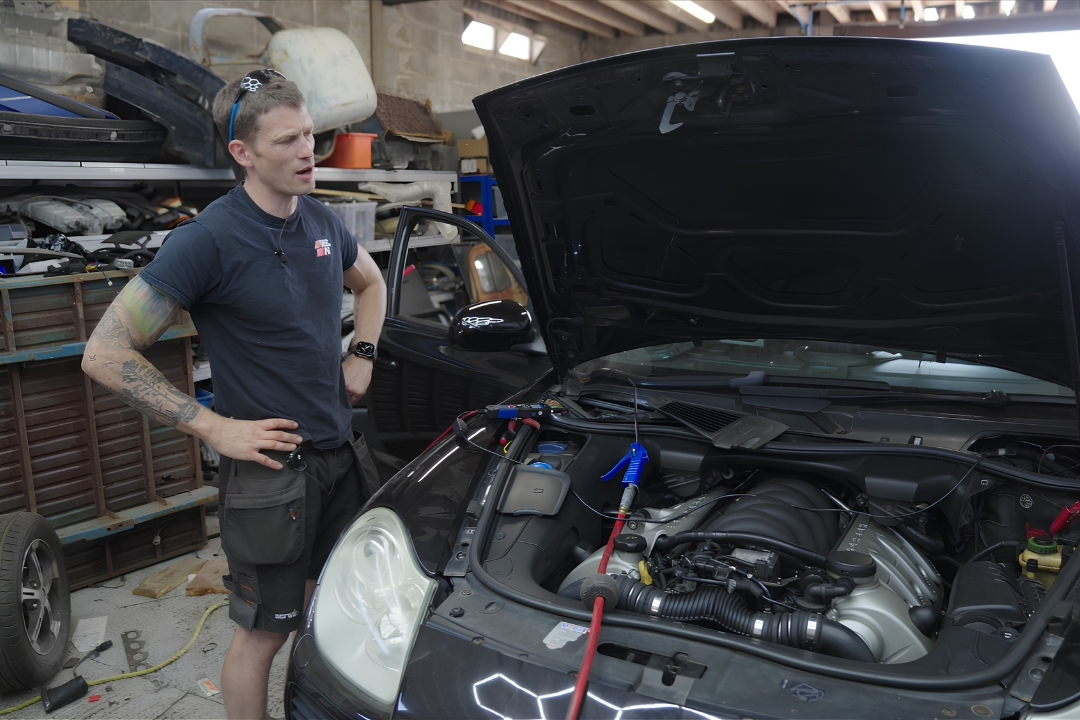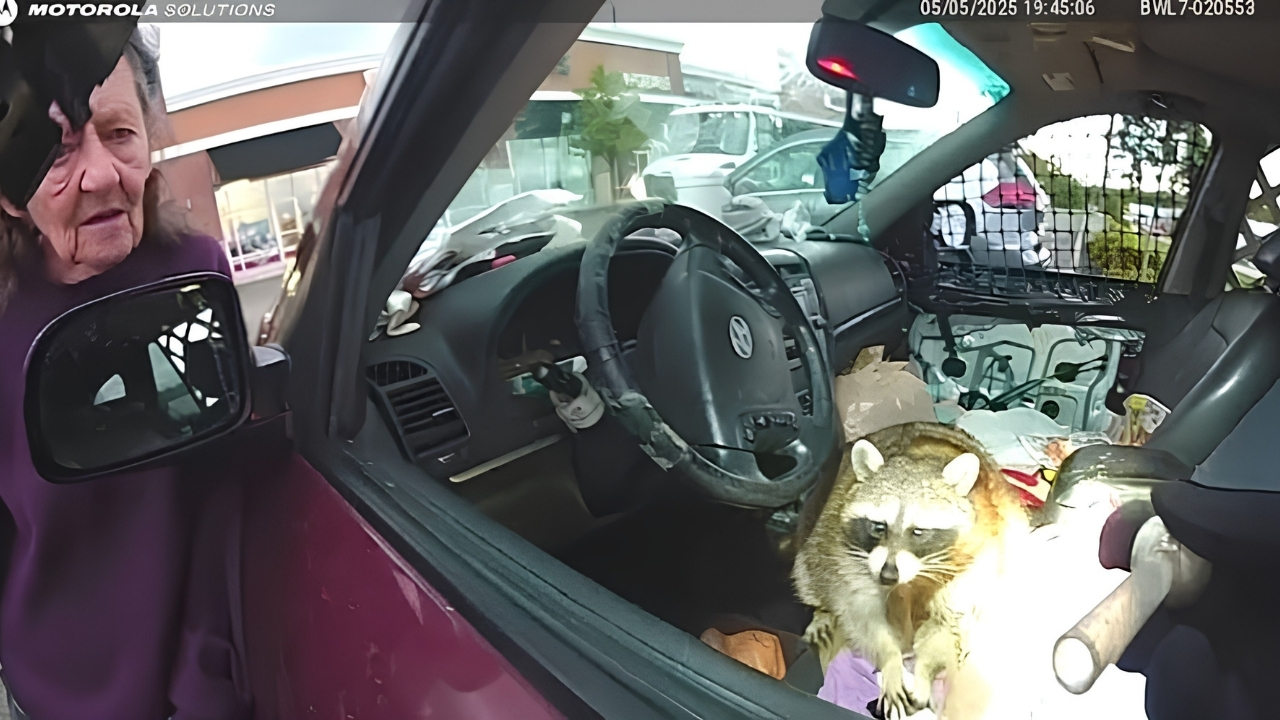
It started like so many modern car headaches do: a few odd electrical gremlins, a quick stop at a shop, and a confident “new battery should fix it.” For about a day, everything felt normal. Then the dash lights began flickering again, the radio rebooted like it was having an existential crisis, and the longer the drive went on, the weirder it got.
By the time the trip hit a few miles, the symptoms weren’t just annoying—they were escalating. Power steering warnings popped up, the headlights dimmed at idle, and the car seemed to be rationing electricity like it was running on a tiny emergency generator. The frustrating part? The battery was brand new, and the issues were supposed to be over.
A Simple Fix That Somehow Made Things Louder
Battery replacements are usually the “easy win” of car repairs. A tired battery causes slow starts, random warning lights, and electronics that act like they’re haunted. Swapping it out typically brings everything back to life, which is why this story feels so backwards.
What tends to throw people is the timing: the shop touches the battery, and suddenly the car’s acting worse. That doesn’t automatically mean the shop did something careless, but it does mean the battery probably wasn’t the whole story. Sometimes it was never the story at all—just the most obvious thing to change first.
Why Problems Can “Get Worse by the Mile”
When electrical issues ramp up as you drive, it often points away from the battery and toward the charging system. The alternator’s job is to power the car while it’s running and keep the battery topped up. If the alternator is weak, overheating, or its voltage regulator is failing, the car can start a trip looking fine and end it acting like it’s running out of oxygen.
Heat is a big part of the “by the mile” pattern. Under-hood temperatures climb as you drive, and marginal components can fail once they warm up. A failing alternator diode, a tired voltage regulator, or a corroded connection can behave acceptably cold, then fall apart once everything’s hot and vibrating.
The Usual Suspects: Alternator, Grounds, and Bad Connections
The alternator is the headline suspect for a reason. If it’s undercharging, the car starts pulling from the battery while you drive, and the voltage slowly drops until modules misbehave. If it’s overcharging, voltage spikes can trigger warning lights, cause strange resets, and sometimes fry sensitive electronics over time.
Next up: grounds and connections, the unglamorous villains of automotive life. A battery can be perfect, but if the ground strap is loose, corroded, or cracked internally, the car’s electrical system becomes unpredictable. And unpredictability is exactly how you get random warnings, intermittent power loss, and issues that change with bumps, turns, and time.
Battery terminals deserve their own mention, because they’re deceptively simple. If a terminal isn’t seated fully, isn’t tightened properly, or has corrosion hiding between the clamp and the post, you can get voltage drop under load. Everything might look fine parked in the driveway, then fall apart once the car hits real-world vibration and electrical demand.
When a New Battery Exposes an Older Problem
Here’s the twist people don’t expect: a fresh battery can make underlying issues more obvious. A weak alternator might’ve been limping along while the old battery buffered the system, soaking up irregular charging and smoothing things out. Replace the battery, and suddenly the car loses that worn-out “shock absorber,” so the charging problem shows itself more dramatically.
In some vehicles, a battery replacement also resets learned values, triggers module rechecks, or changes how power management behaves. That’s not inherently bad, but it can shift when symptoms appear. It’s like rebooting a glitchy computer—sometimes it helps, and sometimes it reveals what’s been broken all along.
Modern Cars Are Basically Rolling Networks
Older cars could tolerate a lot of electrical nonsense and still run. Newer vehicles are packed with computers that expect stable voltage and clean signals. If voltage dips too low, modules may start shutting off nonessential systems to protect themselves, which can look like a cascade of unrelated failures.
This is why drivers report bizarre combos: the infotainment restarts, the traction control light comes on, the gauges twitch, and then a “charging system” message appears like an afterthought. It’s not that everything broke at once—it’s that the car’s network is reacting to unstable power. The message you see first isn’t always the root cause; it’s just the first system to complain.
What a Shop Should Check Next (And What You Can Ask For)
The fastest sanity check is a proper charging system test, not just a battery test. That means measuring voltage at the battery with the engine running, checking output under load (headlights, blower motor, rear defrost), and confirming the alternator can keep up. Many shops can also test alternator ripple, which helps catch failing diodes that create “dirty” power and weird electronic behavior.
It’s also worth asking for a voltage drop test on the main cables: battery positive to starter, battery negative to engine block, and engine block to chassis ground. This is how you find hidden resistance from corrosion, broken strands inside a cable, or a ground strap that looks fine until it’s asked to carry real current. A visual inspection alone can miss this, because corrosion loves to hide where you can’t see it.
If the vehicle supports it, battery registration or a battery management system reset may be needed. Some cars expect the battery type and capacity to be programmed so charging strategy matches the new battery. If that step is skipped, the car might undercharge, overcharge, or behave inconsistently—especially on vehicles designed to aggressively manage alternator load for fuel economy.
Red Flags That Mean “Don’t Keep Driving It Like This”
If the headlights pulse, the dash lights flicker, or you smell anything like hot plastic, it’s time to take the hint. Electrical instability can strand you, but it can also damage modules that cost way more than a battery or alternator. A car that’s dropping voltage while driving can shut off unexpectedly, and that’s not the kind of surprise anyone wants at an intersection.
Another red flag is a battery warning light or “charging system” alert that comes and goes. That’s often the system detecting voltage out of range, then temporarily recovering. It’s basically the car saying, “I’m trying my best,” which is sweet, but not reassuring.
Why This Happens So Often (And Why It’s Not Always Anyone’s Fault)
Battery replacement is a common first move because batteries fail all the time, and the symptoms overlap with other issues. If a car comes in with slow cranking and warning lights, a weak battery is a reasonable suspect. The problem is that “reasonable suspect” isn’t the same thing as “only culprit,” and intermittent charging faults can masquerade as battery problems for weeks.
Sometimes the battery really was bad—and something else is also bad. Two issues can coexist, and the new battery simply removes one layer of chaos, making the other easier to see. It’s not a satisfying answer, but it’s a real one, like fixing a leaky roof and then discovering the window frame’s been rotting for years.
What to Say When You Go Back
Walking in with the right description helps. Mention that the issue gets worse with driving time or distance, and list the specific symptoms in the order they appear. If you can note whether it happens with accessories on (AC, headlights) or during certain conditions (rain, bumps, highway speed), that can steer diagnosis toward charging output, connections, or moisture-related corrosion.
And if you want to keep it friendly but firm, ask for charging voltage readings and any stored fault codes related to system voltage. Numbers tell the story: a healthy system is typically around 13.5–14.7 volts while running, depending on the vehicle and conditions. If it’s dipping into the 12s while driving or spiking high, that’s not “new battery” territory anymore—it’s the electrical system asking for a real investigation.
More from Fast Lane Only
- Unboxing the WWII Jeep in a Crate
- 15 rare Chevys collectors are quietly buying
- 10 underrated V8s still worth hunting down
- Police notice this before you even roll window down
*Research for this article included AI assistance, with all final content reviewed by human editors.