A single-cylinder motorcycle is about as simple as an engine gets, yet some of the most interesting bikes of the last 70 years used just one big piston. Racers loved them because they were light. Riders loved them because you could fix one at the side of the road. And makers from Munich to Barcelona built them in surprising variety.
The trouble is that the good ones keep getting harder to track down. Many were raced, crashed, cannibalized for parts or simply worn out, because nobody thought a humble thumper was worth saving. Others sold in small numbers when new, so there were never many to begin with.
These are our picks for the singles that are getting scarce, from a German touring bike to a Spanish 100-mph sportster. The verdict on how hard they are to find is our opinion. However, the years, specs and numbers come from maker records, auction catalogs and period histories.
1. 1969 Ducati 450 Mark 3 Desmo
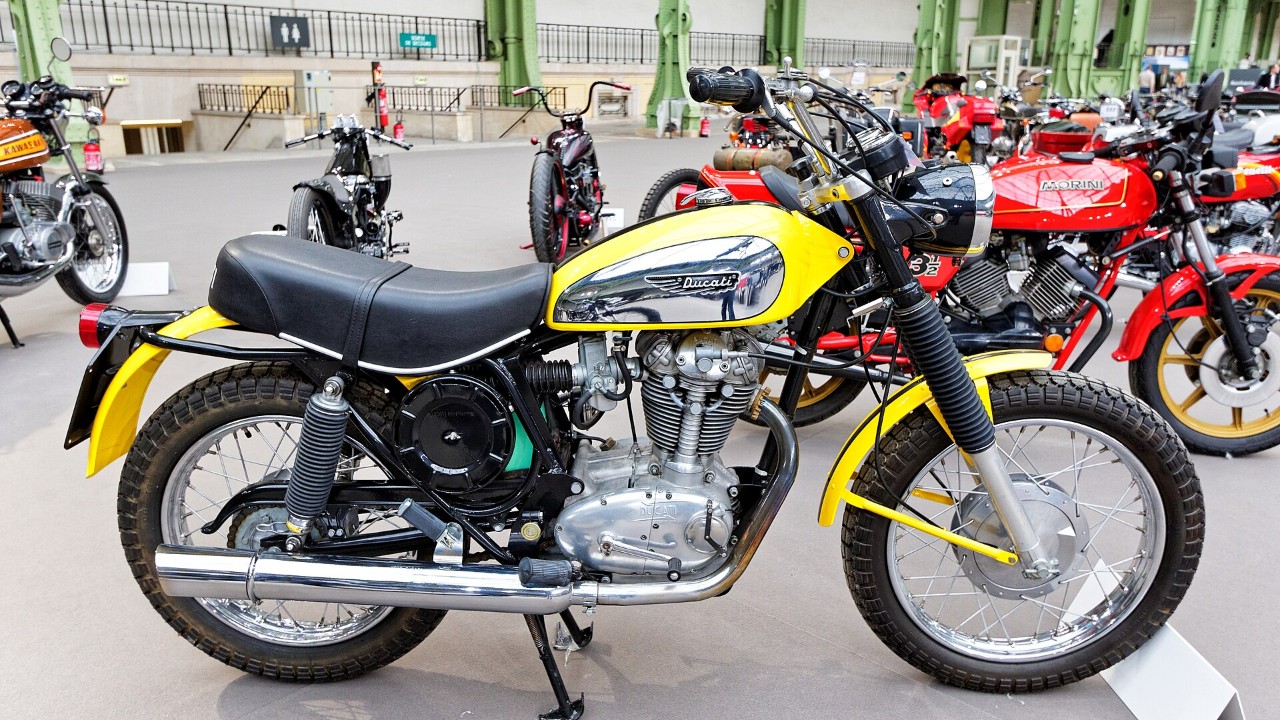
Ducati’s 450 single grew out of the so-called wide-case engine of 1968. That engine was designed to stretch from 340cc, and 436cc was as far as it could go without a full redesign. With an 86 mm bore and a 75 mm stroke, it was the biggest of Ducati’s overhead-cam street singles. Meanwhile, the Mark 3D version used desmodromic valve gear and made about 31 bhp, against 27 bhp for the standard bike.
Desmo valves were the idea of engineer Fabio Taglioni, who joined Ducati in 1954. As Bikebound’s history of the 450 Desmo explains, the system opened and closed the valves positively instead of relying on springs. That let Ducati build short-stroke engines that could rev hard for long periods, which suited racing perfectly.
So why are they scarce? Ducati built only about 1,400 Mark 3Ds. Also, a price dispute between the factory and its importers, Berliner in the US and Vic Camp in Britain, meant few 450s reached either market in 1970 and 1971. In our view, a correct, original desmo 450 is one of the hardest Italian singles to find today.
2. 1960 BMW R27, a rubber-mounted single-cylinder motorcycle
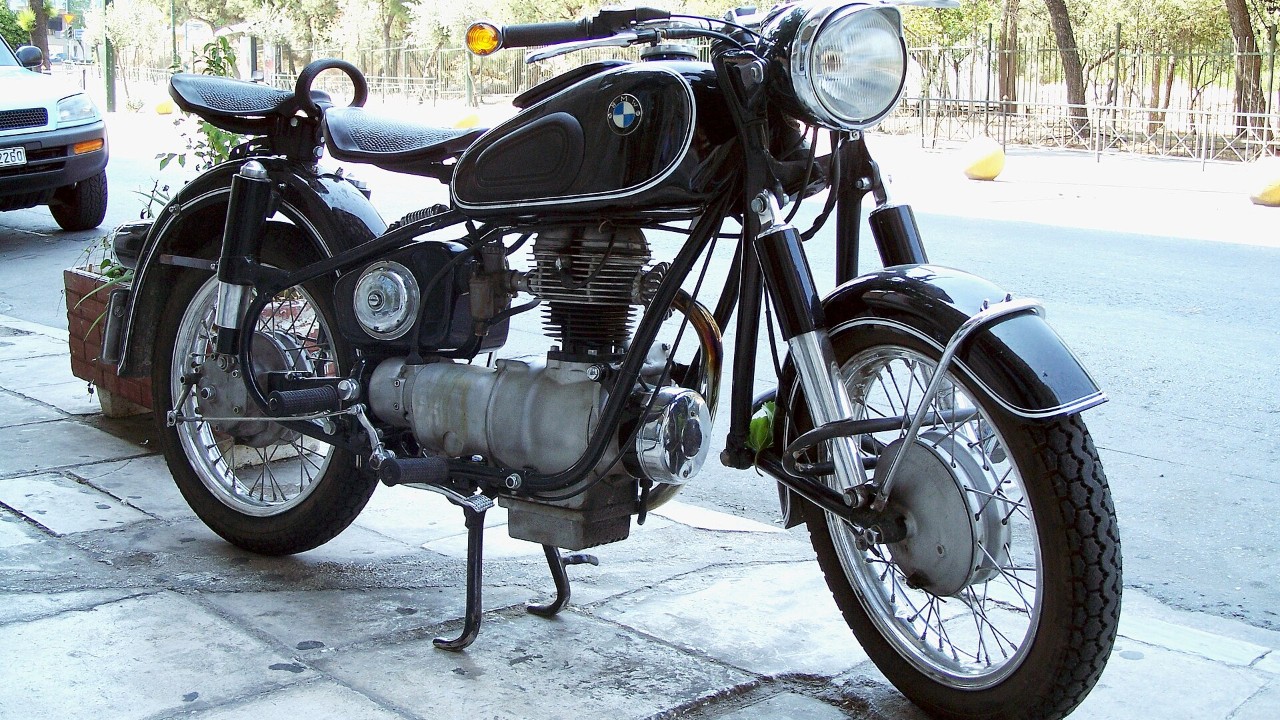
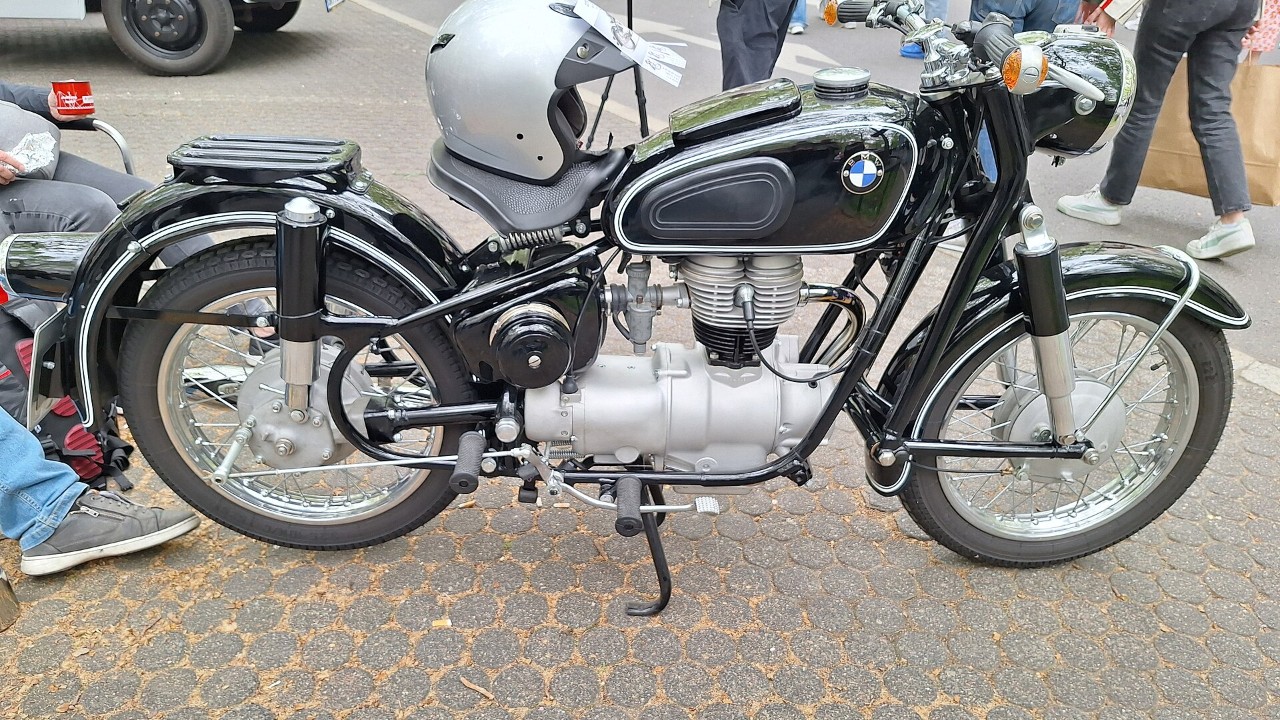
BMW is famous for flat twins, but it built single-cylinder bikes for decades. The R27 was the last of them for a long time. According to BMW Group Classic, it arrived in 1960 with a 247cc engine making 18 hp at 7,400 rpm. It cost 2,430 Deutschmarks and could reach 130 km/h, about 80 mph.
The clever part was the engine mounting. BMW held the motor in the frame on four rubber mounts, a “floating engine” that ran more smoothly than earlier singles. In addition, it kept shaft drive and an Earles front fork, so it rode like a scaled-down version of the bigger twins.
BMW built 15,364 R27s before production ended in 1966. Then the company walked away from singles entirely, and no new BMW single appeared until 1993. That’s a decent number on paper. Yet many R27s became sidecar haulers and daily commuters, so tidy, original survivors are getting scarce. Our take: if you find a complete one, don’t let it go.
3. 1982 Honda FT500 Ascot
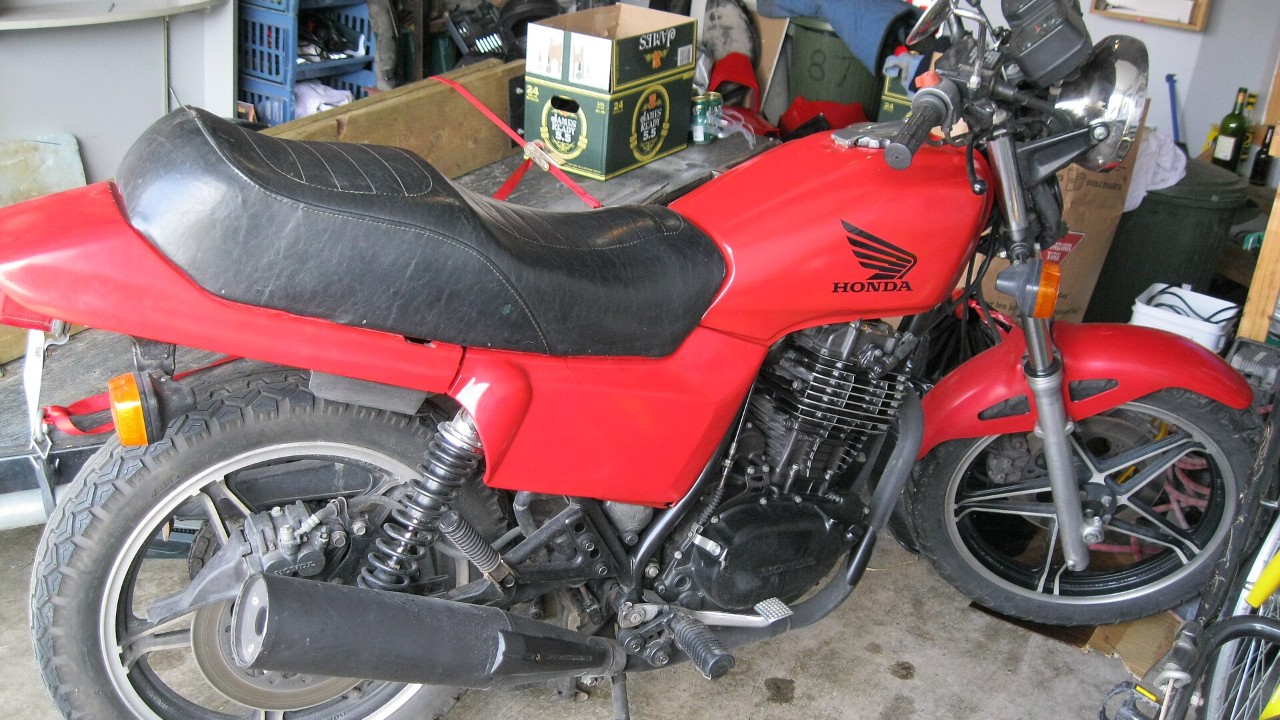
Honda named the FT500 Ascot after a famous California flat-track circuit, and “FT” stood for flat track. As a result, the styling borrowed from the dirt-oval racers of the early 1980s. Under the tank sat a 498cc single with an overhead cam, four valves and a balance shaft, derived from Honda’s 500cc dirt-bike engine.
Silodrome’s profile of the Ascot calls it a sales flop, even though it was more advanced than its obvious rival, Yamaha’s SR500. Honda gave it an electric starter and no kick-starter at all, which was unusual for a big single then. Even so, buyers shrugged. The single-cylinder FT500 lasted only from 1982 to 1983, and Honda then moved the Ascot name to a V-twin.
Two short model years and slow sales add up to a thin supply today. Many surviving Ascots also went to builders who turned them into café racers and trackers, so stock examples get rarer every year. In our view, a clean original Ascot is a smart buy for anyone who likes a forgotten Honda. For more bikes that slipped off the radar, see our list of vintage motorcycles you forgot existed.
4. 1971 BSA B50T Victor Trail
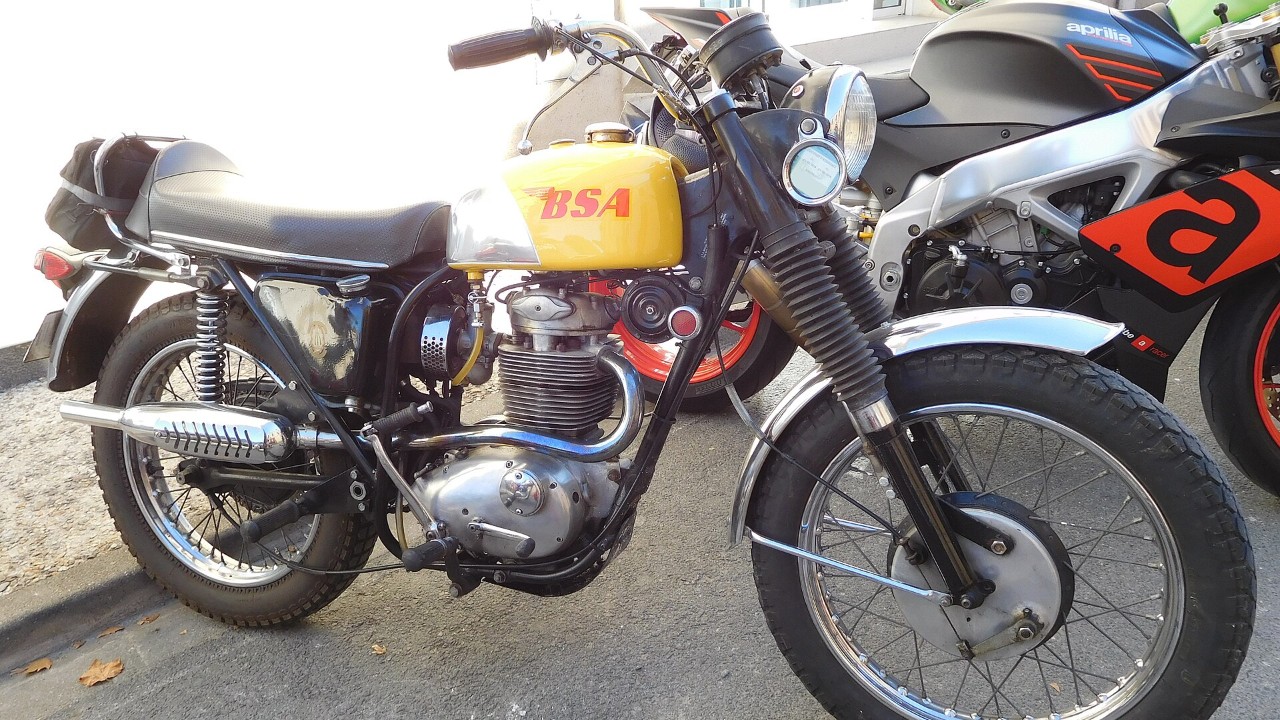
The B50 was one of the last big four-stroke singles from Birmingham Small Arms. It used a 499cc overhead-valve engine making 34 hp, and it carried its oil inside the frame tubes. BSA built it from 1971 to 1973 in three flavors: the B50SS street scrambler, the B50MX competition bike and the B50T trail model.
The B50T aimed straight at America, where trail riding was booming. According to Bike-urious, BSA’s own advertising called it the world’s first 500cc trail bike. It also calls the B50 the last large unit-construction single from the company. Then BSA collapsed. Alan Clews bought the leftover B50 parts and used them to found CCM, which built motocross bikes.
BSA made only about 5,700 B50s of all types, and the trail version saw hard use in the woods. For that reason, a complete B50T with its original trail parts is a rare sight now. Our take: the B50T closes the book on the big British single-cylinder motorcycle, and it deserves more attention. If you like British engineering that tried something new, read our list of British motorcycles that were years ahead of their time.
5. 1962 AJS 7R
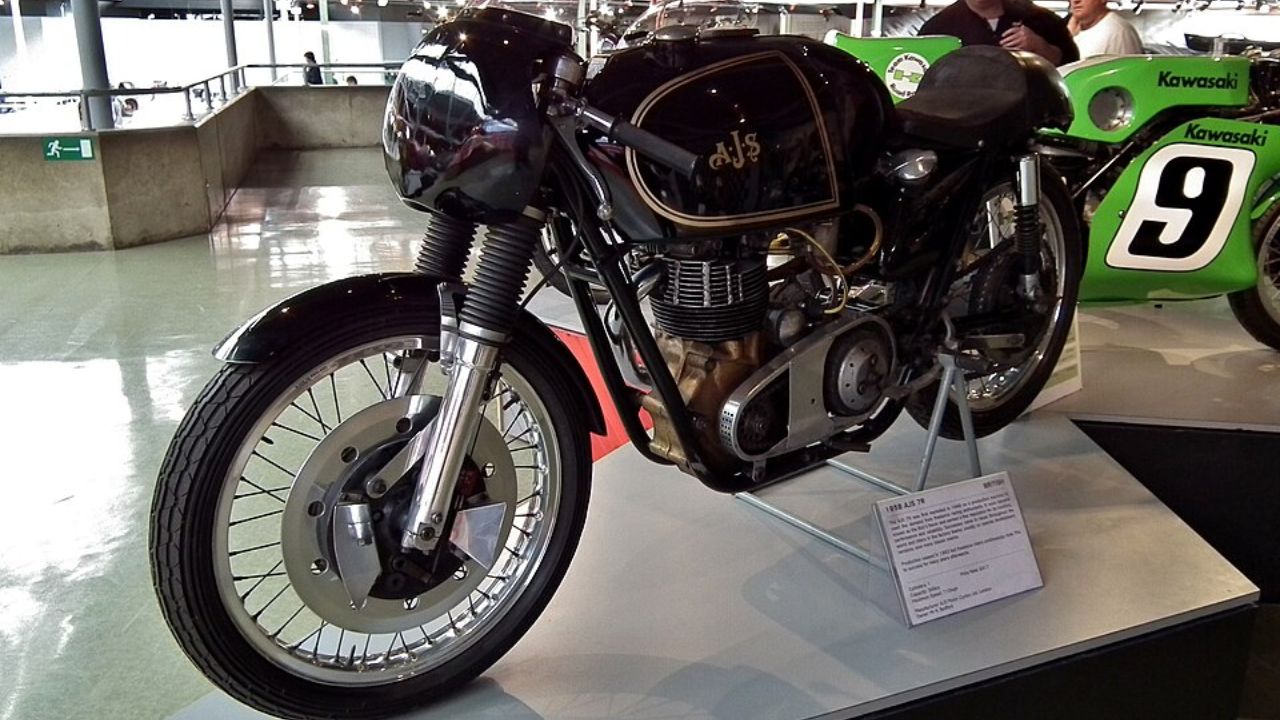
The AJS 7R was a 350cc racing single that riders nicknamed the “Boy Racer.” It used a chain-driven overhead camshaft, and AJS built it for privateer racers from 1948 to 1963. Early engines made about 32 bhp. By the end of production, the two-valve engine made more than 40 bhp in a bike weighing about 285 pounds dry.
It won from the start. In 1954, the 7R took the first two rounds of the world championship and the Isle of Man TT. Later, 7Rs won the Junior race at the Manx Grand Prix in 1961, 1962 and 1963. Meanwhile, AMC sold a 500cc version of the same design as the Matchless G50.
Race bikes rarely live easy lives, though, and most 7Rs were rebuilt, modified and raced into the ground. That’s why a good one draws real money. RM Sotheby’s sold a 1959 7R for $39,200 at its Las Vegas motorcycle sale. In our opinion, an AJS 7R with a known racing history is one of the most desirable British singles you could chase.
6. 1968 Bultaco Metralla Mk2
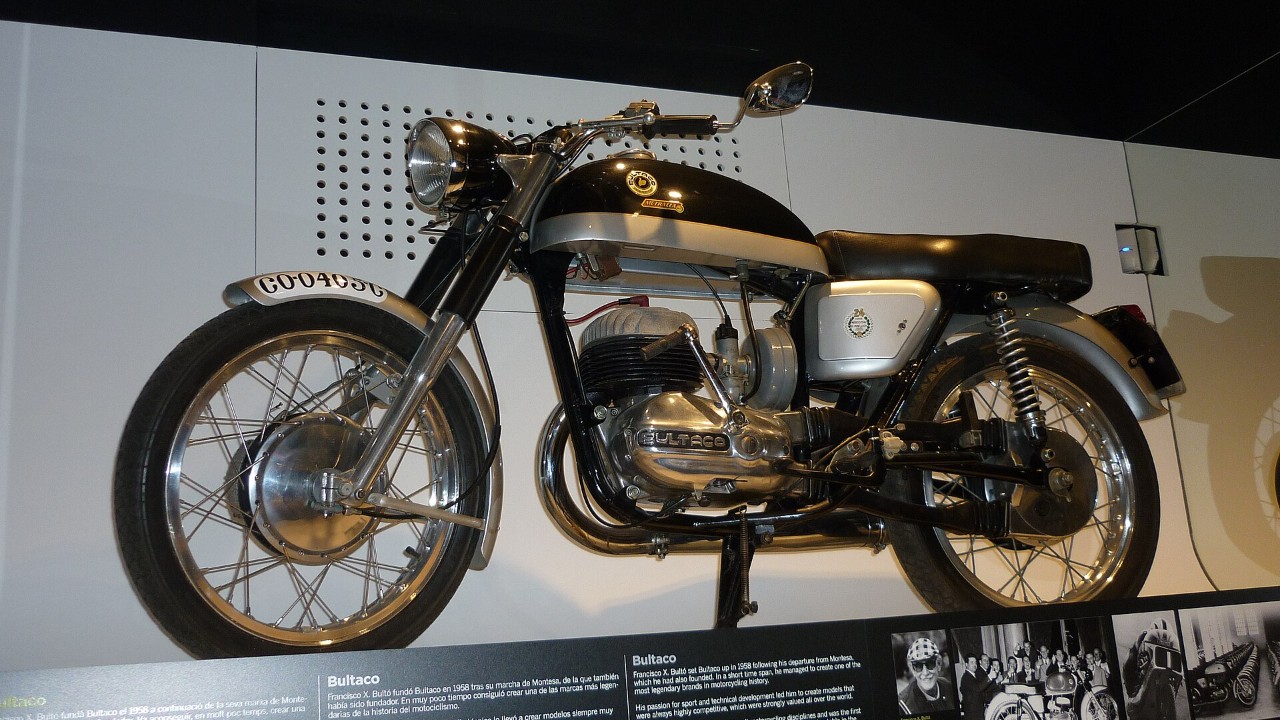
Bultaco was founded in 1958 by Francisco Xavier “Paco” Bultó, and the name blends his surname and nickname. The Metralla Mk2, built from 1966, became its best-known road bike. It used a 244cc two-stroke single making about 27.6 hp at 7,500 rpm with a five-speed gearbox. According to Old Bike Australasia, it was good for a genuine 100 mph.
That’s fast for a 250 of the 1960s, and it proved the point on the track. Bill Smith won the 1967 Production 250 TT on a factory-entered Metralla, averaging 88.63 mph. Australian riders also took the 250 Production race at Bathurst in 1967 and 1969 on Metrallas.
Production stayed small. Old Bike Australasia puts the total at only 5,508 Mk2 Metrallas from 1966 to 1974. Many were raced, and many more rotted away once two-strokes fell out of favor. In our view, a sorted Metralla is one of the most exciting small bikes you can own. If you’re curious about other machines that collectors tuck away, see our list of vintage motorcycles collectors are hoarding.
7. 1990 Suzuki DR800S Big
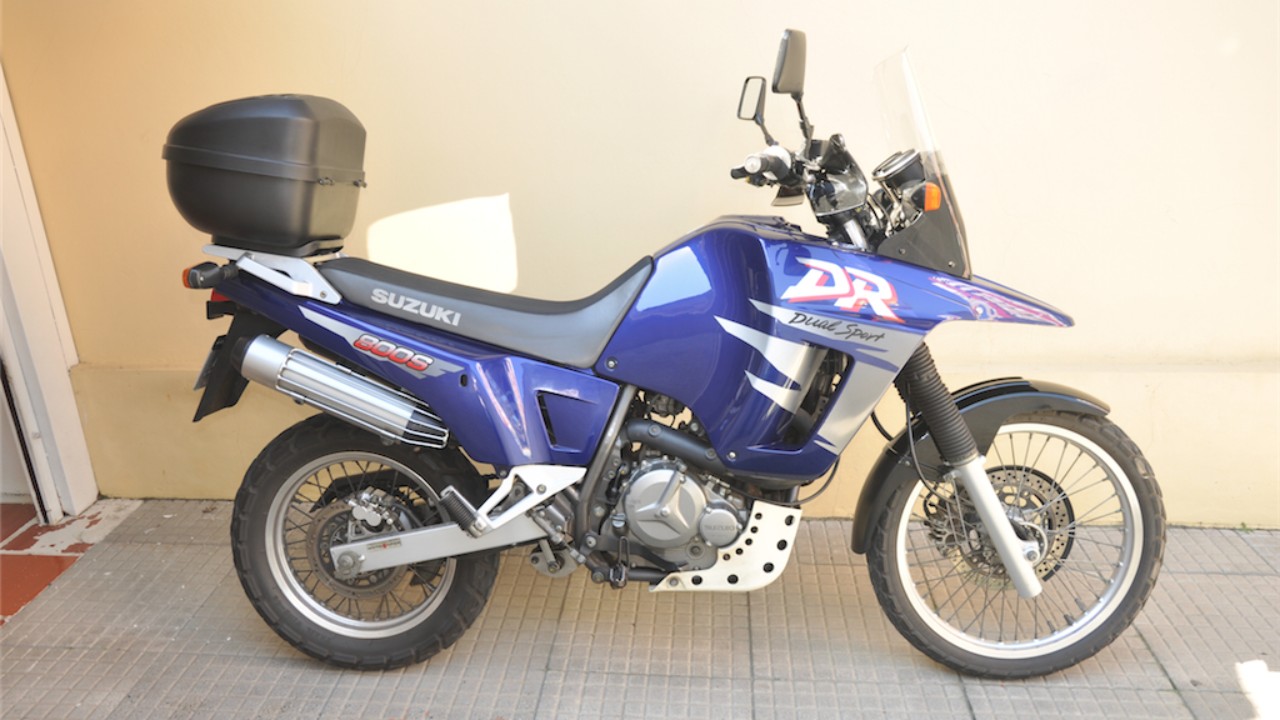
Suzuki’s DR Big started as the 1988 DR750S, with a pointed beak borrowed from Gaston Rahier’s Dakar racer. In 1990, it grew into the DR800S. Its 779cc four-valve engine used twin carburetors, twin spark plugs and Suzuki’s oil-cooling system. Motorcycle News calls it the largest-capacity single ever made for a production bike.
The numbers are modest by today’s standards, with 54 bhp and 44 lb-ft of torque. Still, it’s a tall, heavy bike with real character, and owners rate it highly for simplicity. On the other hand, MCN warns that parts are getting harder to find. It also notes that the DR800 isn’t part of Suzuki GB’s vintage parts program.
That’s what makes it a single-cylinder motorcycle to grab soon. Clean DRs that never went off-road are thinning out, and the supply of spares won’t grow. Our take: buy the best one you can find and stock up on wear parts. Suzuki got that record 779cc from a 105 mm bore and a 90 mm stroke, and it kept the DR800S on sale through most of the 1990s.
More from Fast Lane Only