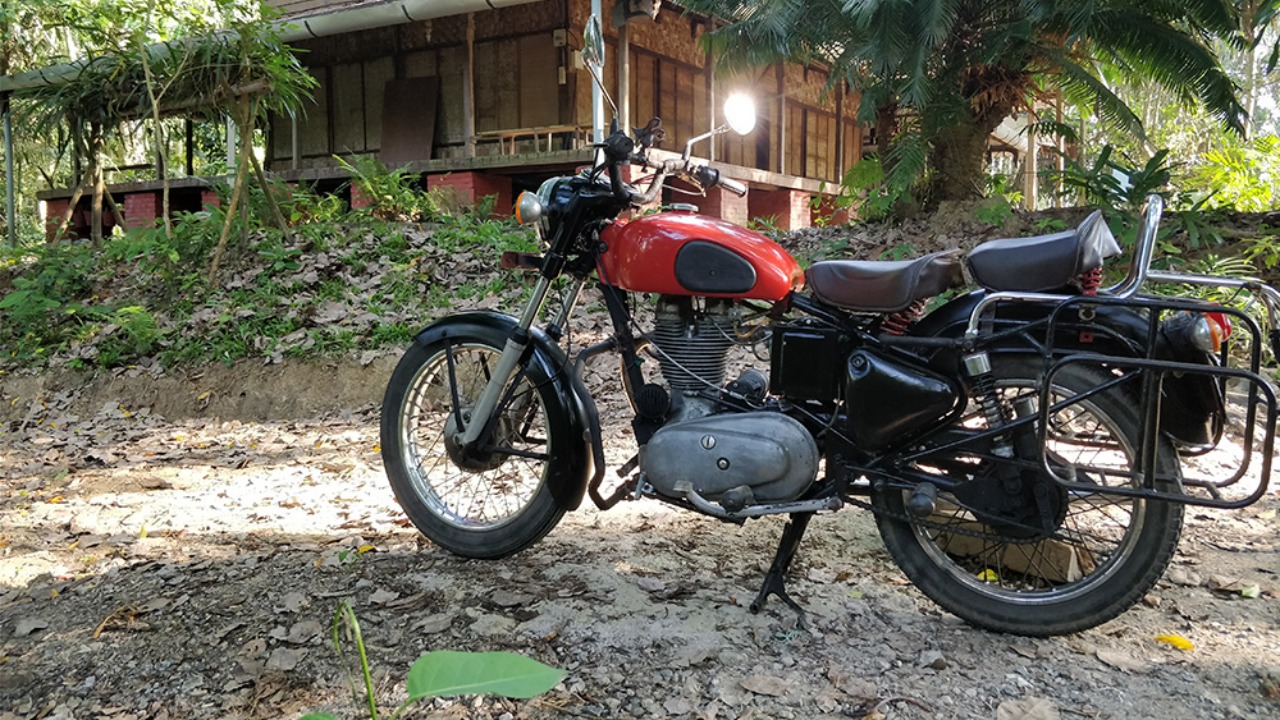
British motorcycle makers were responsible for some remarkably innovative machines. Long before electronic rider aids and modern computer-controlled engines, companies such as Triumph, Norton, BSA, and Vincent were experimenting with performance, handling, engineering, and styling. These motorcycles introduced ideas that helped shape the future, even when the market did not immediately recognize how significant they were.
Vincent Black Shadow
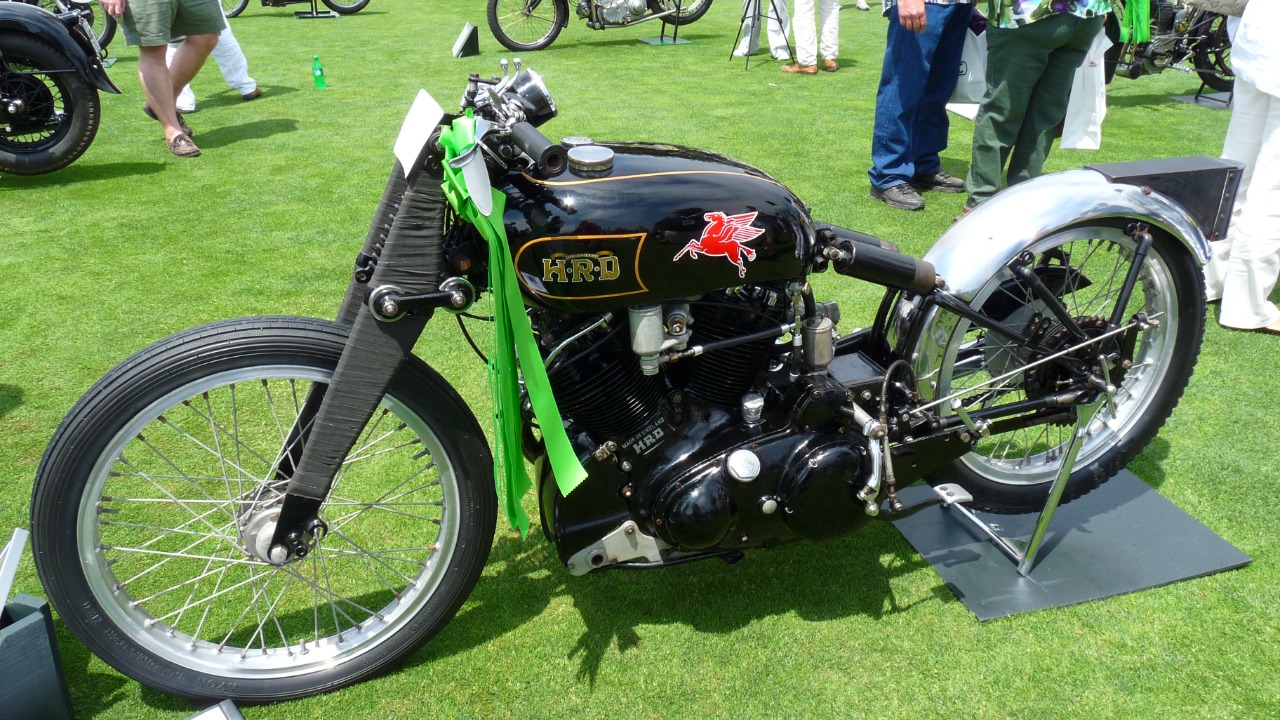
The Vincent Black Shadow was one of the most advanced road motorcycles of its era. Its powerful V-twin engine, substantial performance, and sophisticated chassis allowed it to reach speeds that made many contemporary motorcycles look ordinary. The Black Shadow also had a distinctive construction that separated it from more conventional designs. Its combination of performance and engineering made it a landmark British motorcycle, and its reputation has only grown as enthusiasts look back at what Vincent achieved.
Norton Commando
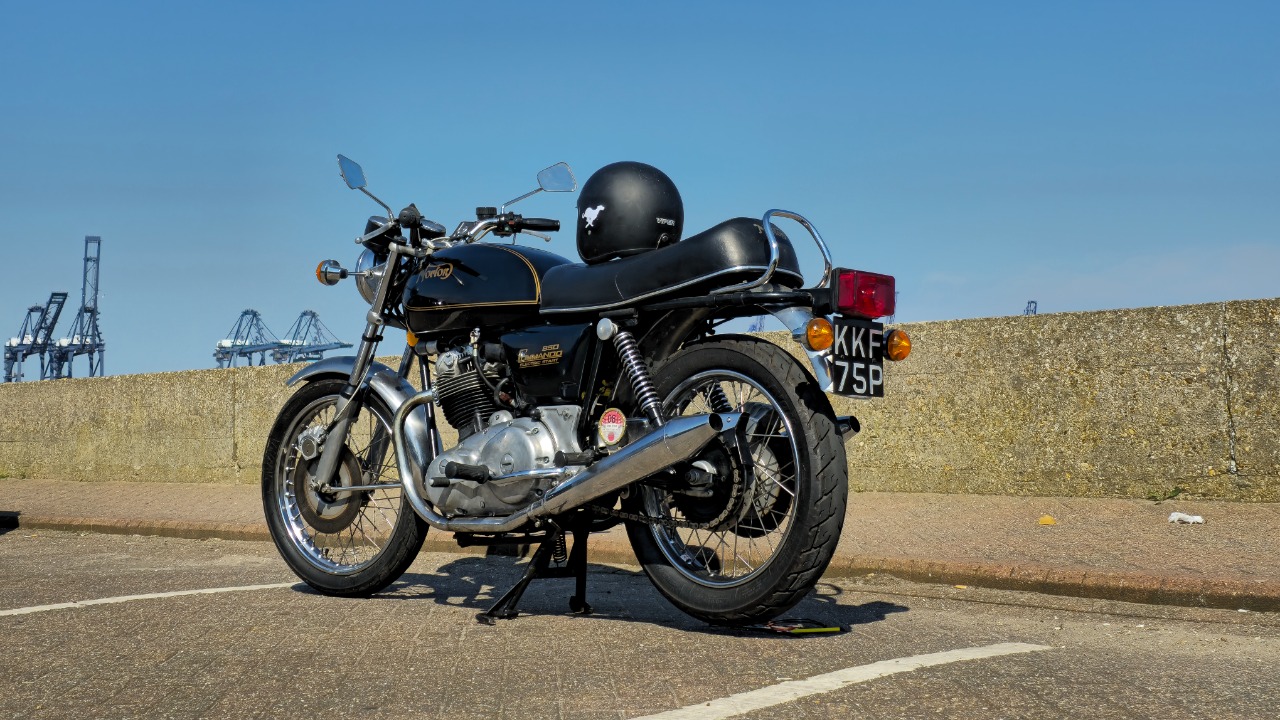
The Norton Commando combined classic British twin-cylinder engineering with an innovative approach to vibration control. Its Isolastic mounting system separated the engine and transmission from the frame, dramatically reducing the vibration reaching the rider. That made the Commando more comfortable without abandoning the mechanical character enthusiasts expected. The bike also offered strong handling and muscular styling. At a time when British motorcycles were facing increasing competition, the Commando showed that traditional engineering could still produce something genuinely forward-thinking.
Triumph Trident
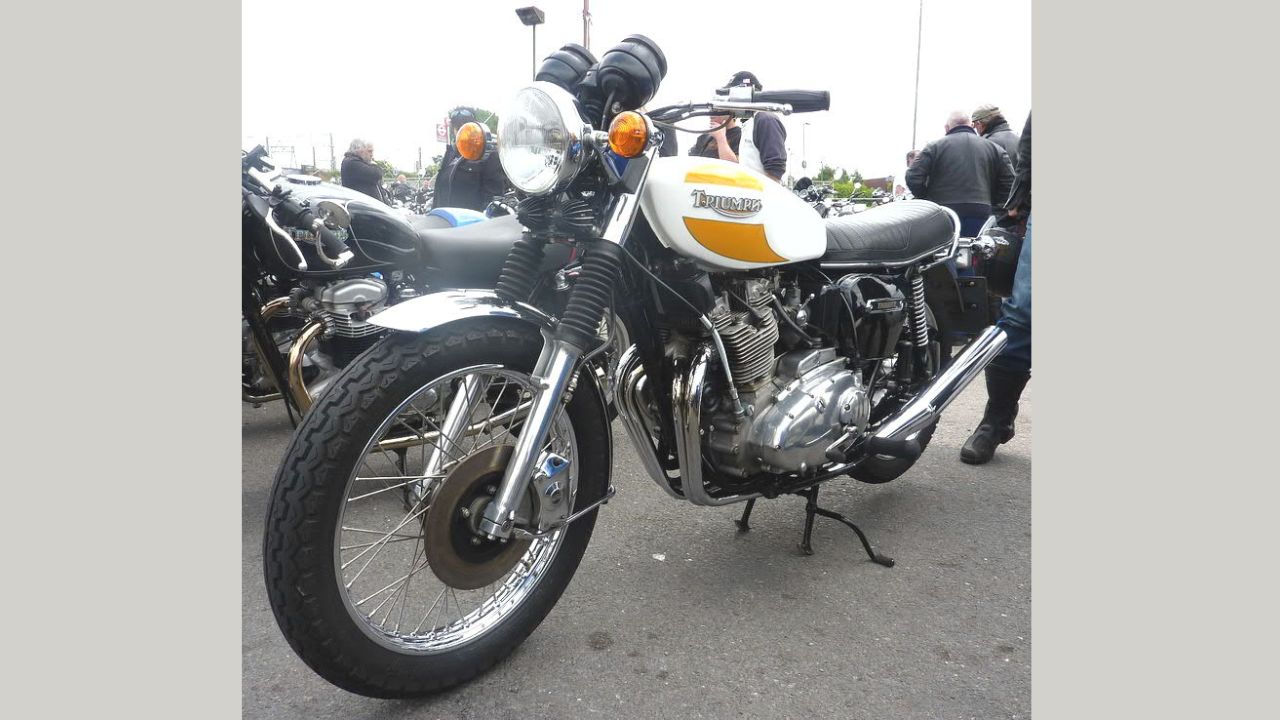
The Triumph Trident introduced a three-cylinder engine at a time when most British motorcycles relied on twins. The extra cylinder gave it a smoother delivery and helped provide the kind of performance associated with larger and more exotic machines. Its engine configuration also pointed toward a direction that Japanese manufacturers would later embrace successfully. The Trident arrived during a difficult period for the British industry, but its technical concept was sound and demonstrated that Triumph could still produce sophisticated performance motorcycles.
BSA Rocket 3
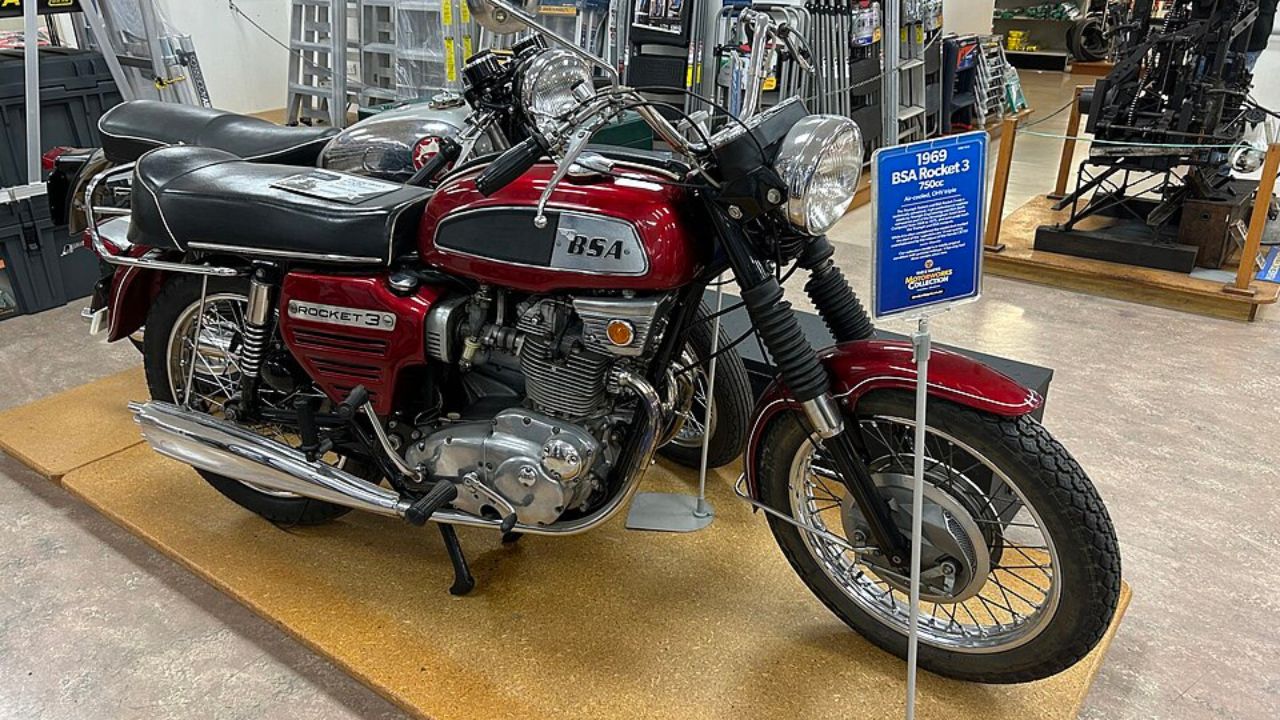
CC BY-SA 4.0 / Wiki Commons
The BSA Rocket 3 shared its basic three-cylinder architecture with the Triumph Trident but had its own identity and styling. The engine delivered strong performance while offering a smoother character than many traditional British twins. The Rocket 3 arrived when the industry was beginning to shift toward multi-cylinder motorcycles, making its layout particularly significant. Although commercial challenges limited its impact, the bike remains an important example of British manufacturers experimenting with an engine configuration that would soon become increasingly popular.
Triumph Bonneville
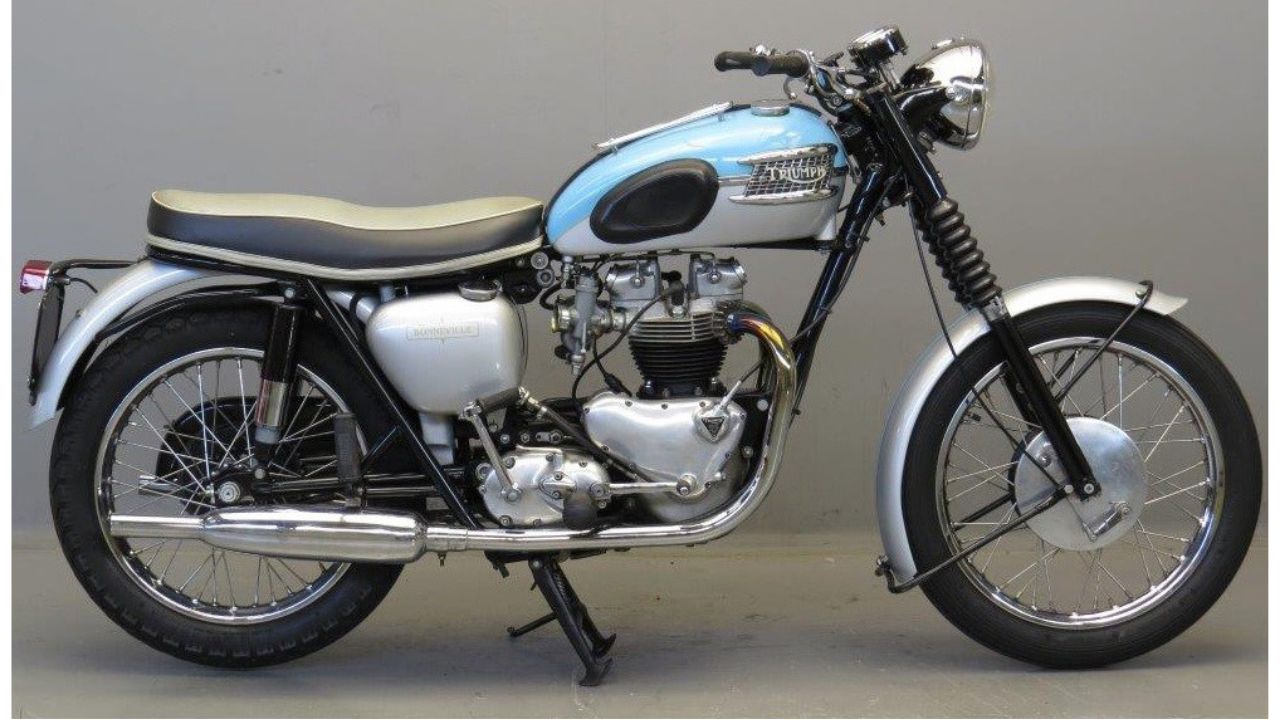
The Triumph Bonneville became famous for its classic appearance and strong parallel-twin engine, but its influence goes beyond styling. It offered an appealing balance of performance, manageable size, and everyday usability that helped define the modern British motorcycle. The Bonneville’s simple mechanical layout also made it attractive to riders who wanted something they could understand and maintain themselves. Its formula proved remarkably durable, influencing generations of motorcycles and remaining relevant long after its original era.
BSA Gold Star
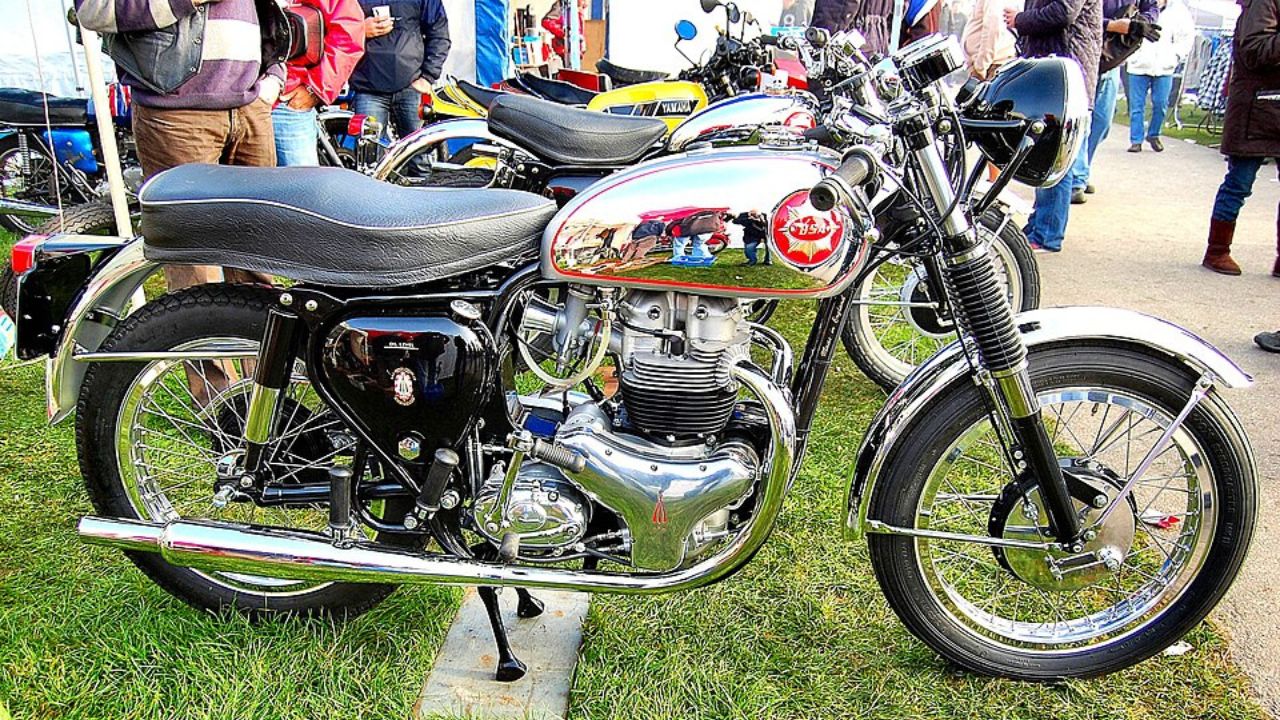
The BSA Gold Star was a serious performance motorcycle disguised as a relatively conventional single-cylinder machine. Its large single produced impressive power for its size, while careful tuning and a relatively light chassis made it competitive in racing and sporting events. The Gold Star demonstrated how much performance could be extracted from a simple engine configuration. At a time when riders often associated speed with increasingly complex machinery, BSA showed that a well-developed single could still be extraordinarily effective.
Norton Featherbed
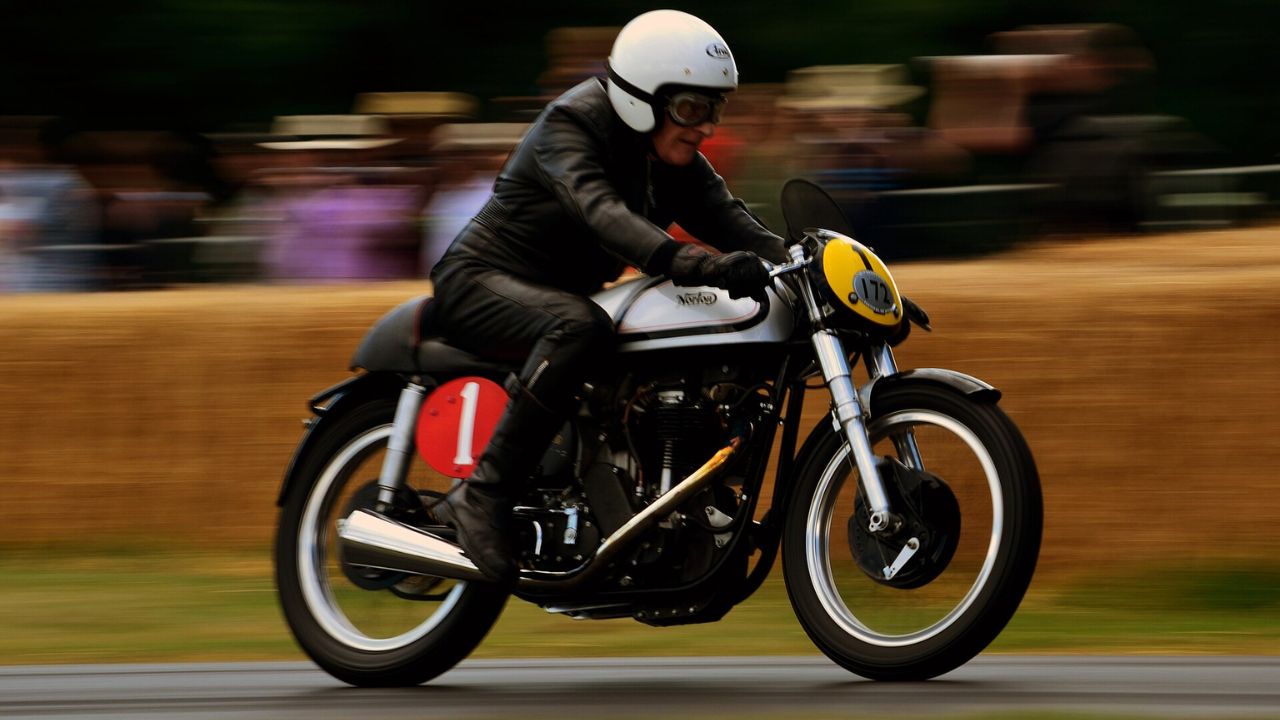
The Norton Featherbed is best remembered for its revolutionary frame rather than a single engine configuration. Its design provided an unusually strong combination of stiffness, balance, and handling, giving Norton motorcycles a reputation for exceptional road manners. The frame became so influential that enthusiasts and custom builders later fitted a variety of engines into Featherbed chassis. Its success demonstrated how important chassis engineering could be to motorcycle performance, helping establish principles that remain fundamental to motorcycle design.
Vincent Rapide
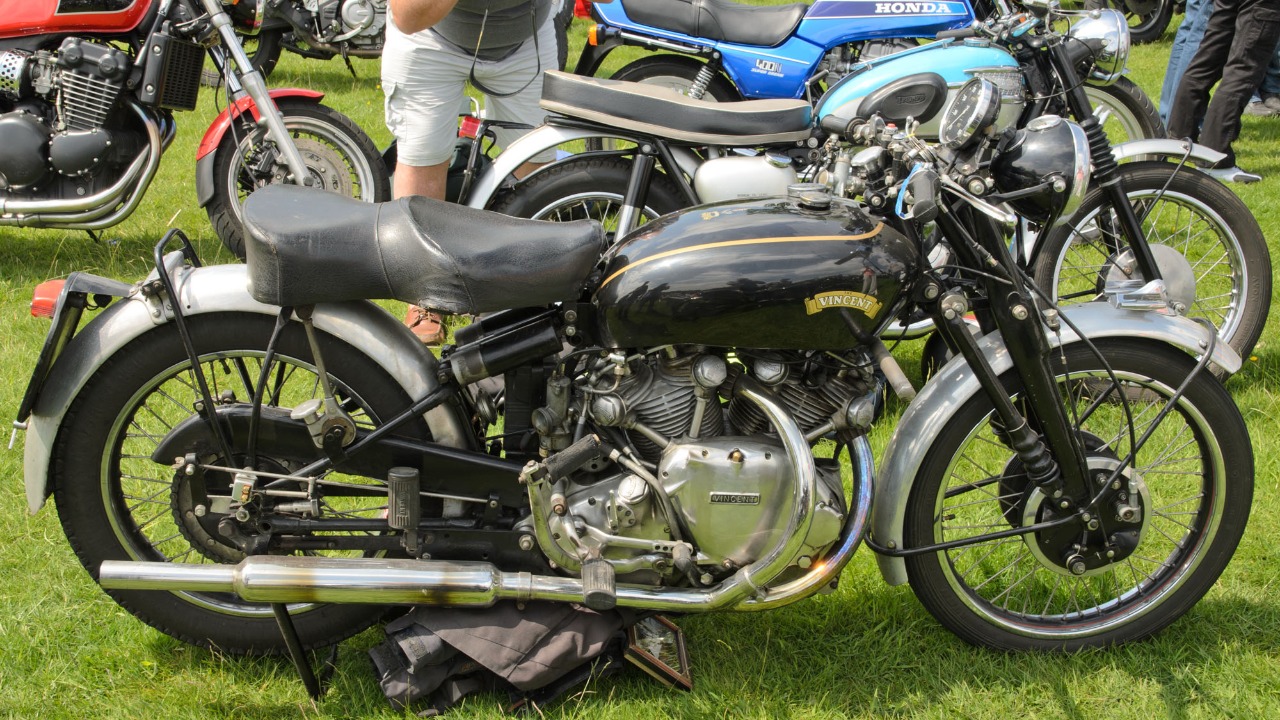
The Vincent Rapide combined a large V-twin engine with advanced chassis engineering and impressive long-distance performance. It was designed to provide strong acceleration and high-speed cruising while remaining practical enough for road use. Vincent’s engineering approach was unusually ambitious for the period, with several components integrated in ways that differed from conventional motorcycle construction. The Rapide helped establish Vincent as a company willing to challenge established design conventions rather than simply follow existing British formulas.
Triumph Daytona
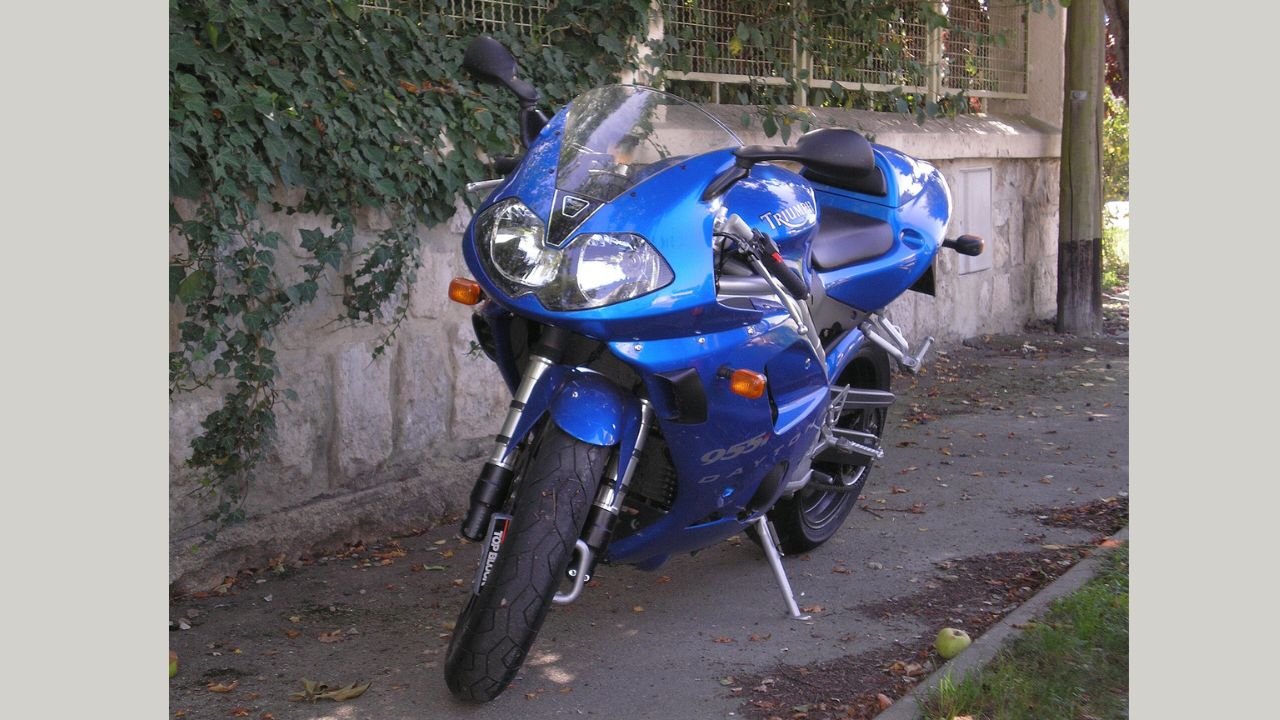
The Triumph Daytona represented the company’s effort to give its parallel-twin platform a stronger sporting identity. Its performance-focused tuning and distinctive styling appealed to riders who wanted something more aggressive than a conventional British roadster. The Daytona name would later become associated with Triumph’s broader performance heritage. Its importance lies partly in demonstrating how the company could evolve its traditional engine architecture while keeping the basic character that made its motorcycles recognizable.
Ariel Square Four
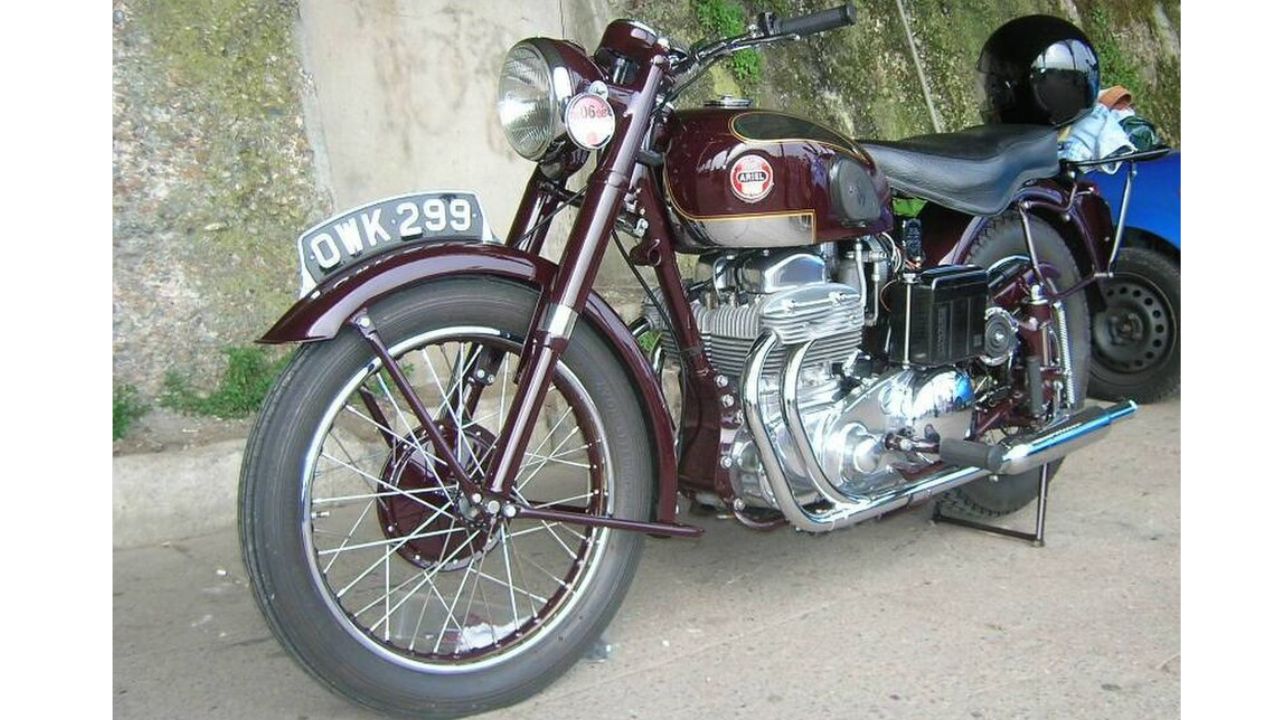
The Ariel Square Four was one of the most unusual British motorcycle engines ever put into production. Its four-cylinder layout arranged the cylinders in a compact square configuration, creating a distinctive mechanical package that was unlike conventional twins and inline fours. The design provided impressive smoothness and performance while remaining relatively compact. It was an ambitious solution to the challenge of building a powerful motorcycle, and its unusual engineering still makes the Square Four fascinating to enthusiasts.
BSA A65 Lightning
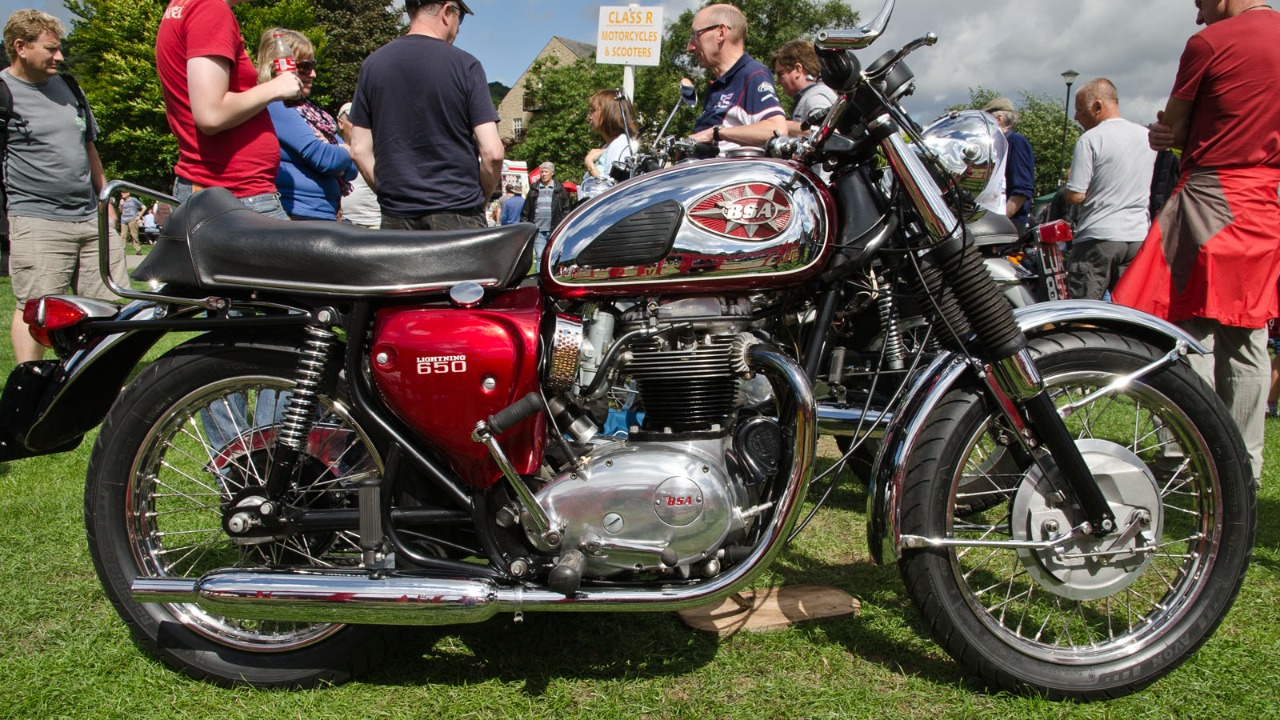
The BSA A65 Lightning took the company’s parallel-twin formula and gave it a more performance-oriented character. Its larger engine, sportier tuning, and stronger visual presence made it appealing to riders who wanted a quick road motorcycle without moving into more specialized machinery. The Lightning also represented an important stage in the evolution of British twins. Although later Japanese motorcycles would change the market dramatically, the A65 showed that British manufacturers were already developing faster and more refined street machines.
Triumph Tiger

The Triumph Tiger name has a long history, but its early performance-oriented versions helped establish the company’s reputation for versatile motorcycles. The Tiger could handle everyday road riding while offering enough performance for riders who wanted something more than basic transportation. Its parallel-twin engine provided a useful blend of torque and simplicity. The model’s adaptability helped demonstrate why British twins became so influential, particularly among riders who valued mechanical character as much as outright performance.
Norton Dominator
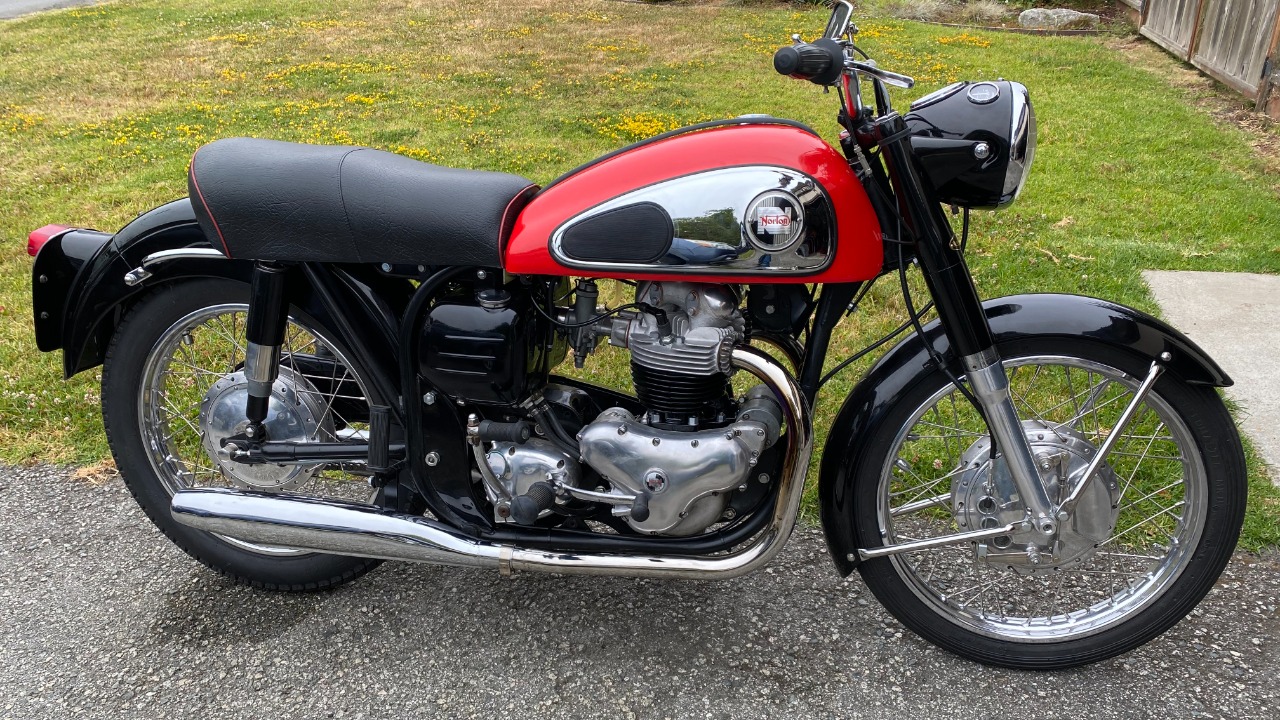
The Norton Dominator helped establish the company’s reputation for producing fast and well-handling road motorcycles. Its parallel-twin engine offered more performance than earlier singles, while the chassis benefited from Norton’s increasingly sophisticated approach to handling. The combination made the Dominator an important stepping stone toward later Norton performance models. It showed that a motorcycle could provide useful everyday practicality while still delivering serious sporting ability on winding roads.
Triumph Speed Twin
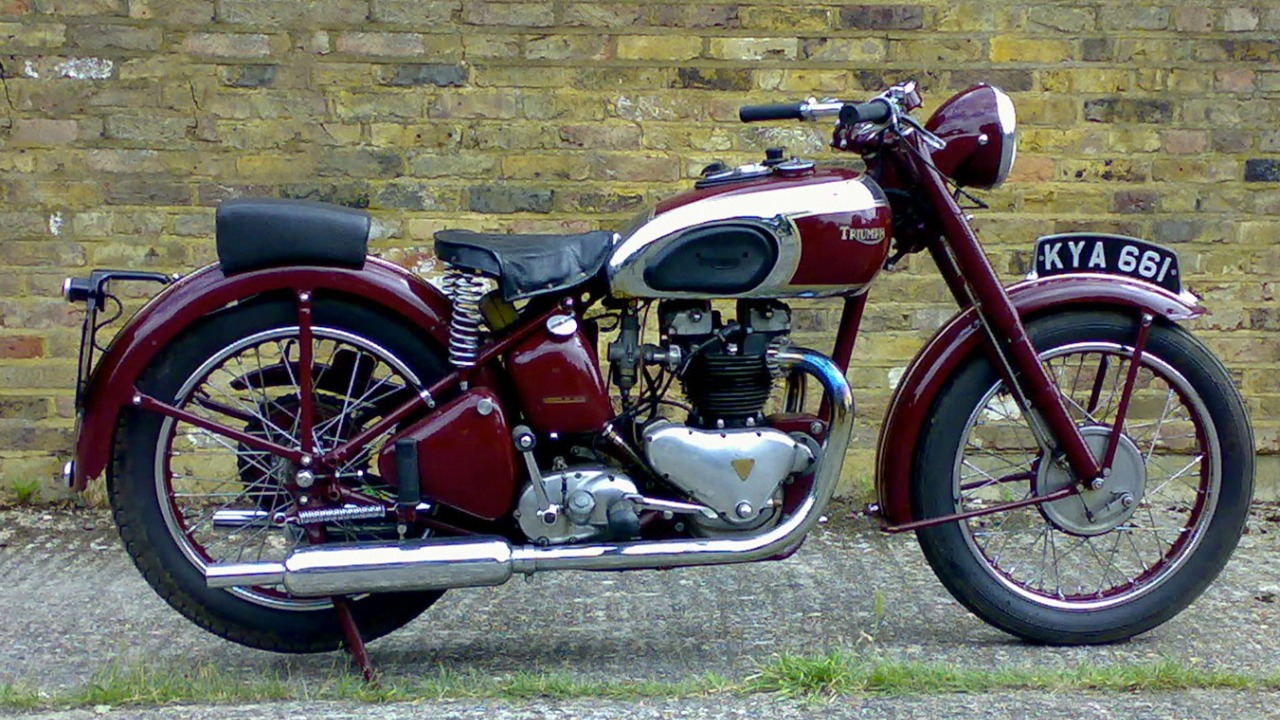
The Triumph Speed Twin was revolutionary when it appeared because it made a parallel-twin engine a practical alternative to larger singles and more expensive multi-cylinder designs. Its compact engine delivered useful performance while keeping the motorcycle relatively manageable. The formula proved extremely influential, inspiring countless manufacturers to develop their own parallel twins. The Speed Twin effectively established a blueprint that British motorcycle makers would continue refining for decades.
Matchless G80
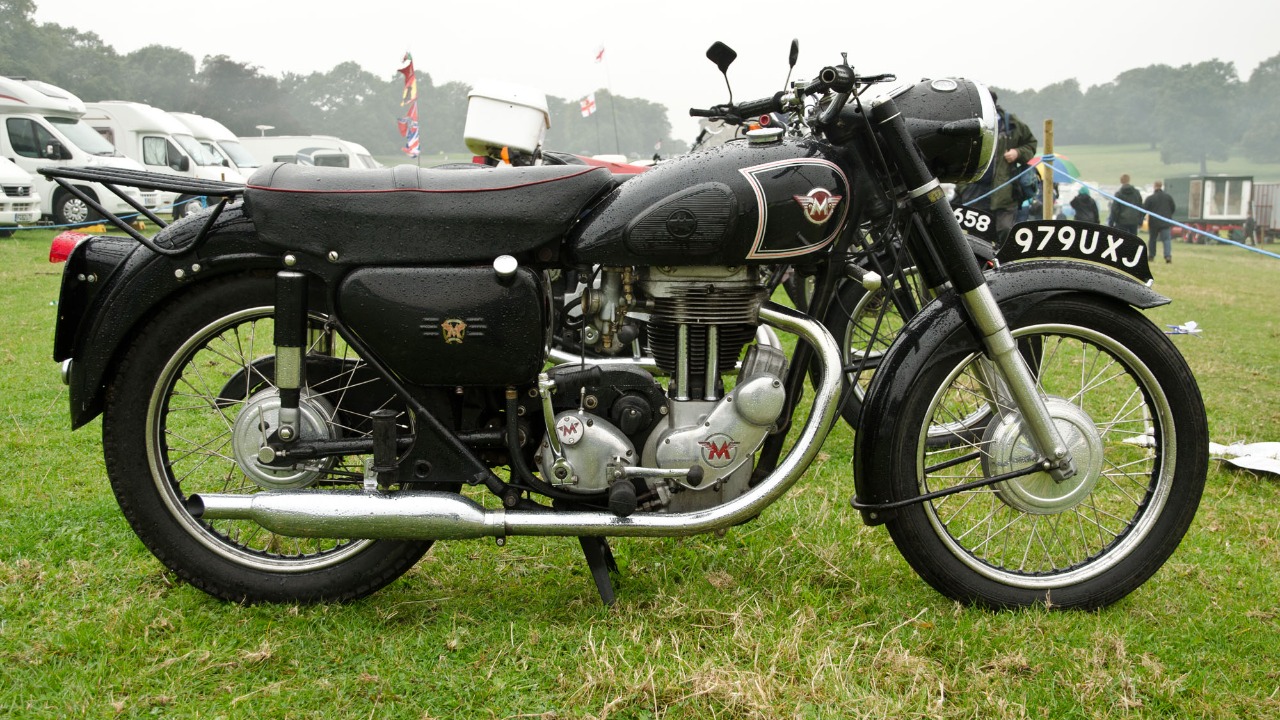
The Matchless G80 demonstrated how much potential remained in the traditional single-cylinder motorcycle. Its engine provided useful torque and strong performance without requiring the additional weight and complexity of a twin. The G80 became particularly respected for its straightforward engineering and versatility. While singles were eventually overshadowed by larger multi-cylinder motorcycles, the G80 represented a highly developed version of the format and showed why it remained competitive for so long.
AJS Model 18
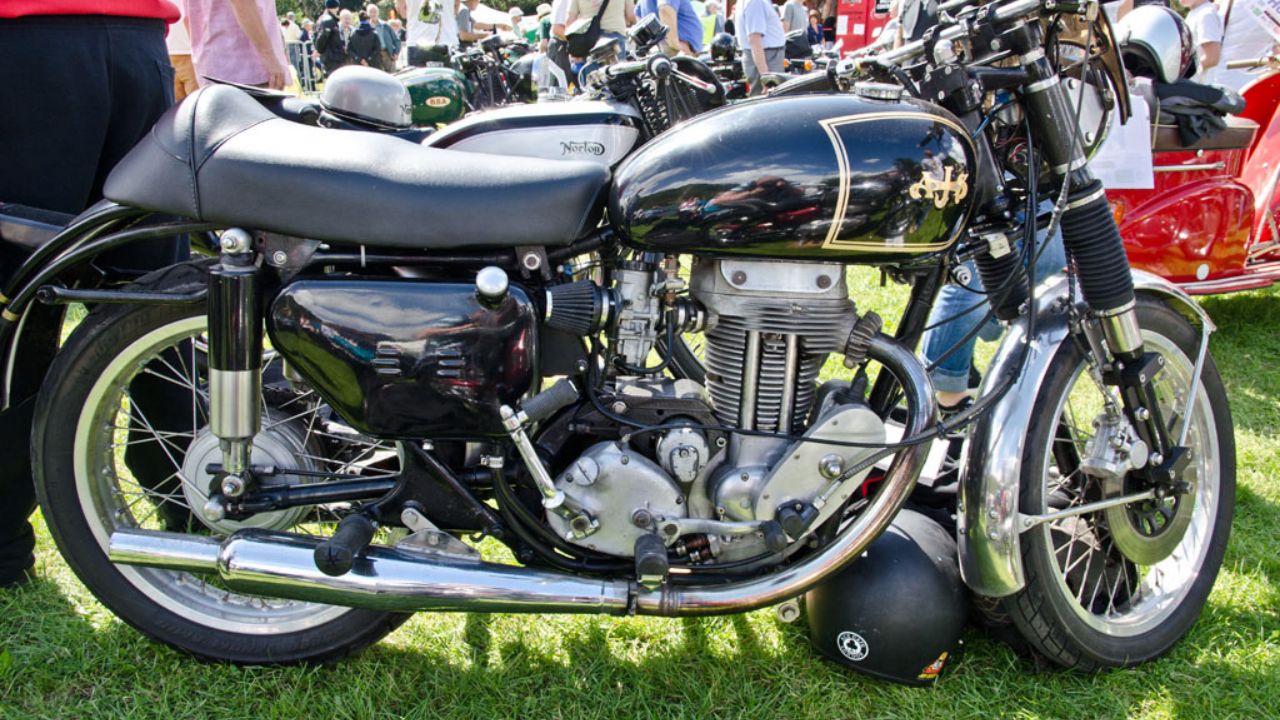
The AJS Model 18 combined a traditional British parallel-twin engine with a chassis designed for dependable everyday riding. It offered more refinement and performance than many earlier singles while remaining mechanically straightforward. The Model 18 became one of the company’s best-known road motorcycles and demonstrated the growing importance of twin-cylinder designs. Its engineering may appear conventional today, but at the time it represented a practical way to deliver stronger performance without excessive complexity.
Royal Enfield Bullet
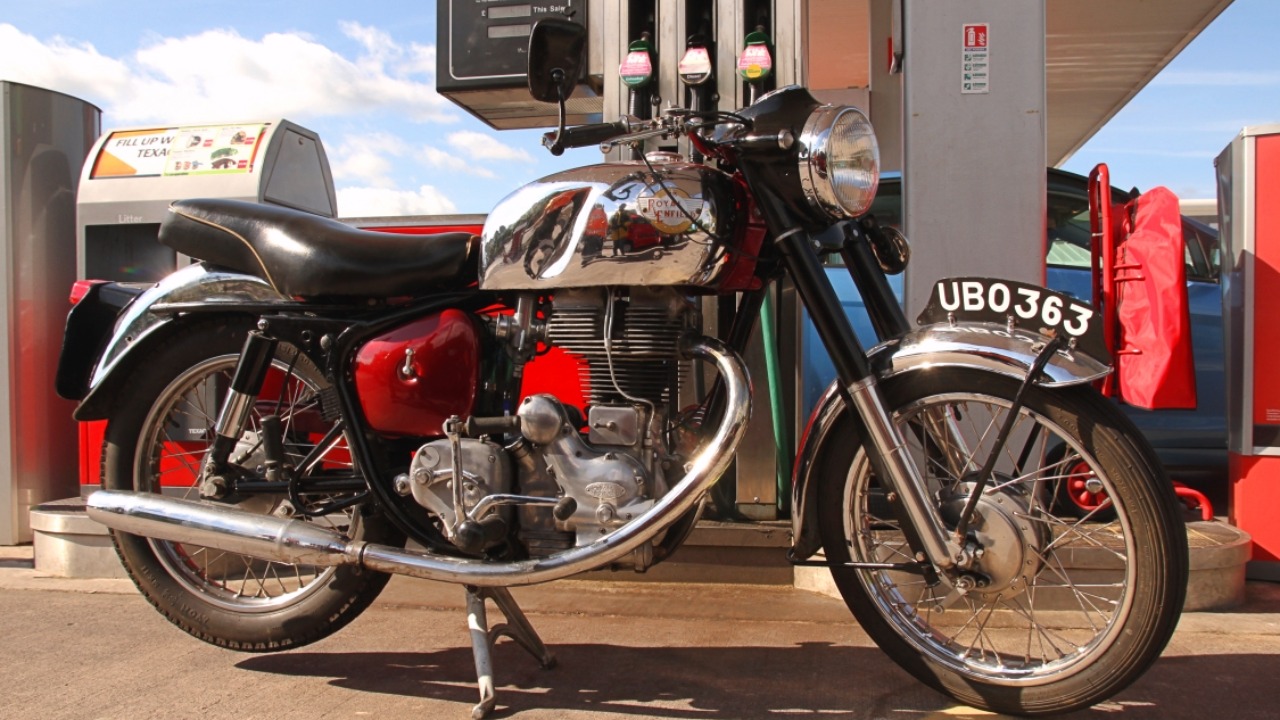
The Royal Enfield Bullet became famous for an unusually long production life, but its original engineering was also remarkably significant. Its single-cylinder engine, relatively simple construction, and sturdy chassis created a motorcycle that could be used in a wide range of conditions. The Bullet’s design proved adaptable enough to survive changing motorcycle trends for decades. Few motorcycles demonstrate the value of a fundamentally sound engineering concept quite as clearly.
Triumph Thunderbird
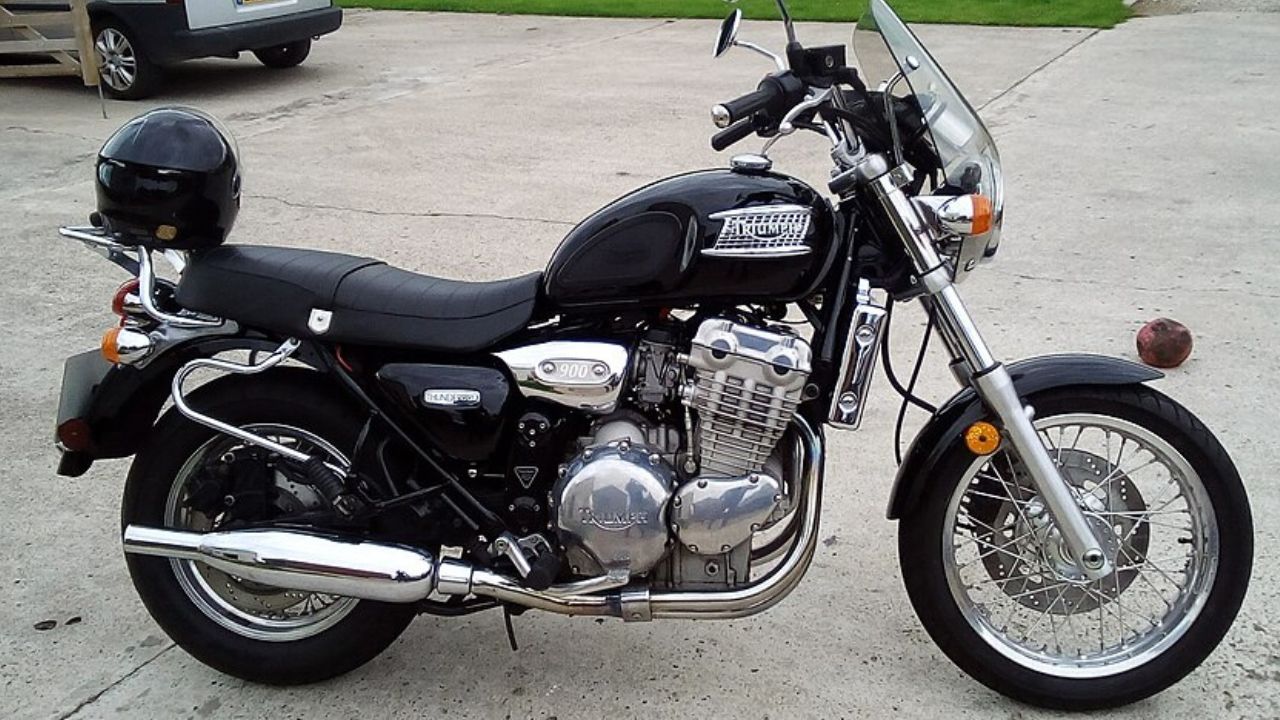
The Triumph Thunderbird helped prove that a British motorcycle could combine strong performance with comfortable road manners. Its larger parallel-twin engine gave it enough power for sustained highway riding while maintaining the character of a traditional British motorcycle. The Thunderbird also helped establish the company’s reputation in the growing American market. Its success demonstrated that British manufacturers could build motorcycles capable of competing internationally without abandoning the basic engineering principles that made them distinctive.
Norton Manx
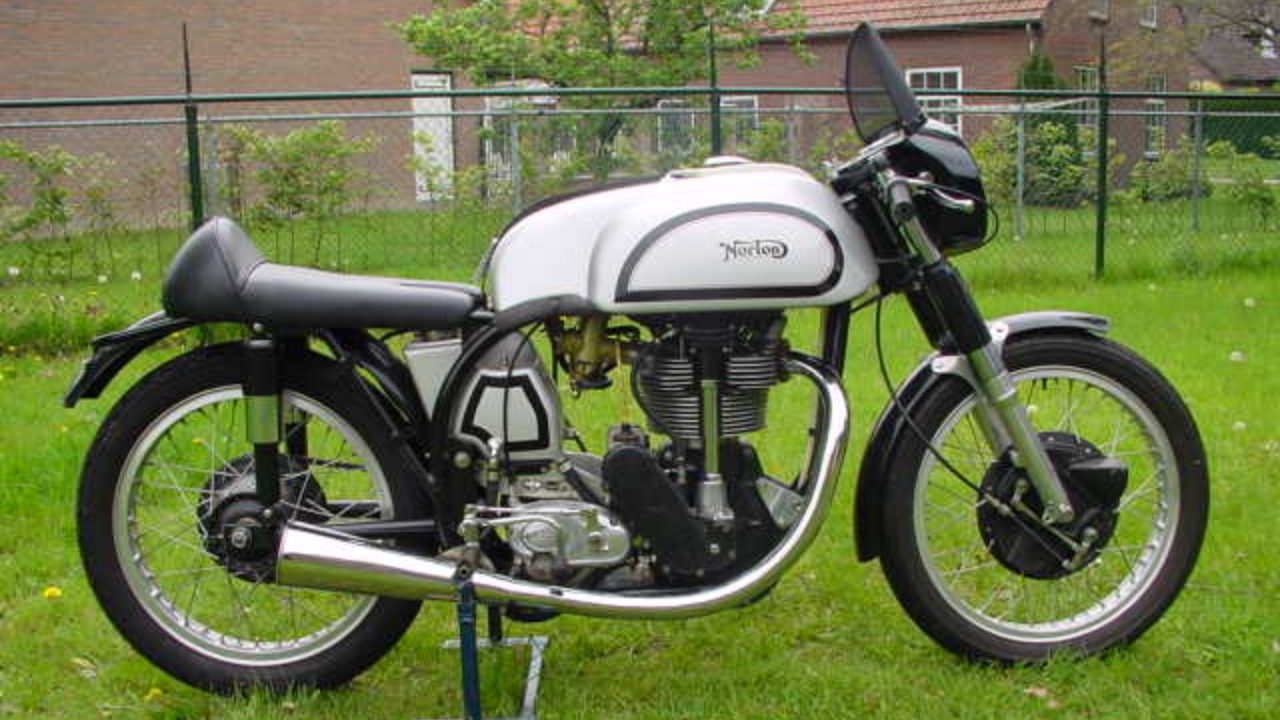
The Norton Manx was a competition motorcycle that showcased some of the finest chassis and engine development produced by the British industry. Its single-cylinder engine was highly sophisticated for its time, while the famous Featherbed frame gave riders exceptional handling. The Manx became a formidable racing machine and influenced motorcycle development far beyond Norton itself. Its success proved that careful engineering and chassis balance could compensate for a smaller engine when the entire motorcycle was developed as a cohesive package.
Vincent Black Prince
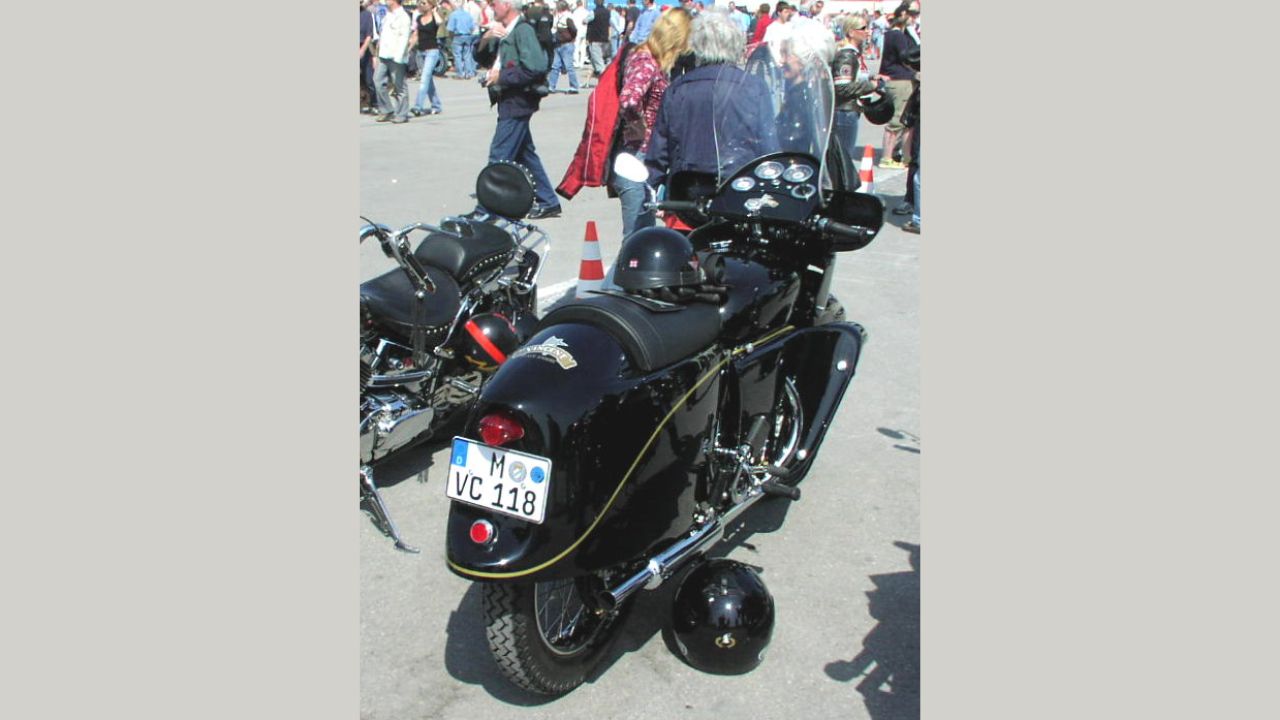
The Vincent Black Prince took the company’s advanced V-twin engineering and placed it beneath one of the most unusual bodies ever fitted to a British motorcycle. Its enclosed styling offered some protection from weather while retaining the performance associated with Vincent’s powerful engine. The concept was far removed from the exposed motorcycles most riders expected at the time. Although it was never a mainstream success, the Black Prince demonstrated Vincent’s willingness to experiment with motorcycle design rather than simply follow established conventions.
More from Fast Lane Only
- Unboxing the WWII Jeep in a Crate
- 15 rare Chevys collectors are quietly buying
- 10 underrated V8s still worth hunting down
- Police notice this before you even roll window down
*Research for this article included AI assistance, with all final content reviewed by human editors.