
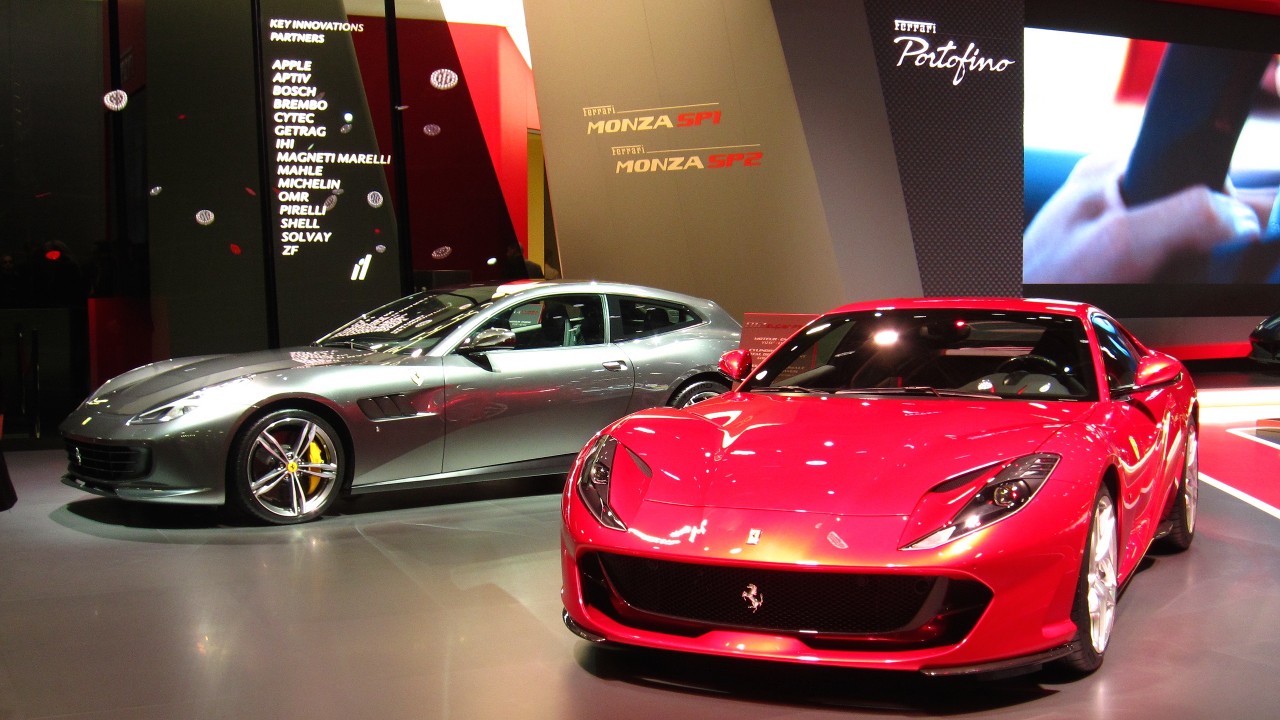
Six-figure car sales are surging even as the broader auto market cools, underscoring how the very top of the consumer pyramid is still spending freely while everyone else hunts for discounts and lower payments. The split between buyers stretching to afford a basic crossover and those casually wiring six figures for a new Ferrari or Mercedes is turning into one of the clearest fault lines in the post-pandemic economy.
I see the same pattern across luxury goods, real estate and even art: affluent households are treating high prices as a timing question, not a deal breaker, while middle-income buyers are forced to pull back. Nowhere is that contrast more visible than in the showroom, where record numbers of Americans are driving away in cars that cost as much as a starter home.
The high end pulls away from the rest of the car market
The most striking shift in the auto market is not that average prices have finally started to ease, but that the top tier is sprinting ahead anyway. Data on new vehicles show that while mainstream models are getting modest discounts again, The High End Six Figure Sales Booming At the top of the market. That reporting describes Americans snapping up record numbers of vehicles priced at $100,000 and above, a sharp break from just a few years ago when such models were a tiny niche. The same analysis notes that only 71,000 of these ultra-expensive cars sold in an earlier year, a figure that has now been eclipsed as wealthy buyers treat six-figure stickers as normal rather than aspirational.
At the same time, the pressure on ordinary buyers has not disappeared, it has simply shifted form. Even as average transaction prices edge down, Cars are still leaving dealer lots at painful markups, with the typical non-luxury customer recently paying more than $1,000 over sticker. That kind of squeeze makes a $40,000 compact SUV feel out of reach for many households, even as buyers at the top of the income ladder shrug off six-figure MSRPs. The result is a bifurcated market where the volume end is fragile and price sensitive, while the high end behaves as if the economic cycle barely exists.
Why wealthy drivers are insulated from inflation and rates
The resilience of six-figure car demand is not a mystery once you look at how affluent households earn and hold their wealth. Research on Millionaire Marketing Statistics finds that Wealthy Consumers Are More Resilient Against Inflation Unlike average households, they tend to keep spending patterns steady even when prices and borrowing costs rise. For someone whose portfolio is heavily invested in stocks, private businesses or property, a jump in the monthly payment on a car loan is a rounding error, not a budget crisis. That helps explain why demand for high-end vehicles has stayed strong despite aggressive interest rate hikes that have cooled mortgage and credit card activity.
Luxury-focused analysts describe a similar pattern across the broader high-end economy. One review of premium sectors notes that luxury markets have Furthermore proven resilient to the high-interest rates that have weighed on the wider real estate and consumer credit landscape, precisely because affluent buyers are less sensitive to financing costs. When a customer can pay cash for a Ferrari 812 GTS Spider or put down a massive deposit, the central bank’s latest move is more background noise than barrier. That structural insulation is what keeps the order books for six-figure cars full even as mass-market shoppers delay purchases or trade down.
Asset booms, older buyers and the psychology of splurging
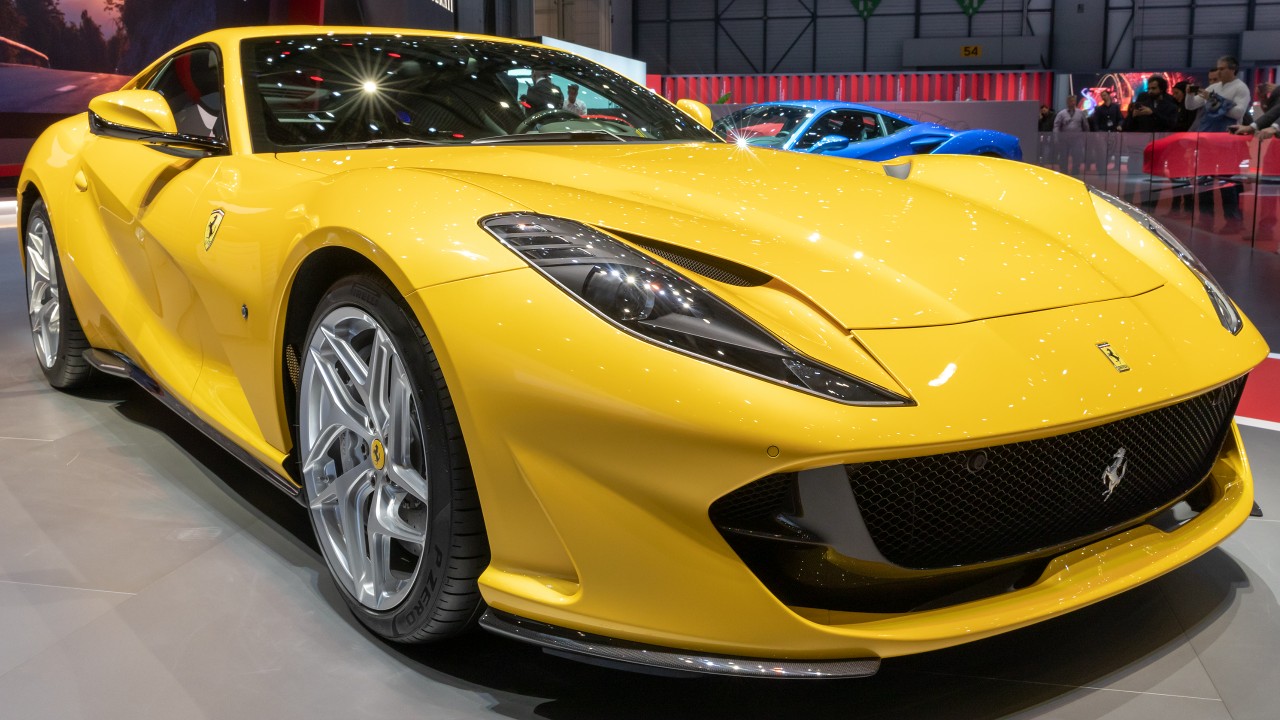
Underneath the sales numbers is a powerful psychological shift among older, asset-rich buyers who feel emboldened to enjoy their money now. Industry analysts looking at Ferrari’s performance, including the launch pricing of the Ferrari 812 GTS Spider, point out that Industry experts see luxury-car demand being driven by older buyers whose wealth is tied up in real estate that has surged in value. Rising home equity and investment gains give these customers the confidence to keep spending on high-ticket toys, especially when they view a V12 convertible or a top-spec SUV as a reward for decades of saving rather than a reckless splurge.
The same dynamic shows up far beyond the car lot. Global auction houses have reported record sales of art, watches and collectibles, with one tally putting auction turnover at $15 billion, fueled by a surge in global wealth during the pandemic. That boom was powered by government stimulus, central bank easing and rising asset prices that created a massive wave of liquidity for wealthy buyers. When the same people bidding seven figures for a painting walk into a dealership, a $120,000 performance SUV or grand tourer can feel like a relatively modest indulgence, especially if they believe their portfolio will keep compounding in the background.
Luxury’s uneven slowdown and the rise of value-conscious affluence
Even within the luxury world, though, the picture is not uniformly rosy, and that nuance matters for understanding six-figure car demand. Some high-fashion brands have reported softer sales as a so-called “richcession” cools discretionary spending on logo-heavy goods. Analysts tracking top-tier labels note that, Coming out of the pandemic, the luxury sector enjoyed a boom as Rising asset prices and generous liquidity from central banks and governments made the wealthy even wealthier. As that sugar high fades, some shoppers are becoming more selective, trading impulse buys for bigger, more considered purchases that deliver lasting satisfaction or status.
There is also evidence that even affluent consumers like a deal, which shapes how and where they spend. One study of global high-end shoppers found that half of them buy at a discount, and that 28 percent of this discount-oriented group grew up in an affluent household and now feel secure with the money they have accumulated. That mix of ingrained comfort and value consciousness helps explain why some wealthy buyers might skip a full-price designer bag yet still sign for a six-figure car that they view as a long-term asset or a core part of their lifestyle. In my view, the lesson for automakers is that price alone is not the deterrent; what matters is whether the product feels like a justified expression of identity and success.
Global shifts: China’s slowdown and the new luxury battleground
The boom in six-figure car sales is not evenly distributed around the world, and China’s evolving market is a crucial counterweight to the strength seen in the United States. As the Chinese economy slows, high-end car sales there have weakened, even as domestic brands gain ground. Recent data show that Chinese brands’ share of passenger car sales climbed to almost 70%, while German brands held around 10% and U.S. brands nearly 6%. That shift signals a tougher environment for imported luxury marques that once relied on China’s wealthy urban buyers to soak up premium sedans and SUVs at high margins.
For global automakers, the message is that the six-figure segment is both resilient and contested. In markets where local manufacturers are improving quality and technology, such as China, traditional luxury badges face pressure from below even as macroeconomic headwinds cool demand at the top. In the United States, by contrast, the combination of asset-rich households, a culture that prizes automotive status symbols and a still-strong appetite for personal vehicles is keeping the high end buoyant. I expect carmakers to respond by doubling down on ultra-luxury trims, limited editions and bespoke programs for their most profitable customers, even as they quietly chase volume with more affordable models for everyone else.

Leave a Reply