For generations of American car enthusiasts, the argument over small-block versus big-block V8s has stood in for a broader debate about what performance really means. Displacement and physical size once served as shorthand for power, yet modern engineering has steadily eroded the idea that bigger iron automatically wins. The story of these two engine families shows that while size mattered, it was never the only metric that counted.
From the first compact V8s that transformed mid‑century sedans into street sleepers to the massive blocks that powered heavy trucks and drag-strip legends, each layout evolved to solve different problems. Understanding how they differ in architecture, weight, and real‑world behavior reveals why the smarter question today is not which one is “better,” but which one fits a specific car and driver.
What “small-block” and “big-block” really mean
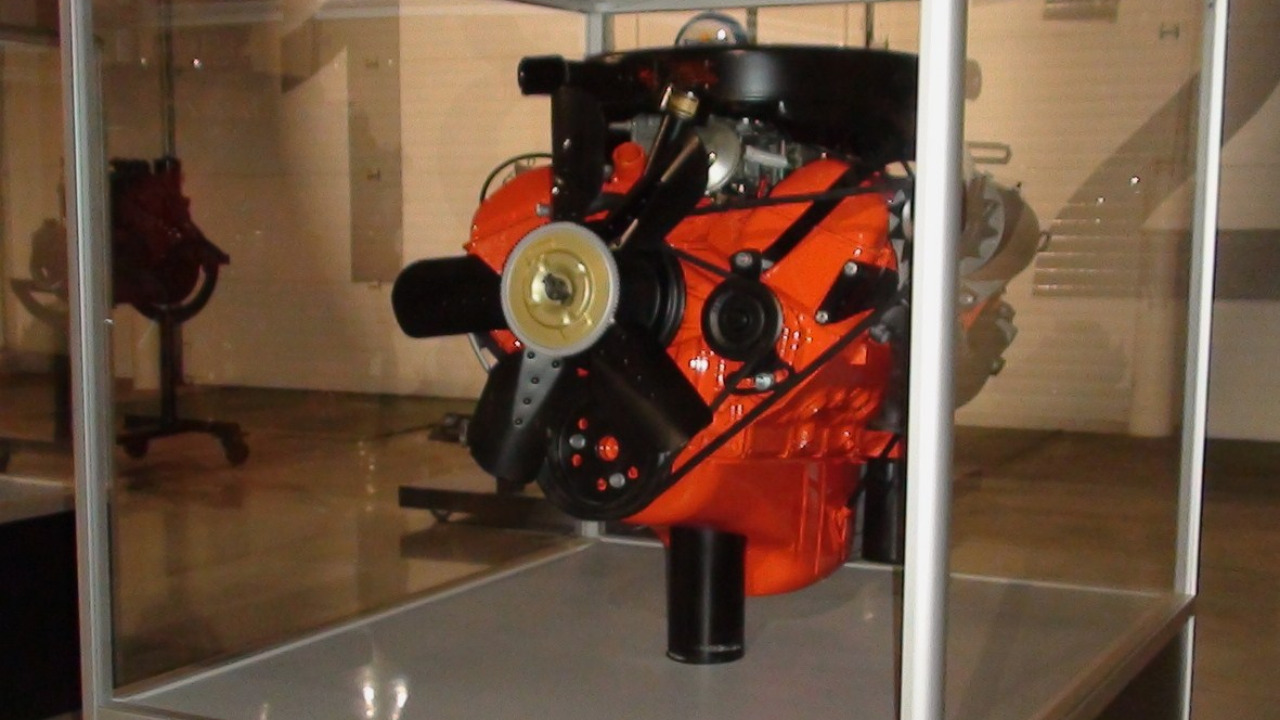
In enthusiast shorthand, small-block and big-block often sound like simple size labels, yet the distinction is rooted in engine architecture rather than just cubic inches. Traditional small-block V8s share a relatively compact block casting, tighter bore spacing, and smaller external dimensions, which limit maximum displacement but keep weight and bulk in check. Big-block V8s, by contrast, use a physically larger block with wider bore spacing and more material around the cylinders, which allows larger bores, bigger valves, and ports sized to move much more air and fuel.
Technical explanations of What Are Big Block and Small Block Engines describe big-blocks as pushrod V8s built on a larger architecture, while small-blocks sit on a more modest footprint that still supports strong performance. Enthusiasts on forums point to bore spacing, the measured distance between cylinder centers, as a key dividing line, noting that a “bigger block and different transfer line” are required once displacement and cylinder size exceed what the smaller casting can safely handle. In practice, manufacturers often needed to offer two distinct engine families in the same era before the small‑block label truly applied, which is why some sources emphasize that What counts as a small-block depends on the presence of a larger companion design.
Size, weight, and the handling factor
Where the debate becomes tangible is in how these engines affect a car’s balance and feel. A small-block is, as its name suggests, physically smaller and lighter than a big-block, which means less mass over the front axle and more room in the engine bay. Analyses of Size and Weight repeatedly highlight that this compactness was central to the small-block’s success, especially in mid‑size muscle cars and pony cars that relied on nimble steering and predictable cornering. With less iron ahead of the firewall, suspension tuning becomes easier, braking can be more consistent, and the car is less prone to plowing straight ahead when pushed into a corner.
Big-blocks, by comparison, add significant weight and bulk, which can shift the vehicle’s center of gravity forward and strain front suspension components. Guides that focus on The Handling Factor note that this extra mass can dull turn‑in response and increase understeer, particularly in older chassis that lack modern electronic aids. Other technical breakdowns of Key Differences Between Big Block and Small Block Engines stress that this weight penalty also affects fuel economy and overall balance. The trade‑off is straightforward: the larger engine can deliver immense straight‑line thrust, but the driver pays for it in agility and efficiency unless the rest of the car is carefully engineered around that heft.
Power, torque, and what displacement really buys
Advocates of big-blocks have long argued that there is no substitute for cubic inches, and historically they had a point. Big-block engines were designed with large bores, generous valves, and high‑flow ports, all intended to move more air and fuel per revolution. Technical explainers that ask What Is a Big Block Engine and How Is It Different From a Small Block Engine underline that these engines can generate substantial torque at low and midrange rpm, which is ideal for heavy trucks, large passenger cars, and high‑load situations like towing or drag racing. The same sources describe how the larger architecture allows displacement figures that simply are not feasible in a compact small‑block casting.
Small-block engines, however, have their own power story. They typically feature smaller bores and ports, which limit peak displacement but can promote higher rev capability and better efficiency. Analyses of the Small Block Engine architecture point out that these engines often require less fuel to generate a given level of power, especially when paired with modern induction and ignition systems. Contemporary performance guides that ask whether They really differ in a meaningful way conclude that both layouts can be built into formidable performers, and that the old assumption that big-blocks always dominate on power is no longer absolute. With advances in cylinder head design, forced induction, and engine management, a well‑sorted small-block can rival or surpass the output of older big-blocks while carrying less weight.
Origins, use cases, and how the market shaped the myth
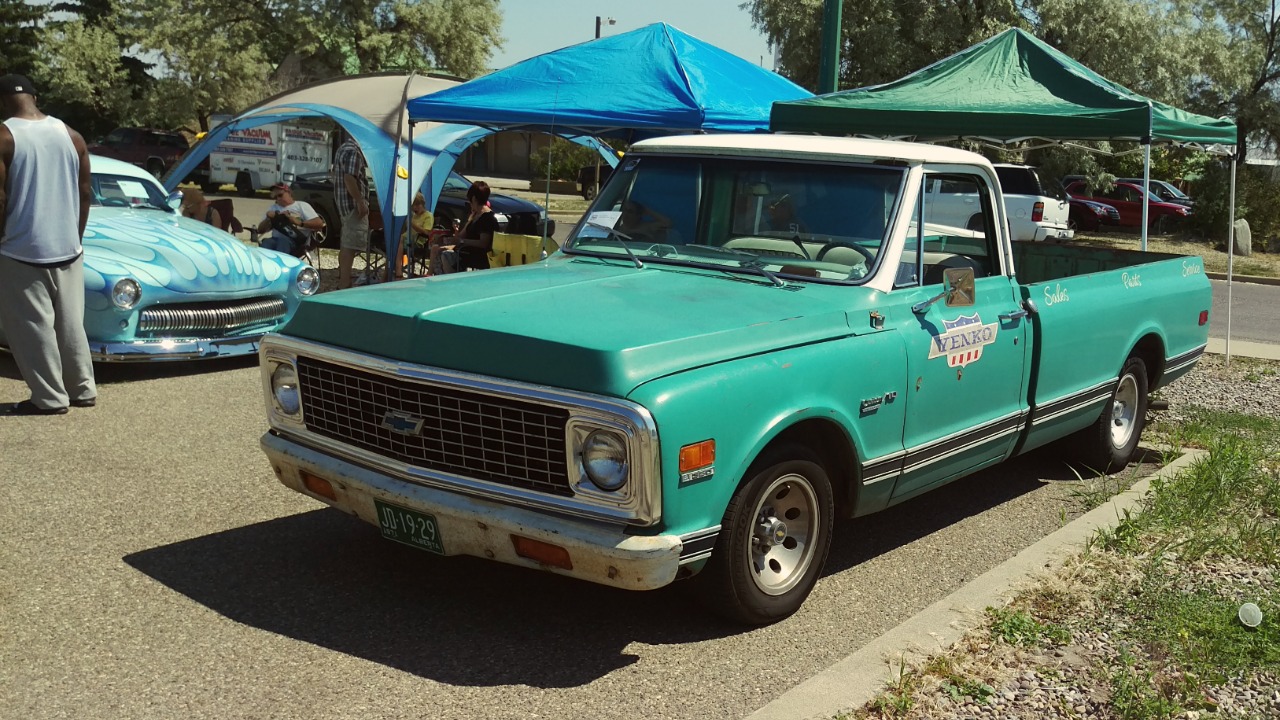
The historical context of these engines explains much of the mythology that surrounds them. Big Block Engines from Chevy, for example, first appeared in heavy trucks and large passenger cars that needed abundant torque to move serious mass. Over time, those same engines migrated into performance models, where their truck‑bred strength translated into fearsome straight‑line speed. By the late 1960s, big-block badges on the fenders of Chevelles, Camaros, and full‑size coupes signaled that the car carried the same kind of hardware once reserved for commercial duty, and the association between physical size and raw power hardened into popular wisdom.
Small-blocks followed a different path. Their compact dimensions and lighter Size and Weight made them ideal for a wide range of vehicles, from family sedans to sports coupes, and they became the default performance choice for many enthusiasts who valued balance and affordability. Technical sections labeled Technical Differences emphasize that the small-block’s design lent itself to incremental upgrades, from better heads to hotter camshafts, without overwhelming the chassis. Over time, as aftermarket support exploded and tuning knowledge spread, the small-block evolved into a flexible platform that could be tailored to street, strip, or road course duty, often at a lower cost than building an equivalent big-block.
Modern performance: does the badge still matter?
In the contemporary performance landscape, the old binary between small-block and big-block has blurred. Commentators who ask what is Better, Small Block or Big Block often conclude that there is no single answer that settles the debate, because both are V8 pushrod designs that can be engineered to meet specific goals. Modern small-blocks benefit from decades of refinement, lighter materials, and advanced fuel and spark control, which allow them to deliver impressive power with better drivability and efficiency. At the same time, big-blocks remain relevant in niches where extreme torque and displacement are still prized, such as dedicated drag cars or heavy‑duty builds where packaging and fuel consumption are secondary concerns.
Guides that revisit Big Block vs Small Block Engines increasingly frame the choice around intended use rather than ideology. For a street‑driven classic that must navigate traffic, corners, and fuel prices, the lighter small-block often provides a more enjoyable and manageable experience, especially when tuned with modern components. For a purpose‑built machine that lives on the strip or hauls substantial loads, the big-block’s inherent capacity for large displacement and robust torque remains compelling. As one hot‑rodding overview of Size, Weight, and The Handling Factor puts it, the specific build and how it is matched to the chassis matter more than the label on the valve covers. The enduring lesson is that size shaped the character of these engines, but the smartest builders have always looked beyond the block casting to the complete package.
More from Fast Lane Only