Smog checks play a crucial role in reducing air pollution from vehicles, yet not all vehicles are required to undergo these tests. Older vehicles often qualify for certain exemptions, sparking curiosity among car enthusiasts and environmental advocates alike. Let’s explore the specifics of smog check exemptions for older vehicles, examining the criteria and implications for their owners.
Understanding Smog Check Regulations
Smog check regulations vary significantly across different states, each implementing its own set of rules and requirements. For instance, California is known for having some of the most stringent smog check standards, mandating biennial checks for most vehicles. In contrast, states like Florida have no statewide emissions testing program at all. These checks are designed to ensure that vehicles emit pollutants within acceptable limits, thus playing a vital role in environmental protection and public health.
The history of smog checks dates back to the mid-20th century when growing concerns over air quality and public health prompted governments to take action. The Clean Air Act of 1970 in the United States marked a significant turning point, requiring states to implement vehicle emissions inspection programs. The primary goal was to reduce harmful emissions, such as carbon monoxide and nitrogen oxides, which contribute to smog and respiratory illnesses.
Criteria for Exemption
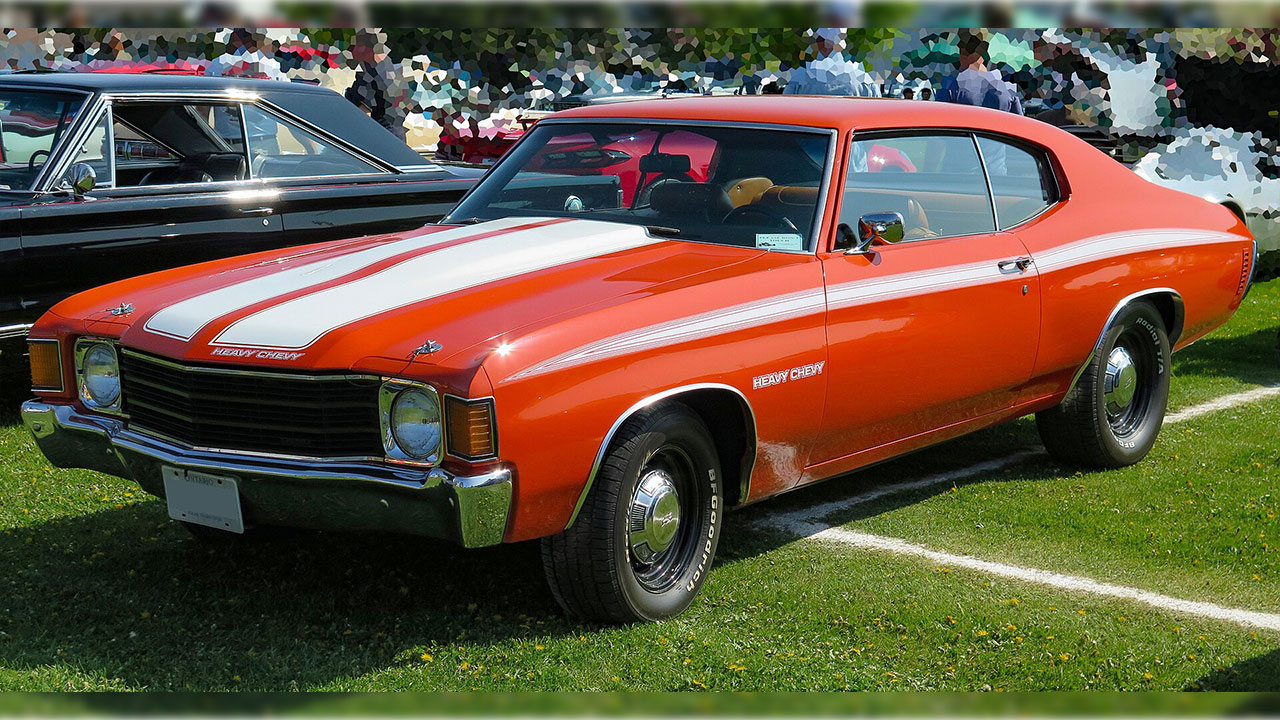
The criteria for smog check exemptions often revolve around the age and model year of the vehicle. For example, in California, vehicles manufactured before 1975 are typically exempt from smog checks. This means if you own a 1972 Chevrolet Chevelle, you’re in the clear as far as smog requirements go. Other states may have similar cut-off years, but it’s essential to verify the specific regulations in your area.
Beyond age, certain types of vehicles may also be exempt, such as classic cars that are preserved for their historical value or those with low annual mileage. For instance, a 1965 Ford Mustang that is driven less than 5,000 miles a year might qualify for an exemption as a collector’s item. However, the rules can differ significantly between states and regions, so it’s crucial for vehicle owners to be well-informed about their local regulations.
Reasons Behind Exemptions for Older Vehicles
There are several reasons why older vehicles are often exempt from smog checks. Technical challenges in testing these vehicles play a significant role. Many older models, such as a 1960 Volkswagen Beetle, lack the necessary onboard diagnostic systems that modern smog tests rely on. These technical limitations make it difficult, if not impossible, to conduct accurate emissions tests.
Cost considerations also factor into the decision to exempt older vehicles. Owners of these vehicles may face high repair costs if required to meet current emissions standards, which could significantly impact their finances. Moreover, the environmental impact of older vehicles is relatively low when compared to the sheer volume of newer cars on the road, thus rationalizing their exemption from rigorous testing.
The Process of Obtaining an Exemption
Obtaining a smog check exemption can involve specific documentation and paperwork. Owners may need to provide proof of their vehicle’s age, such as a registration document or title.
The process to apply for an exemption can vary by state. In California, for example, vehicle owners might need to fill out forms at the Department of Motor Vehicles (DMV) or submit an application online. Potential obstacles such as incomplete documentation or misunderstanding of the local regulations can arise, but these can often be overcome with thorough research and preparation.
Impact on Vehicle Owners and the Environment
The exemptions can be a boon for classic car enthusiasts and owners of older vehicles, allowing them to maintain and enjoy their vehicles without the additional burden of smog checks. For example, a 1971 Pontiac GTO owner can drive their car without worrying about failing an emissions test. However, there are drawbacks, including the potential for increased emissions from older vehicles that remain on the road longer than they might otherwise.
Looking at the long-term environmental implications, these exemptions might contribute to a slight increase in pollutants. However, their overall impact is generally considered minimal compared to the emissions from modern vehicles in greater numbers. Future trends in smog check policies may see stricter regulations or new technologies that could bridge the gap between environmental needs and the interests of classic car owners, potentially altering the landscape of smog check exemptions.