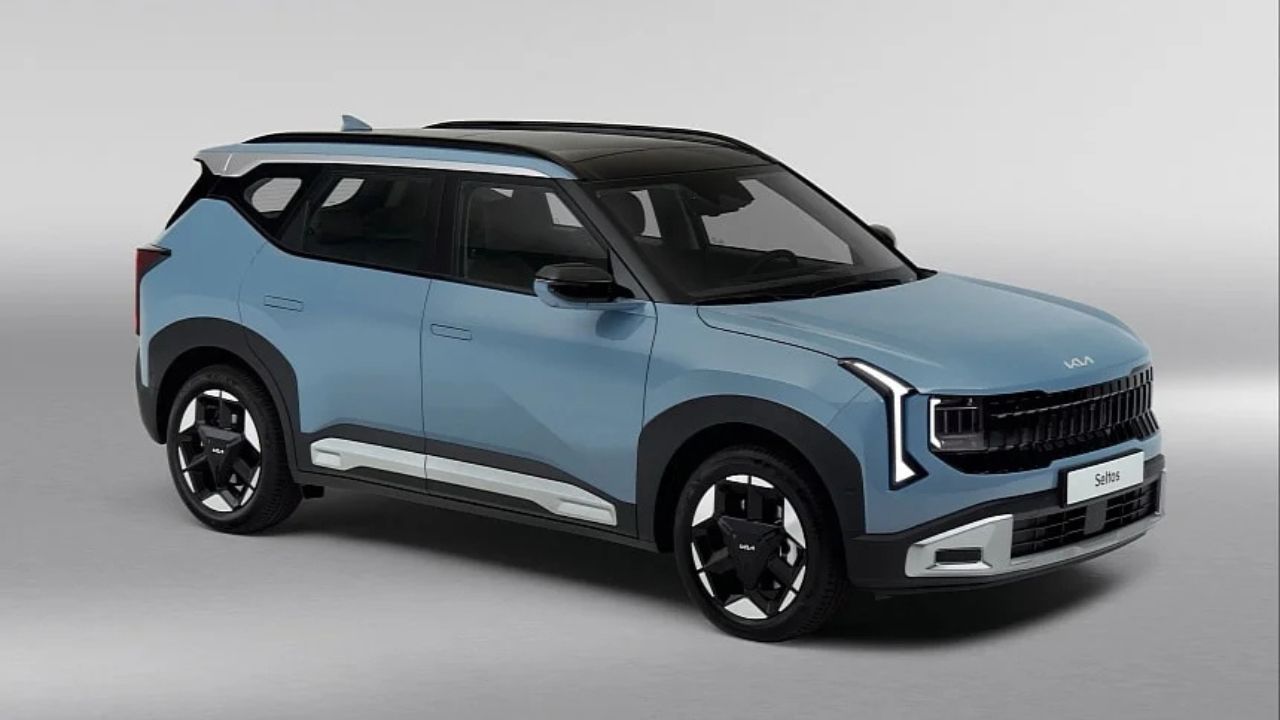
Kia is preparing to bring the Seltos compact SUV to Europe in 2026, positioning it directly against the region’s best-selling mainstream crossovers. The move extends Kia’s small-SUV push beyond Asia and North America and folds the Seltos into a broader electrification and hybrid strategy for the European market. For Volkswagen, whose compact SUV line has long dominated European sales charts, the arrival of another sharp-priced Korean rival raises the competitive temperature in a segment that already defines the continent’s family-car market.
Timed to coincide with a wave of new electric and hybrid models, the Seltos launch is Kia’s attempt to balance Europe’s rapid shift away from combustion engines with ongoing demand for affordable, practical petrol and hybrid crossovers. The strategy suggests that the fight for Europe’s compact SUV crown is about to intensify, not just on emissions and technology, but on value, design, and brand loyalty.
What happened
Kia has confirmed a fresh product push for 2026 that includes new electric vehicles and hybrid SUVs, with the Seltos slated to join its European range as part of that rollout. The company is planning a mix of battery-electric and hybrid models targeted at key global markets, and Europe is a central pillar of that plan. In that context, the Seltos becomes more than a single model introduction. It is a bridge between Kia’s existing combustion-based small SUVs and the next wave of electrified crossovers that will sit above and alongside it.
The Seltos itself is already a known quantity in other regions. In markets such as India, South Korea, and North America, it serves as a compact SUV positioned between the smaller Sonet or Soul and larger models like the Sportage. It typically offers a choice of petrol engines and, in some regions, diesel or mild-hybrid options, along with front-wheel drive and, on some trims, all-wheel drive. By bringing that package to Europe, Kia is effectively inserting another player into the same space occupied by the Volkswagen T-Roc and T-Cross, along with rivals from Renault, Peugeot, and Hyundai.
According to Kia’s latest product roadmap, the Seltos will arrive alongside new hybrid SUVs that are designed to lower fleet emissions while keeping prices within reach of mainstream buyers. The roadmap outlines how Kia intends to expand its electrified portfolio with additional battery-electric models and plug-in hybrids, while also refreshing or adding hybrid versions of existing nameplates. The Seltos is expected to tap into this strategy, with a focus on efficient powertrains that can meet tightening European CO₂ targets without pricing out customers who are not yet ready to move to a full EV.
The broader plan, highlighted in Kia’s 2026 product preview, includes new dedicated EVs as well as hybrid SUVs tailored to regional needs. That preview, which details several upcoming models, explicitly places Europe among the priority markets for the next phase of Kia’s electrification push. It notes that new hybrid SUVs will complement the company’s EV range, creating a layered lineup that can respond to different regulatory and consumer environments. Within that portfolio, the Seltos is expected to serve as an accessible entry point for buyers who want SUV styling and modern tech in a compact footprint.
Kia has also signaled that it will continue to refine its interior and connectivity offerings across the range. In markets where the Seltos is already on sale, it features large infotainment screens, digital instrument clusters on higher trims, and connected services that tie into smartphone apps. Kia’s European rollout plan suggests that similar technology packages will be carried over or upgraded to meet the expectations of buyers who have grown used to high levels of connectivity in even relatively affordable cars.
Crucially, Kia is not treating the Seltos as an isolated experiment in Europe. The vehicle’s introduction is tied to a coordinated strategy that includes new EVs and hybrid SUVs, as detailed in the company’s 2026 product plans. Those plans, outlined in coverage of Kia’s upcoming lineup, describe how the brand will introduce additional electric models and hybrid crossovers in 2026, including new EVs and that target growth segments across global markets. The Seltos will arrive in Europe within that broader wave, rather than as a late add-on.
Why it matters
The European compact SUV segment is arguably the most important battleground for mass-market brands. Models like the Volkswagen T-Roc, T-Cross, and Tiguan have built their success on a mix of practicality, familiar styling, and strong resale values. For years, Volkswagen’s small SUVs have ranked among the top sellers in Europe, often topping national charts in markets such as Germany and the United Kingdom. When a new competitor arrives in that space, particularly from a fast-rising brand like Kia, the impact can ripple across pricing, equipment levels, and even powertrain strategies.
Kia’s decision to bring the Seltos to Europe reflects growing confidence in its ability to challenge entrenched players on their home turf. The brand has already made significant inroads with models such as the Sportage and Niro, which have gained traction thanks to strong design, long warranties, and competitive hybrid and plug-in hybrid options. Adding the Seltos gives Kia another tool to capture buyers who might otherwise default to a Volkswagen or Renault when shopping for a compact SUV.
The move also underscores a strategic bet on the continued relevance of compact combustion and hybrid SUVs in Europe, even as regulators push aggressively toward zero-emission vehicles. While electric models are gaining share, a large portion of European buyers still look to petrol and hybrid crossovers as their primary family cars. By offering a model like the Seltos, potentially with efficient hybrid powertrains, Kia can serve those customers while using its growing EV range to satisfy stricter fleet-average emission rules.
For Volkswagen, the arrival of the Seltos adds pressure to keep its compact SUVs fresh and competitively priced. The T-Roc and T-Cross already face competition from the Hyundai Kona, Peugeot 2008, Renault Captur, and several Chinese entrants in some markets. Kia’s Seltos adds another well-equipped rival that typically undercuts European incumbents on price while offering generous standard equipment. That combination has helped Kia and its affiliate Hyundai steadily erode market share from traditional European brands over the past decade.
The Seltos could also influence how quickly Kia and Volkswagen adjust their electrification timelines in this segment. If Kia chooses to offer a strong hybrid or plug-in hybrid version of the Seltos in Europe, it could attract buyers who want lower running costs and access to low-emission zones without committing to a full EV. Volkswagen, which has focused much of its electrification push on the ID family of battery-electric models, may feel compelled to accelerate hybridization within its compact SUV range if demand shifts in that direction.
Beyond emissions and pricing, interior technology and perceived quality will play a central role in how the Seltos is received. European buyers in this class increasingly expect large touchscreens, seamless smartphone integration, and advanced driver-assistance systems as standard or near-standard equipment. In markets where it is already sold, the Seltos has competed strongly on these fronts, often offering big screens and features like adaptive cruise control and lane-keeping assistance at lower price points than some European rivals. If Kia brings a similar specification strategy to Europe, it could force competitors to add equipment or cut prices to keep up.
The timing of the Seltos launch also matters for Kia’s brand positioning. By 2026, the company expects to have expanded its EV range significantly, including additional models built on its dedicated electric platforms. Introducing the Seltos alongside those vehicles allows Kia to present a cohesive narrative: a brand that offers everything from affordable compact SUVs to advanced EVs within a single showroom. That could help it attract a broader range of customers, from budget-conscious buyers to early adopters of new technology.
On the retail side, dealers across Europe are likely to welcome a new compact SUV that can draw foot traffic and compete directly with best-selling models from Volkswagen and others. The Seltos gives dealers another lever to pull when trying to keep customers within the Kia family, especially those who might otherwise leave for a rival brand when they outgrow smaller hatchbacks or crossovers. It also gives leasing companies and fleet buyers an additional option in a segment where total cost of ownership and residual values are closely scrutinized.
There is also a broader industrial angle. As Kia expands its European lineup, questions will arise about where the Seltos for Europe will be built and how that fits into the company’s manufacturing footprint. Kia already operates a major plant in Slovakia that produces models like the Sportage and Ceed. Depending on production decisions, the Seltos could help optimize capacity at existing European facilities or rely on imports from plants in South Korea or India. Those choices will affect logistics, pricing, and potentially even political perceptions of the brand in key markets.
What to watch next
The next major milestone will be Kia’s detailed European specification for the Seltos, including powertrain options, trim levels, and pricing. Observers will be watching closely to see whether Kia offers a full hybrid or plug-in hybrid variant from launch, or whether it initially focuses on efficient petrol engines with mild-hybrid assistance. The presence or absence of a strong hybrid option could significantly influence the Seltos’s appeal in markets where tax regimes and urban access rules favor lower-emission vehicles.
Pricing will be another key variable. In other regions, the Seltos has carved out a niche by offering a slightly more premium feel than the most basic small SUVs, while still undercutting many European rivals. If Kia can replicate that formula in Europe, positioning the Seltos just below the Volkswagen T-Roc in price but close in perceived quality, it could draw buyers who are sensitive to monthly payments but still want a well-equipped car. Conversely, if pricing creeps too close to established European models, the Seltos may face a tougher battle for market share.
Regulatory developments will shape the Seltos’s trajectory as well. The European Union’s tightening CO₂ standards and the growing number of low-emission zones in major cities are gradually pushing automakers toward electrified powertrains. If regulations accelerate further by 2026, Kia may have to lean more heavily on hybrid or plug-in hybrid versions of the Seltos to keep fleet emissions in check. That could, in turn, affect the model’s pricing and positioning relative to pure electric alternatives within Kia’s own lineup.
Volkswagen’s response will be just as important to watch. The company may choose to refresh the T-Roc and T-Cross with updated styling, more advanced driver-assistance systems, or new hybrid options to maintain their appeal. It could also adjust pricing or equipment strategies to blunt the impact of the Seltos and other new entrants. Any such moves will signal how seriously Volkswagen views the threat from Kia and other challengers in its core SUV segments.
More from Fast Lane Only