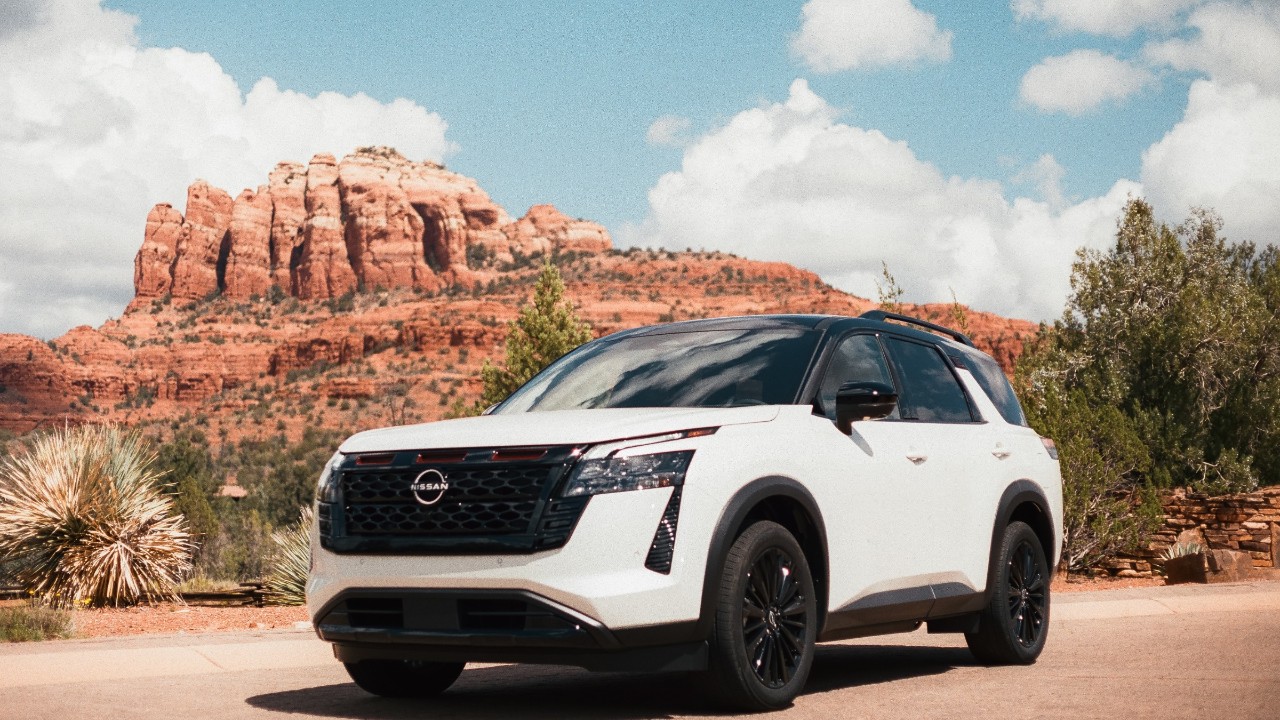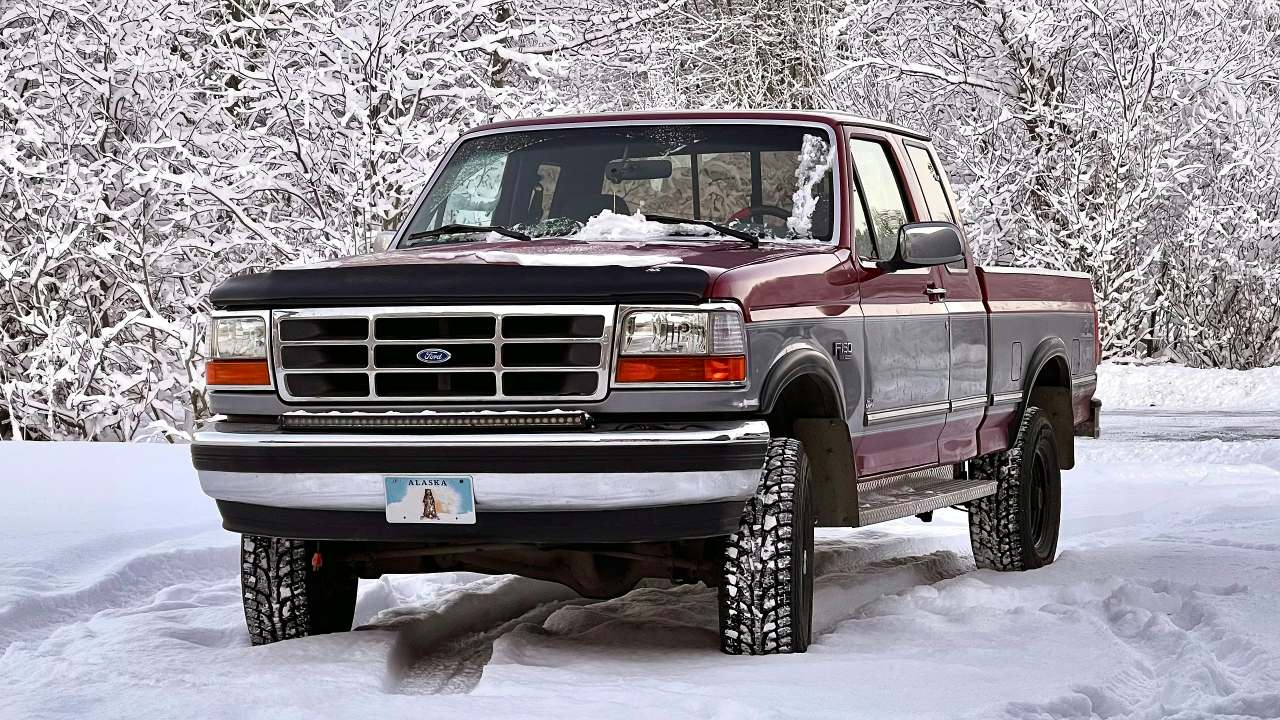
Winter driving is not a theoretical problem for engineers, it is a daily calculation for anyone who has watched a car slide helplessly toward a red light. The choice between investing in snow tires or in all-wheel drive can feel like a referendum on safety, cost, and even identity as a driver, yet the physics of grip and traction are far less emotional than the sales brochures suggest. I want to cut through that noise and weigh what actually keeps a car controlled when the road turns white and slick.
What all-wheel drive really does in the snow
When I talk with drivers who swear by all-wheel drive, what they usually describe is confidence pulling away from a stop on a snowy street. That instinct is grounded in reality: by sending power to all four wheels, an AWD system can help a car accelerate more cleanly on low-traction surfaces than a front- or rear-drive layout that relies on only two contact patches. Testing cited in one detailed review of winter performance found that all-wheel drive was “far better than two-wheel drive” for getting moving on slick surfaces where strong traction is needed, and that advantage shows up most clearly in deep snow or on steep, icy driveways where a single driven axle tends to spin.
However, the same reporting also underlines a limit that I see many drivers underestimate. All-wheel drive does not shorten stopping distances on ice, and it does not magically improve cornering grip once the tires themselves have lost contact with the surface. In controlled track work, observers noted that an AWD vehicle on ordinary all-season tires could accelerate briskly yet still needed roughly 300 feet to come to a halt from 60 mph on a slick surface, a reminder that the drivetrain cannot rewrite the laws of friction. Technical guidance from tire engineers echoes this point, explaining that while AWD can help you “get going” in winter weather, it does not replace the need for tires that are actually designed to bite into snow and maintain control when you brake or steer.
Why winter tires change the physics of grip
Where AWD focuses on how power leaves the engine, winter tires focus on how forces meet the road, and that is where safety is ultimately decided. A proper snow tire uses a softer rubber compound that stays pliable in low temperatures, along with deep tread blocks and dense siping that can pack and then release snow to generate grip. Tire specialists emphasize that installing a full set of winter tires can “dramatically improve vehicle control” in severe conditions, because every maneuver, from braking to lane changes, depends on the friction between rubber and surface rather than on which wheels are driven. In practice, that means a front-wheel-drive sedan on quality winter tires can often stop shorter and track more predictably through a snowy corner than a heavier AWD crossover on generic all-season rubber.
I find the contrast especially stark when looking at how different setups behave in emergency situations. Analyses of winter crashes repeatedly highlight that many drivers overestimate what their drivetrains can do and underestimate what their tires cannot. One safety-focused breakdown put it bluntly: even all-wheel drive vehicles require winter tires for safe driving in snow and ice, because the system can only distribute torque among the four wheels that are already struggling for grip. Without a cold-weather compound and aggressive tread, those wheels simply slide together. That is why tire experts and independent testers alike keep returning to the same conclusion: if the goal is to maintain control when you need to brake hard or swerve, winter tires are the more transformative upgrade.
The myth of AWD as a substitute for snow tires
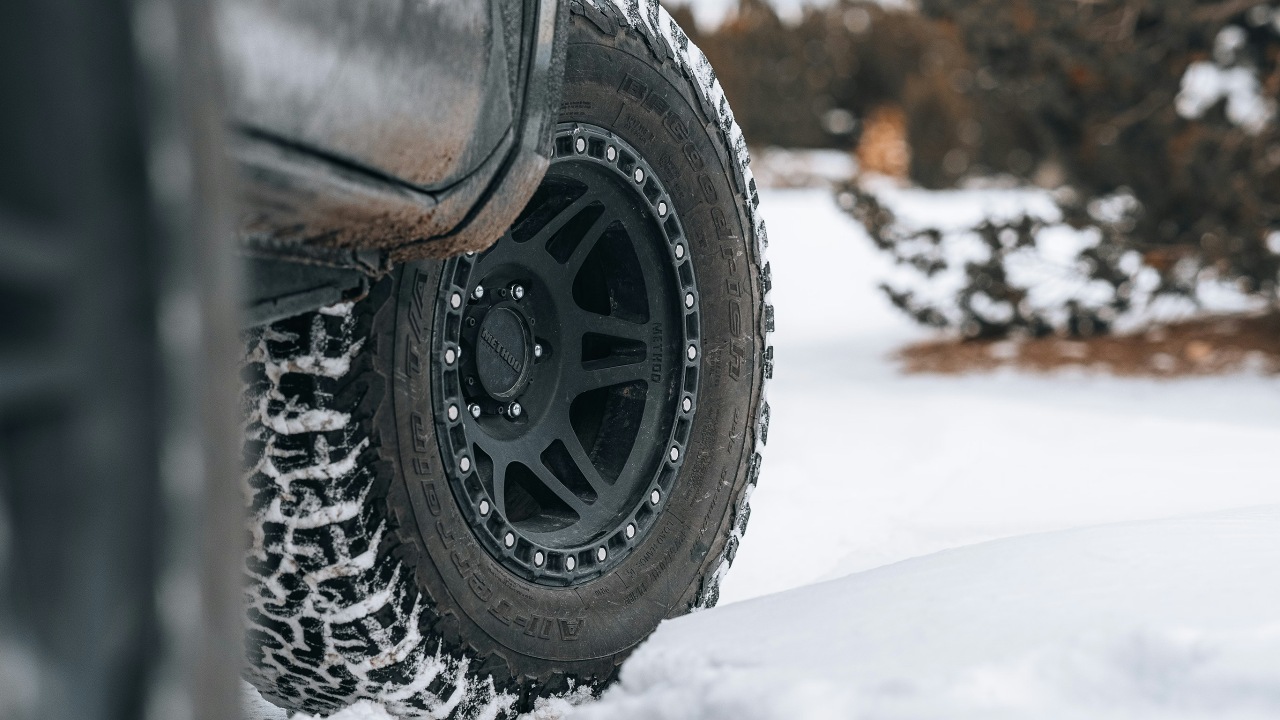
In conversations at dealerships and in online forums, I often see a persistent myth that buying an AWD vehicle is a way to “skip” winter tires. The appeal is obvious, since a new Subaru Outback or Toyota RAV4 with all-wheel drive feels like a one-time solution, while a second set of tires looks like an ongoing expense. Yet detailed winter driving guides are explicit that this belief is misplaced. One widely cited breakdown of cold-weather preparation labels it as “Myth 1” that AWD replaces the need for winter tires, stressing that the system improves traction when accelerating but does not change how the rubber interacts with snow, slush, or ice when you try to slow down. The same guidance notes that even the best all-season tires harden in low temperatures, which erodes grip precisely when you need it most.
That misconception can have real financial and safety consequences. A column that framed the choice as “Does The Smart Money Go With Winter Tires Or All Wheel Drive For Winter Driving” argued that in an ideal world every driver would have both, but when budgets are tight, the smarter investment is usually a dedicated winter set. The reasoning is straightforward: a front- or rear-drive car on proper snow tires will generally outperform an AWD vehicle on all-seasons in braking and cornering, and avoiding even a single low-speed collision or insurance claim can offset the cost of the tires. Another safety-focused explainer, titled “Is Driving AWD On Snow Without Winter Tires Safe,” reinforces that even advanced AWD systems cannot compensate for the lack of winter-rated rubber, warning that drivers who rely solely on their drivetrains risk a false sense of security that disappears the moment they need to stop quickly.
How to match your car, climate, and budget
When I strip away the marketing language, the most honest answer to the snow tires versus AWD debate is that the right choice depends on where and how you drive, but the priority should still be grip. For someone in a city that sees occasional light snow and mostly wet, cold pavement, a set of winter tires on a front-wheel-drive car like a Honda Civic or a Toyota Camry can deliver a huge safety margin without the added cost and complexity of an AWD system. Tire engineers point out that winter tires improve not only traction in deep snow but also handling and braking in cold, dry conditions, because their compounds are tuned for low temperatures. That means the benefit shows up on frosty mornings and shaded overpasses even when the road looks clear.
In contrast, if you live in a region with frequent heavy snowfall, unplowed side streets, or steep hills, pairing AWD with winter tires can be worth the investment. A detailed winter driving guide framed it this way: winter driving demands more than just caution, it requires the right equipment, and the most robust setup combines a drivetrain that can send power to all four wheels with tires that are rated for snow and ice. That combination helps you pull away from deep snowbanks, climb icy grades, and still stop and turn with authority when traffic suddenly slows. However, the same guide stresses that if you must choose, winter tires on any drivetrain are a more critical safety upgrade than AWD on all-season rubber, because they directly address the fundamental limitation of traction.
Making a smart, long-term winter strategy
For drivers weighing a new vehicle purchase against a tire upgrade, I find it useful to think in terms of long-term strategy rather than a single season. A thoughtful analysis of the “winter tires vs all-wheel drive” question noted that while AWD adds cost upfront and at the pump, a dedicated set of winter tires can be rotated seasonally, extending the life of your all-season or summer set and spreading the expense over several years. In that sense, snow tires function as both a safety tool and a way to preserve your primary tires, especially if you store them properly and mount them on a separate set of wheels to simplify seasonal changes. Over a typical ownership cycle, the total cost difference between running two sets of tires and relying on one all-season set can narrow, particularly if you factor in the avoided wear from cold-weather use.
I also pay close attention to how different drivetrains behave once conditions improve. A detailed blog entry that asked whether it is better to have winter tires or AWD in the snow pointed out that all-wheel drive systems add weight and mechanical complexity, which can slightly reduce fuel economy and increase maintenance costs over time. For drivers who spend most of the year on dry pavement, that trade-off may not be worth it if their climate only occasionally turns treacherous. In those cases, a well-chosen set of winter tires, installed when temperatures consistently drop, can deliver most of the cold-weather benefit without locking you into the year-round compromises of AWD. On the other hand, if you regularly travel to mountain passes, remote cabins, or rural routes that are plowed late, combining AWD with winter tires is the most comprehensive way to stack the odds in your favor.
After weighing the reporting and the physics, I keep coming back to a simple hierarchy. First, prioritize winter-rated tires whenever your local climate spends long stretches below freezing or sees regular snow and ice. Second, view AWD as a valuable complement that improves your ability to get moving and stay moving, not as a substitute for proper rubber. If your budget or circumstances force a choice, the evidence is clear that a modest car on good snow tires is a safer winter companion than a sophisticated AWD machine skating on hardened all-seasons. That may not be the flashiest answer, but it is the one most consistent with what engineers, testers, and real-world crash data keep showing once the roads turn slick.