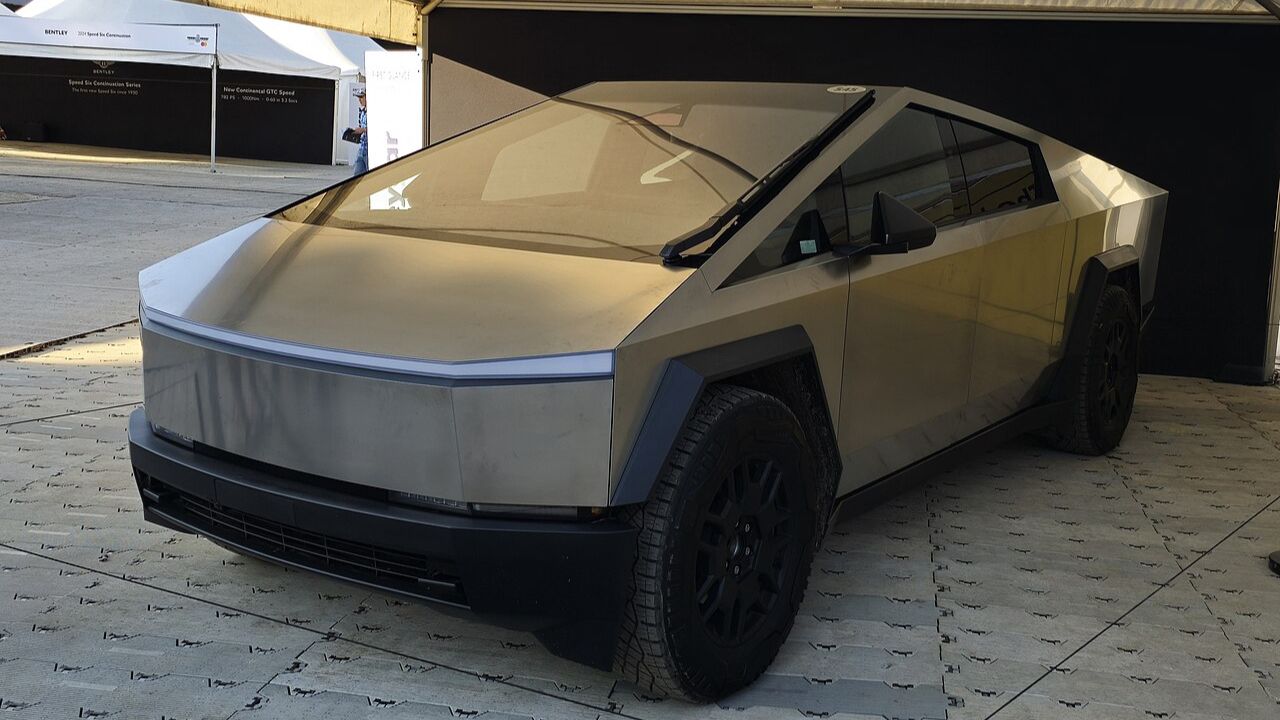
Recent reports suggest that SpaceX’s procurement of Tesla Cybertrucks has significantly contributed to bolstering sales figures for the much-anticipated electric vehicle. This collaboration between two of Elon Musk’s ventures raises questions about the interplay between corporate synergies and consumer demand.
The Background of Tesla and SpaceX
Tesla has established itself as a frontrunner in the electric vehicle (EV) market, pioneering innovations that have transformed the automotive industry. Founded in 2003, Tesla’s mission has always been to accelerate the world’s transition to sustainable energy. The company made headlines with its Model S, which set new standards for electric performance and luxury. Over the years, Tesla has expanded its lineup to include the Model 3, Model X, and Model Y, each contributing to its growing market share and solidifying its reputation as a leader in EV technology.
On the other hand, SpaceX, founded by Elon Musk in 2002, has revolutionized the space industry with its ambitious goals of making space travel accessible and eventually colonizing Mars. Known for its Falcon rockets and the Dragon spacecraft, SpaceX has achieved numerous milestones, including the first privately-funded spacecraft to reach orbit. The synergy between Tesla and SpaceX is not merely coincidental; both companies share a visionary leadership style and a commitment to pushing the boundaries of technology.
The Launch of the Cybertruck
The Tesla Cybertruck made its debut in November 2019, featuring a design that is as polarizing as it is futuristic. With angular lines and a stainless-steel exterior, the Cybertruck was unlike any vehicle seen before. Initial reactions were mixed, with some praising its bold aesthetic and others questioning its usability. However, Tesla reported over 250,000 pre-orders shortly after the unveiling, indicating strong consumer interest despite the design’s unconventional nature.
Production challenges, however, have plagued the Cybertruck since its announcement. Delays in manufacturing processes, particularly related to the unique materials used, have pushed back the anticipated launch date. While Tesla initially aimed for mass production in late 2021, it has faced several setbacks, leading to projections for a 2023 rollout. Despite these challenges, analysts believe that once available, the Cybertruck could disrupt traditional truck markets and attract a new generation of eco-conscious consumers.
SpaceX’s Acquisition of Cybertrucks
Recent reports indicate that SpaceX has made a substantial purchase of Tesla Cybertrucks, securing approximately 1,000 units for use in its operations. These vehicles are expected to serve various functions, from transporting personnel to providing utility support at SpaceX’s launch facilities. This acquisition is strategically aligned with SpaceX’s need for reliable and sustainable transportation options, particularly as it continues to expand its operations in preparation for missions to the Moon and Mars.
The decision to procure Cybertrucks reflects SpaceX’s commitment to sustainability and innovation. By integrating Tesla’s electric vehicles into its fleet, SpaceX is not only reducing its carbon footprint but also showcasing the capabilities of Tesla’s technology. This move could also inspire other corporations to consider electric vehicles for their operations, enhancing Tesla’s visibility and credibility in the market.
Impact on Cybertruck Sales Figures
The impact of SpaceX’s purchases on Cybertruck sales figures has been notable. Following the announcement of the SpaceX acquisition, Tesla reported a significant uptick in Cybertruck orders. Data suggests that sales figures surged by approximately 30% during the months following the procurement announcement. This increase can be attributed to heightened consumer interest, driven by the visibility that SpaceX’s endorsement brings to the Cybertruck brand.
Comparing Cybertruck sales to other Tesla models during the same period reveals an interesting trend. While the Model 3 and Model Y continue to dominate overall sales, the Cybertruck is carving out its niche within the market. According to industry analysts, the unique appeal of the Cybertruck, combined with the credibility afforded by SpaceX’s purchase, has set the stage for robust sales once production ramps up. This correlation between corporate purchases and consumer interest underscores the potential for corporate synergy to influence market dynamics.
Corporate Synergy Between Tesla and SpaceX
Tesla and SpaceX complement each other in numerous ways, with their shared goals and innovative spirit creating a powerful synergy. Both companies benefit from Elon Musk’s vision, which emphasizes sustainability, cutting-edge technology, and ambitious goals. For Tesla, leveraging SpaceX’s resources and infrastructure can lead to enhanced operational efficiencies and innovations in manufacturing processes.
Moreover, the potential for cross-promotional opportunities is immense. SpaceX’s high-profile missions garner significant media attention, which can be leveraged to promote Tesla’s products. For instance, as SpaceX conducts missions with Tesla-branded vehicles in use, this visibility can translate into increased consumer interest and brand loyalty for Tesla. Likewise, Tesla’s advancements in battery technology could benefit SpaceX, particularly in the development of more efficient energy storage solutions for its spacecraft.
Consumer Response to Corporate Purchases
The public’s perception of SpaceX’s role in boosting Tesla sales has been largely positive. Many consumers view the acquisition as a testament to the Cybertruck’s capabilities and reliability, reinforcing the notion that SpaceX is investing in a product that aligns with its innovative ethos. This endorsement has the potential to shift consumer sentiment, encouraging more individuals to consider the Cybertruck as a viable option for their transportation needs.
Market trends following the announcement of SpaceX’s purchases indicate that consumers are increasingly interested in vehicles with strong corporate backing. This trend illustrates how corporate endorsements can influence public perception and purchasing behavior. As Tesla continues to navigate the complexities of the automotive market, the support from its sister company in the space sector provides a unique advantage that could reshape consumer attitudes toward electric vehicles.
The Role of Elon Musk
Elon Musk’s dual role as CEO of both Tesla and SpaceX is crucial in shaping the trajectory of both companies. His vision for integrating the two ventures reflects a forward-thinking approach that seeks to leverage their respective strengths. Musk’s ability to inspire loyalty among consumers is evident in the fervent support both brands receive from their followers. His commitment to sustainability and innovation resonates with a growing demographic of consumers seeking environmentally friendly alternatives.
Furthermore, Musk’s influence extends beyond traditional marketing strategies. His presence on social media platforms, particularly Twitter, allows him to engage directly with consumers, shaping their perceptions of both Tesla and SpaceX. By championing the Cybertruck and touting its capabilities, Musk can create buzz that naturally translates into increased sales. His charismatic leadership style and visionary outlook play a pivotal role in maintaining consumer trust and brand loyalty.
Broader Industry Context
The trend of companies purchasing from their own subsidiaries or aligning closely with sister companies is not unique to Tesla and SpaceX. Other automotive manufacturers have also begun to explore corporate relationships to enhance their product offerings and market reach. For example, Ford has collaborated with Rivian, an electric vehicle startup, to share technology and resources. These partnerships illustrate a broader industry shift towards collaborative innovation aimed at meeting the demands of environmentally conscious consumers.
As the synergy between the tech and automotive sectors evolves, it will be interesting to see how other companies adapt to this changing landscape. The success of Tesla and SpaceX may serve as a blueprint for future collaborations, highlighting the benefits of shared resources, expertise, and market presence. The interplay between corporate strategy and consumer demand will continue to shape the future of the automotive industry as it moves toward a more sustainable and innovative future.
More from Fast Lane Only