It started the way a lot of car stories start: an empty stretch of highway, a quick downshift, and that satisfying surge when a sports car finally gets to breathe. Then came a sound that didn’t belong—one sharp, metallic tick that cut through the exhaust note like a pebble hitting a fan blade. A second later, the pull went flat, the engine stumbled, and the dash lit up with the kind of warning lights nobody wants to collect.
By the time the car coasted onto the shoulder, the “tick” had turned into a rough, uneven idle that sounded like it was missing a cylinder and arguing with itself. It wasn’t. One valve spring had failed, the valve lost control, and at around 6,000 rpm the valve dropped into the cylinder. In engine terms, that’s less “minor inconvenience” and more “expensive physics lesson.”
The Sound That Changed Everything
That initial tick is what made the moment feel so uncanny. It wasn’t a long rattle or a steady knock; it was brief, bright, and oddly precise—like a tiny hammer tapping a soda can. People who’ve heard it before will tell you the same thing: your brain registers it as “not normal” before you can even explain why.
At high rpm, valve train noises can get masked by intake roar and exhaust, so a tick loud enough to break through is usually a clue that something has shifted from “wear” to “failure.” The tricky part is it can happen fast. A weakened spring can hang on for months, then give up during one spirited pull when loads and harmonics line up just wrong.
What “Dropping a Valve” Actually Means
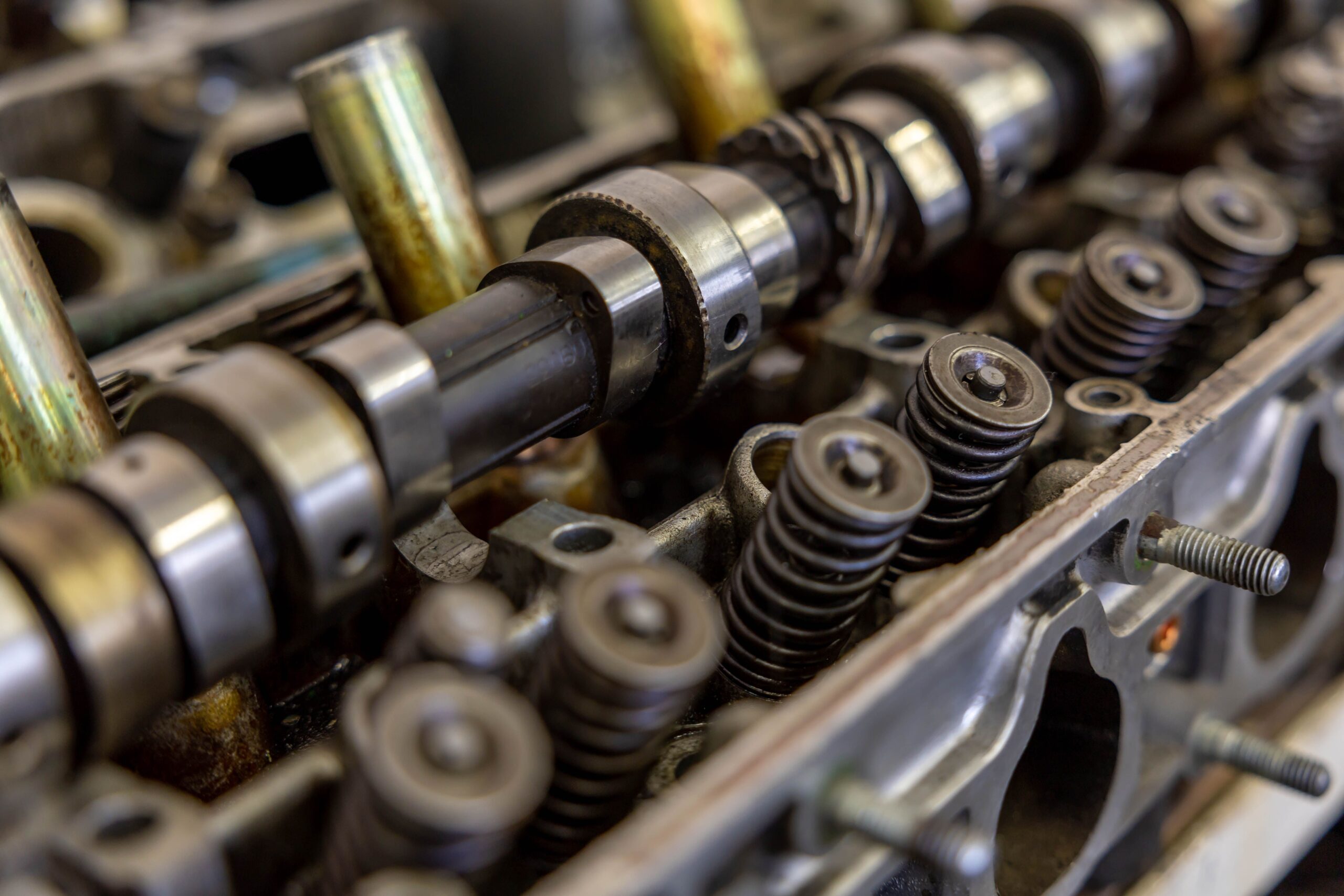
Inside a four-stroke engine, valves open and close to let air and fuel in and exhaust out, and they’re supposed to stay on a tight schedule with the piston. Valve springs are the bouncers that keep those valves under control, snapping them shut and preventing them from floating at high speed. When a spring breaks, the valve can fail to close, wobble in its guide, or even fall far enough that the piston can smack it.
“Dropped a valve” is the nightmare version: the valve ends up where it absolutely can’t be—inside the combustion chamber at the wrong time. At 6,000 rpm, the piston is moving up and down 100 times per second. That doesn’t leave room for a metal disc on a skinny stem to share the space politely.
Why It Happened at 6,000 RPM
Highway pulls feel smooth from the driver’s seat, but the parts are living a different life. The valve train is cycling insanely fast, and springs are compressing and rebounding at a rate that turns tiny weaknesses into sudden breaks. Add heat, oil aeration, and the extra stress of a downshift, and you’ve got the perfect stage for a spring that’s already tired.
There’s also something called valve float, where the spring can’t close the valve quickly enough at high rpm, letting it hang open longer than it should. Even without true float, a broken spring can mimic it instantly. Once the valve loses control, the piston doesn’t “maybe” hit it—it tries to occupy the same space on schedule, every time.
The Chain Reaction Inside the Engine
When a valve drops, the immediate damage usually isn’t subtle. The piston crown can get punched, the valve head can bend or snap, and the cylinder head can take shrapnel. If the valve breaks apart, those fragments can ricochet around the chamber, chewing up the combustion surface and sometimes damaging the spark plug or injector tip.
In many cases, the connecting rod survives, but the cylinder walls might not. If debris scores the cylinder or a fragment gets trapped, it can crack a piston or damage rings in a way that sends metal through the oil. That’s when a “top-end repair” becomes a full rebuild—or a replacement engine hunt that spirals into late-night browsing and questionable optimism.
What the Driver Noticed—and What Helped
After the tick, the car reportedly lost power immediately, followed by a harsh misfire and a blinking check-engine light. That blinking light matters; it’s the car’s way of saying the misfire is severe enough to risk damage, especially to the catalytic converter. The smartest move in that moment is exactly what happened: get off throttle, don’t keep revving it “to see if it clears,” and pull over safely.
It’s tempting to limp home, but if a valve has dropped, every revolution can multiply the destruction. Even idling can be risky if metal is bouncing around. Turning it off and calling for a tow feels dramatic until you compare the cost of a tow to the cost of turning a repairable head into an engine-shaped paperweight.
How a Shop Confirms a Dropped Valve
Diagnosis usually starts with basics: scan codes, listen for uneven cranking, and check compression. A dead cylinder with near-zero compression is a big hint, and a leak-down test can point straight to the intake or exhaust side. If air rushes out of the intake or tailpipe, the valve isn’t sealing—either bent, stuck, or missing the closing force it needs.
Then comes the definitive move: a borescope through the spark plug hole. If there’s a valve head sitting at a weird angle, impact marks on the piston, or shiny metal debris where it shouldn’t be, the mystery ends quickly. At that point the cylinder head has to come off, and the real question becomes how much of the bottom end got dragged into the mess.
Why Valve Springs Fail in the Real World
Sometimes it’s just age and fatigue. Springs live a hard life, and the repeated stress cycles eventually win, especially if the engine sees high rpm often. Heat doesn’t help either; sustained temperatures can weaken the metal over time, and oiling issues can accelerate wear in the guides and retainers that keep everything aligned.
Modifications can also stack the odds. Aggressive cams, higher rev limits, or heavier valves can demand stronger springs and better retainers, and a mismatch can shorten spring life. Even a “simple” tune that raises the limiter can be the difference between a spring living comfortably and being asked to sprint every day in shoes that don’t fit.
What Happens Next: Repair Options and Reality Checks
If the damage is contained to the head and a single cylinder, the fix might involve replacing the broken spring, the valve, and possibly the guide and seat, plus a new piston if it took a hit. But if the cylinder wall is scored or the piston shattered, that’s when it turns into a short block replacement or a full rebuild. Labor adds up fast because everything has to be measured, cleaned, and inspected—no one wants leftover metal sneaking into fresh bearings.
Owners often face a fork in the road: rebuild the original engine, swap in a remanufactured unit, or source a used engine with unknown history. Rebuilds can be great when done right, but they depend on machine shop availability and parts lead times. Used engines can be quicker, but it’s a bit like buying a mystery box that happens to weigh 400 pounds.
The Takeaway for Anyone Who Likes a Good Pull
The frustrating part is that the warning can be small—just a tick, just once, right before everything changes. If a new noise shows up under load or at high rpm, it’s worth treating it like a check-engine light for your ears. Back off, listen, and if it repeats, get it checked before “a little sound” becomes “a lot of metal.”
And if you’re running higher rpm than stock—whether from mods or just enthusiasm—valve springs are one of those unglamorous parts that deserve attention. Nobody posts photos of fresh springs the way they post exhaust tips, but springs are the difference between a fun redline and a tow truck selfie. Sometimes the quiet hero is the coil of steel you never see, right up until it quits.
More from Fast Lane Only
- Unboxing the WWII Jeep in a Crate
- 15 rare Chevys collectors are quietly buying
- 10 underrated V8s still worth hunting down
- Police notice this before you even roll window down
*Research for this article included AI assistance, with all final content reviewed by human editors.