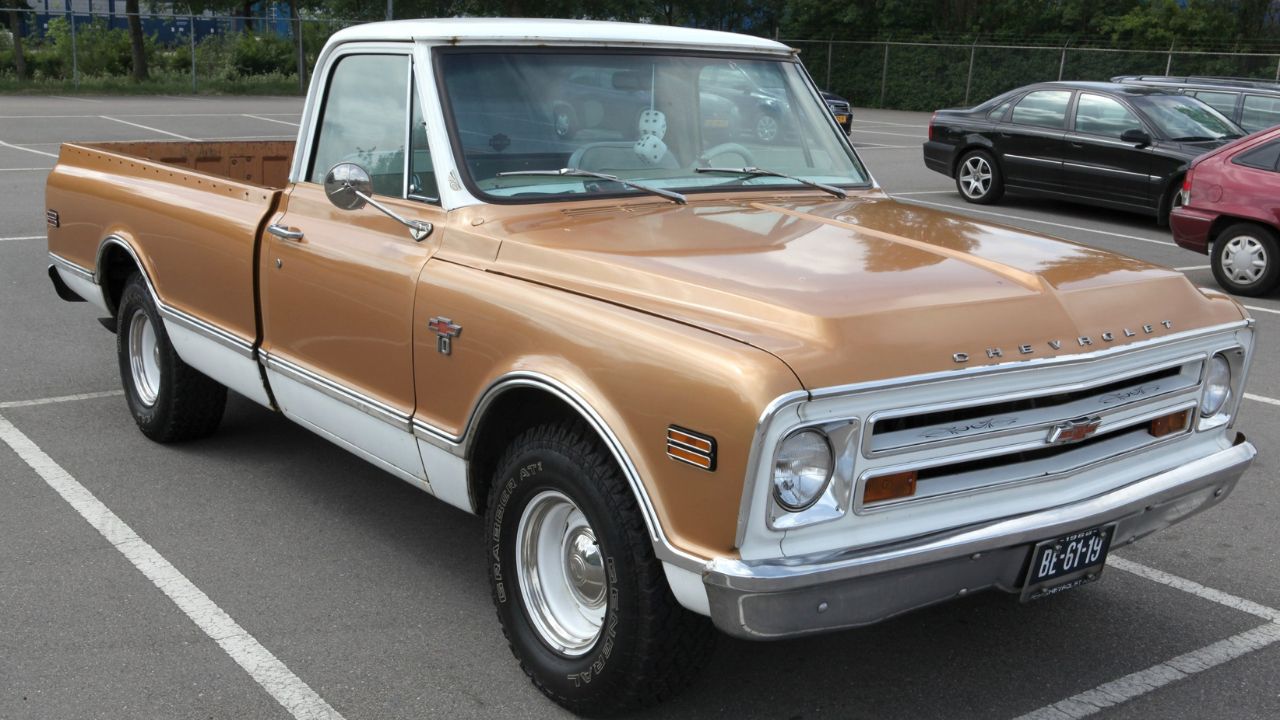
For much of automotive history, pickup trucks were viewed as tools first and vehicles second.
Manufacturers built them to haul equipment, transport supplies, and survive demanding work environments. Comfort, styling, and driving enjoyment were often secondary considerations. If a truck could carry a heavy load and withstand years of hard use, it had accomplished its mission.
By the late 1960s, however, buyer expectations were beginning to change.
America was becoming increasingly suburban, and many truck owners were using their vehicles for more than work alone. Pickups still needed to be capable, but buyers also wanted better ride quality, improved comfort, and more attractive styling. The traditional distinction between work vehicles and personal transportation was starting to blur.
Chevrolet recognized this shift.
When the company introduced the redesigned C/K truck line for 1967 and carried it into the 1968 model year, it delivered something that felt remarkably modern. The 1968 Chevrolet C10 retained the durability and utility truck buyers expected, but it also introduced a level of refinement that helped expand the pickup’s appeal far beyond farms, construction sites, and commercial fleets.
In many ways, the truck anticipated the future.
The C10 showed that a pickup could be both practical and enjoyable, helping redefine what buyers expected from the segment.
More than fifty years later, its influence remains easy to see.
Trucks Were Changing Along With America
The 1960s were a period of major transformation for the American automotive industry.
As suburban communities expanded and recreational activities became more popular, consumer needs evolved. Increasing numbers of buyers wanted vehicles capable of handling both work and leisure responsibilities. A pickup might spend weekdays hauling materials and weekends pulling a boat or carrying camping gear.
Manufacturers paid attention.
They realized that many customers no longer viewed trucks exclusively as commercial equipment. Personal ownership was growing, and those buyers often valued comfort and appearance alongside capability.
Chevrolet understood this trend particularly well.
The company recognized that future success would require appealing to a broader audience than traditional truck buyers alone.
The redesigned C10 became a key part of that strategy.
The New Body Looked More Modern
One of the most obvious improvements involved styling.
Compared with many earlier pickups, the 1968 C10 looked cleaner, wider, and more contemporary. Chevrolet’s designers created a truck with smoother body lines, improved proportions, and a more integrated appearance that reflected changing automotive tastes.
The design was functional, but it was also attractive.
This distinction mattered because buyers increasingly cared about how their vehicles looked. Trucks were becoming more visible in suburban driveways and urban settings, where appearance carried greater importance than it might have on a remote job site.
The C10 projected confidence without excessive ornamentation.
Its styling struck a balance between ruggedness and sophistication.
That balance helped broaden its appeal significantly.
Chevrolet Focused on Ride Quality
Perhaps the most important way the C10 redefined expectations was through its driving experience.
Historically, many pickups delivered rough rides because utility took precedence over comfort. Owners often accepted harsh suspension behavior as a necessary tradeoff for load-carrying capability.
Chevrolet challenged that assumption.
The C10 featured a coil-spring rear suspension design that improved ride quality substantially compared to many competing trucks of the era. The setup helped absorb road imperfections more effectively and created a smoother, more controlled driving experience.
Owners noticed the difference immediately.
The truck still worked hard when necessary, but it felt more civilized during everyday use.
This refinement became one of the C10’s most influential characteristics.
It Was Easier to Live With Daily
Because of its improved ride and overall refinement, the C10 fit naturally into everyday life.
Drivers no longer felt as though they were making a major sacrifice by choosing a pickup over a passenger car. The truck remained capable, yet it also became easier to commute in, travel with, and use as general transportation.
This versatility expanded the market considerably.
People who previously might have owned separate vehicles for work and personal use began considering pickups as all-purpose transportation. Chevrolet recognized the opportunity and leaned into it.
The C10 wasn’t trying to replace passenger cars entirely.
It simply reduced the compromises associated with truck ownership.
That was enough to change buying habits.
Interiors Became More Comfortable
The improvements extended beyond the suspension.
Chevrolet invested effort into creating a more pleasant cabin environment. The dashboard layout, seating, controls, and overall design reflected a growing awareness that truck owners spent significant time behind the wheel.
While the C10 remained a working vehicle at heart, it no longer felt purely utilitarian.
The cabin was functional, but it was also welcoming. Buyers could order additional comfort-oriented features that made the truck more enjoyable to use on a daily basis.
These upgrades may seem modest by modern standards.
In the context of the late 1960s, however, they represented meaningful progress.
The C10 treated drivers more like customers and less like equipment operators.
Utility Never Disappeared
Importantly, Chevrolet did not achieve these improvements by abandoning the truck’s core mission.
The C10 remained highly capable.
Owners could still haul cargo, tow equipment, and perform demanding tasks without concern. The truck’s durability and practicality remained central to its identity.
This balance was critical.
Had Chevrolet sacrificed utility in pursuit of comfort, traditional truck buyers might have rejected the redesign. Instead, the company enhanced the ownership experience while preserving the qualities that made pickups valuable in the first place.
The result appealed to both established customers and newcomers.
Few vehicles manage that transition successfully.
The C10 did.
Engine Choices Expanded Its Versatility
Another reason the C10 attracted such a broad audience was its variety of powertrain options.
Chevrolet offered multiple engines that allowed buyers to tailor the truck to their specific needs. Some customers prioritized economy and everyday usability, while others required greater towing and hauling capability.
The available V8 options proved particularly popular.
These engines provided the torque and strength many truck owners expected while maintaining respectable drivability. The flexibility helped ensure that the C10 could serve a wide range of roles.
Chevrolet wasn’t building a one-size-fits-all vehicle.
The company understood that truck buyers had diverse priorities.
The C10 reflected that understanding.
It Looked Good Enough for Personal Ownership
One subtle but important shift involved image.
Earlier generations of pickups often carried purely functional identities. The C10 changed that perception by becoming a vehicle people were proud to own and display. Its styling and proportions made it appealing even to buyers who rarely used a truck for traditional work.
This change may sound minor.
In reality, it helped transform the pickup market.
When consumers begin viewing a vehicle as desirable rather than merely practical, demand expands dramatically. The C10 helped accelerate that transition.
The truck possessed genuine curb appeal.
That quality mattered more than many people realized.
Competitors Took Notice
Chevrolet’s success did not go unnoticed.
As trucks became increasingly important to manufacturers, competitors invested heavily in improving ride quality, comfort, styling, and overall refinement. The industry gradually moved toward the idea that pickups should serve multiple purposes rather than only one.
The C10 helped push that evolution forward.
Its popularity demonstrated that buyers appreciated trucks offering a broader range of capabilities. Manufacturers responded by continuing to improve their own products.
The modern pickup market owes much to these developments.
Many of today’s expectations began taking shape during this era.
Collectors Appreciate Its Influence
Today, the 1968 C10 enjoys tremendous popularity among enthusiasts and collectors.
Part of that appeal comes from styling. Part stems from nostalgia. Many enthusiasts also recognize the truck’s historical significance.
The C10 represents a turning point.
It arrived at a moment when pickups were evolving from purely utilitarian machines into versatile vehicles capable of serving many different roles.
That transition helped shape the future of the entire segment.
Collectors understand the importance of that achievement.
The Truck That Saw the Future
Looking back, the 1968 Chevrolet C10 succeeded because it recognized changing consumer expectations earlier than many competitors.
Chevrolet understood that truck buyers wanted more comfort, better ride quality, improved styling, and greater versatility. Instead of resisting those demands, the company embraced them.
The result was a vehicle that felt ahead of its time.
It preserved traditional truck strengths while introducing qualities that would become increasingly important in the decades ahead.
More Than Just a Work Truck
The 1968 Chevrolet C10 helped redefine what a pickup could be because it proved that utility and comfort did not have to be mutually exclusive.
Its improved ride quality, more refined interior, attractive styling, and continued capability created a package that appealed to a broader audience than traditional trucks. Chevrolet successfully expanded the definition of pickup ownership and demonstrated that trucks could function as everyday transportation without sacrificing their core strengths.
More than fifty years later, that idea seems obvious.
At the time, it was revolutionary.
And the C10 was one of the vehicles that helped make it possible.
More from Fast Lane Only