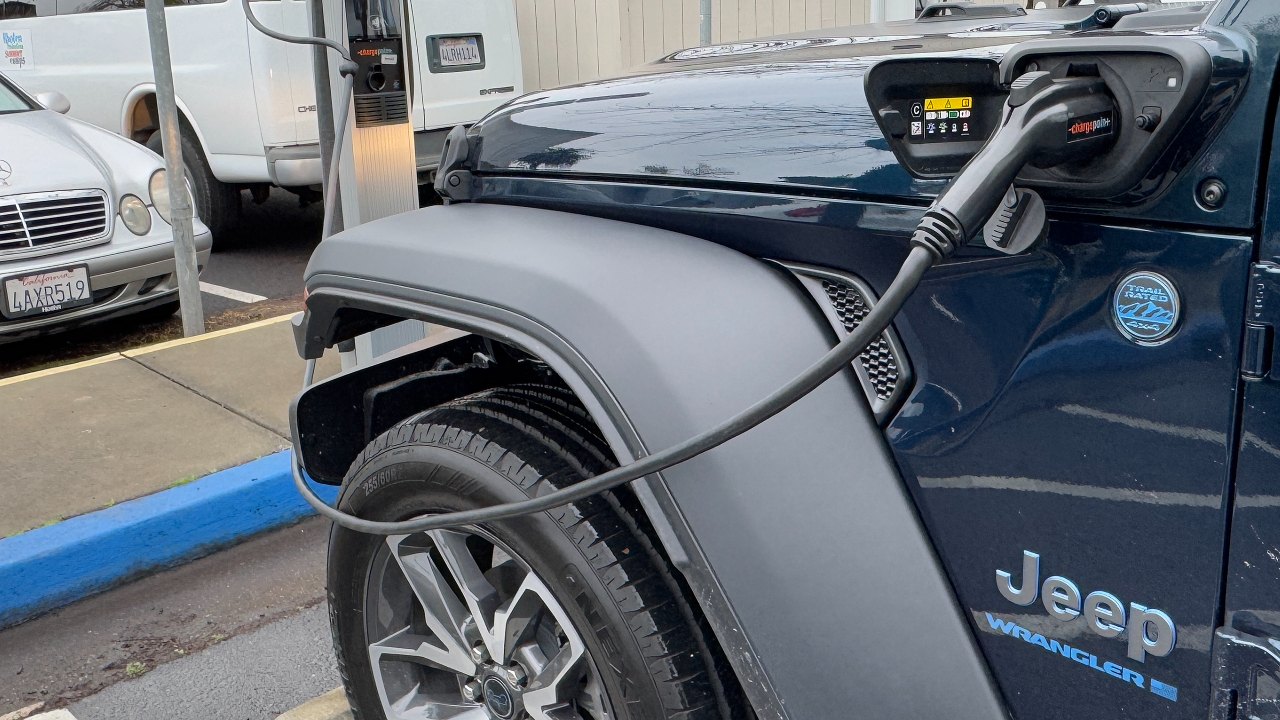
Stellantis is abruptly walking away from the plug-in hybrid formula that helped make it a segment leader in North America, scrapping its traditional PHEV lineup for the 2026 model year. The decision removes high profile models such as the Jeep Wrangler 4xe, Jeep Grand Cherokee 4xe, and Chrysler Pacifica Hybrid from future order books, signaling a sharp turn in how the company plans to balance gasoline and battery power. I see this as a pivotal moment in the transition era, when one of the largest automakers is effectively declaring that the halfway house between combustion and full electric no longer fits its strategy.
What Stellantis is actually canceling
At the core of the move is a straightforward but sweeping step: Stellantis is discontinuing all of its plug-in hybrid vehicles for the 2026 model year in the United States and Canada. Reporting indicates that the decision covers the PHEV versions of the Chrysler Pacifica minivan along with the Jeep Grand Cherokee and Jeep Wrangler, which had been marketed under the 4xe label and were central to the company’s electrified portfolio. By ending these offerings at once, Stellantis is not trimming around the edges of its lineup, it is removing an entire propulsion strategy that had been integrated into family haulers and off road flagships alike.
The scale of the reversal is underscored by the fact that Stellantis had become the number one seller of plug-in hybrids in its segment before choosing to cancel the full lineup. The Wrangler 4xe in particular had been a standout, pairing off road capability with electric only driving for short distances, while the Grand Cherokee 4xe and Chrysler Pacifica Hybrid extended that formula into midsize SUV and minivan roles. Now, with the company confirming that these traditional plug-in hybrid models will not continue into 2026, customers who had come to see a PHEV Wrangler or a PHEV Chrysler Pacifica as default choices will find that the bridge technology they relied on has been deliberately removed rather than gradually phased down.
Why the plug-in era ended so abruptly
From my reading of the available reporting, Stellantis is reacting to a mix of market, regulatory, and product quality pressures rather than a single trigger. Executives are facing an electric vehicle market that has cooled from its initial surge, with slower growth and more cautious buyers, at the same time that they manage recalls and quality issues tied to complex electrified drivetrains. Plug-in hybrids, which combine internal combustion engines, battery packs, and charging hardware, sit at the intersection of those challenges, and Stellantis appears to have concluded that continuing to refine this technology for North America no longer justifies the investment and risk.
The company’s own framing points to a desire to simplify and refocus its electrification strategy instead of maintaining a three way split between gasoline, plug-in hybrid, and battery electric offerings. By scrapping its plug-in hybrid electric Jeep SUVs and Chrysler minivan even as it talks about future electric products, Stellantis is signaling that it would rather concentrate resources on pure EVs and conventional combustion models than keep supporting a middle path. The fact that the decision arrives while the broader industry is wrestling with EV slowdowns and the “real world messiness” of rolling out new technologies suggests that Stellantis sees PHEVs as an unnecessary complication in a period when it needs clarity about where to place its biggest bets.
Impact on Jeep and Chrysler customers
For Jeep and Chrysler buyers, the most immediate effect is the disappearance of some of the most distinctive configurations in their respective lineups. The Jeep Wrangler 4xe had become a high profile example of how plug-in technology could coexist with traditional off road hardware, offering quiet electric crawling on trails and reduced fuel use in daily driving. The Jeep Grand Cherokee 4xe extended that proposition to a more family oriented SUV, while the Chrysler Pacifica Hybrid gave minivan shoppers a rare chance to cut gasoline consumption without moving to a full battery electric vehicle. With Stellantis stopping these traditional plug-in hybrid models for 2026, shoppers who valued that specific blend of capability and partial electrification will have to choose between standard gasoline versions or look to other brands that still offer PHEVs.
I expect this to be particularly jarring for customers who had built their purchase plans around the idea of a next generation Wrangler or Pacifica plug-in. Some had seen the 4xe badge as the future of Jeep, a way to keep the brand’s character intact while aligning with tightening emissions expectations, and families who adopted the Chrysler Pacifica Hybrid often did so as a pragmatic step toward lower fuel bills without the charging and range anxiety associated with full EVs. The company’s decision to cancel the entire plug-in hybrid lineup at once, rather than tapering it off, means that loyalists who were waiting for updated PHEV models in the 2026 model year will instead confront a binary choice between combustion and whatever battery electric alternatives Stellantis eventually brings to market.
Strategic shift and the 4xe platform’s future
Behind the model level changes sits a broader strategic pivot away from the 4xe plug-in hybrid platform in the United States. Stellantis is effectively scrapping that architecture for this market, even though it underpinned some of its most visible electrified Jeeps. Company representatives have acknowledged that many of the problems with EVs and plug-in hybrids stem from their relative newness compared with gasoline technology, and that customers are still learning how these vehicles fit their daily lives. By halting the 4xe program here, Stellantis is choosing to step back from that learning curve rather than continue iterating on a complex system that blends two powertrains in one vehicle.
In strategic terms, I read this as a bet that Stellantis can meet its emissions and product planning goals with a combination of improved internal combustion engines and a more focused rollout of battery electric models, instead of maintaining a third category that demands its own engineering, certification, and marketing. The company has already indicated that it will concentrate on vehicles that best meet customer needs, and in its view that no longer includes traditional plug-in hybrids in North America. Whether that proves prescient or shortsighted will depend on how quickly buyers embrace the next wave of Stellantis EVs and how much demand remains for plug-in hybrids that other automakers continue to refine.
What this means for the wider plug-in hybrid market
Stellantis walking away from PHEVs carries symbolic weight because it had been a leader in that space, particularly with Jeep’s electrified SUVs. When the number one player in a segment cancels its full lineup of plug-in hybrids for an upcoming model year, it sends a signal to regulators, suppliers, and competitors that this technology may not be the long term bridge many once assumed it would be. Other manufacturers still see plug-in hybrids as a useful tool to meet emissions rules and ease customers into charging habits, but Stellantis is effectively arguing that the market is better served by a clearer split between conventional and fully electric vehicles.
For consumers, the message is more mixed. On one hand, the exit of high profile models like the Wrangler 4xe and Chrysler Pacifica Hybrid reduces choice for buyers who are not ready for a full EV but want meaningful electric driving in their daily routines. On the other, Stellantis’ decision may push rivals to double down on their own PHEV offerings, positioning them as alternatives for customers left behind by this shift. As I see it, the end of Stellantis’ traditional plug-in hybrid lineup for the 2026 model year is less a verdict on the technology itself and more a reflection of one automaker’s attempt to simplify a complicated transition, even if that means leaving a successful segment behind.
More from Fast Lane Only: