Stellantis is moving to expand its U.S. footprint with a fresh wave of hiring that will add almost 2,000 technical and production roles, a notable shift for a company that has spent the past few years restructuring its North American operations. The new positions are part of a broader effort to stabilize manufacturing, strengthen product development and rebuild confidence in key regions where the automaker’s future presence had been questioned. While the company is not detailing every plant or program publicly, the hiring push fits into a larger pattern of investment and reorganization that is reshaping how Stellantis builds vehicles in the United States.
A hiring surge aimed at stabilizing U.S. operations
I see Stellantis’ decision to bring on roughly 2,000 additional employees as a clear signal that the company is trying to lock in operational stability after a period of cost cutting and uncertainty. Reporting on the company’s latest workforce moves describes how Stellantis will hire about 2,000 workers in the United States, with the goal of bolstering production capacity and supporting a major U.S. investment program. A separate account of the same initiative notes that Stellantis is hiring 2,000 workers in the country to “Bolster Operations,” language that underscores how closely this hiring wave is tied to day-to-day manufacturing performance rather than purely long term research projects.
Those figures matter because they mark a reversal from the narrative that Stellantis might shrink its U.S. presence or shift more activity to remote or overseas hubs. Coverage of the company’s broader U.S. investment strategy describes a plan involving significant capital spending and thousands of jobs, framed as a “New” U.S. Manufacturing Strategy that reshapes how the company sources and builds vehicles in North America. Within that context, the 2,000 new hires are not a standalone gesture, they are one piece of a larger operational reset that is meant to keep plants running smoothly, align staffing with new product plans and reassure local communities that Stellantis is still committed to U.S. manufacturing.
Technical and production roles at the core of the expansion
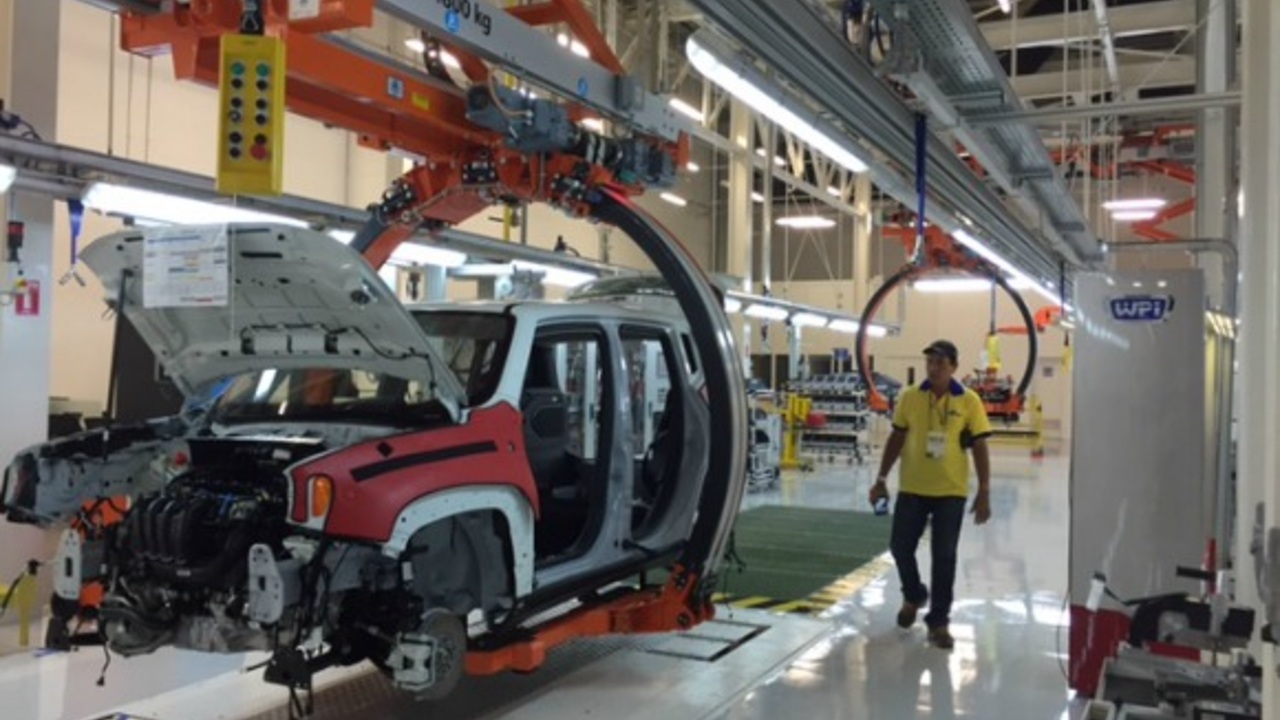
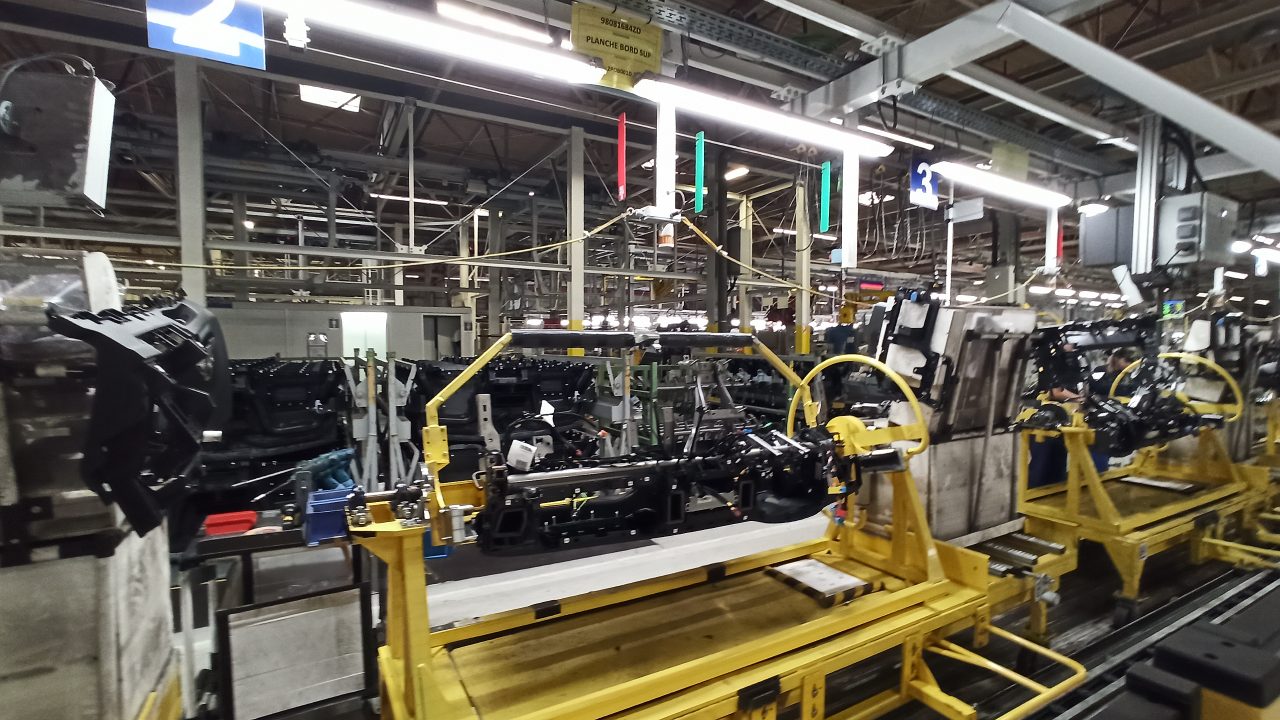
The most striking feature of this hiring round is its focus on hands-on technical and production work rather than purely corporate or administrative jobs. Stellantis’ own careers materials for Manufacturing & Production emphasize that the company is seeking expertise across “all manufacturing disciplines,” explicitly naming areas such as “Stamping” and “Powe” related operations. That language aligns with the description of the new roles as production and technical jobs, suggesting that many of the nearly 2,000 positions will be tied directly to assembly lines, component manufacturing, maintenance and plant engineering rather than back office functions.
On the technical side, Stellantis is also trying to deepen its bench in product development and advanced engineering, which are critical for the next generation of vehicles. The company’s dedicated Product Development & Technology campaign invites candidates to “Share” their information so recruiters can match them with roles that fit their skills, a sign that Stellantis is building a pipeline of engineers and technologists alongside its factory workforce. When I put these pieces together, the picture that emerges is a dual track hiring strategy: one track focused on the skilled trades and production specialists who keep plants running, and another aimed at the engineers and technologists who design the vehicles and systems those plants will build.
Rebuilding momentum at Auburn Hills and across key hubs
The hiring push is not happening in a vacuum, it is closely tied to Stellantis’ effort to rebuild momentum at its U.S. headquarters and other strategic hubs. Reporting on the company’s recent activity in Michigan describes a hiring spree at its base in Auburn Hills, framed explicitly as part of a “rebuild” bid after concerns that Stellantis might leave the area. That account notes that “There” is new life in multiple departments, with the company adding staff across functions as it tries to restore confidence among employees, suppliers and local officials who had watched earlier rounds of restructuring with unease.
Although the Auburn Hills hiring includes corporate and technical roles beyond the factory floor, it is closely linked to the same strategic shift that is driving the 2,000 new technical and production jobs. The headquarters rebuild supports engineering, product planning and program management functions that feed directly into U.S. manufacturing operations, while the plant level hiring ensures that those plans can be executed at scale. Stellantis’ global site highlights its identity as a multi brand automaker with a significant North American presence, and the renewed investment in its Michigan base, reflected on its main Stellantis portal, reinforces the message that the company intends to keep that presence anchored in the region rather than hollowing it out.
How the new jobs fit into Stellantis’ broader U.S. strategy
From my perspective, the nearly 2,000 new technical and production jobs only make sense when viewed as part of Stellantis’ broader U.S. manufacturing and supply chain strategy. Detailed analysis of the company’s recent plans describes a sweeping U.S. program that involves significant capital spending and 5,000 “Jobs,” framed as a “New” U.S. “Manufacturing Strategy” that reshapes the North American supply chain. That reporting describes how Stellantis is rethinking where and how it builds vehicles, with a focus on tightening links between assembly plants, suppliers and logistics networks so that production can respond more quickly to demand and new model launches.
Within that larger strategy, the 2,000 hires to “Bolster Operations” in the United States look like a tactical move to ensure that plants have the people they need to execute the new plan. The account of Stellantis’ decision to hire 2,000 workers in the country ties the hiring directly to operational needs, suggesting that the company is not simply adding headcount for its own sake but is trying to align staffing with a more complex, region wide manufacturing blueprint. When I connect that with the description of a multi thousand job U.S. “Manufacturing Strategy,” it becomes clear that these new technical and production roles are one of the levers Stellantis is pulling to make its broader transformation real on the factory floor.
What the expansion means for workers and local economies
For workers, the expansion of technical and production hiring at Stellantis represents both an opportunity and a test. On one hand, the company’s own careers pages for Manufacturing & Production and Product Development & Technology highlight a wide range of roles, from skilled trades in “Stamping” and related areas to engineering and software positions that support new vehicle programs. The invitation to “Share” contact information so recruiters can connect candidates with “available roles” suggests Stellantis is trying to cast a wide net, appealing to both experienced auto workers and people coming from adjacent industries who can bring fresh skills into the company.
For local economies, the nearly 2,000 new technical and production jobs, combined with the broader multi thousand job U.S. “Manufacturing Strategy,” signal that Stellantis is still willing to put real resources into American plants and offices rather than treating them as legacy assets to be wound down. The hiring spree in Auburn Hills shows how that commitment can play out in a single community, with new roles breathing life into departments that had been under pressure. When I look across the available reporting, the pattern is consistent: Stellantis is using this wave of hiring to rebuild trust with workers, shore up its U.S. operations and position itself for the next phase of competition in a rapidly changing auto market, and the almost 2,000 new technical and production jobs are a central part of that effort.