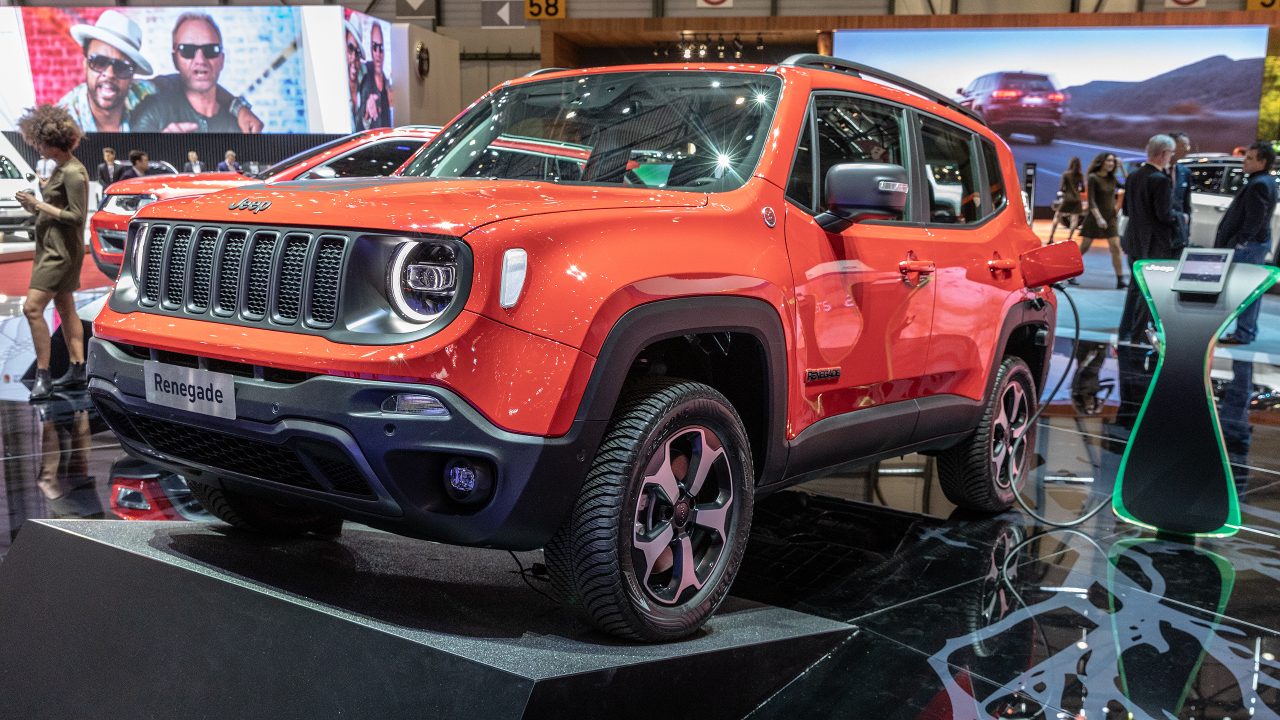
Stellantis is preparing to remove plug-in hybrid vehicles from its North American lineup starting with the 2026 model year, abruptly ending a technology that only recently made it a segment leader. The company is pivoting away from plug-in hybrids in favor of fully electric and conventional internal combustion offerings, a move that will reshape showrooms for brands such as Jeep and Chrysler. The decision reflects both slower than expected demand for plug-in hybrids and a recalibration of how Stellantis wants to spend its electrification dollars.
A sudden end to a once central strategy
I see Stellantis’ decision as a sharp turn for a company that had leaned heavily on plug-in hybrids to bridge the gap between gasoline and full battery power. Earlier this year, Stellantis confirmed that it is discontinuing its plug-in hybrid vehicles for the 2026 model year, citing weak customer uptake and a desire to redirect investment toward other electrified platforms. Reporting on the move notes that the company is effectively cancelling all plug-in hybrid vehicles, a step that goes beyond trimming slow sellers and instead wipes out an entire propulsion strategy in one model-year changeover.
The shift is particularly striking because Stellantis had built a strong position in the plug-in hybrid segment, with models that often topped sales charts in their categories. Industry coverage describes how the company cancelled its full lineup of plug-in hybrid vehicles for the 2026 model year, eliminating products that had made it a leader in that niche. Internal framing of the decision, as relayed through spokesperson comments, emphasizes a broader electrification strategy rather than a retreat from cleaner technology, but the practical effect is that plug-in hybrids will no longer be part of the Stellantis playbook once the 2025 model year sunsets.
Jeep and Chrysler lose their plug-in flagships
The most visible casualties of this policy are the high-profile plug-in models that helped define Jeep and Chrysler’s recent identities. Coverage of the decision specifies that the move affecting the 2026 model year effectively discontinues the PHEV Chrysler Pacifica, Jeep Grand Cherokee and Je plug-in variants, removing family and SUV options that had given buyers a way to sample electric driving without abandoning gasoline entirely. Additional reporting highlights that Stellantis is discontinuing Chrysler and Jeep plug-in hybrid vehicles, reinforcing that this is not a limited pruning but a comprehensive withdrawal of those powertrains from the two brands’ lineups.
Jeep’s off-road image is also being reshaped by the loss of its electrified halo products. One detailed account notes that there will be No More 4xe, with Stellantis Kills the Jeep Wrangler Plug, In Hybrid for the 2026 Model Year, and that The Jeep Wrangler 4xe and Jeep Grand Cherokee plug-in versions are among the models being dropped. Social media coverage of the decision underscores that the end of the plug-in era for Jeep and the Chrysler Pacifica Hybrid is being framed as Stellantis pulling the plug on a set of vehicles that had symbolized its early move into electrified SUVs and minivans. For customers who saw these models as a practical compromise between range anxiety and emissions, the disappearance of these nameplates in plug-in form will be a tangible change on dealer lots.
Customer demand, costs, and a crowded transition lane
From my perspective, Stellantis’ retreat from plug-in hybrids reflects a hard-nosed reading of both demand and cost curves. Company representatives have pointed to slow customer demand for plug-in hybrids as a key factor, explaining that the vehicles have not drawn enough buyers to justify continued investment in their specialized powertrains. Plug-in hybrids require both a full internal combustion system and a substantial battery and electric drive unit, and the reporting indicates that Stellantis wants to simplify its product planning by focusing on either conventional engines or fully electric architectures rather than maintaining a complex middle ground.
The broader context is a global industry that is still debating how large a role plug-in hybrids should play in the transition to lower emissions. One widely viewed video analysis, posted in Jan, captures a sentiment that hybrids are often seen as an important component going forward but that it is not going to be 100% of the solution, a line that reflects the uncertainty around how much capital automakers should devote to transitional technologies. Stellantis appears to have decided that its resources are better spent on dedicated electric platforms and on improving the efficiency of traditional engines, rather than on a dual-system technology that has struggled to achieve mass-market scale in North America.
Market leadership surrendered, and what comes next
By walking away from plug-in hybrids, Stellantis is voluntarily giving up a position of strength in a segment it once dominated. Industry summaries of the decision emphasize that Stellantis canceled its full lineup of plug-in hybrid vehicles for the 2026 model year, a move that eliminates the very products that had made it a segment leader. That choice suggests a belief that leadership in a shrinking or stagnant niche is less valuable than catching up in fully electric vehicles, where rivals are investing heavily and where regulatory pressure is increasingly focused.
The company has framed the move as part of a shift in its electrification strategy, signaling that future investments will prioritize battery-electric models and updated combustion engines over plug-in hybrids. Reporting on the discontinuation notes that Stellantis is redirecting its efforts as it discontinues PHEVs and shifts its electrification strategy, with references to internal planning that favors a clearer split between electric and gasoline offerings. For consumers, that likely means more pure EVs from Stellantis brands in the coming years, alongside conventional models that may incorporate mild-hybrid assistance but will not offer the plug-in capability that Jeep and Chrysler buyers have come to know.
Consumers caught between policy, product, and preference
For current and prospective owners, the end of Stellantis plug-in hybrids raises practical questions about choice, resale value, and long-term support. The decision to cancel all plug-in hybrid vehicles, effective with the 2026 model year, means that shoppers who want a new Jeep Wrangler Plug, In Hybrid for or a Chrysler Pacifica plug-in will have to act quickly before remaining inventory disappears. Coverage of the move stresses that the change is effective for the 2026 model year, so existing vehicles will continue to be supported, but no new plug-in variants are planned under the current strategy.
At the same time, the shift underscores how dependent consumers are on automakers’ strategic bets when it comes to the pace and shape of electrification. Social media reactions, including posts that reference the end of the PHEV era for Jeep and the Chrysler Pacifica Hybrid, show that some buyers had embraced these models as a comfortable middle step between gasoline and full electric. As Stellantis exits that space, those customers will be nudged either toward fully electric vehicles from the same brands or toward plug-in hybrids from competitors that still see value in the format. The company’s move illustrates how quickly a technology that once looked like a central bridge can be sidelined when corporate priorities and market realities collide.
More from Fast Lane Only: