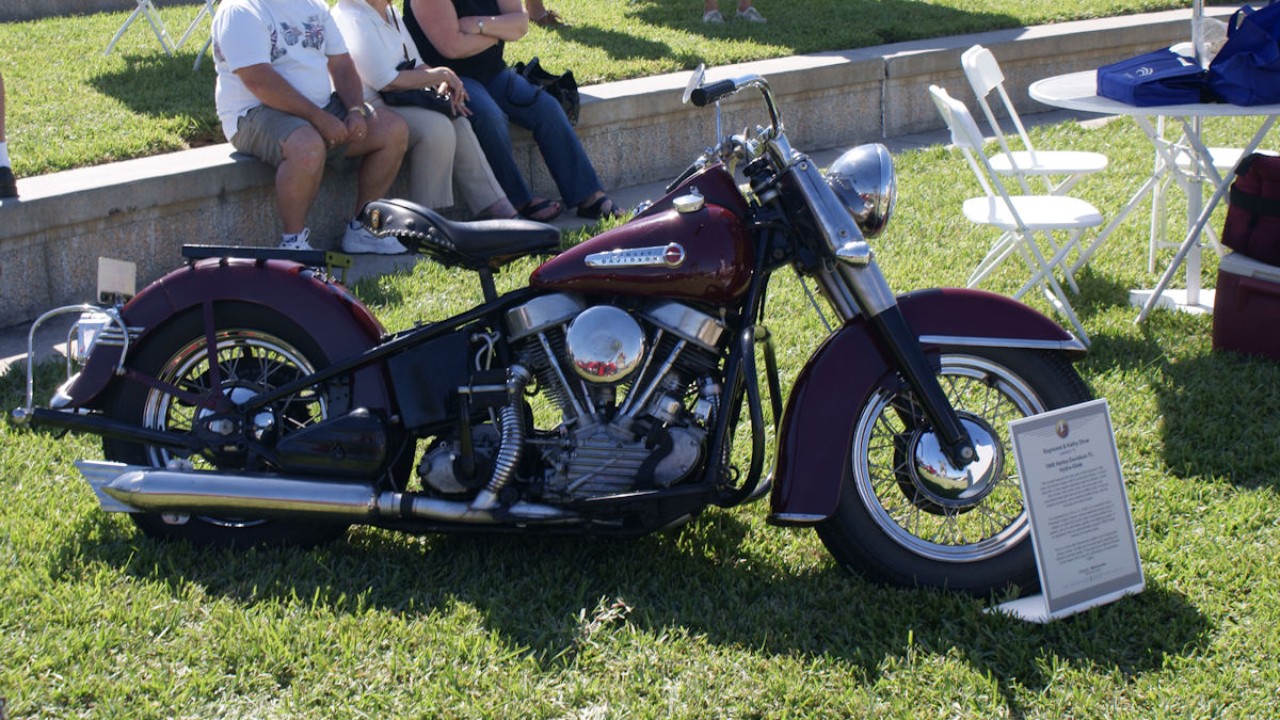
Most of Harley-Davidson’s famous shapes started as a practical fix. The 1949 Harley-Davidson Hydra-Glide was built around a new fork, and a war bike became raw material for bobbers. Even the Sportster grew out of a side-valve model many riders called underpowered.
These eight models did not all arrive as stars. Some were updates, some were parts-bin specials, and one was an Army courier bike. Each one, however, set a pattern Harley riders recognize today. Every figure below comes from a museum, a model registry or a period history.
1. 1936–1947 Harley-Davidson EL Knucklehead
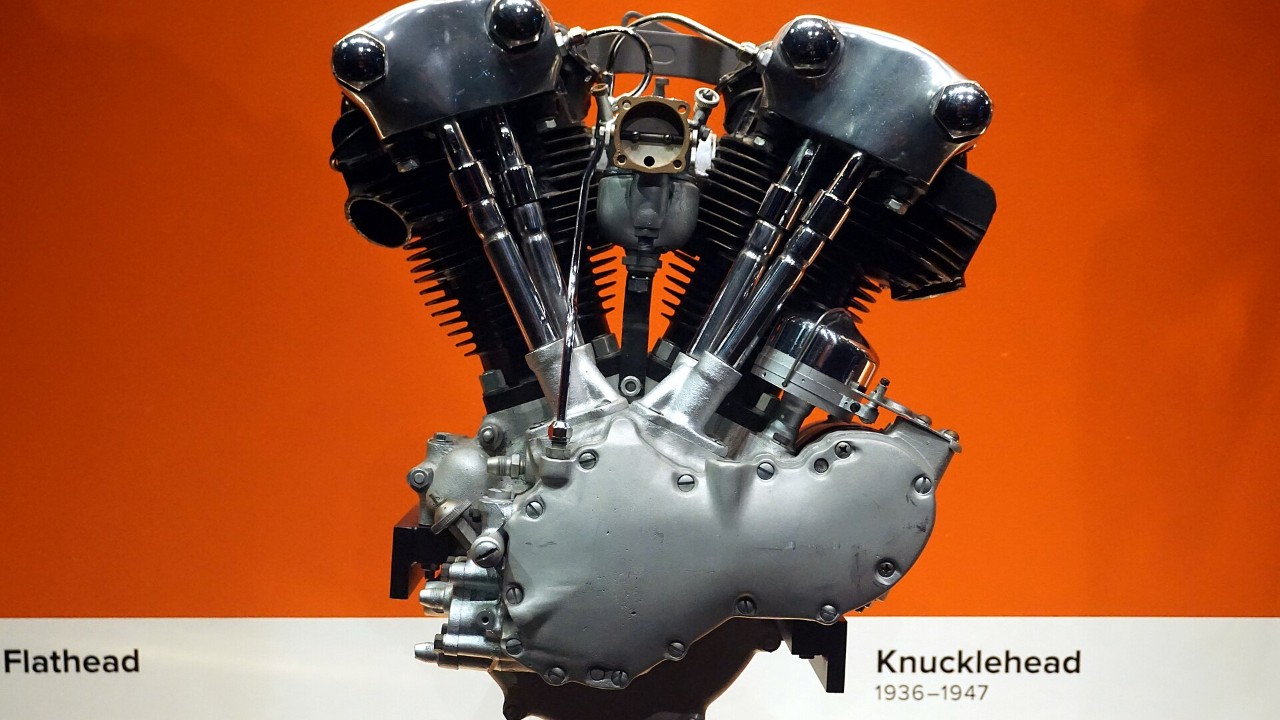
The Knucklehead was Harley’s answer to an aging side-valve twin. Its 61-cubic-inch overhead-valve V-twin arrived in 1936, and a 74-cubic-inch version followed in 1941. The polished rocker covers looked like clenched fists, which gave the engine its nickname.
The first year was small. According to a motorcycle magazine’s Knucklehead history, Harley built 1,704 in 1936, and 1,526 of them were the sportier EL. Then, in 1937, Joe Petrali averaged 136.183 mph on a partly streamlined EL at Daytona. The National Motorcycle Museum rates the EL at 40 hp.
2. 1942 Harley-Davidson WLA

The WLA went to war as a messenger, not a fighter. Its 45-cubic-inch flathead V-twin had 5:1 compression and ran on 74-octane fuel. It also carried blackout lights, an oil-bath air cleaner and an ammunition box. Some units later added a gun scabbard in service.
The National Motorcycle Museum says more than 88,000 were built before the war ended, and about 30,000 went to Russia through Lend-Lease. After the war, surplus bikes sold for years. Many returning GIs stripped them down, and that habit fed the bobber and chopper scene.
3. 1949–1957 Harley-Davidson Hydra-Glide
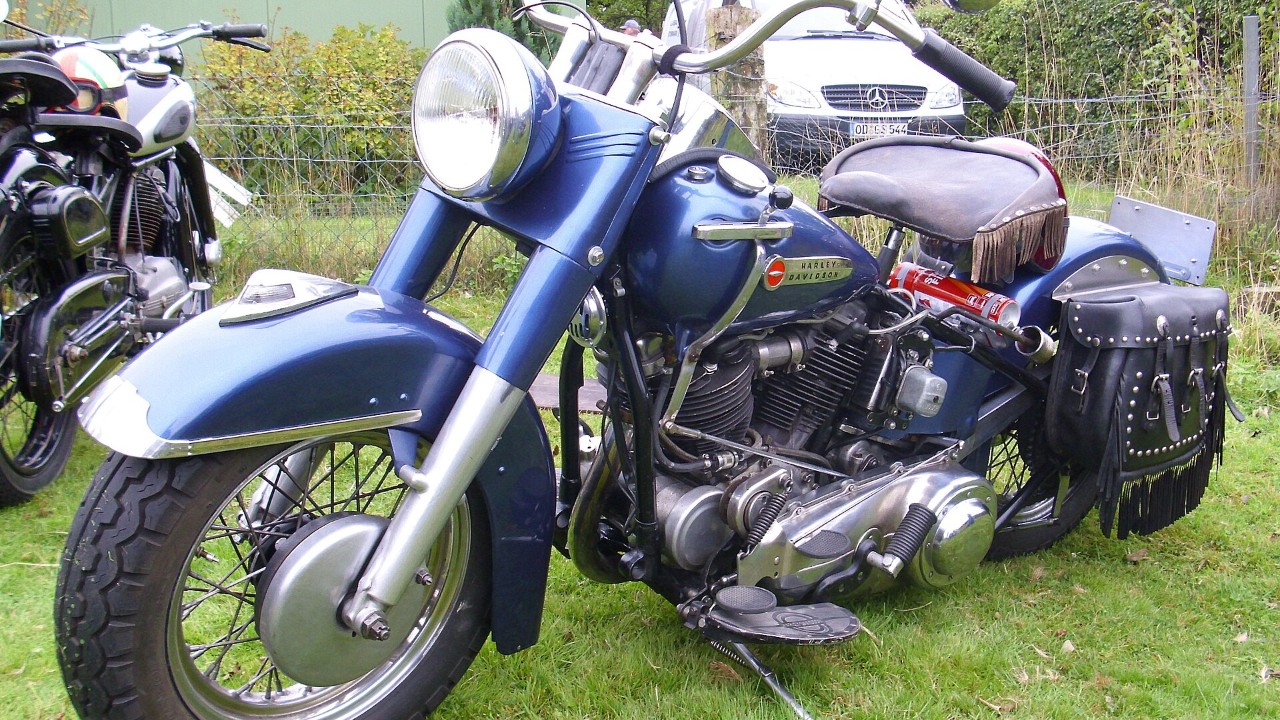
The Harley-Davidson Hydra-Glide replaced the big twin’s old girder fork. Its hydraulic telescopic fork used long coil springs and gave more than 5 inches of travel. Harley also used up its stock of girder forks before making the switch.
Rider magazine’s retrospective lists the 74-cubic-inch FL at 50 hp. In 1952, that FL cost $970, only $15 more than the 61-inch EL. Later, the 1955 FLH added higher compression and 55 hp, and the Hydra-Glide ran until rear suspension changed its name in 1958.
4. 1952–1956 Harley-Davidson Model K
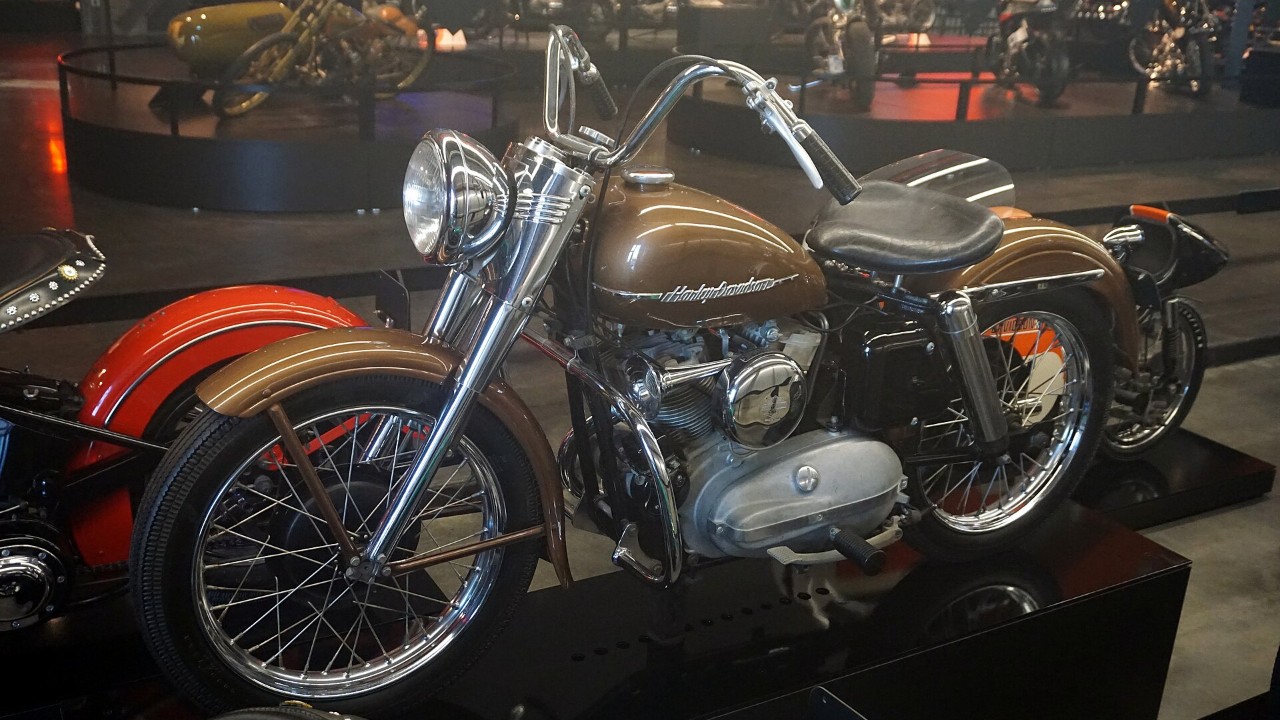
The Model K was Harley’s reply to sporty British imports, and its spec sheet was modern for 1952. Its 45-cubic-inch side-valve engine shared its cases with the gearbox. It also had hydraulic suspension at both ends, a rear swingarm and a right-foot shifter.
The registry at HarleyKModel.com rates the 1952 K at 30 hp. The 1954 KH stretched the stroke to 54.2 cubic inches and 38 hp. Meanwhile, the racing KR derived from the K won national titles with Joe Leonard and Brad Andres. Finally, Harley’s own Sportster history says the 1957 XL was based on the K, with overhead valves.
5. 1958 Harley-Davidson Duo-Glide
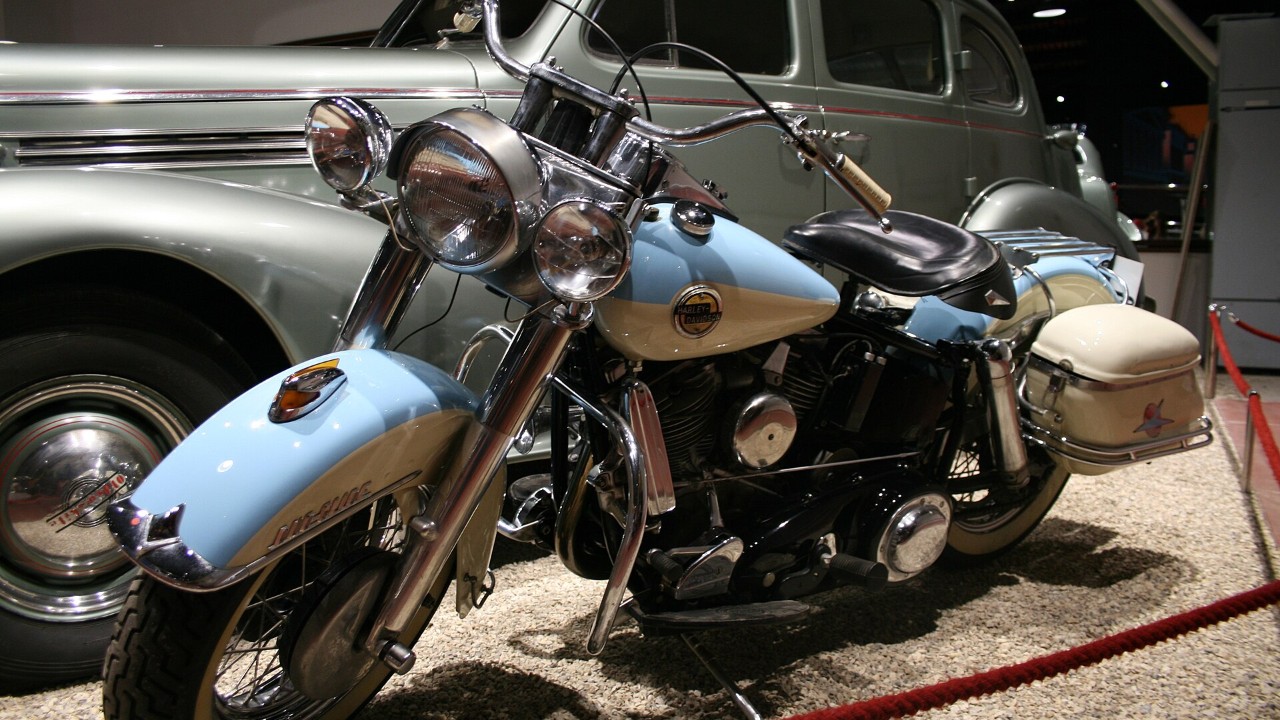
Next, the Duo-Glide gave the big twin a sprung rear end for the first time. The name went right on the front fender. The 74-cubic-inch overhead-valve engine had 7:1 compression and made 52 hp. That year’s FL also gained a hydraulic rear brake.
Harley was not building these in huge numbers. The National Motorcycle Museum estimates about 3,500 FLs and ELs a year in this era. The museum also points out that the smaller 1952 K had rear suspension first, so the flagship caught up six years later.
6. 1971 Harley-Davidson FX Super Glide
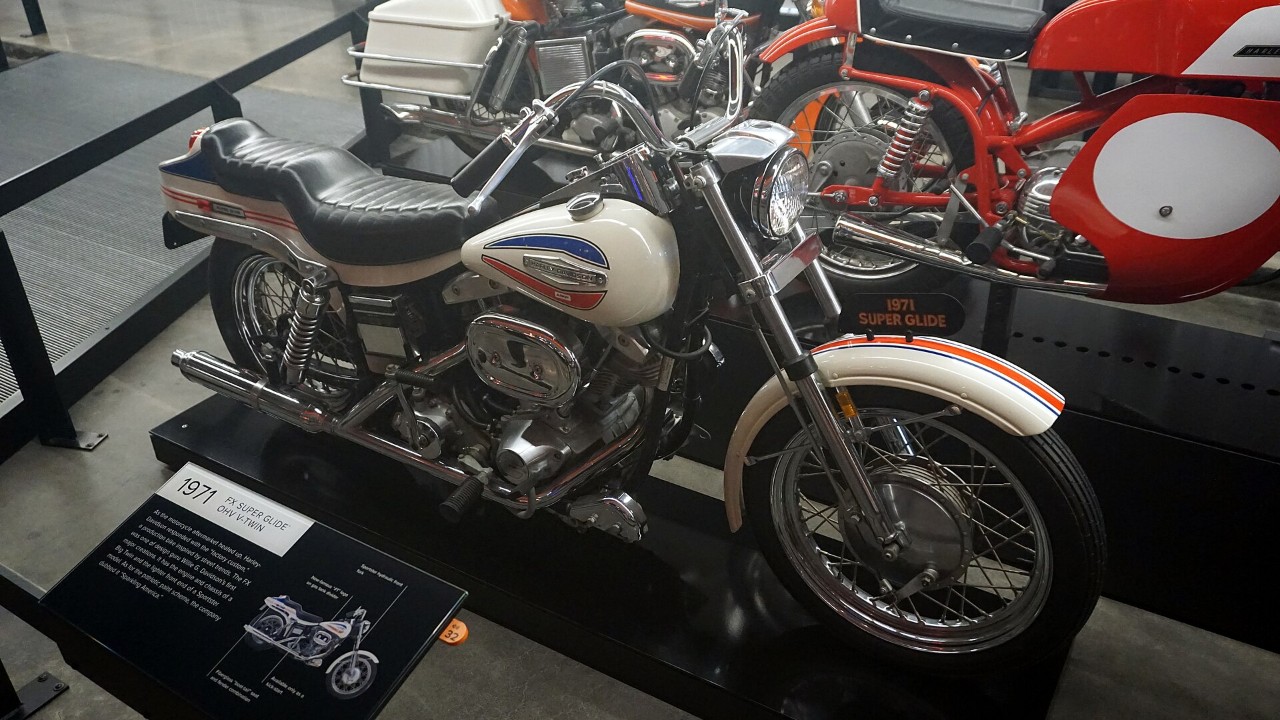
Willie G. Davidson had seen earlier ideas turned down by Harley management before this one got through. The Super Glide mixed the Electra Glide’s chassis and 1200 cc engine with a narrow Sportster front end. Out back, a scooped boat-tail fender covered a fat rear tire.
Harley sold it in “Sparkling America” paint and advertised it as the “Great American Freedom Machine,” as a 2009 magazine retrospective recalls. More important, it started the FX factory-custom family. That line later included a 35th-anniversary Super Glide tribute in 2006.
7. 1977 Harley-Davidson FXS Low Rider
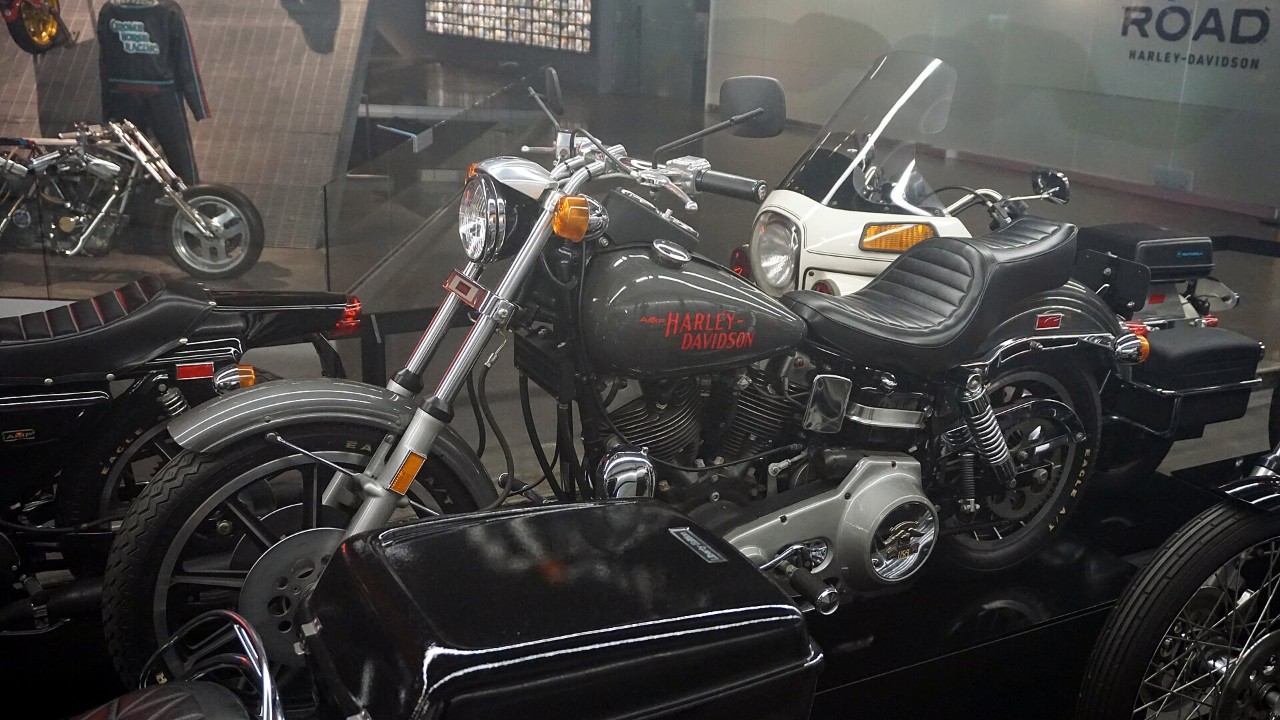
By 1977, Harley had refined the Super Glide recipe and given it a new name. As a result, the Low Rider sat its rider on a 27-inch seat. It also added mag wheels with raised white-letter tires, triple disc brakes and a 74-cubic-inch twin rated at 58 hp.
Buyers responded at once. The National Motorcycle Museum says sales soared and that the Low Rider then outsold all other Harley models. In other words, a parts-bin special became the brand’s best seller.
8. 1990 Harley-Davidson Fat Boy
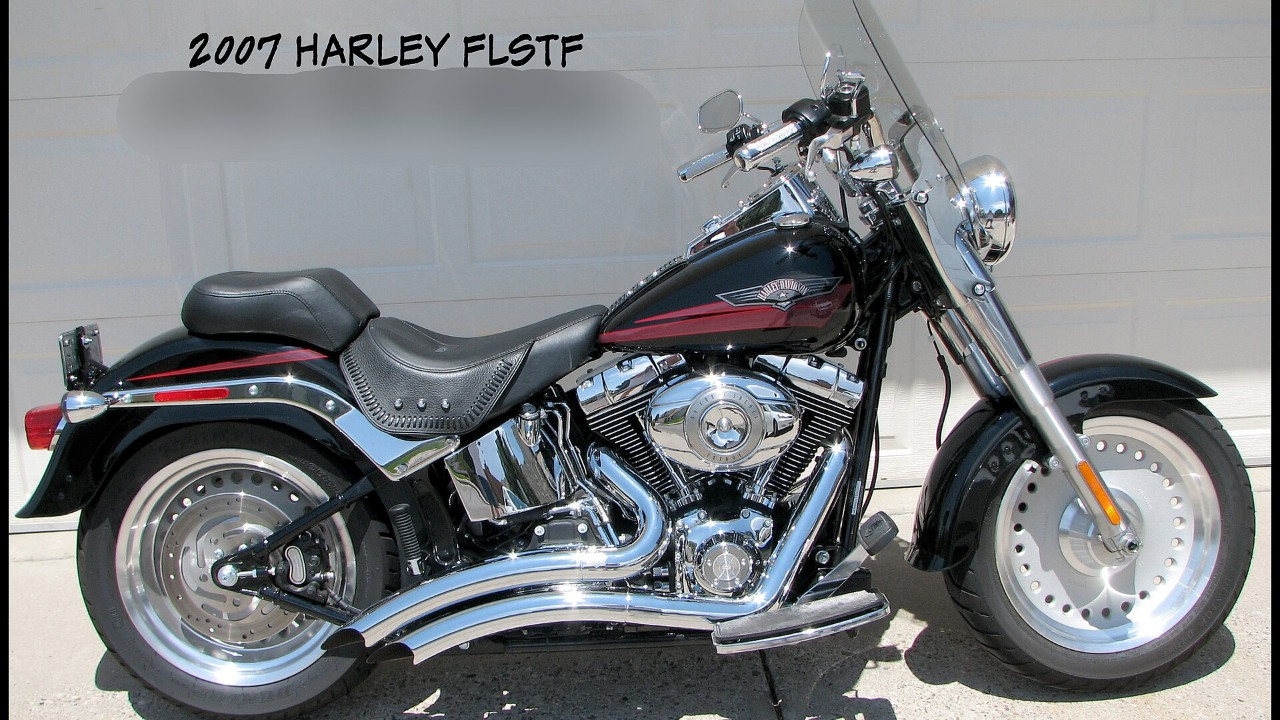
Willie G. Davidson and Louie Netz styled the Fat Boy as a modern take on the 1949 Hydra-Glide. At first, the bikes came in Fine Silver Metallic with a matching powder-coated frame and aluminum disc wheels, as the American Motorcyclist Association notes.
Earlier, Harley had shown the designs at Daytona Bike Week in the late 1980s, according to Footman James. The insurer adds that the name began as a designer’s nickname for the bike’s wide, heavy profile. Then Terminator 2 put one under Arnold Schwarzenegger in 1991. In 2018, the hero bike he rode sold at auction for $480,000.
More from Fast Lane Only