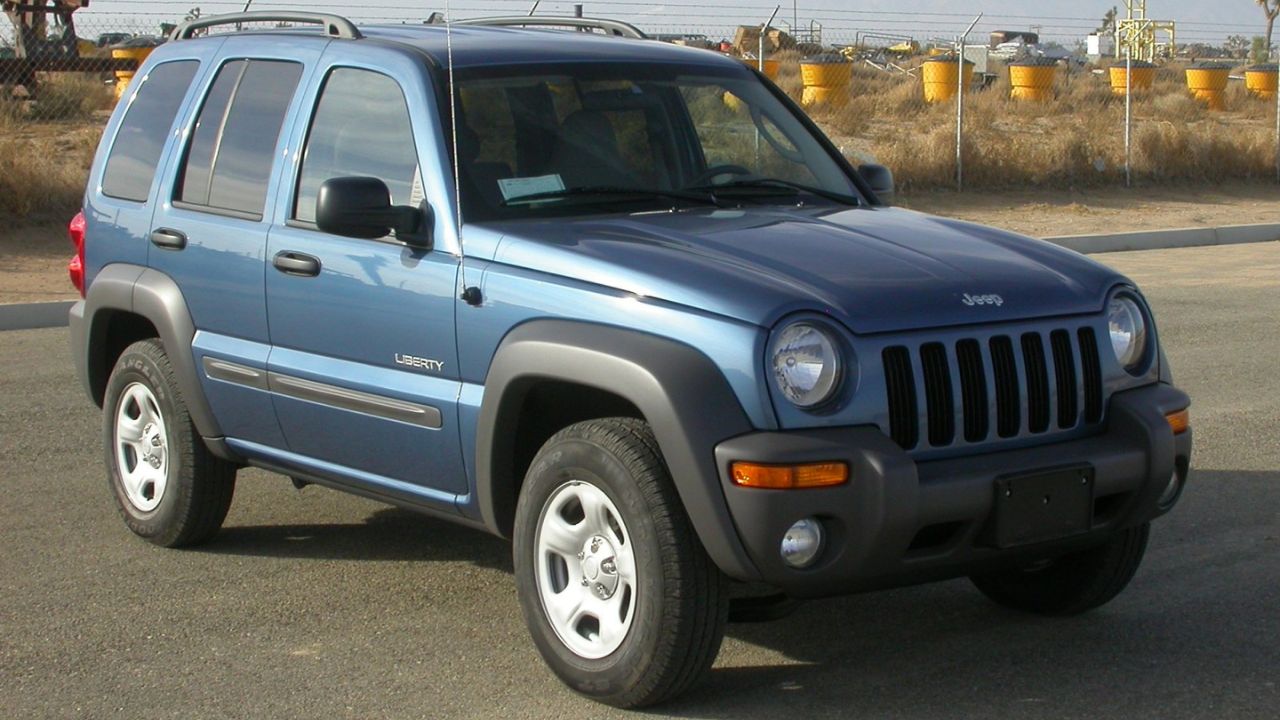
Muddy tire tracks cutting through a King County forest led deputies to a hidden encampment where at least six stolen cars were tucked out of public view. What started as a routine patrol near Maple Valley turned into the discovery of a makeshift chop shop, underscoring how vehicle theft and homelessness are colliding in secluded corners of Western Washington.
The case shows how a single observant deputy, following a trail of ruts into the trees, can unravel a larger criminal operation that would be almost impossible to spot from the road. It also highlights the growing challenge for the King County Sheriff’s Office as it tries to protect car owners while navigating the realities of encampments in wooded areas.
From muddy tracks to a hidden encampment
According to the King County Sheriff’s Office, the breakthrough began when a deputy noticed fresh, muddy tire tracks veering off a public roadway and disappearing into a wooded area near Maple Valley. Instead of dismissing the marks as off-road recreation, the deputy followed the path into the trees and found a secluded encampment that was largely invisible from the air and even harder to see from the street, a detail later highlighted in a short video clip. The tracks did not just lead to tents and makeshift shelters, they also pointed straight to a cluster of vehicles that had no business being there.
Once deputies moved in, they found at least eight vehicles in and around the encampment, several of them wedged between trees or partially concealed by tarps and brush. The King County Sheriff’s Office later confirmed that six of those vehicles were reported stolen, while two more had not yet been matched to theft reports, according to a detailed account. What looked at first like a small camp in the woods turned out to be a carefully tucked away cache of stolen property, shielded from casual view by terrain and tree cover.
A makeshift chop shop in the trees
When I look at the details described by the Sheriff’s Office, the encampment reads less like a simple campsite and more like a stripped down chop shop. Deputies reported that the vehicles were not just parked, they were in various stages of being dismantled, with parts removed and components scattered around the site, according to local reporting. That pattern suggests an organized effort to harvest valuable pieces such as catalytic converters, wheels, and electronics, then abandon or further strip the shells once the most profitable parts were gone.
The King County Sheriff’s Office has described the location as a wooded encampment that functioned as a holding area for stolen cars, with at least six confirmed theft victims tied to the vehicles recovered there, a figure echoed in a Sheriff’s briefing. Deputies have not publicly detailed every make and model, but the description of multiple vehicles hidden in such a remote spot fits a pattern that car theft investigators across the region have been warning about: stolen cars moved quickly to off-grid locations where thieves can work with little risk of being spotted.
Maple Valley’s uneasy intersection of crime and homelessness
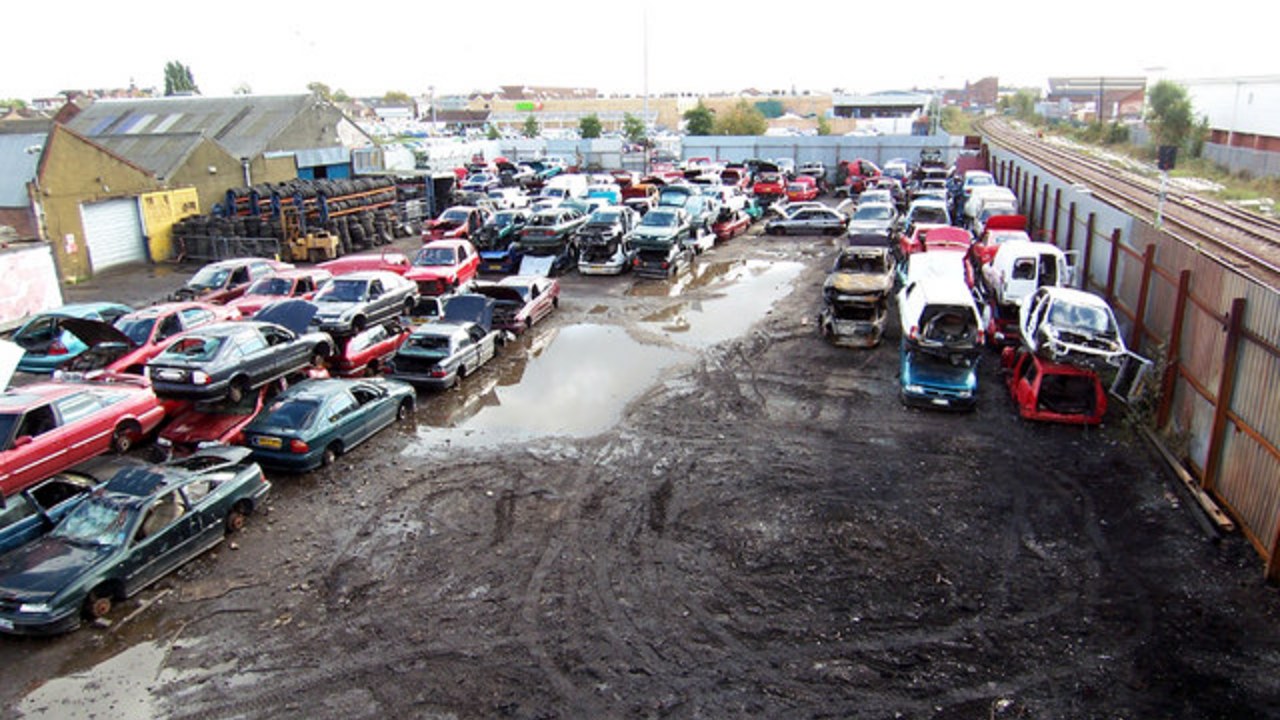
The discovery near Maple Valley also exposes a difficult reality for communities on the edge of King County’s urban core. The encampment sat in a wooded area that had already been used by people experiencing homelessness, according to Sheriff’s officials, and the stolen vehicles were effectively layered on top of that existing crisis. That overlap complicates how neighbors and law enforcement respond, because what might appear to be a humanitarian issue at first glance can also conceal serious property crime.
Deputies have been careful to frame the operation as a public safety response rather than a broad sweep of people living outside. In their description of the case, they focused on the stolen vehicles and the criminal activity tied to them, while acknowledging that the encampment itself was part of a wider homelessness challenge in Western Washington, a point reinforced in follow up coverage. That distinction matters for Maple Valley residents who want both their cars and their neighbors protected, and it underscores how easily criminal networks can exploit vulnerable spaces where oversight is thin.
How deputies traced and returned the stolen cars
Once the vehicles were located, the next step was to figure out exactly which ones were stolen and who owned them. The King County Sheriff’s Office reported that deputies ran the vehicle identification numbers and license plates on scene, confirming that six cars had been reported stolen and flagging two more as still under investigation, according to a detailed summary. That quick verification allowed deputies to move from discovery to recovery, coordinating with tow operators to remove the vehicles from the forested site.
The Sheriff’s Office has said that at least six stolen cars have already been returned to their owners, a milestone they highlighted in both written updates and a short video briefing. In a separate report focused on the Maple Valley area, officials noted that they were able to notify the owners once the vehicles were identified, closing the loop for people who had been left without transportation and, in some cases, without the ability to get to work or school, as described in coverage of the recovery. That kind of rapid return is not just a public relations win, it is a practical lifeline for victims of car theft.
What the case signals about car theft and enforcement in King County
For me, the most striking part of this case is how much hinged on one deputy noticing something as ordinary as muddy tire tracks. The Sheriff’s Office has emphasized that the encampment was almost impossible to see from the road and barely visible from the air, a point captured in the aerial footage. That suggests that traditional patrols and even some aerial surveillance can miss sophisticated hiding spots, especially in heavily wooded parts of King County where encampments and criminal activity can blend into the landscape.
The case also hints at how car thieves are adapting to enforcement pressure. By moving stolen vehicles into remote encampments, they gain time to strip parts and obscure evidence before law enforcement can respond. The King County Sheriff’s Office has not publicly detailed every investigative step it is taking in response, and any broader strategy shifts remain unverified based on available sources. What is clear from the reports and the follow up accounts is that deputies are increasingly forced to treat wooded encampments not just as humanitarian flashpoints, but also as potential hubs for stolen property.