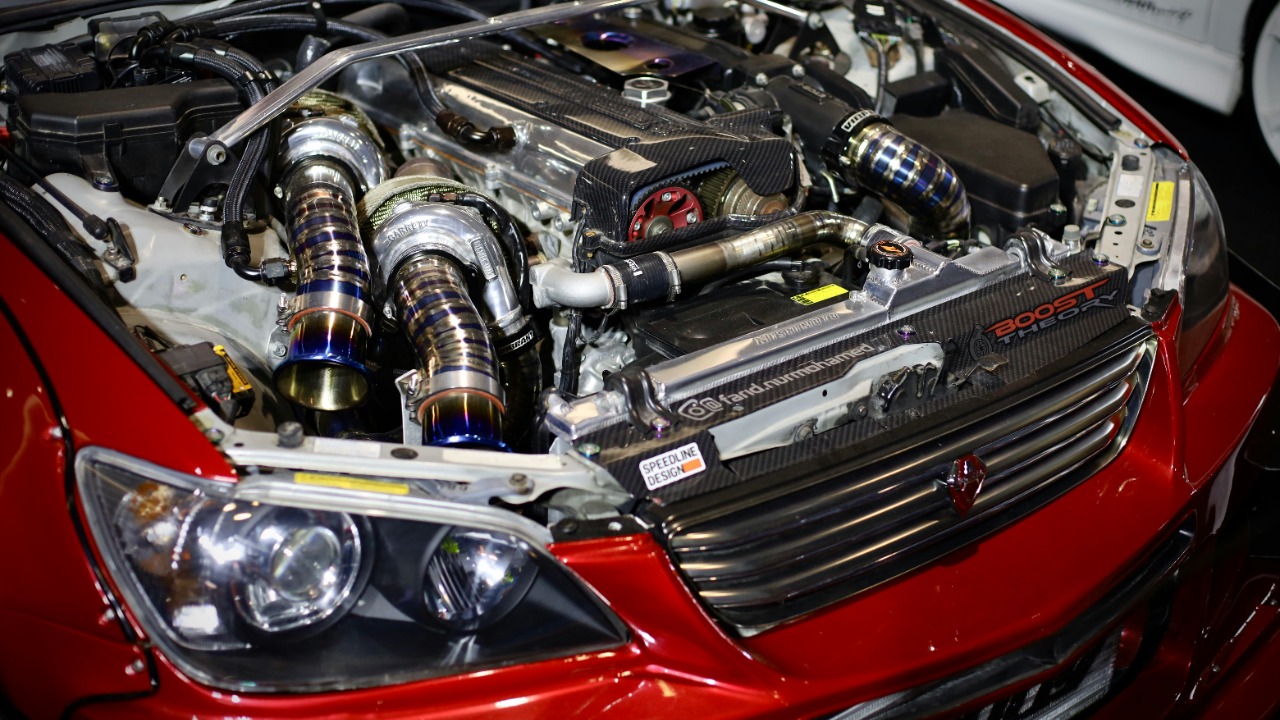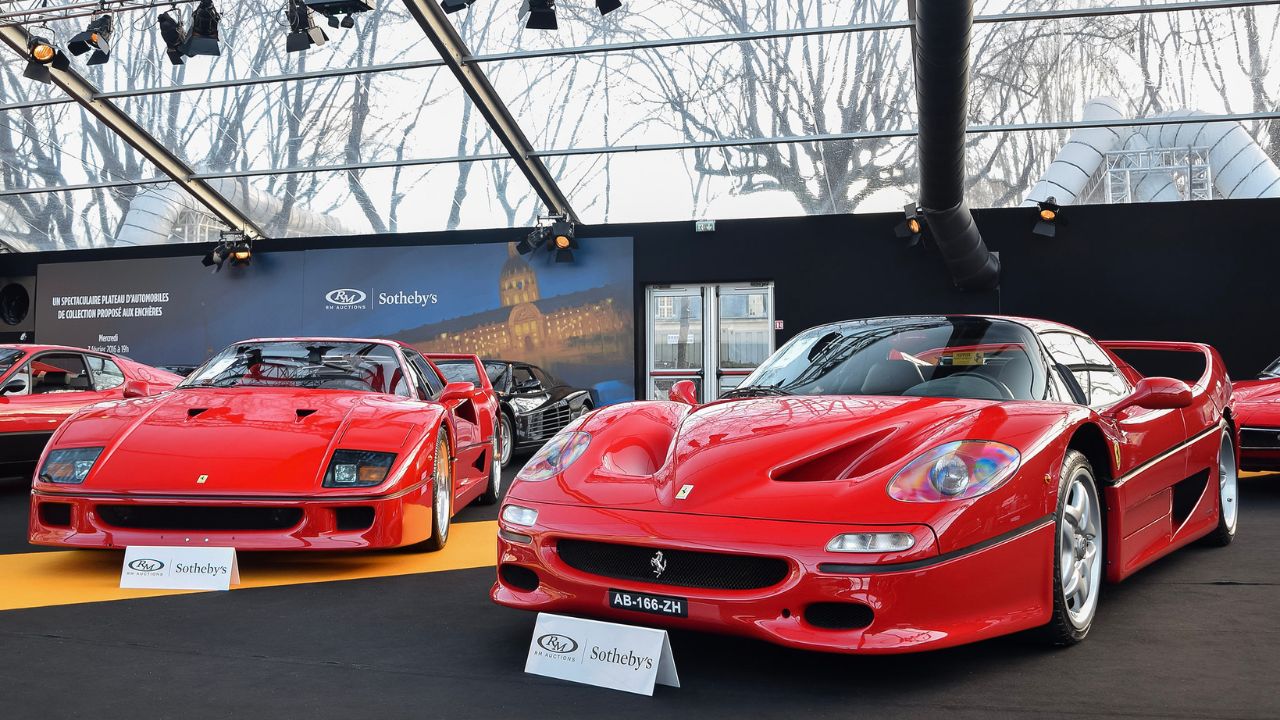
The 1990s were a golden era for supercars, with manufacturers pushing the limits of speed and design. Despite the advances in electric vehicle technology today, many of these ’90s supercars still hold their own on the performance charts. Let’s take a look at ten iconic models that continue to impress with their speed and engineering excellence.
McLaren F1

The McLaren F1 is often hailed as one of the greatest supercars ever made. Launched in 1992, it was the first production car to use a carbon-fiber monocoque chassis. Its 6.1-liter V12 engine, developed by BMW, delivers an astonishing 627 horsepower, allowing it to reach a top speed of 240 mph. Even today, very few cars can match the F1’s raw speed and engineering brilliance.
What makes the McLaren F1 particularly remarkable is its driving experience. The central driving position, combined with the car’s lightweight design, offers unparalleled control and agility. While modern EVs boast impressive acceleration figures, the F1’s purity and connection to the driver remain unmatched.
Ferrari F50
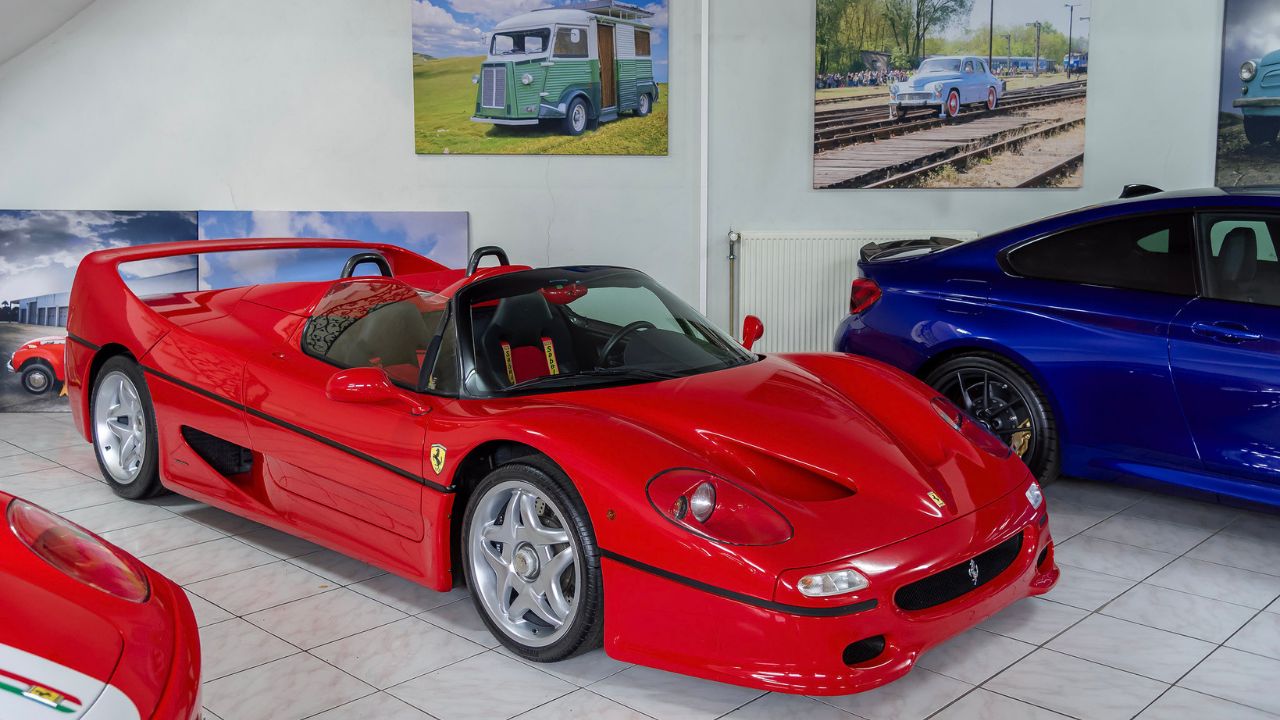
Following in the footsteps of the legendary F40, the Ferrari F50 was introduced in 1995 as a celebration of Ferrari’s 50th anniversary. Its naturally aspirated 4.7-liter V12 engine, derived from a Formula 1 powerplant, produces 512 horsepower. This allows the F50 to achieve a top speed of 202 mph, making it a formidable contender even by today’s standards.
The F50 is more than just a speed machine; it’s a testament to Ferrari’s engineering prowess. With its carbon-fiber tub and an emphasis on aerodynamics, the F50 delivers a driving experience that is visceral and engaging, making it a favorite among purists who value the tactile feedback of a true supercar.
Lamborghini Diablo VT
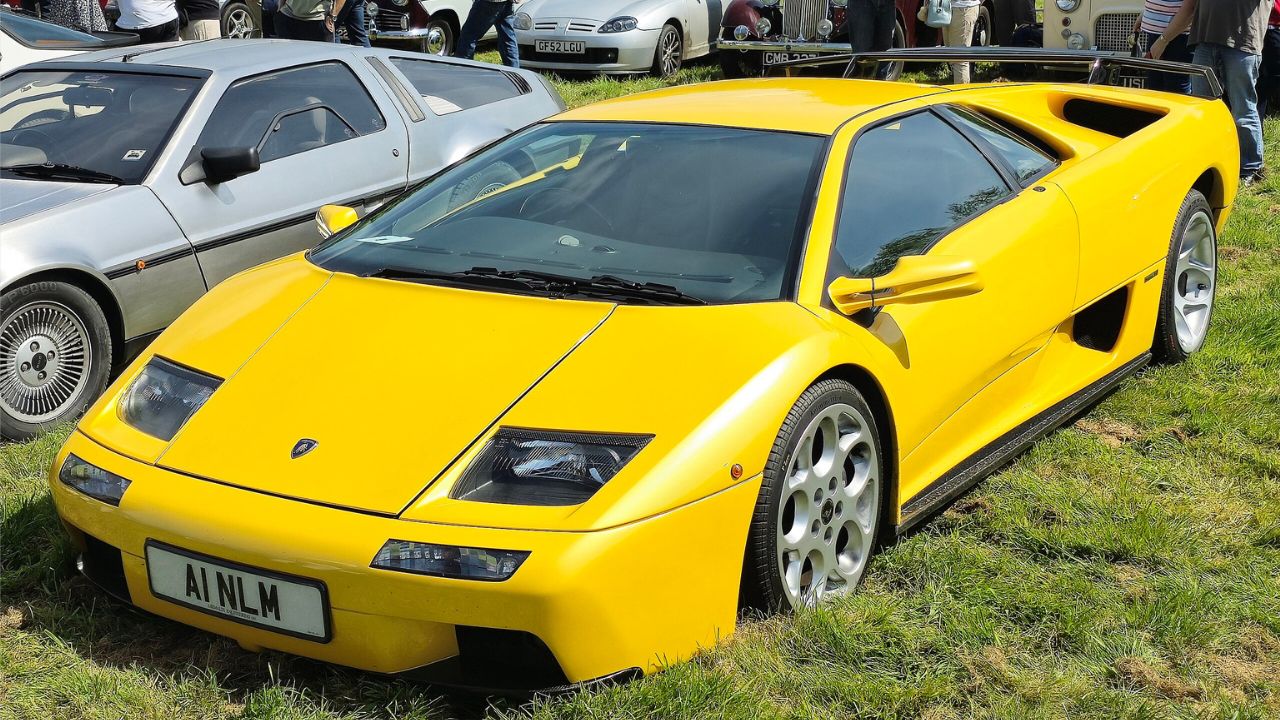
Introduced in 1990, the Lamborghini Diablo VT brought all-wheel drive to the Diablo lineup, enhancing its performance and handling. Powered by a 5.7-liter V12 engine, the Diablo VT boasts 492 horsepower and can accelerate from 0 to 60 mph in just over four seconds, with a top speed of 202 mph.
The Diablo VT is an embodiment of Lamborghini’s flamboyant design language, with its iconic scissor doors and aggressive styling. Despite the advancements in EV technology, the raw power and presence of the Diablo VT make it a thrilling drive that continues to captivate enthusiasts worldwide.
Bugatti EB110 SS

The Bugatti EB110 SS, introduced in 1992, was a technological marvel of its time. With a 3.5-liter quad-turbocharged V12 engine producing 603 horsepower, it could reach a top speed of 221 mph. The EB110 SS was one of the fastest cars of the ’90s, and its performance metrics are still impressive today.
Featuring all-wheel drive and a lightweight carbon-fiber body, the EB110 SS offered exceptional handling and stability. Its combination of cutting-edge technology and breathtaking performance ensures that it remains a benchmark for speed and innovation in the automotive world.
Porsche 911 GT2 (993)

The Porsche 911 GT2 of the 993 generation is a true driver’s car. Launched in 1995, it features a 3.6-liter twin-turbocharged flat-six engine that produces 430 horsepower. Designed for the track but street-legal, the GT2 can sprint from 0 to 60 mph in around 3.9 seconds and reach a top speed of 187 mph.
What sets the 911 GT2 apart is its rear-wheel-drive layout, which offers a more engaging and challenging driving experience compared to its all-wheel-drive counterparts. Its sharp handling and precise feedback make it a favorite among enthusiasts who seek a pure and exhilarating drive.
Jaguar XJ220

The Jaguar XJ220, launched in 1992, was once the fastest production car in the world, boasting a top speed of 217 mph. Powered by a 3.5-liter twin-turbocharged V6 engine, it produces 542 horsepower and can accelerate from 0 to 60 mph in just 3.6 seconds.
The XJ220’s sleek design and lightweight aluminum construction contribute to its impressive performance. Even amidst the rise of advanced EVs, the XJ220 remains a symbol of speed and innovation, offering a driving experience that is both thrilling and timeless.
Dodge Viper GTS
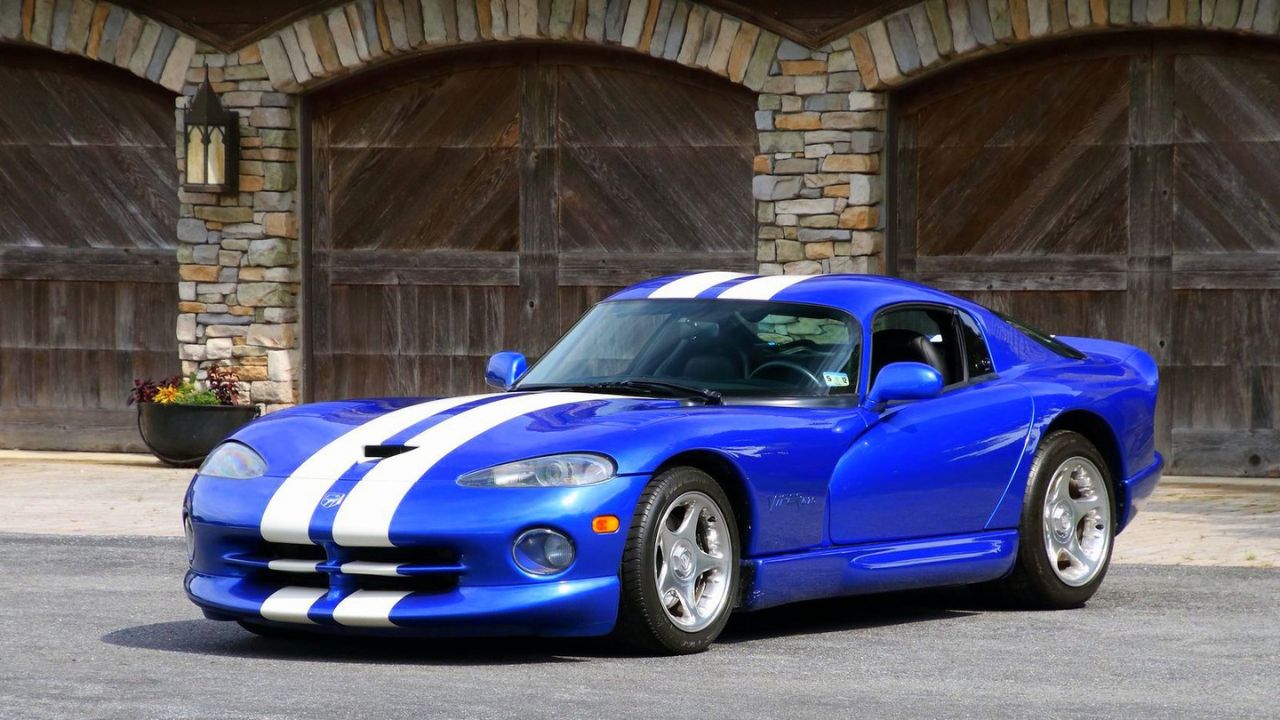
The Dodge Viper GTS, introduced in 1996, is a quintessential American muscle car with supercar performance. Its 8.0-liter V10 engine delivers 450 horsepower and allows the Viper to reach a top speed of 185 mph. The Viper’s raw power and aggressive styling make it an icon of the ’90s automotive scene.
With a focus on performance over luxury, the Viper GTS offers a driving experience that is visceral and unfiltered. Its emphasis on power and simplicity continues to appeal to enthusiasts who appreciate the thrill of a powerful, naturally aspirated engine.
Nissan R390 GT1
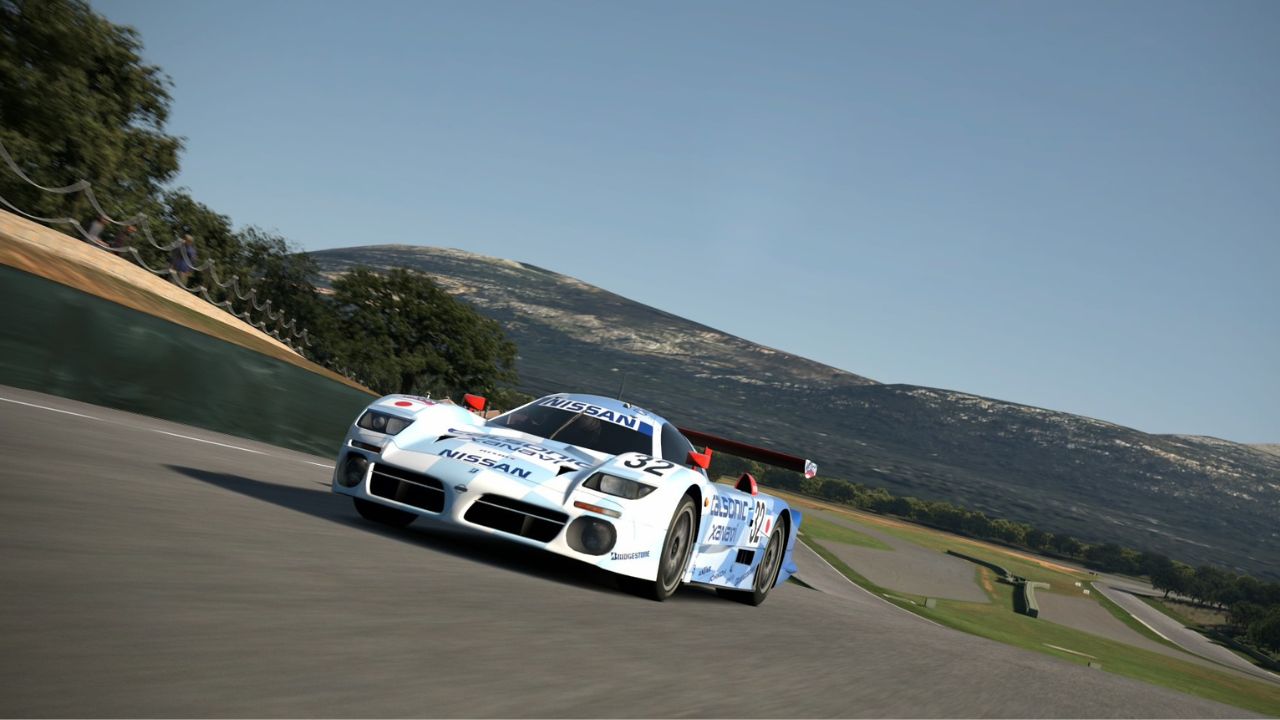
Built to compete in the 24 Hours of Le Mans, the Nissan R390 GT1 is a rare and formidable machine. Its 3.5-liter twin-turbo V8 engine produces 550 horsepower, enabling it to reach a top speed of over 220 mph. The R390 GT1’s racing pedigree is evident in its performance and engineering.
Only two road-legal versions of the R390 GT1 were ever produced, making it one of the rarest supercars. Its combination of speed, rarity, and racing heritage ensures its place as a standout performer, even in the face of modern automotive advancements.
Mercedes-Benz CLK GTR
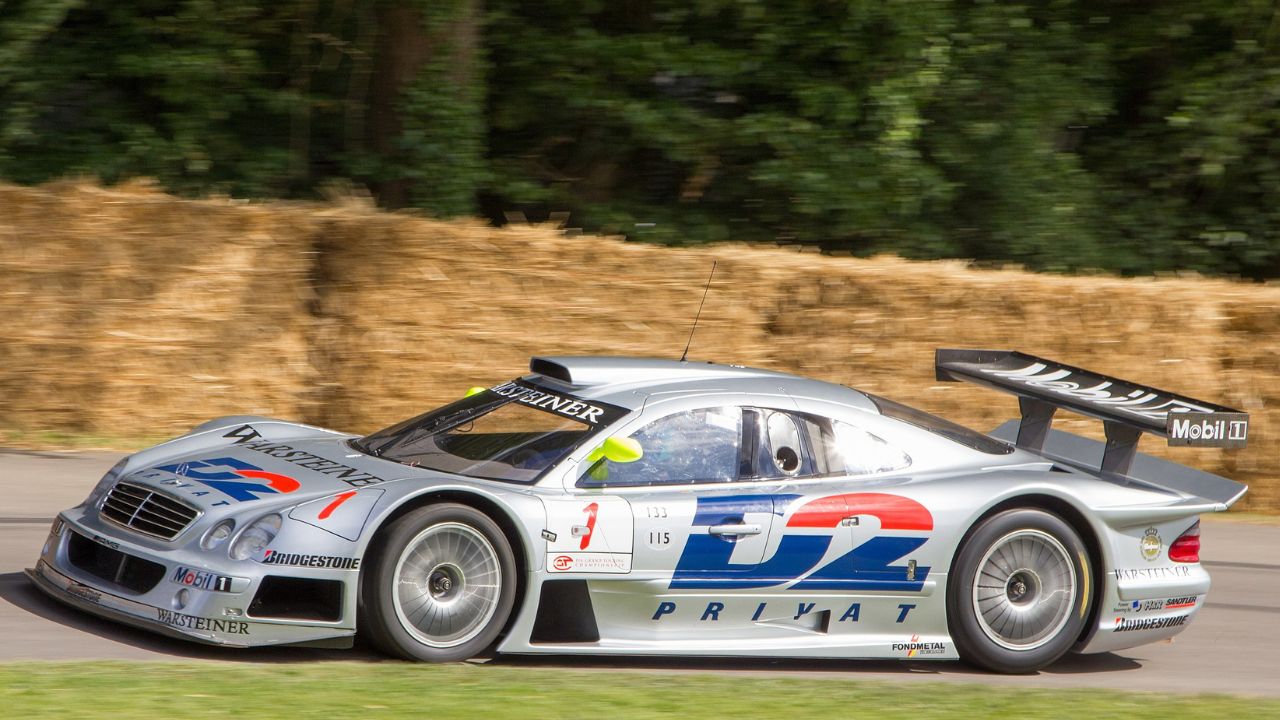
The Mercedes-Benz CLK GTR was born out of a need to compete in the FIA GT Championship. Its 6.9-liter V12 engine produces 604 horsepower, allowing it to reach a top speed of 214 mph. Launched in 1998, the CLK GTR is a street-legal race car with performance to match.
The CLK GTR’s aerodynamic design and racing underpinnings make it a formidable contender on both the track and the road. Its combination of speed, exclusivity, and engineering excellence ensures that it remains a revered figure in the world of supercars.
Toyota Supra Turbo (JZA80)
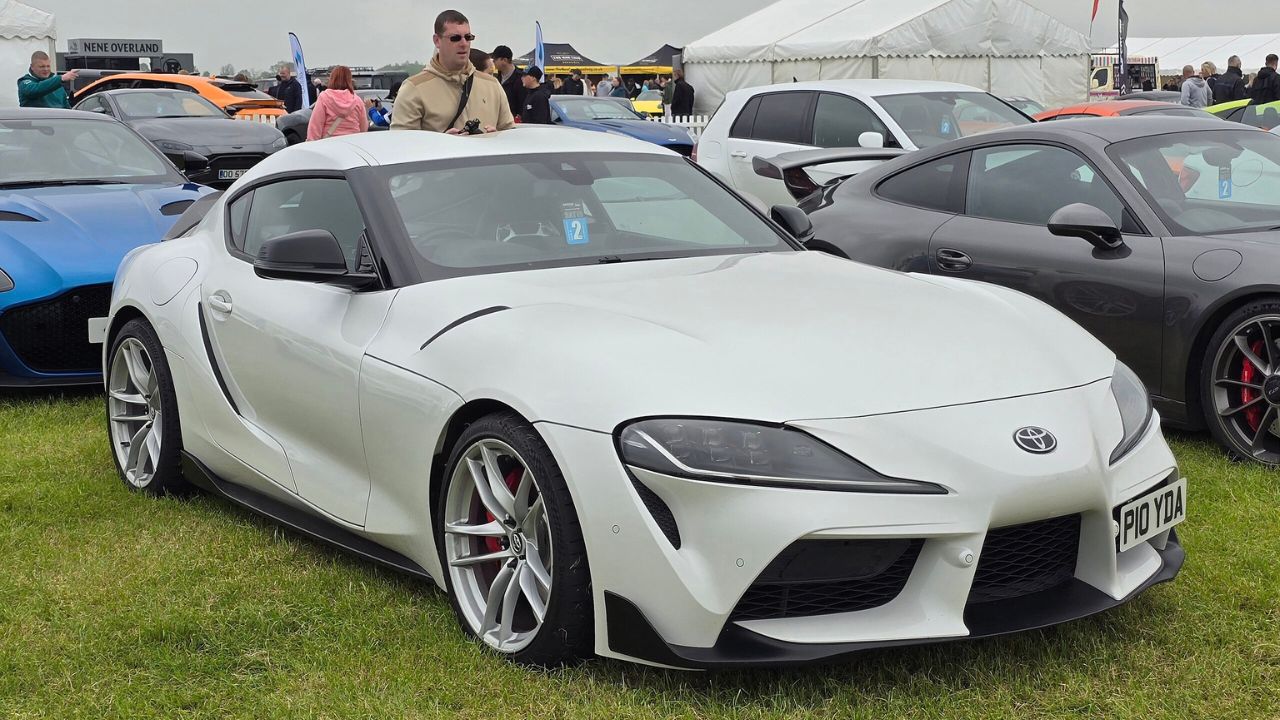
The Toyota Supra Turbo, particularly the JZA80 model launched in 1993, is renowned for its tuning potential and performance. Powered by a 3.0-liter twin-turbo inline-six engine, it produces 320 horsepower and can reach a top speed of around 155 mph.
While it may not boast the highest horsepower figures, the Supra’s balanced chassis and robust engine make it a favorite among tuners and performance enthusiasts. Its ability to handle significant power upgrades ensures that it remains a competitive contender, even against modern vehicles.
Like Fast Lane Only’s content? Be sure to follow us.
Here’s more from us:
*Created with AI assistance and editor review.