In the world of high-performance vehicles, V12 engines have always held a special allure for car enthusiasts. However, not every V12 exotic has enjoyed a long-lasting presence in the market. Some faded away too quickly, leaving behind a legacy of speed and exclusivity. Here are eight such V12 marvels that, despite their brilliance, disappeared from the spotlight sooner than expected.
Lamborghini Miura
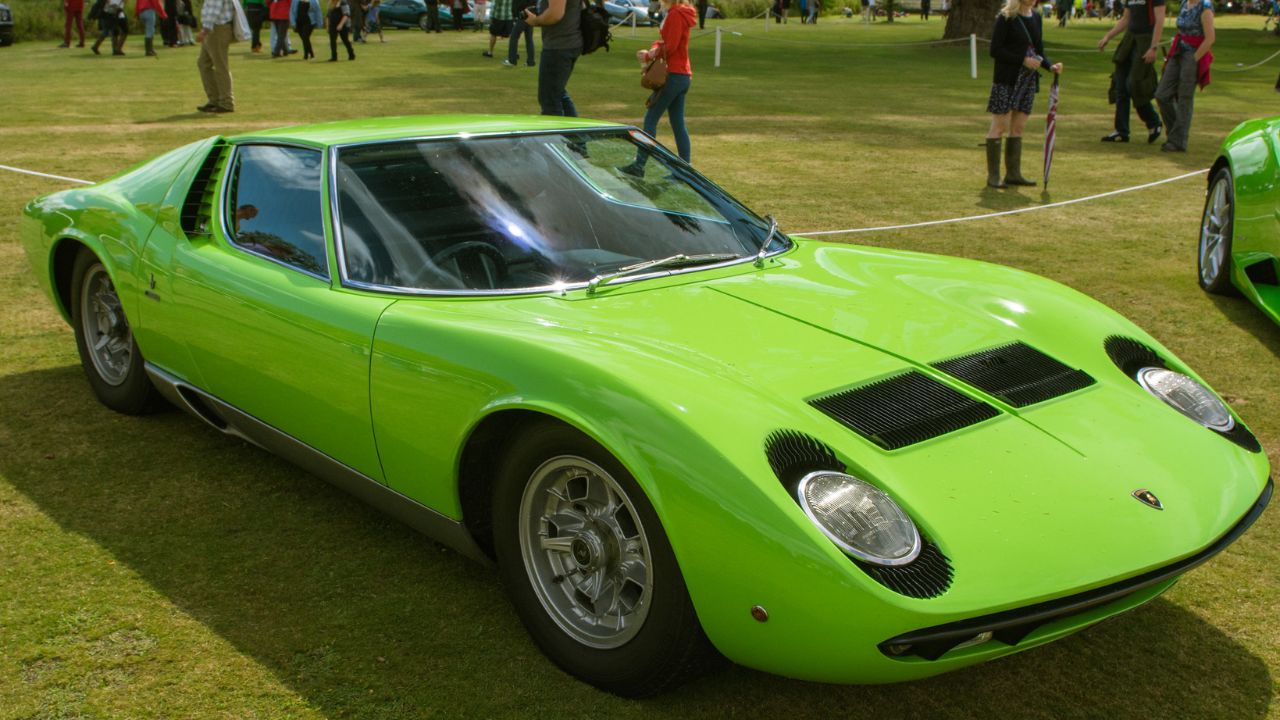
The Lamborghini Miura, produced between 1966 and 1973, is often credited as the world’s first supercar. With a mid-engine layout and a V12 powerhouse, it set the standard for high-performance sports cars. Despite its groundbreaking design and engineering, production was limited to just 764 units, making it a rare sight on the roads.
The Miura’s short-lived production run can be attributed to the rapid advancements in automotive technology and the introduction of newer models like the Lamborghini Countach. Today, the Miura is a highly sought-after collector’s item, celebrated for its design and performance but remembered for its brief stint in the limelight.
Ferrari 575M Maranello
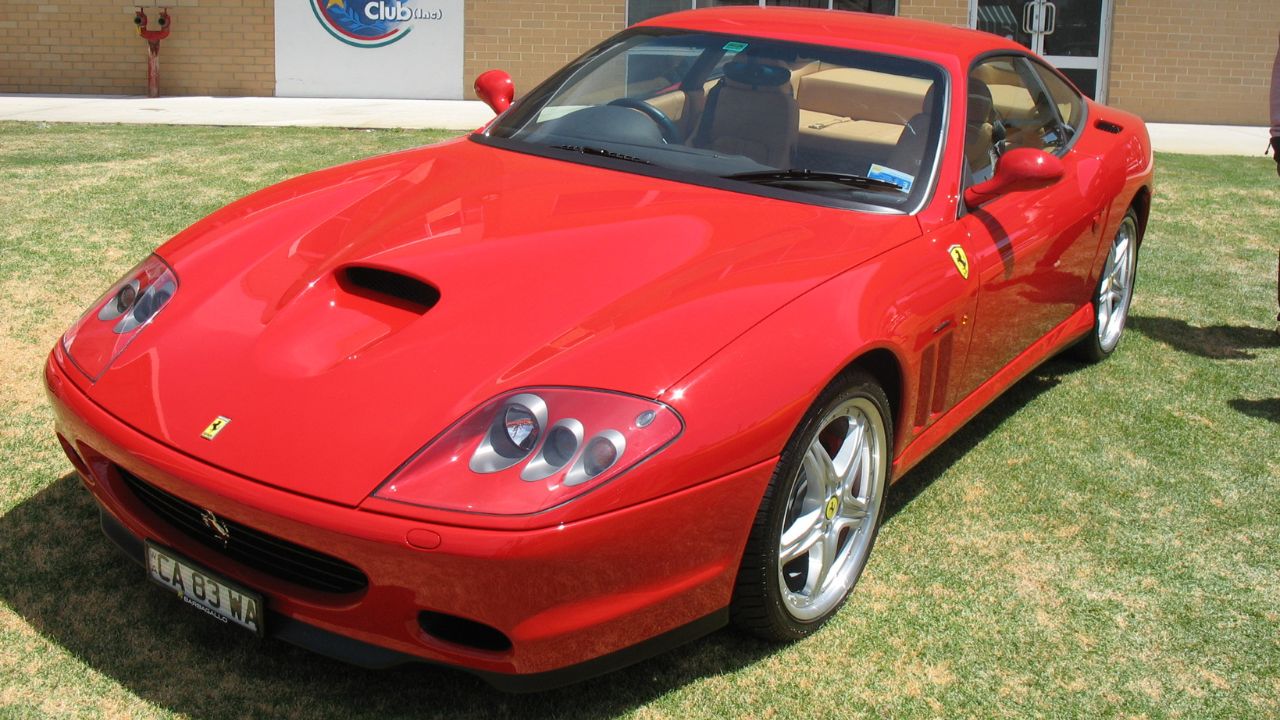
Launched in 2002, the Ferrari 575M Maranello was an update to the already impressive 550 Maranello. With a 5.7-liter V12 engine, it boasted improved power and handling. Despite its enhancements, the 575M Maranello was in production for only four years, until 2006.
The introduction of the Ferrari 599 GTB Fiorano in 2006 marked the end for the 575M. While the 575M offered a balance of luxury and performance, the rapid pace of Ferrari’s innovation meant it was quickly overshadowed by newer models. Nonetheless, the 575M remains a favorite among Ferrari purists for its classic front-engine layout.
Aston Martin V12 Vanquish
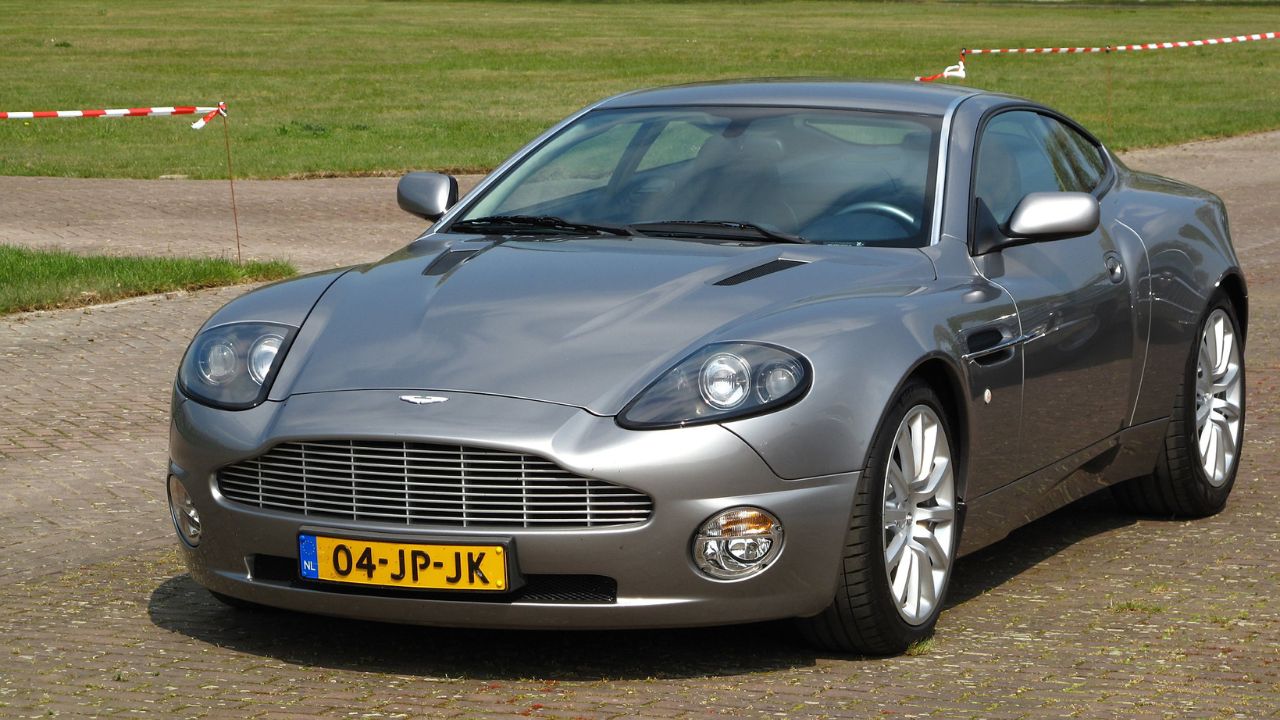
The Aston Martin V12 Vanquish, produced from 2001 to 2007, was a symbol of British luxury and power. Under the hood, a 5.9-liter V12 engine delivered impressive performance, making it a formidable contender in the grand touring segment. It also gained fame through its appearance in the James Bond film “Die Another Day.”
Despite its cinematic fame, the V12 Vanquish faced tough competition from newer, more advanced models both within and outside the Aston Martin lineup. Its production ceased in 2007, giving way to the DBS. The Vanquish, however, is fondly remembered for its blend of elegance and raw power.
Jaguar XJ220
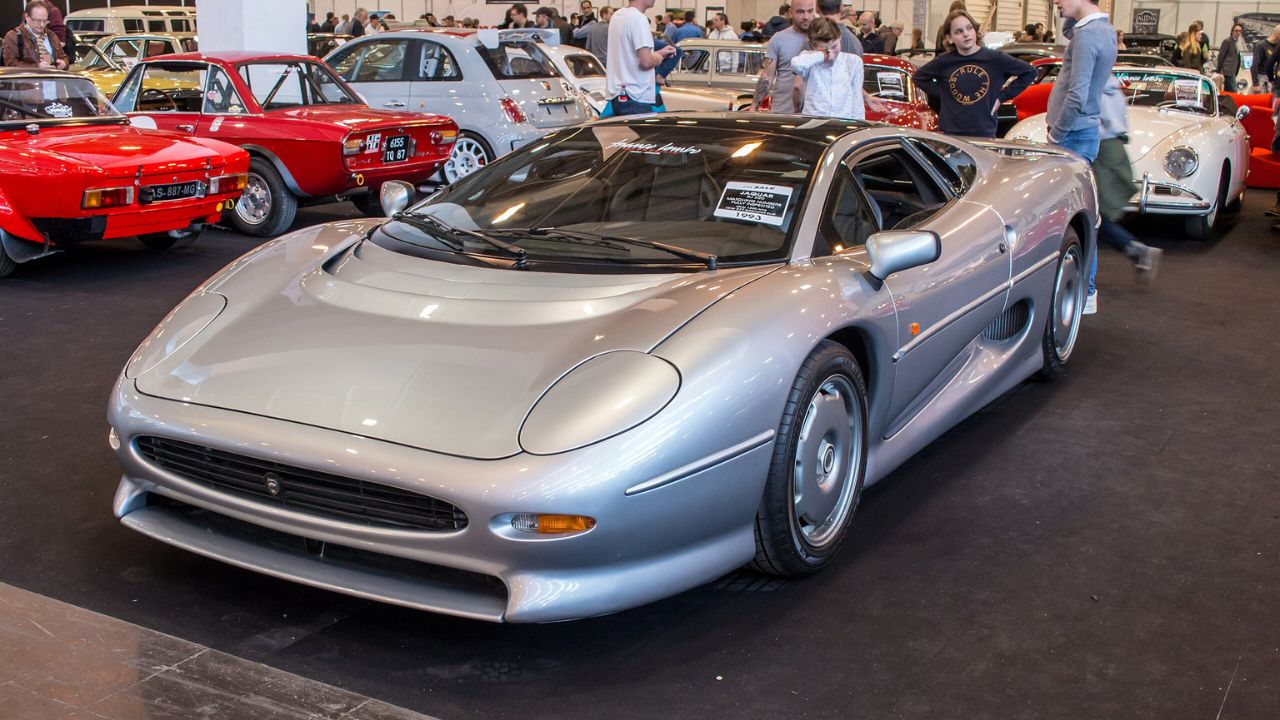
The Jaguar XJ220, despite its name, housed a V6 engine, but it’s often mentioned among V12 exotics due to its initial V12 concept. Launched in 1992, it was the fastest production car of its time. However, the recession and a shift in market demand led to a much shorter production span than originally planned.
With only 275 units produced, the XJ220 is a rare collectible today. Its brief production run was marred by economic challenges and a change from the promised V12 to a turbocharged V6, which disappointed some potential buyers. Yet, its performance and unique place in automotive history keep it revered among enthusiasts.
BMW 850CSi
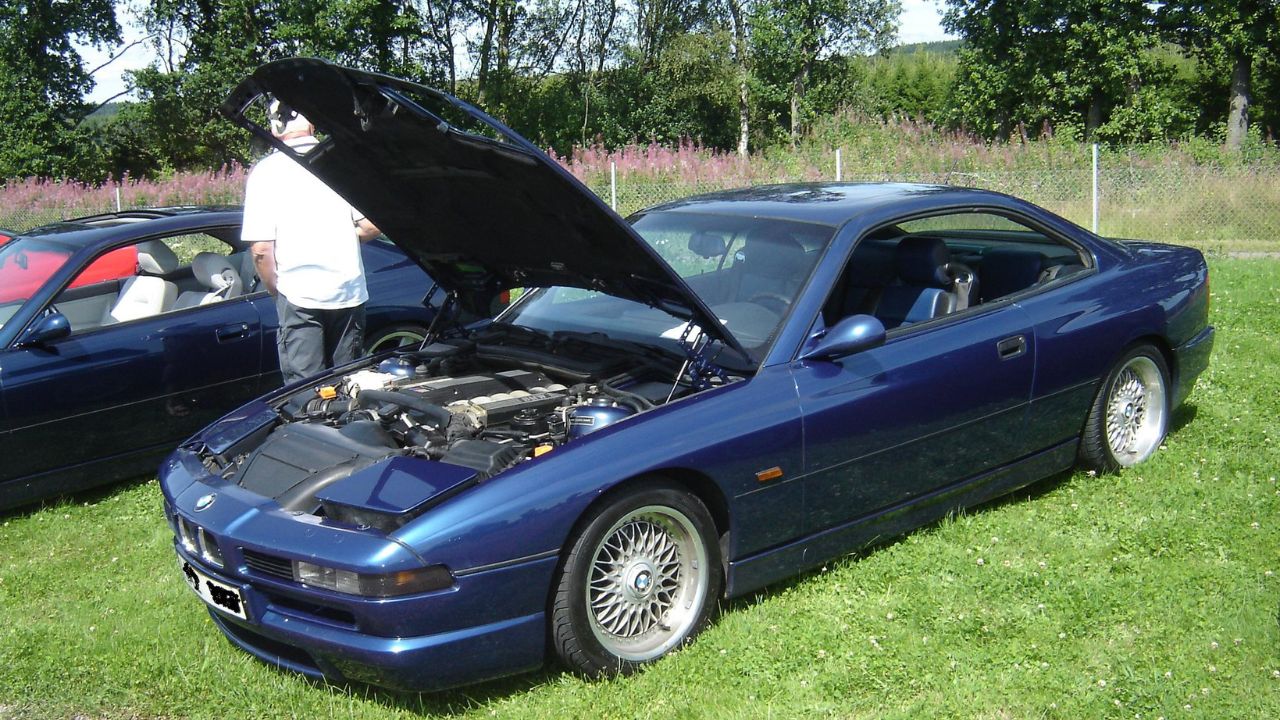
The BMW 850CSi, part of the BMW 8 Series, was produced from 1992 to 1996 and featured a 5.6-liter V12 engine. It was a testament to BMW’s engineering prowess, blending luxury with high performance. However, the 850CSi’s life was cut short by changing market conditions and high production costs.
The 850CSi was discontinued as BMW refocused its strategy on more fuel-efficient models amidst tightening environmental regulations. Despite its brief stint, the 850CSi is cherished by BMW aficionados for its engineering excellence and remains a highlight of BMW’s history in producing luxury coupes.
Maserati MC12
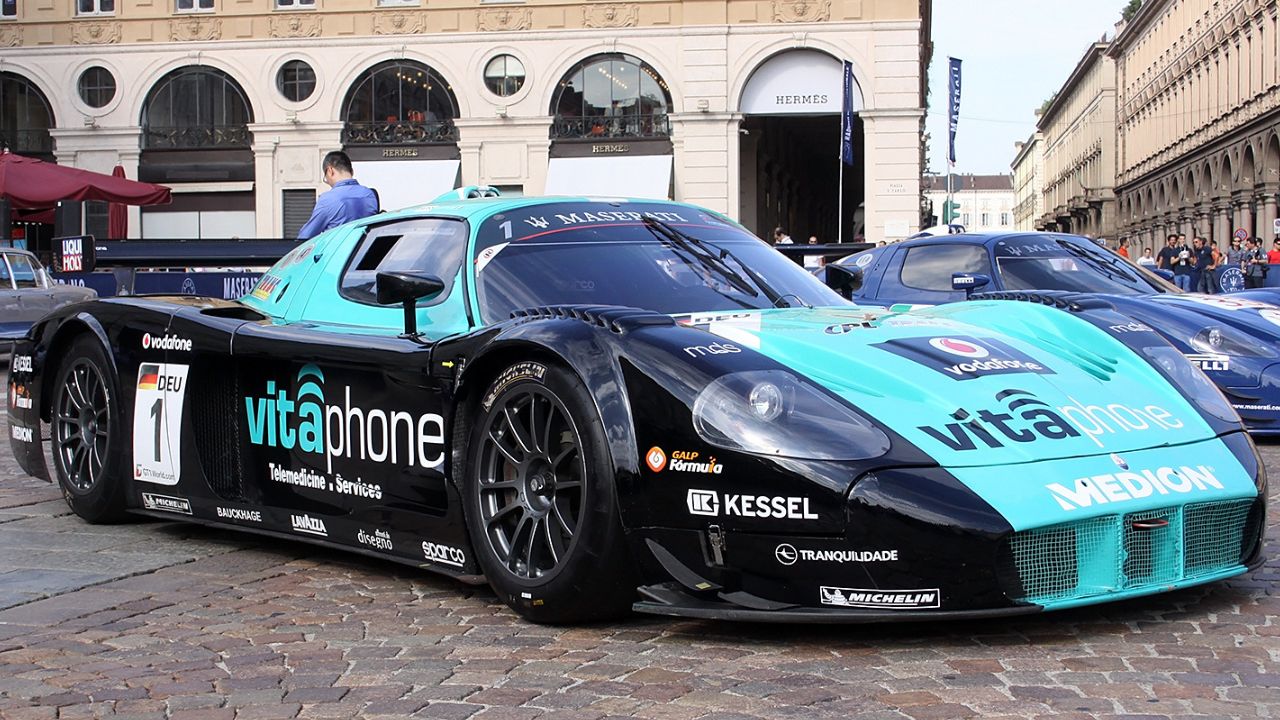
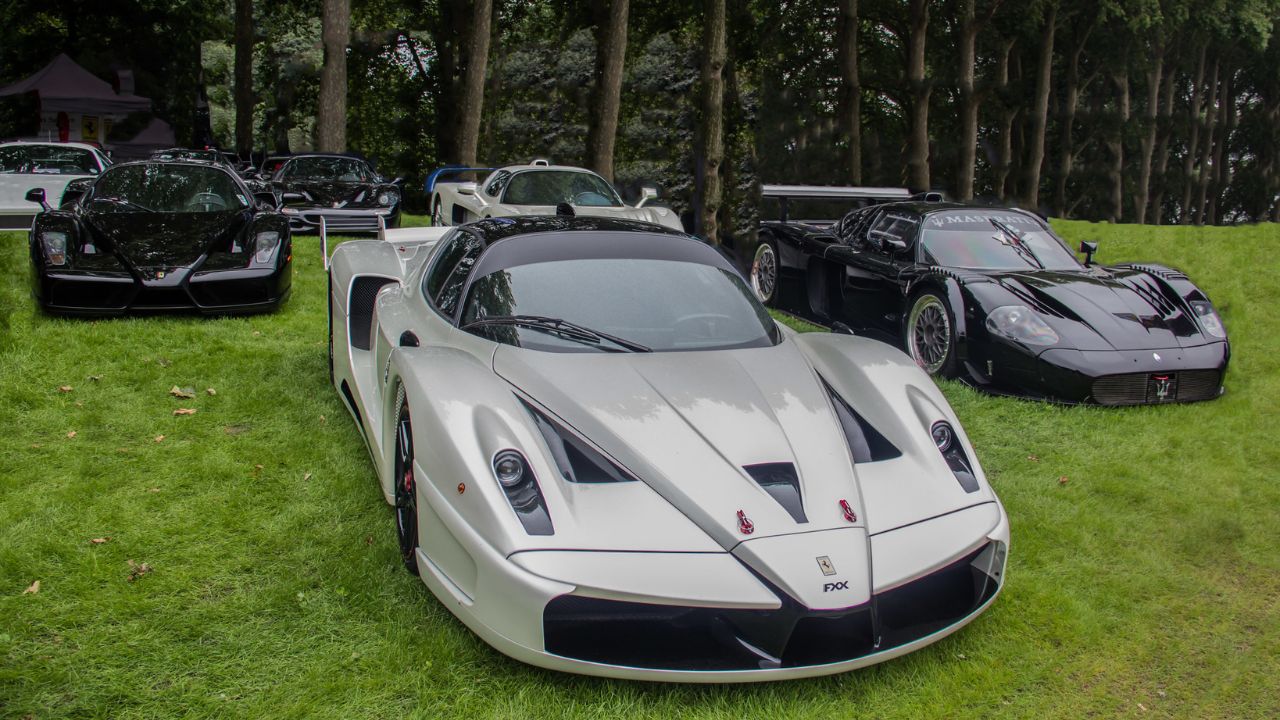
Introduced in 2004, the Maserati MC12 was a supercar designed for both the road and the racetrack. With a 6.0-liter V12 engine derived from the Ferrari Enzo, it was a limited-production vehicle with only 50 units made for road use. Its design and performance captured the essence of Italian automotive art.
The MC12’s production was brief, and its exclusivity was both its strength and limitation. It was built primarily to homologate Maserati’s FIA GT race cars, and once its racing objectives were achieved, production ceased. Today, the MC12 is a coveted piece of Maserati’s racing heritage.
Pagani Zonda C12
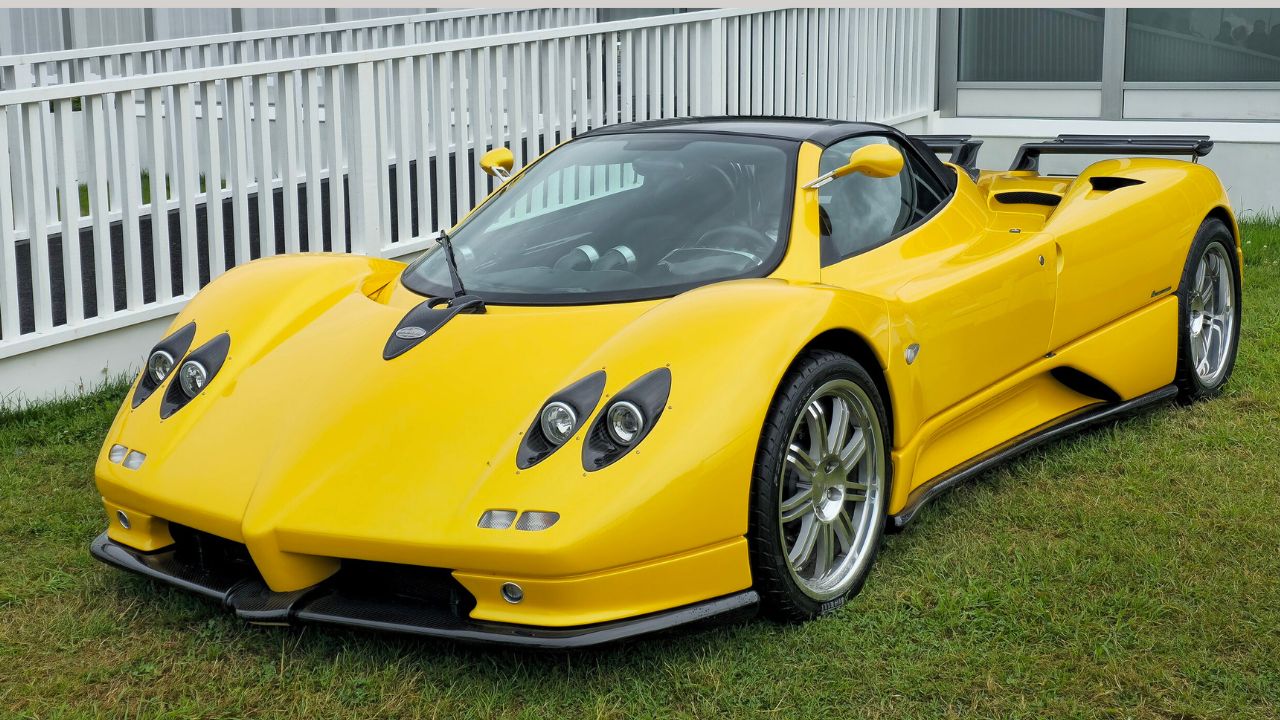
The Pagani Zonda C12 made its debut in 1999, marking the entry of Horacio Pagani into the world of supercars. Powered by a 6.0-liter V12 engine from Mercedes-Benz, the Zonda C12 was a masterpiece of design and engineering. Limited production and a focus on customizations made each Zonda unique.
The Zonda’s production officially ended in 2011, although special one-off versions continued for select clients. The C12’s rarity and bespoke nature have made it a celebrated model, though its initial production run was relatively short compared to its impact on the supercar world.
Vector W8 Twin Turbo
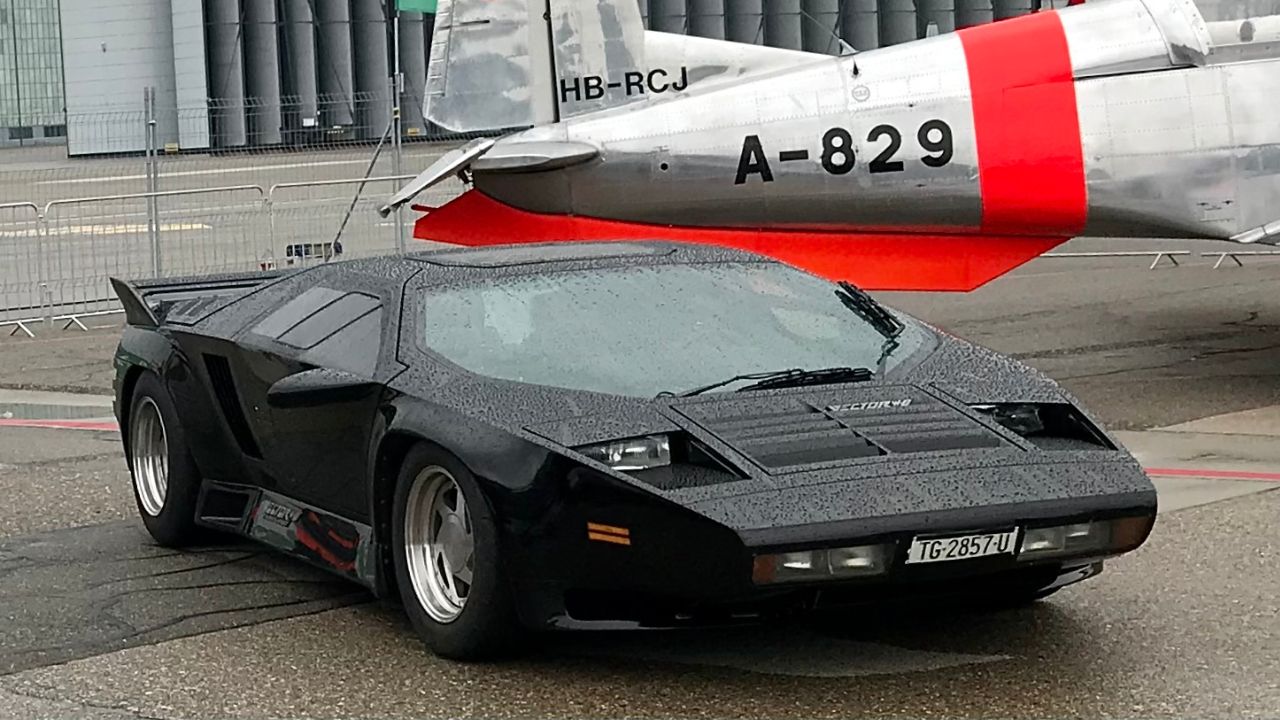
The Vector W8 Twin Turbo is an exotic from the early 1990s that combined aerospace technology with supercar performance. Featuring a 6.0-liter twin-turbocharged V8 engine, it promised top-tier performance and futuristic design. However, the W8 struggled with financial difficulties and technical challenges.
With only 19 units produced between 1989 and 1993, the W8’s production was fraught with obstacles, including reliability issues and high costs. Despite its commercial struggles, the Vector W8 remains an intriguing part of automotive history, representing the bold ambition of American supercar engineering.
Like Fast Lane Only’s content? Be sure to follow us.
Here’s more from us:
*Created with AI assistance and editor review.