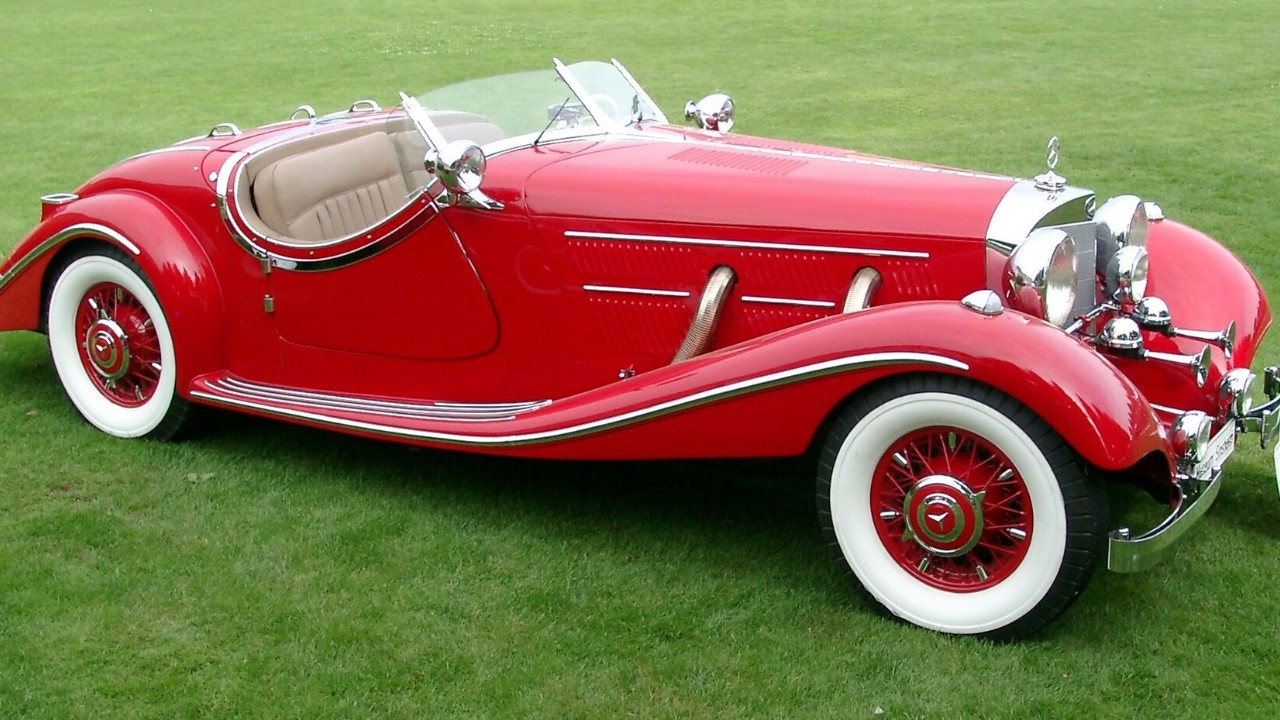
Graham-Paige, a Detroit carmaker, built more supercharged cars than any other manufacturer for decades. Then Buick finally passed it in the 1990s with a supercharged V6. That’s a fun bit of trivia, and it shows how far forced induction traveled, from prewar luxury cars to family sedans.
In simple terms, a supercharger is a belt- or gear-driven air pump that crams more air into an engine. The result is instant extra muscle and, often, a distinctive whine. Some makers used it to win races. Meanwhile, others used it to make a sensible car feel special.
These are our picks, 11 supercharged cars that we think stop traffic wherever they go. That verdict is our opinion. The engines, outputs, production figures and sale prices come from reference sources, auction houses and collector press we checked. As a result, you’ll find prewar royalty here, plus a few modern sleepers.
1. Mercedes-Benz SSK
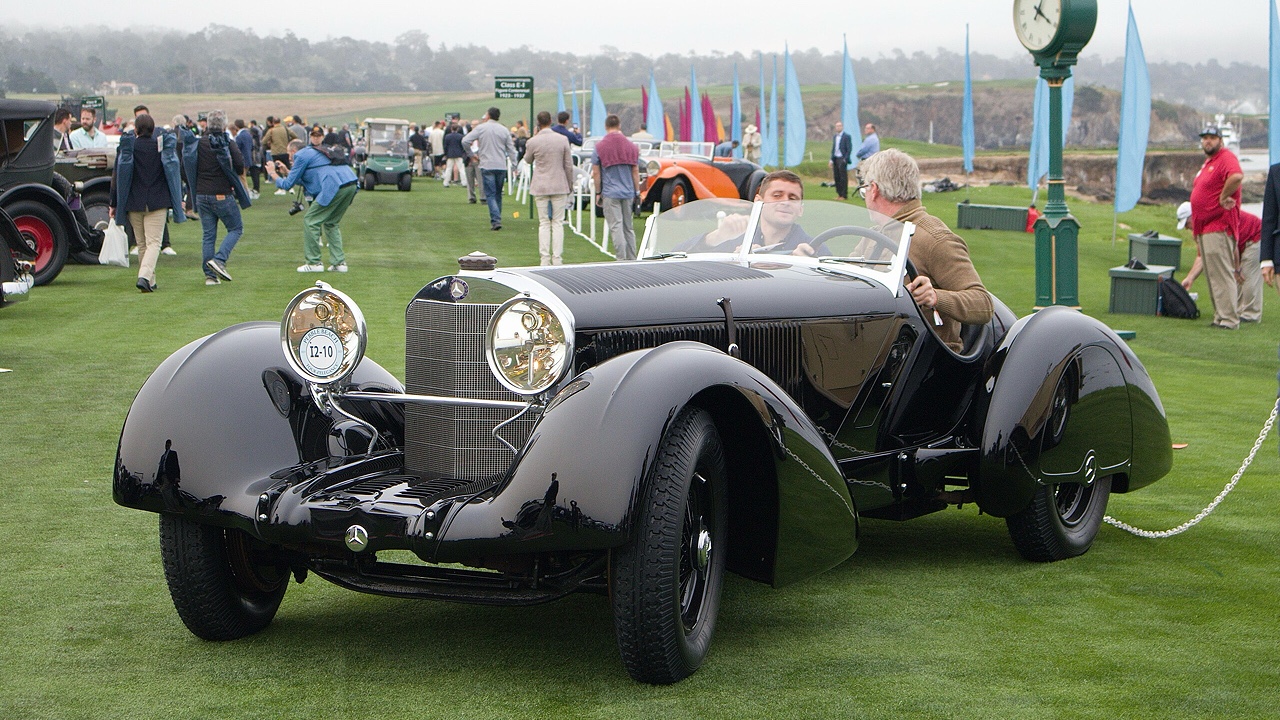
Ferdinand Porsche designed the SSK, and it was the last car he drew for Mercedes-Benz before leaving to start his own firm. The letters stand for Super Sport Kurz, or Super Sport Short. Built from 1928 to 1932, it carried a supercharged 7,069 cc straight-six.
Better yet, the supercharger worked on demand. When the driver pressed the throttle to the floor and then a bit further, a clutch engaged the blower. Depending on tune, output ranged from 200 to 300 metric horsepower, with more than 500 lb-ft of torque and a top speed of up to 125 mph. Rudolf Caracciola then drove SSKs to wins in the 1929 Ulster Tourist Trophy, the 1930 Irish Grand Prix, the 1931 German Grand Prix and the 1931 Mille Miglia.
Our take: the SSK is the prewar supercar, plain and simple. Mercedes built only 33, and it sold about half as racing cars. As a result, only four or five entirely original examples remain. One 1929 car sold at Bonhams in Chichester in September 2004 for £4.17 million, then about $7.4 million.
2. Bentley 4½ Litre Blower
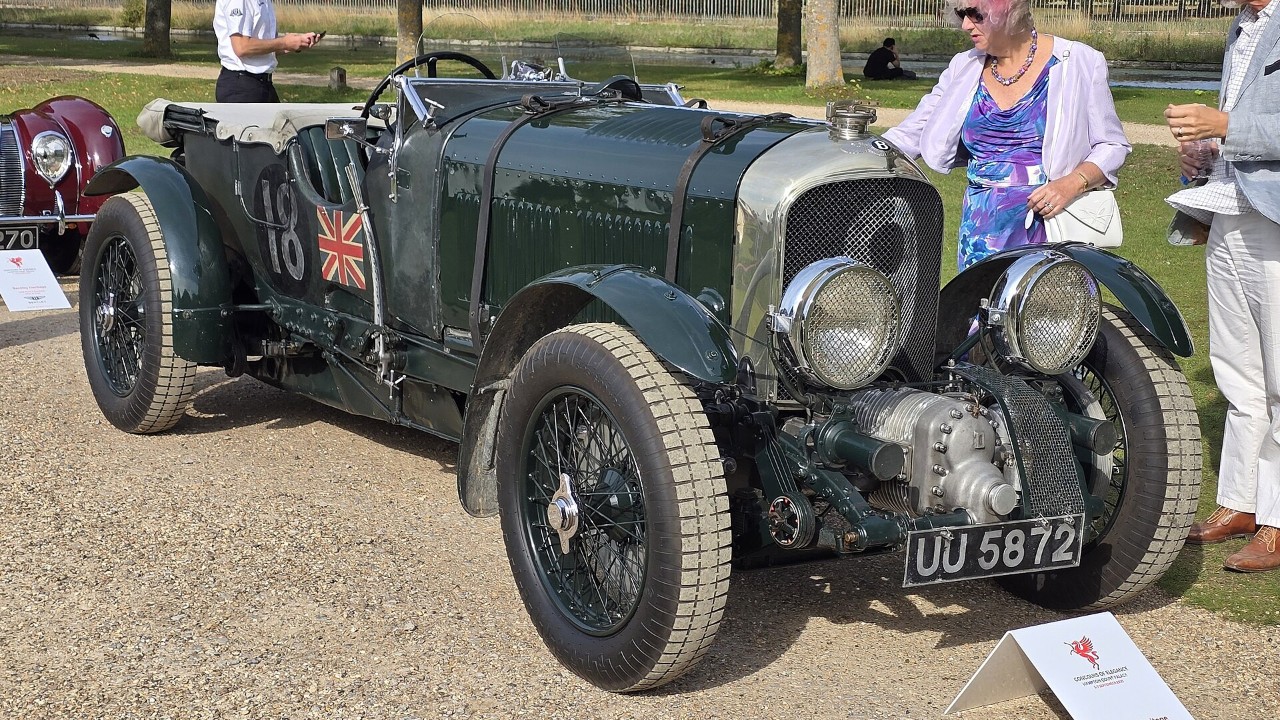
W.O. Bentley hated the idea. In fact, he said that supercharging a Bentley engine was “to pervert its design and corrupt its performance.” So racer Tim Birkin did it himself, with money from Dorothy Paget and help from supercharger specialist Amherst Villiers.
Instead of hiding it, Birkin’s team mounted the Roots-type blower out in front of the radiator, driven from the crankshaft. In racing form, the 4,398 cc four jumped from 130 bhp unblown to 242 bhp at 4,200 rpm. Birkin then persuaded Bentley to build the 50 supercharged cars needed for Le Mans acceptance. The race itself went badly in 1930, however. Both privately entered Blowers retired, and the works Speed Six of Woolf Barnato and Glen Kidston won.
In our view, the Blower is the most dramatic-looking car of its era. After all, that big supercharger hanging off the nose makes it unmistakable. Birkin’s single-seat Blower later lapped Brooklands at 137.96 mph. Bentley Mulliner has since built a run of 12 continuation cars from the original drawings and tooling jigs.
3. Mercedes-Benz 540K
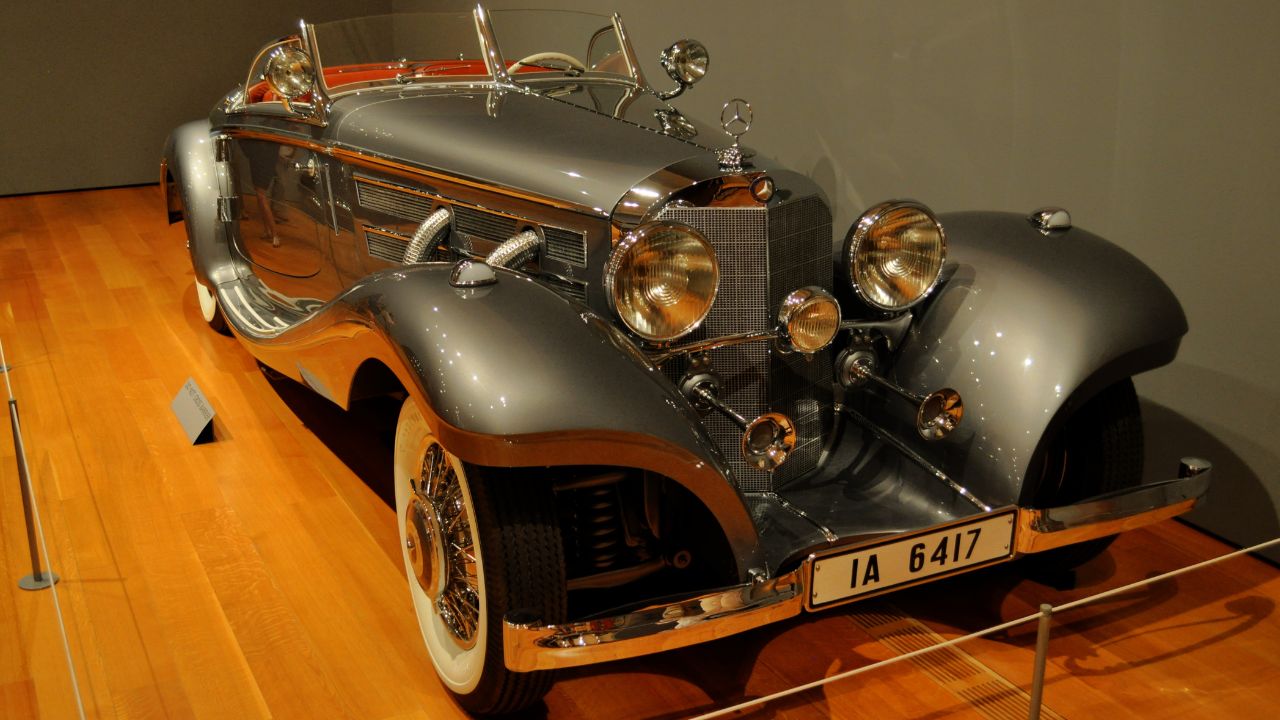
Mercedes-Benz built the 540K from 1936 to 1940 around a 5,401 cc straight-eight. According to RM Sotheby’s anatomy of a 1937 540 K Cabriolet A, flooring the accelerator engaged the gear-driven Roots-style supercharger. At the same moment, it closed off the carburetor’s normal air intake.
As a result, that trick took output from 115 horsepower to 180 horsepower. Top speed approached 110 mph, which was serious going for a car that could weigh up to 2,700 kg. Drivers could also engage the blower manually for short bursts. In total, the Sindelfingen factory built 419 540Ks. RM Sotheby’s adds that only 32 Cabriolet A bodies were made, and 18 are believed to survive.
Our take: the 540K is the most elegant car on our list, and it may also be the loudest statement. The long hood and swooping fenders look like a 1930s movie set on wheels. Mercedes hand-built the bodies at its own Karrosserie Sindelfingen, offering four cabriolet styles from A through D. Even today, few cars carry that much presence.
4. Duesenberg SSJ

The supercharged Duesenberg SJ was already a giant by 1930s standards, rated at 320 horsepower with its blower mounted beside the engine. Yet Duesenberg made only 36 SJs. The SSJ then went further, on a short 125-inch wheelbase with a dual-carburetor “ram’s horn” intake and close to 400 horsepower. We profiled why the 1935 Duesenberg SJ was so impressive in a separate story.
Duesenberg built just two SSJs, both with lightweight open roadster bodies by Central Manufacturing Company. First, Gary Cooper bought one in 1935. Meanwhile, the company lent the second to Clark Gable in 1936, and the two stars reportedly raced each other in the Hollywood Hills.
In our view, the SSJ is the standout American car of the 1930s. It combined huge power, a short chassis and movie-star ownership. The market agrees. Hagerty reported that Gooding & Company sold Cooper’s SSJ at Pebble Beach in 2018 for $22 million, including the buyer’s premium. That made it the most expensive American car ever sold at auction.
5. Graham Supercharger Sharknose
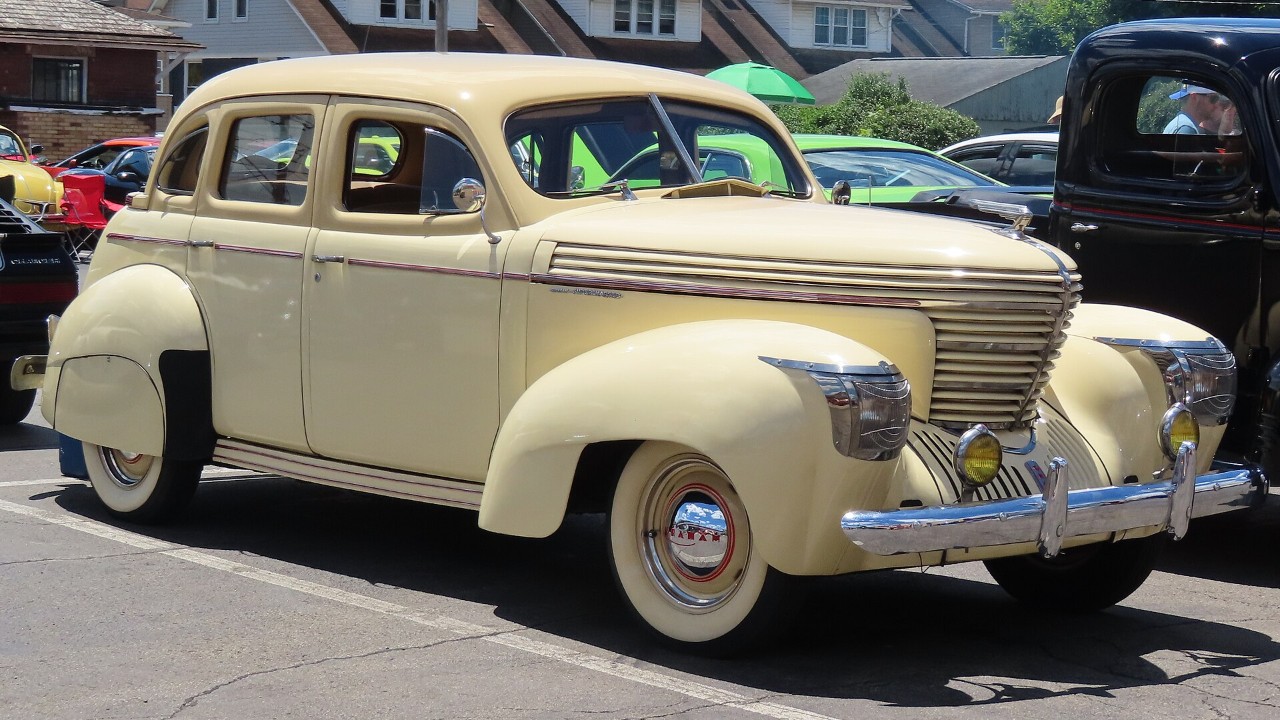
Graham introduced a crankshaft-driven supercharger for 1934. Assistant chief engineer Floyd F. Kishline designed it in-house. At first, it went only on Graham’s top eight-cylinder models. Later, in 1936, Graham adapted it to the six when the eights were dropped.
Later, the 1938 car added the body that made Graham famous. It arrived with the slogan “Spirit of Motion,” and its cut-back grille later earned the “Sharknose” nickname. The design won the Concours d’Elegance in Paris, plus awards at Lyon, Bordeaux and Deauville. Sales, however, were a flop, with estimates of 6,000 to 13,000 cars over three years.
Our take: the Sharknose is the most daring American design on this list. That forward-leaning nose still looks fast parked at a curb. It also proves that a supercharger didn’t need a luxury badge to make sense. Amos Northup, the designer behind Graham’s celebrated 1932 models, was hired to shape the 1938 car but died before finishing it.
6. 2002 Mini Cooper S
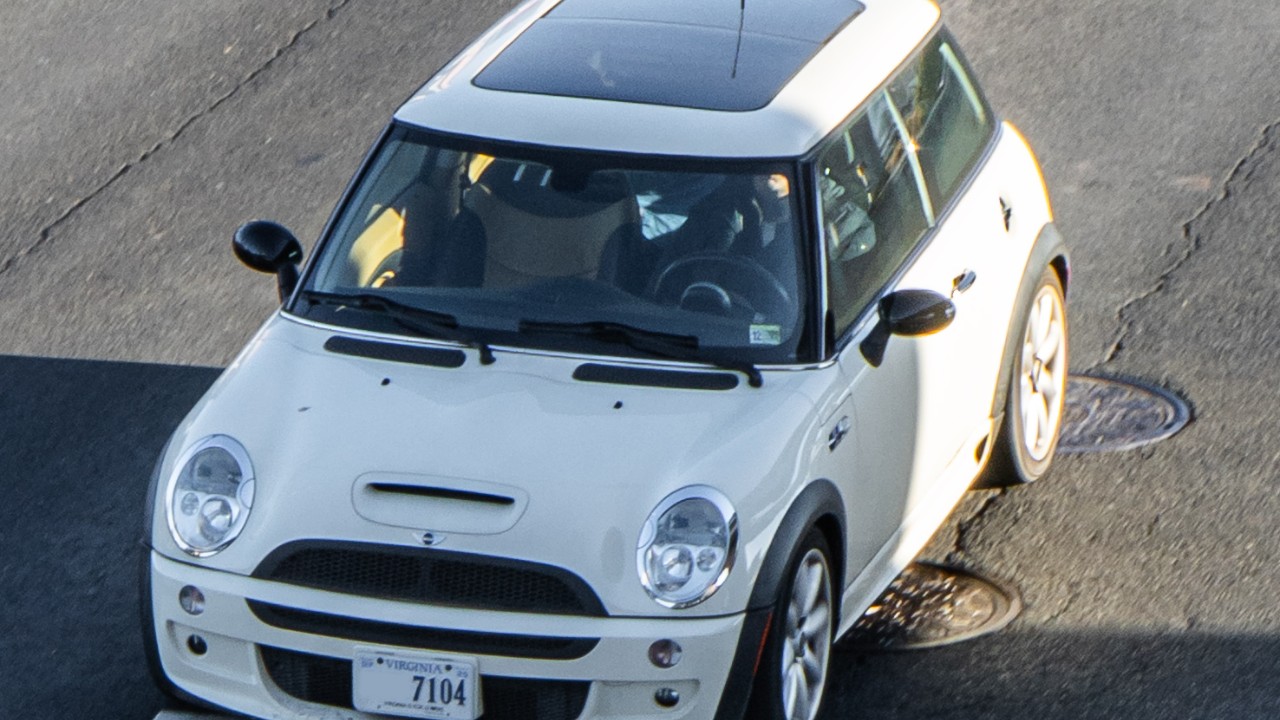
BMW’s new Mini arrived in 2001, built at Plant Oxford in Cowley. The Cooper S version of this first-generation car, known as the R53, used a supercharged intake system. That set it apart from the regular Cooper, and it gave the little hatch a sharper personality.
After that, the supercharged Cooper S stayed in production through 2006. By then, BMW had been selling Minis since 2000, after buying Rover Group in 1994. The last first-generation variant was the Cooper S with the John Cooper Works GP Kit, a limited run of 2,000 cars for the 2006 model year.
In our view, the R53 Cooper S is the most fun-per-dollar car here. It looks cheeky, it feels eager, and the supercharger gives it a lively personality. If you shop one, we’d look for a car with detailed service records and a healthy clutch, and we’d pay extra for an unmodified example. The GP Kit cars are the collector’s pick.
7. 2009 Chevrolet Corvette ZR1
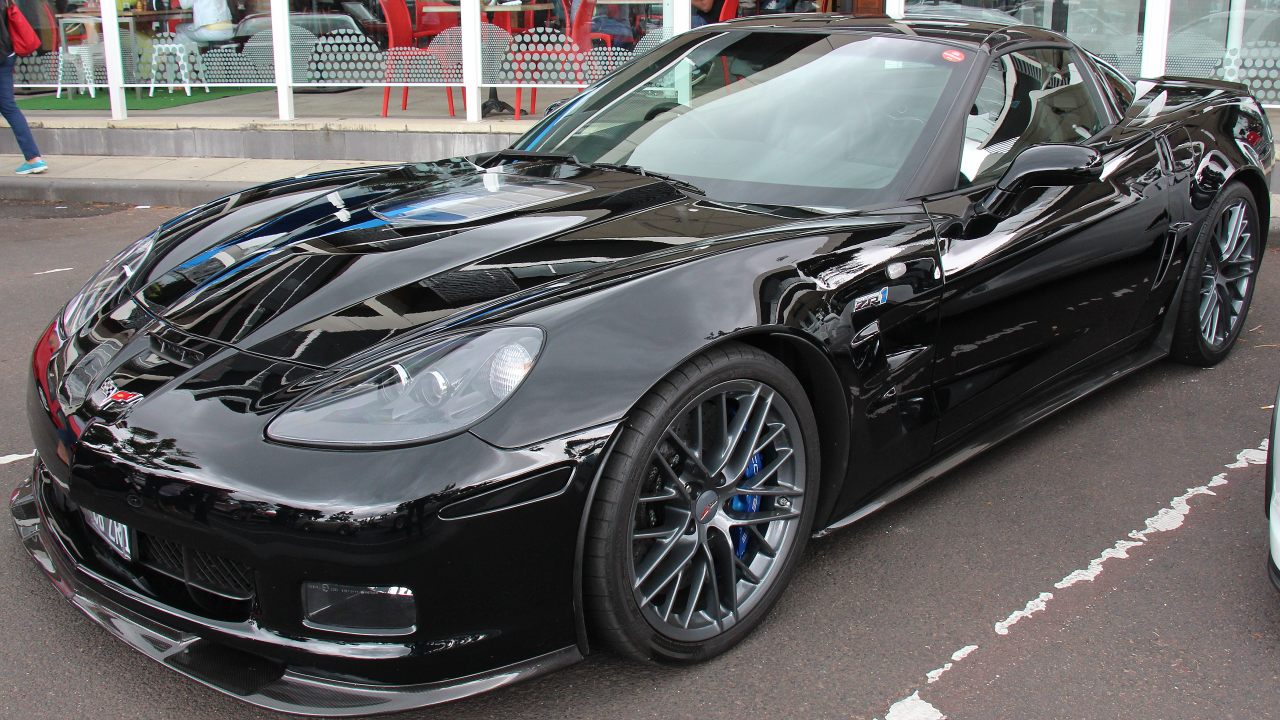
Chevrolet developed the C6 ZR1 under the internal code name Blue Devil. Its supercharged 6.2-liter LS9 V8 made 638 horsepower at 6,500 rpm and 604 lb-ft of torque at 3,800 rpm. As a result, Chevy said the car could reach 205 mph.
Meanwhile, the body showed off the hardware. A polycarbonate window in the center of the hood let people see the intercooler from outside. Carbon fiber also covered the roof, hood, fenders, front splitter and rocker moldings. Motor Trend’s October 2008 test then recorded 0 to 60 mph in 3.3 seconds and a quarter-mile in 11.2 seconds at 130.5 mph.
Our take: the 2009 ZR1 is the supercharged car that turned the Corvette into a world-class supercar. That clear hood panel is a brilliant bit of showing off, and we can’t walk past one without looking in. Fun fact: the carbon roof keeps its black finish under a clear coat. We’d buy the cleanest, lowest-mileage car we could afford and drive it gently.
8. 1992 Pontiac Bonneville SSEi
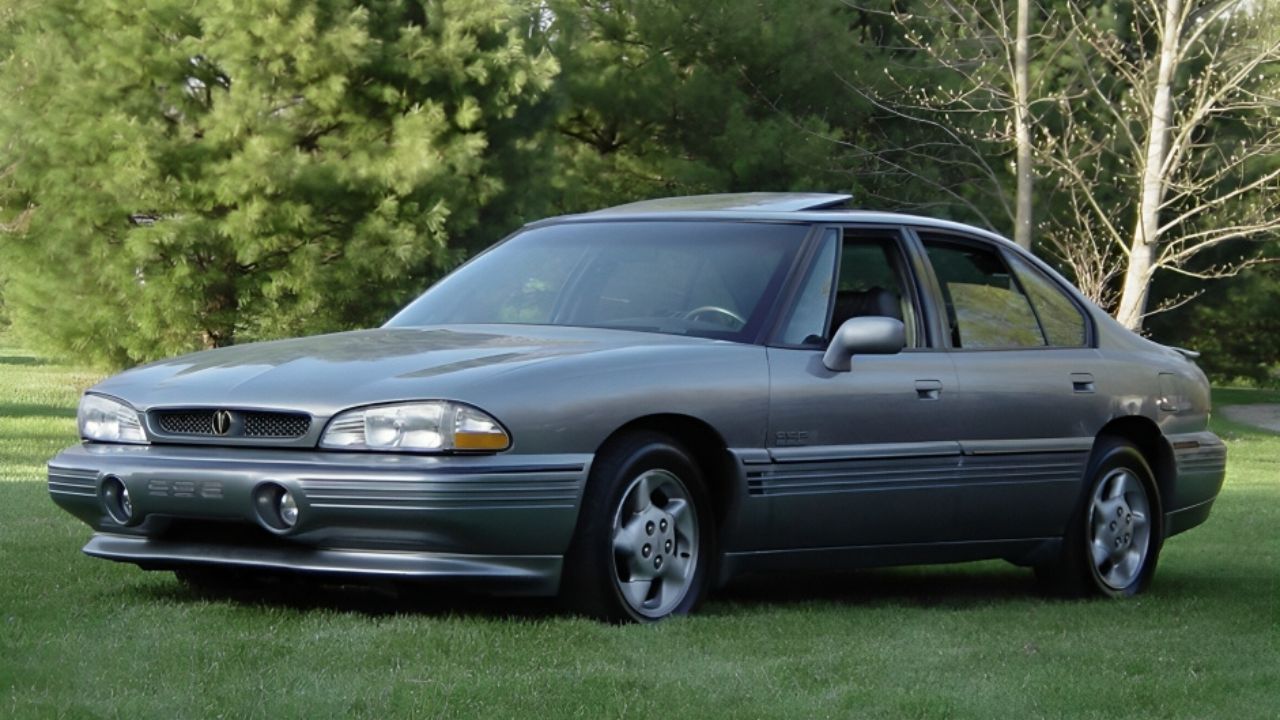
Pontiac gave the redesigned 1992 Bonneville a new top trim, the SSEi. Under the hood sat the supercharged Series I 3800 V6, RPO L67, with an Eaton M62 Roots-type supercharger. At first, in 1992, it made 205 horsepower and 260 lb-ft of torque.
Then Pontiac kept turning up the wick. The L67 rose to 225 horsepower for 1994 and 1995, then to 240 horsepower from 1996 to 1999. The SSEi ran through that ninth generation, and the name carried into the next Bonneville for 2000 and 2001. Our earlier story covers the years Pontiac built the Bonneville SSEi in detail.
In our view, the SSEi is the perfect sleeper for someone who needs four doors. It looks like a big, comfortable sedan, yet the supercharger gives it real punch from a stop. However, many people walk right past one. We’d pick a later car with the 240-horsepower engine and full service records, since a big sedan’s comfort features are pricey to fix.
9. 1997 Buick Regal GS
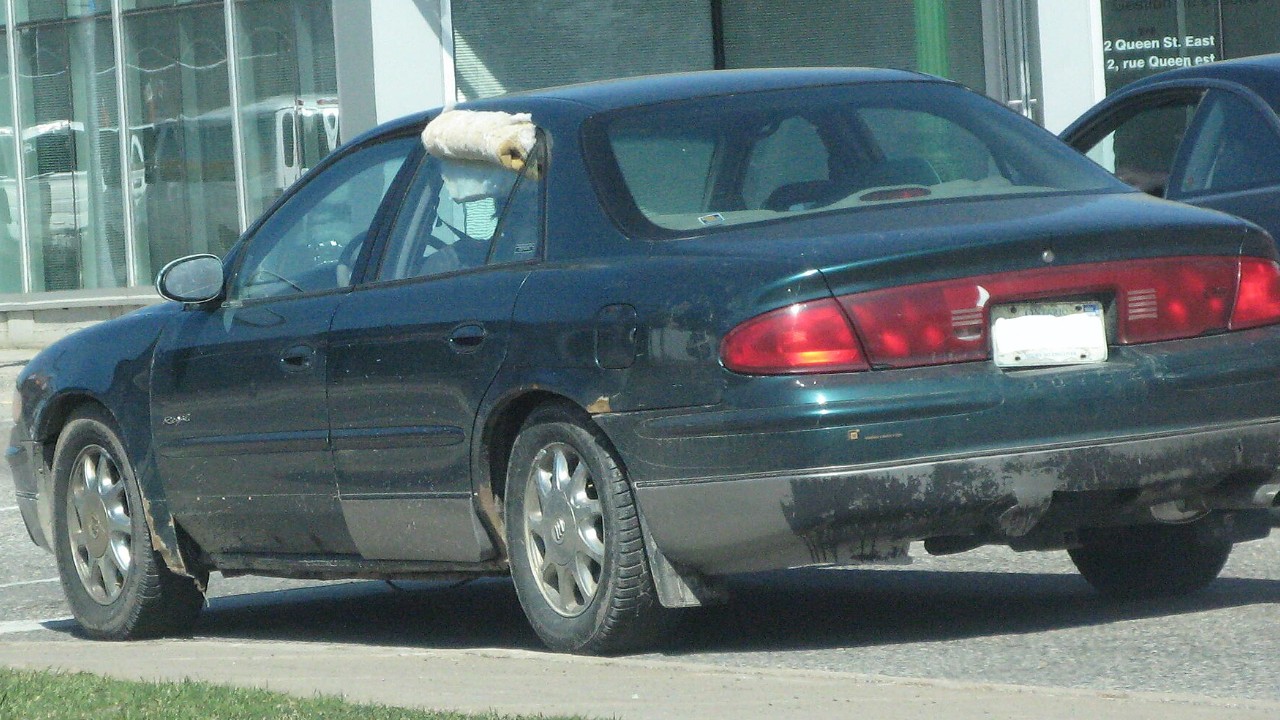
Buick brought supercharging to the Regal for 1997, and the GS kept it through 2004. Its supercharged 3.8-liter L67 Series II V6 made 240 horsepower and 280 lb-ft of torque. The Regal shared its W-body platform with the Century, Oldsmobile Intrigue, Pontiac Grand Prix and the Chevy Lumina and Monte Carlo.
Buick also dressed the GS up over time. From 2001 to 2004, a Joseph Abboud edition added taupe leather seats, special emblems and 16-inch aluminum wheels. Then, in 2003 and 2004, SLP offered dealer-installed GSX kits, and the Stage 3 kit was rated at 270 horsepower and 312 lb-ft.
Our take: the Regal GS is the supercharged Buick that put the brand back in Graham’s record book. It is a comfortable family sedan with a surprise under the hood. Therefore, we’d look for a GS with records and an untouched interior. An SLP GSX car with paperwork is the rare find worth chasing.
10. 1998 Jaguar XKR

Jaguar introduced the XKR in May 1998 as the supercharged version of the XK8. Its 4.0-liter AJ-V8 used a 1.8-liter Eaton supercharger, the same unit Ford fitted to the F-150 SVT Lightning. A Mercedes-Benz five-speed automatic handled the power from 1998 to 2002.
The first XKR made 370 horsepower. Like the XK8, it was electronically limited to 155 mph. In 2000, Jaguar also built 558 “Silverstone” cars to mark its Formula One entry for 2001. We showed off the limited-edition XKR Silverstone in photos in an earlier gallery.
In our view, the XKR is the best-looking supercharged car of the late 1990s. It has classic Jaguar curves with a hidden, snarling heart. Jaguar built about 9,661 XKR coupes and 13,895 convertibles. A later 4.2-liter version raised output to 400 horsepower.
11. 2005 Chevrolet Cobalt SS Supercharged
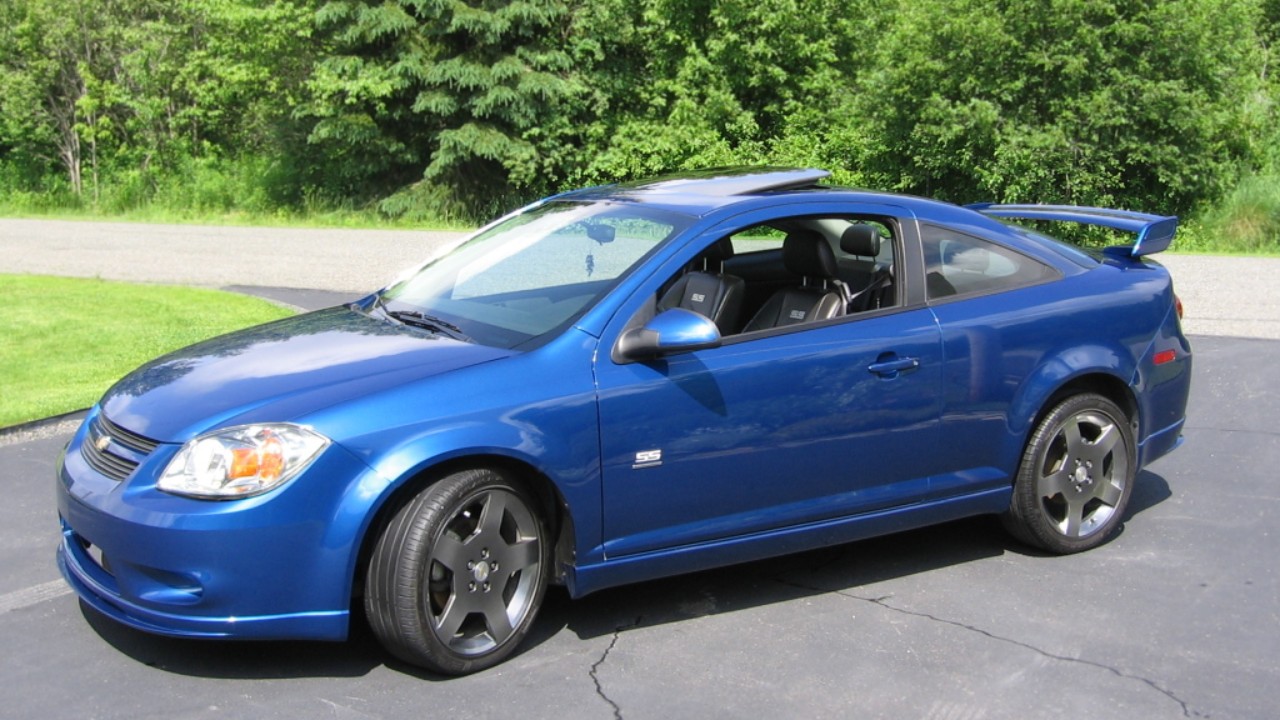
Here’s a family connection we love. The blower on this compact Chevy was an Eaton M62, the same model name Pontiac used on the 1992 Bonneville SSEi. However, Chevy bolted it to a 2.0-liter LSJ Ecotec four and added an air-to-liquid intercooler. The car went on sale in late 2004 for the 2005 model year, and only in two-door form.
That little four matched the first SSEi’s V6 at 205 horsepower, peaking at 5,600 rpm, with 200 lb-ft arriving at 4,400 rpm. For the gearbox, Chevy used a Saab-sourced five-speed manual. Meanwhile, the G85 option box was the one to tick, because it brought Recaro seats and a limited-slip differential.
In our view, this is the bargain way into supercharged ownership. It’s the most ordinary-looking car here, and few cars turn a commuter coupe into such an eager toy. So if one catches your eye, we’d hold out for a G85 car with a stock engine and service records. Chevy ended the supercharged coupe in 2007, which makes a clean survivor worth a second glance.
More from Fast Lane Only