The post-war era in America is often nostalgically remembered for its vibrant car culture, marked by the distinctive tailfins and whitewalls that came to symbolize the American dream. These design elements were more than mere stylistic choices; they represented the optimism, innovation, and prosperity of the 1950s. Exploring the cultural significance of tailfins and whitewalls reveals their evolution and their lasting impact on American society.
The Rise of Tailfins and Whitewalls
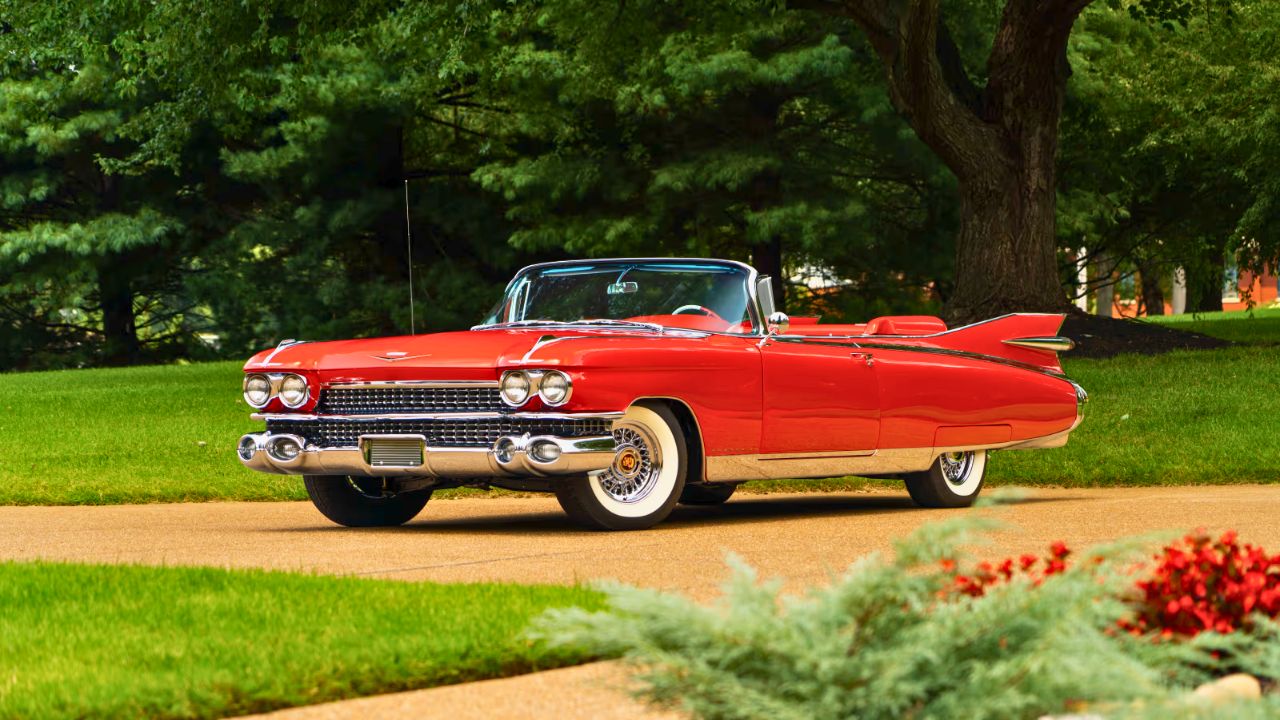
The 1950s was a decade of tremendous growth and change in America. The end of World War II brought about an economic boom, leading to increased consumer spending and a burgeoning middle class. In this context, car manufacturers seized the opportunity to create vehicles that reflected the newfound prosperity and optimism of the era. The result was a wave of extravagant car designs that included iconic features such as tailfins and whitewalls.
The design influences of this time were heavily drawn from the aviation and space race aesthetics, as manufacturers looked to capture the spirit of innovation and exploration. Tailfins, in particular, were inspired by aircraft design, providing a futuristic look that resonated with the American public. Iconic models like the Cadillac Eldorado and the Chevrolet Bel Air became synonymous with this era, capturing the imagination and embodying the American dream.
Symbolism of the American Dream

These cars were more than just modes of transportation; they were symbols of economic prosperity and consumerism in post-war America. Owning a car with tailfins and whitewalls was a status symbol, representing success and the ability to partake in the consumer culture that defined the 1950s. In many ways, these cars were a reflection of the broader economic climate, where growth and opportunity seemed boundless.
The role of automobiles in facilitating social mobility cannot be understated. Owning a car meant freedom and the ability to explore new opportunities, contributing to the broader access to the “American Dream.” These vehicles were celebrated in movies, music, and advertising, becoming cultural icons that permeated every aspect of popular culture.
Decline and Nostalgia
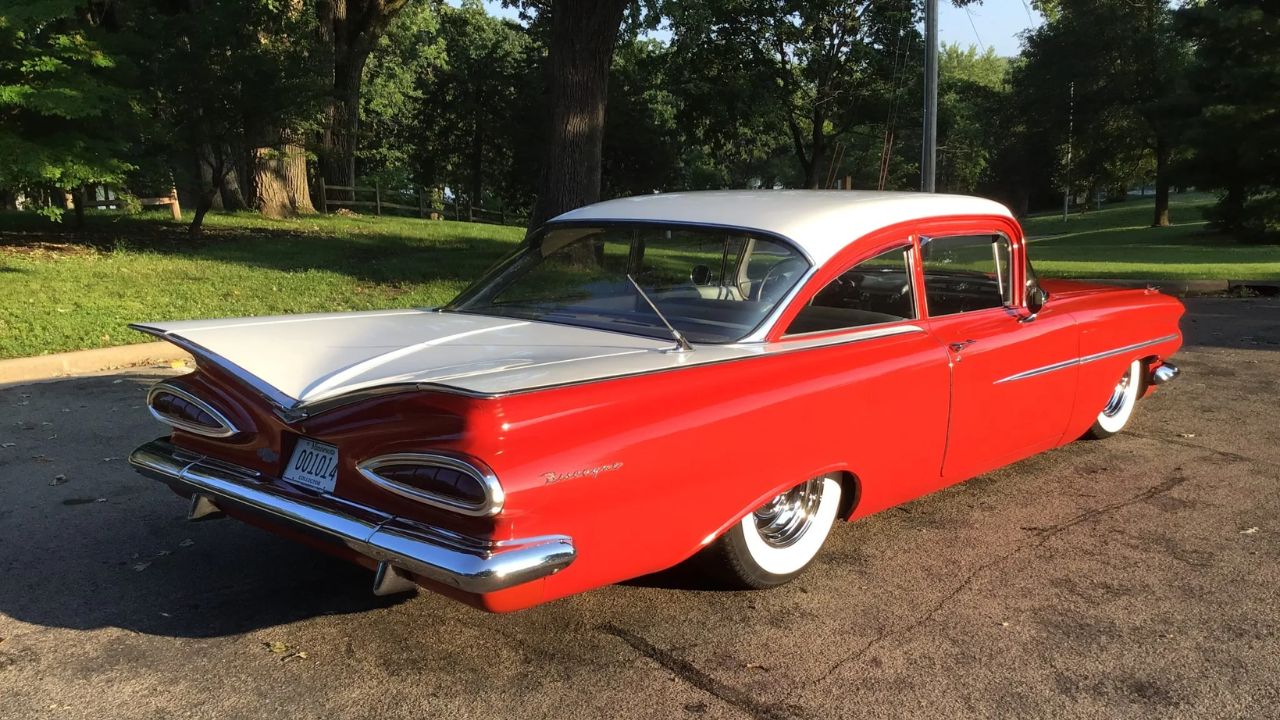
As time progressed, technological advancements and changing design trends led to the decline of tailfins and whitewalls. The 1960s and 1970s brought about a shift in societal values, moving away from the extravagant optimism of the 1950s towards more practical and fuel-efficient designs. The tailfins that once symbolized progress and innovation became relics of a bygone era.
Despite this decline, there has been a nostalgic revival of interest in classic cars. Enthusiasts and collectors celebrate these vehicles at car shows and in online communities like Built to Cruise. The allure of these cars endures, capturing the imagination of new generations who appreciate their unique designs and the history they represent.
Legacy and Influence
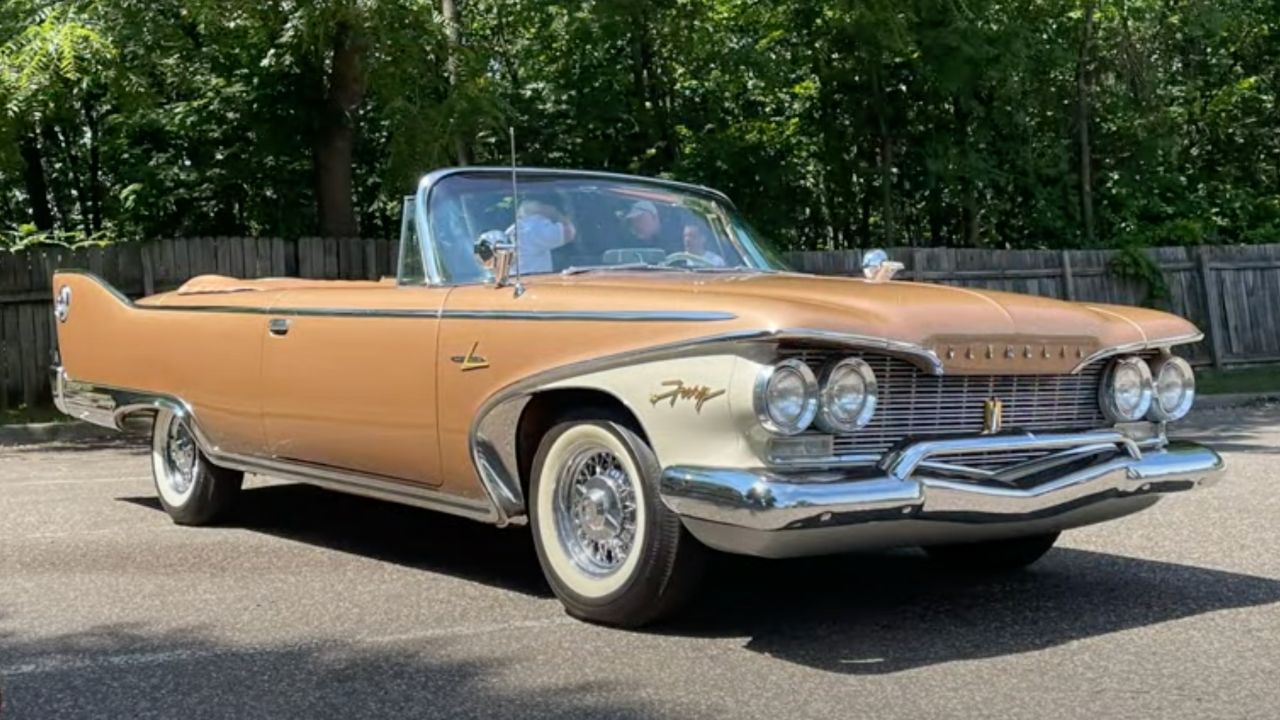
The legacy of 1950s car design continues to influence modern automotive aesthetics. Elements of these classic designs can still be seen in contemporary vehicles, as manufacturers draw inspiration from the past while incorporating modern technology. The preservation of classic cars has become an important aspect of American cultural heritage, with enthusiasts dedicating time and resources to maintaining these pieces of history.
Scenic byways and cultural routes like Route 66 pay homage to the legacy of these iconic vehicles, offering a journey through the heart of America’s automotive history. These routes celebrate the enduring influence of tailfins and whitewalls, reminding us of a time when cars were more than just transportation—they were symbols of the American dream.
Like Fast Lane Only’s content? Be sure to follow us.
Here’s more from us:
*Created with AI assistance and editor review.