The muscle car, a quintessential American invention, emerged as a symbol of power, speed, and freedom during the mid-20th century. These vehicles, characterized by their high-performance engines and bold designs, became more than just cars; they represented an era of revolutionary change and unbridled freedom on the open road.
The Birth of the Muscle Car
Origins and Influences
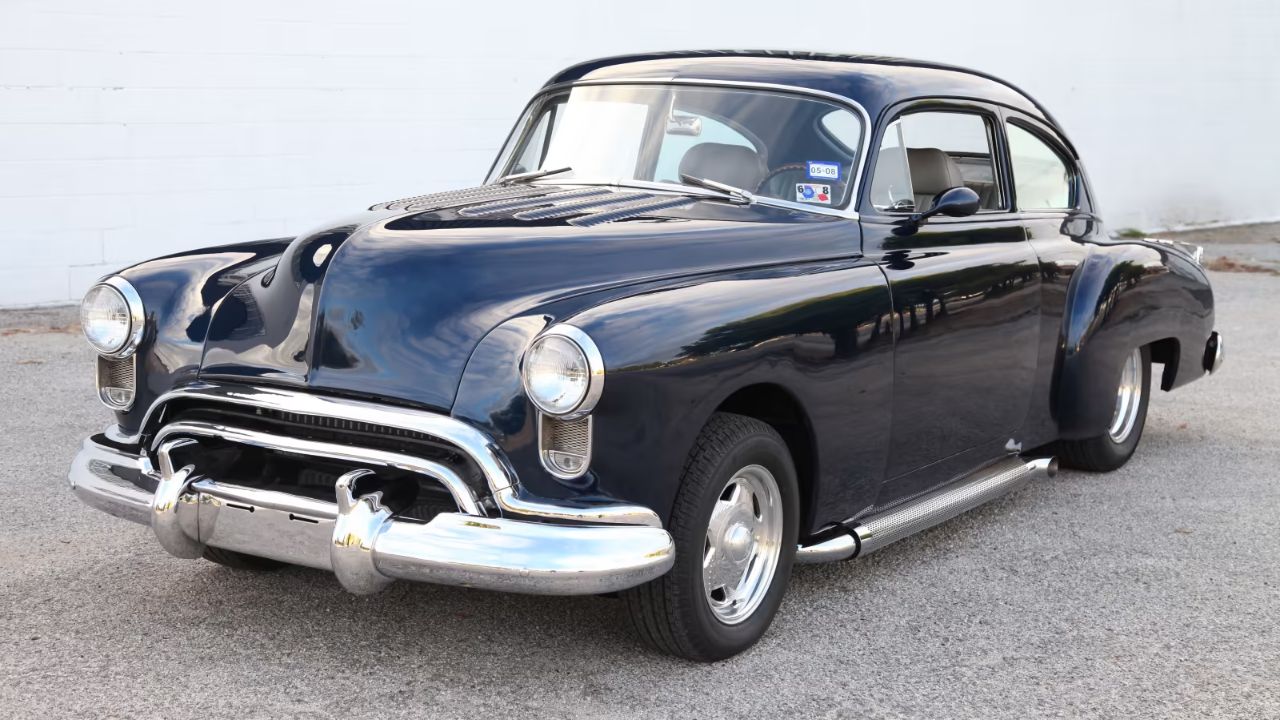
The roots of the muscle car phenomenon can be traced back to the early 1950s with the advent of the Oldsmobile Rocket 88. Often cited as America’s first muscle car, the Rocket 88 set the stage for future high-performance vehicles with its powerful V8 engine and lightweight body, offering a thrilling driving experience. This innovation laid the groundwork for a new era in automotive design, where speed and power became paramount.
Evolution in Design and Engineering
Throughout the 1950s and 1960s, automotive engineering and design saw significant advancements that catapulted the muscle car into the limelight. Manufacturers began experimenting with more powerful engines, improved aerodynamics, and eye-catching designs. This period marked a shift towards creating vehicles that were not only fast but also visually striking, appealing to a growing audience eager for performance and style.
Cultural and Economic Factors
The post-World War II era brought about a unique set of socio-economic conditions that facilitated the rise of the muscle car. With increasing disposable income and a burgeoning consumer culture, Americans were ready to invest in vehicles that symbolized freedom and individualism. The muscle car quickly became a staple of the American Dream, embodying the spirit of adventure and exploration.
Muscle Cars and American Identity
Symbol of Power and Rebellion
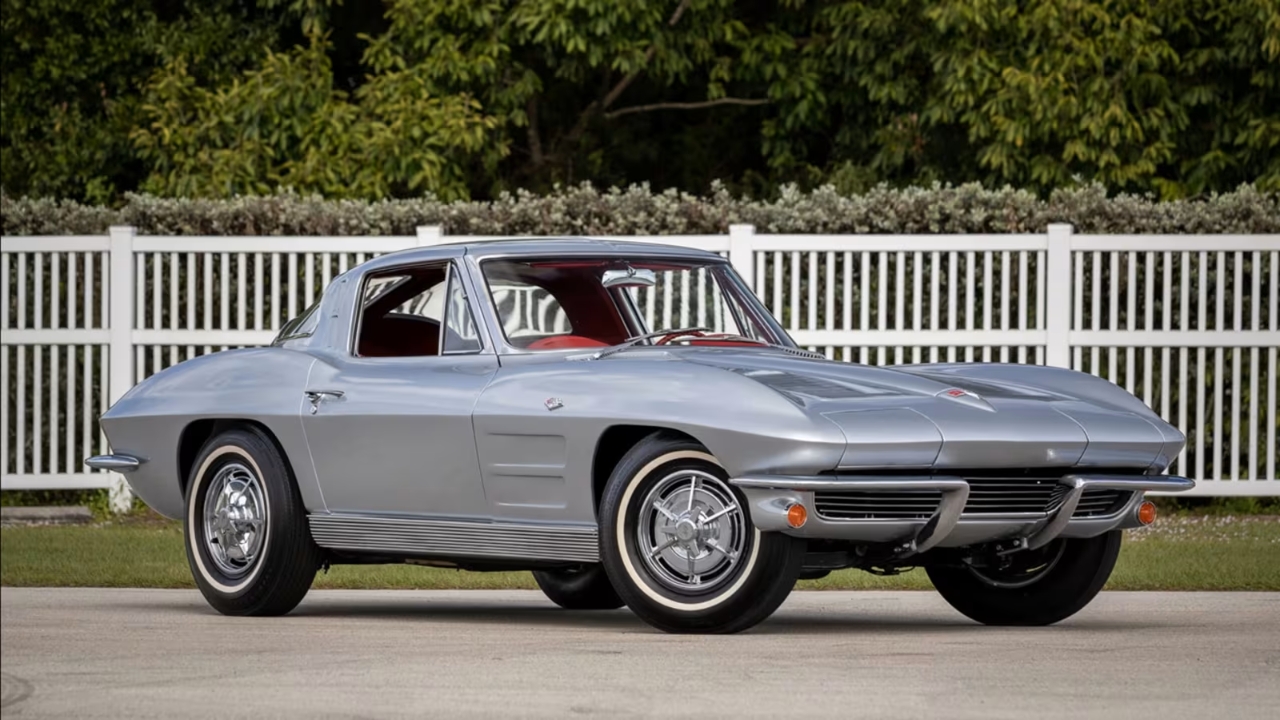
Muscle cars quickly evolved into symbols of rebellion and power, reflecting a desire for autonomy among American youth. These vehicles were not just transportation; they represented a defiance against conformity and a pursuit of personal freedom. The roar of a muscle car engine became synonymous with breaking free from societal constraints and embracing a lifestyle of independence.
Cultural Impact and Pop Culture
The influence of muscle cars extended far beyond the roads. Their presence in movies, music, and media solidified their status as cultural icons. Films like “Bullitt” and songs celebrating the open road captured the imagination of a generation, embedding muscle cars into the fabric of American culture as symbols of the American Dream.
Regional Variations and Popularity
Across the United States, different regions embraced various models and styles of muscle cars. From the East Coast to the West, each area had its preferences, influenced by local tastes and driving conditions. This regional diversity contributed to the rich tapestry of the muscle car culture, fostering a sense of community among enthusiasts nationwide.
The Decline and Resurgence
Factors Leading to Decline
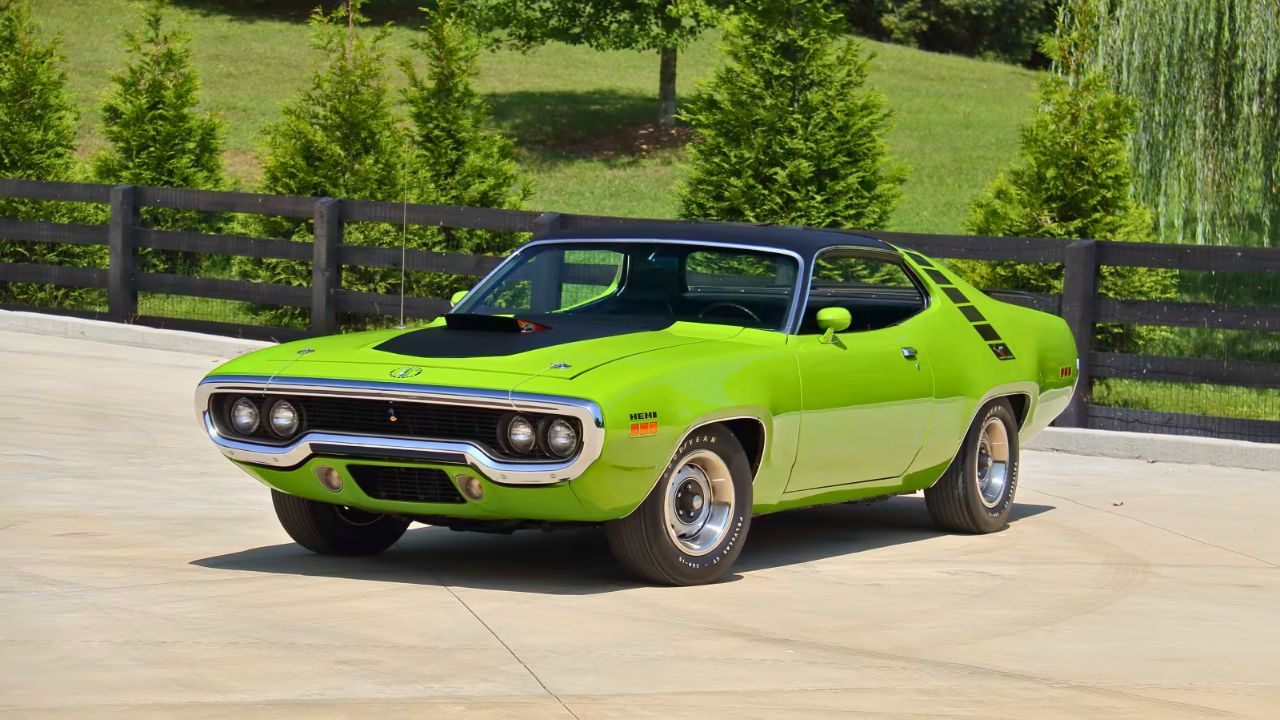
The 1970s brought challenges that led to the decline of muscle cars. The oil crisis, coupled with stricter emission standards, made these fuel-thirsty vehicles less practical for everyday use. Additionally, changing consumer preferences shifted towards more fuel-efficient and environmentally-friendly options, leading to a downturn in muscle car production.
Revival in the Modern Era
Despite their decline, muscle cars have experienced a resurgence in recent decades. Modern technology, combined with a sense of nostalgia, has reignited interest in these classic vehicles. Car enthusiasts and collectors have embraced the challenge of restoring and preserving vintage models, keeping the spirit of the muscle car alive for future generations.
The Legacy of the Muscle Car
The legacy of the muscle car endures, influencing the automotive industry and remaining a potent symbol of freedom and power. As the world shifts towards sustainable transportation, the muscle car continues to captivate with its timeless appeal and enduring message of independence and adventure.
Like Fast Lane Only’s content? Be sure to follow us.
Here’s more from us:
*Created with AI assistance and editor review.