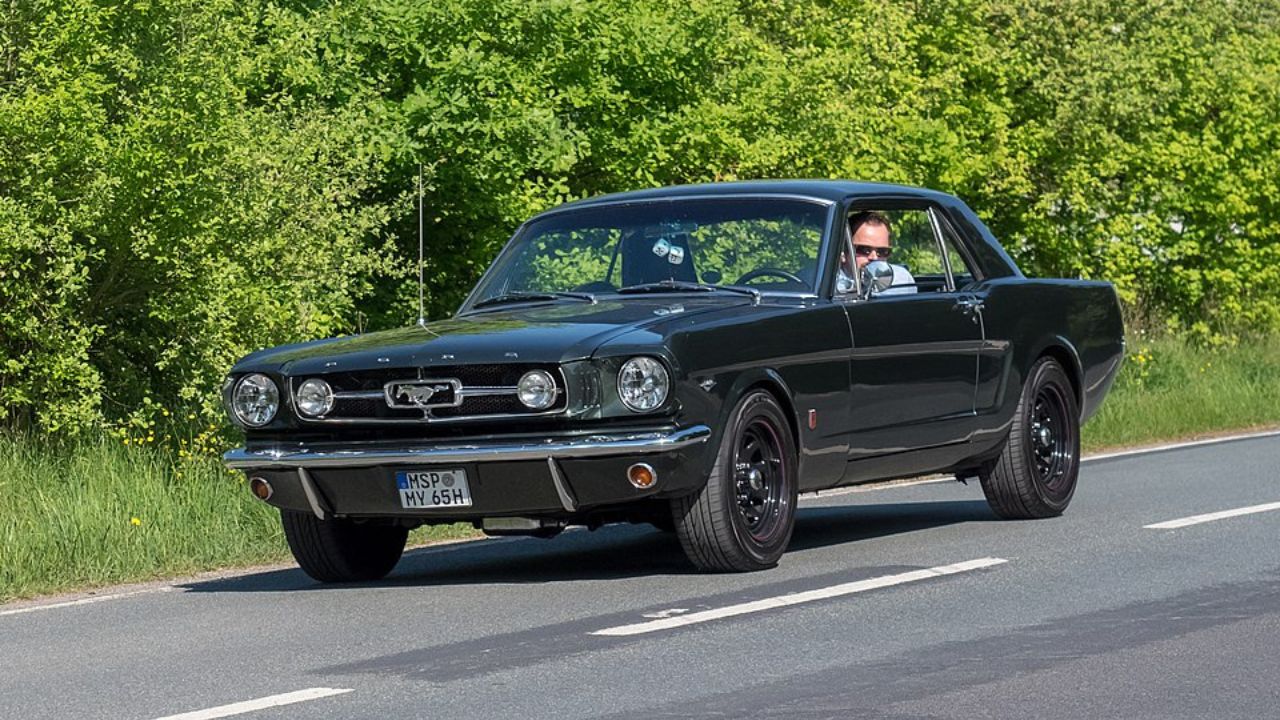
Few cars have enjoyed a debut as successful as the Ford Mustang.
When Ford introduced the Mustang in April 1964, the company tapped into a market that many competitors didn’t fully understand yet. Buyers wanted something sporty, stylish, affordable, and customizable. The Mustang delivered all of those qualities in a package that appealed to a remarkably broad audience. Sales quickly exceeded expectations, and the car became one of the biggest automotive success stories of the decade.
Yet despite that early triumph, the Mustang’s future was not entirely defined during its first year.
The original hardtop and convertible models established the formula, but it was the arrival of the fastback body style for 1965 that fundamentally changed how many people viewed the car. The fastback gave the Mustang a more aggressive appearance, expanded its appeal among performance enthusiasts, and provided the foundation for some of the most famous high-performance variants that would follow.
In many ways, the fastback transformed the Mustang from a stylish new car into a true performance icon.
The design broadened the nameplate’s identity and helped establish characteristics that continue influencing Mustangs more than half a century later.
Without the fastback, the Mustang story might have unfolded very differently.
The Mustang Was Already a Success
When the fastback arrived, Ford was not trying to rescue a struggling model.
The Mustang had already become a sensation. Buyers flooded dealerships, and demand far exceeded even Ford’s optimistic projections. The car’s combination of sporty styling, affordable pricing, and extensive customization options made it attractive to a wide range of consumers.
However, success created new opportunities.
Ford quickly realized that the Mustang appealed to more than casual buyers seeking stylish transportation. A growing number of enthusiasts wanted greater performance and a stronger connection to motorsports. Competitors were also beginning to pay attention to the Mustang’s remarkable success.
The company needed ways to expand the car’s appeal while maintaining its core strengths.
The fastback became one of the most important tools in that effort.
The New Roofline Changed Everything
The fastback’s most obvious difference was its roof.
Instead of the traditional notchback profile used on the hardtop, the fastback featured a sweeping roofline that flowed smoothly into the rear deck. The design created a sleek silhouette that looked dramatically different from the other Mustang body styles.
The effect was immediate.
The fastback appeared lower, longer, and more athletic than the standard coupe. Even when parked, the car projected a sense of motion and purpose. The shape suggested performance in a way that resonated strongly with enthusiasts.
This wasn’t merely a cosmetic adjustment.
The fastback gave the Mustang a new personality.
The car suddenly looked less like a sporty compact and more like a serious performance machine.
Styling Helped Expand the Mustang’s Audience
One reason the fastback proved so important is that it broadened the Mustang’s appeal.
The original hardtop attracted buyers seeking affordable style and everyday practicality. The convertible appealed to customers interested in open-air driving and youthful image. The fastback introduced something different.
It targeted enthusiasts.
The dramatic roofline and sporty proportions immediately attracted buyers who valued performance-oriented design. Many customers who might have overlooked the hardtop found themselves drawn to the fastback’s appearance.
Ford successfully expanded the Mustang’s reach without alienating existing buyers.
The company didn’t replace the original body styles.
It simply added another dimension to the lineup.
That strategy worked brilliantly.
It Created the Perfect Foundation for Performance
The fastback arrived at precisely the moment when Ford was becoming increasingly interested in performance.
The company recognized that racing success and high-performance variants could strengthen the Mustang’s image considerably. The fastback body style provided an ideal foundation for those ambitions.
Its sleek shape naturally complemented more powerful engines and performance-oriented equipment. The body looked appropriate wearing racing stripes, hood scoops, and other enhancements that would become increasingly common throughout the muscle car era.
Perhaps more importantly, enthusiasts immediately associated the fastback with performance.
The design created a visual connection that helped Ford position the Mustang as more than simply a stylish commuter car.
The timing could not have been better.
Carroll Shelby Saw the Potential
No discussion of the Mustang fastback’s significance is complete without mentioning Carroll Shelby.
Shelby had already established a formidable reputation through his racing accomplishments and the development of the legendary Shelby Cobra. When Ford sought to create a more serious performance version of the Mustang, Shelby recognized the fastback’s potential immediately.
The resulting Shelby GT350 used the fastback body as its foundation.
That decision had enormous consequences.
The GT350 became one of the most influential American performance cars of the era, and its success strengthened the connection between the fastback design and high-performance driving.
The roofline that looked sporty now had the credentials to match.
Racing Strengthened Its Reputation
The fastback’s association with motorsports further enhanced its importance.
Throughout the 1960s, racing remained one of the most effective ways for manufacturers to build credibility. Success on the track often translated directly into showroom traffic, and Ford invested heavily in motorsports programs that showcased the Mustang’s capabilities.
The fastback frequently served as the public face of those efforts.
Whether appearing in road racing events, promotional materials, or enthusiast publications, the body style became closely associated with competition and performance. Buyers noticed the connection.
The Mustang was evolving.
It was no longer just a fashionable new car.
It was becoming a legitimate performance platform.
The fastback played a major role in that transformation.
Practicality Added to the Appeal
While styling and performance received most of the attention, the fastback also offered practical advantages.
The sloping roofline created a large rear cargo area that improved versatility. Buyers could fold down the rear seat and gain access to substantial storage space, making the car surprisingly useful for a sporty coupe.
This practicality broadened the fastback’s appeal even further.
Owners didn’t have to sacrifice everyday usability to enjoy the distinctive styling. The car remained comfortable enough for daily transportation while offering additional flexibility when needed.
Ford understood the importance of this balance.
The Mustang’s success depended on appealing to real-world buyers rather than only enthusiasts.
The fastback achieved both goals simultaneously.
Competitors Took Notice
The popularity of the Mustang fastback influenced the entire industry.
As competitors developed their own pony cars, many adopted similar styling themes emphasizing long rooflines, sporty profiles, and performance-oriented appearances. The fastback shape became one of the defining visual elements of the segment.
This influence highlights how significant the design truly was.
Ford wasn’t merely offering another body style.
The company was helping establish a template that other manufacturers would follow.
The Mustang fastback became a trendsetter.
Its impact extended well beyond Ford’s own lineup.
It Helped Shape Future Mustangs
The importance of the 1965 fastback becomes even clearer when examining later generations of Mustang.
Many of the most celebrated Mustangs in history have drawn inspiration from the fastback formula. Designers repeatedly returned to the concept because it captured something fundamental about the car’s identity.
Even modern Mustangs often incorporate styling cues that echo the original fastback.
The design established a visual language that continues influencing the nameplate decades later.
Few body styles have had such a lasting impact on a model’s evolution.
The fastback helped define what a Mustang should look like.
That legacy remains visible today.
Collectors Still Gravitate Toward It
Modern enthusiasts consistently rank the 1965 fastback among the most desirable early Mustangs.
Part of that appeal comes from rarity relative to the hardtop. Part stems from the body’s connection to Shelby models and racing history. Most importantly, however, collectors recognize that the fastback represents a pivotal moment in Mustang development.
The design changed perceptions.
It helped elevate the Mustang from popular transportation to cultural icon.
That significance continues to drive interest more than half a century later.
The Mustang Found Its Performance Identity
Looking back, the fastback’s greatest contribution was helping the Mustang discover its long-term identity.
The original car succeeded because it appealed to a wide audience. The fastback ensured that performance enthusiasts became an important part of that audience. It gave Ford a body style capable of supporting racing ambitions, high-performance variants, and a more aggressive image.
Those developments shaped everything that followed.
The fastback didn’t replace the Mustang’s original strengths.
It expanded them.
More Than Just Another Body Style
The 1965 Ford Mustang fastback became a turning point for the nameplate because it transformed how buyers, enthusiasts, and Ford itself viewed the car.
Its sleek roofline created a more performance-oriented image, provided the foundation for legendary Shelby models, strengthened the Mustang’s racing connections, and established styling themes that continue influencing the car today. The fastback broadened the Mustang’s appeal while helping define its future direction.
More than fifty years later, it remains one of the most important versions of the Mustang ever produced.
Not because it was the first Mustang.
But because it helped determine what the Mustang would become.
More from Fast Lane Only