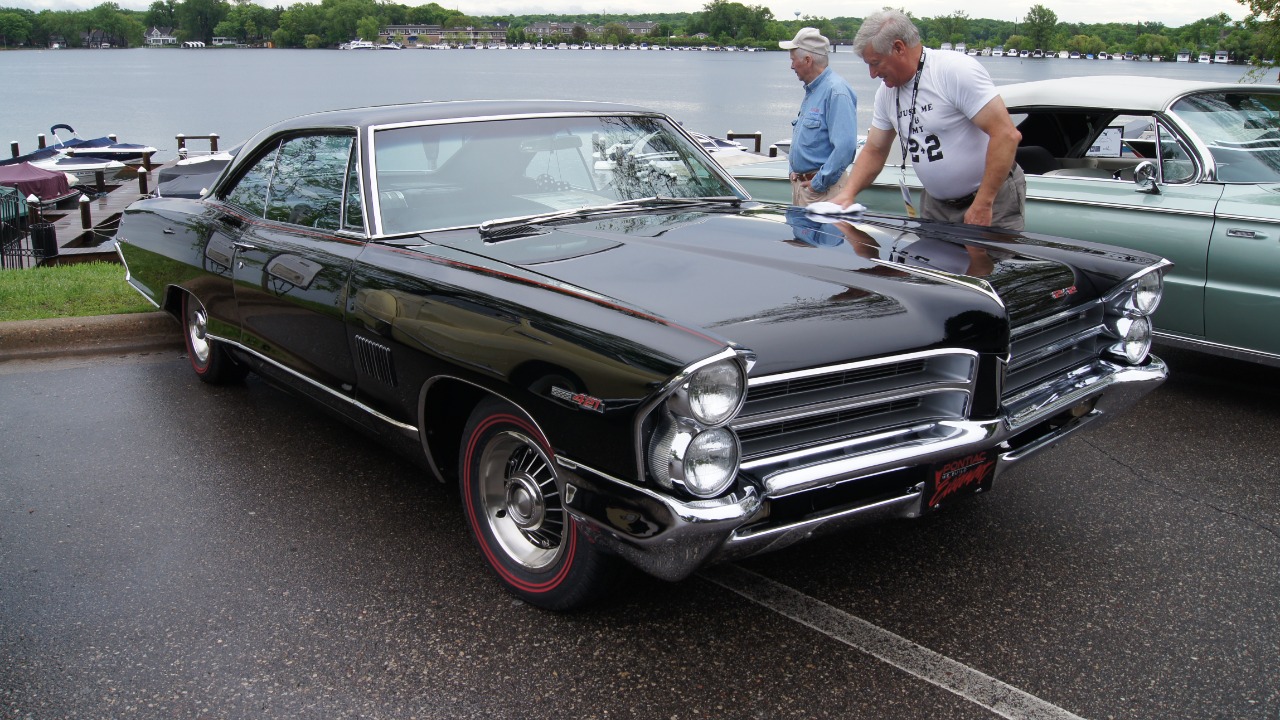
In the mid-1960s, the automotive landscape was evolving, with muscle cars beginning to dominate the market. The 1965 Pontiac Catalina 22 emerged as a striking example of how full-size cars could not only retain their spaciousness but also deliver impressive performance, redefining expectations for big cars.
The Pontiac Catalina’s Legacy
Pontiac has long held a significant place in the American automotive industry, known for its innovation and performance. Established in 1926, the brand gained a reputation for producing vehicles that combined style with power. The Catalina model, introduced in 1950, evolved dramatically over the years. By the time the 1965 version hit the streets, it had become a symbol of Pontiac’s commitment to performance-oriented vehicles, with a focus on appealing to a demographic that desired both comfort and speed.
The evolution of the Catalina model was marked by distinct design changes and technological advancements. By the early 1960s, Pontiac recognized the growing popularity of high-performance cars, which prompted the brand to incorporate sportier elements into its full-size offerings. The 1965 Catalina 22 was a culmination of this evolution, showcasing how a full-size car could compete head-to-head with the emerging muscle car segment, while still providing the spaciousness and comfort that consumers had come to expect.
Design and Features of the 1965 Catalina 22
Design and Features of the 1965 Catalina 2+2
The 1965 Pontiac Catalina 22 boasted a striking aesthetic that set it apart from its competitors. With its long, sleek body, the Catalina featured a bold front grille and a distinctive rear end that emphasized its sporty nature. Color options were plentiful, ranging from vibrant reds to understated blues, allowing buyers to express their personality through their vehicle. The 22 variant came with unique trim levels that further enhanced its appeal, positioning it as a more luxurious option within the Catalina lineup.
Inside the cabin, the Catalina 22 was designed for comfort and style. Spacious seating for up to six passengers, plush upholstery, and a well-appointed dashboard created an inviting environment. Key interior features included optional air conditioning, power windows, and a high-quality sound system, ensuring that both driver and passengers enjoyed a comfortable ride. The unique elements that distinguished the 22 variant included bucket seats, which added a sporty flair to the interior, and a center console that enhanced the overall driving experience.
Performance Specifications
Under the hood, the 1965 Pontiac Catalina 22 offered several impressive engine options that catered to performance enthusiasts. The base engine was a 389 cubic inch V8, producing 325 horsepower and 420 lb-ft of torque. For those seeking an extra thrill, the Catalina was also available with a more powerful 421 cubic inch V8 engine that delivered an impressive 376 horsepower and 450 lb-ft of torque. These robust powertrains provided exhilarating acceleration and top speeds that rivaled many smaller muscle cars of the era.
A standout feature of the Catalina 22 was the Tri-Power carburetion system, which significantly boosted performance. This setup included three two-barrel carburetors, allowing for improved airflow and fuel delivery, ultimately enhancing horsepower and torque. The result was a full-size car that could accelerate from 0 to 60 mph in just over six seconds, a remarkable feat for vehicles of its size at the time. When compared to competitors in the full-size segment, such as the Ford Galaxie and Chevy Impala, the Catalina 22 held its ground, proving that full-sized cars could be both spacious and thrilling to drive.
The Muscle Car Movement
The Catalina 22 emerged during a pivotal moment in automotive history—the muscle car movement of the 1960s. This era saw a surge in demand for performance-oriented vehicles, and Pontiac seized the opportunity to position the Catalina as a formidable contender. While smaller, sportier muscle cars like the Ford Mustang and Chevrolet Camaro were taking the market by storm, the Catalina 22 demonstrated that full-size cars could also deliver exhilarating performance.
What set the Catalina apart was its ability to offer both power and practicality. While many muscle cars were designed with a focus on speed and agility, the Catalina maintained its spaciousness, making it a more versatile option for families and those who needed more room. This unique combination helped shift public perception of full-size vehicles and broadened the appeal of the Catalina among consumers who wanted a performance car without sacrificing comfort.
Sales and Market Impact
The 1965 Pontiac Catalina 22 experienced a strong market reception, with sales figures reflecting its popularity. Pontiac sold over 20,000 units of the Catalina 22 that year, a testament to its appeal among a diverse demographic. The vehicle attracted buyers who appreciated its blend of luxury and performance, appealing to both young drivers eager for speed and families looking for a spacious ride.
Consumer preferences during this time were shifting, with many buyers seeking vehicles that provided a mix of style and performance. The Catalina 22’s success in the market was not just due to its powerful engines and impressive performance; it also resonated with consumers’ desires for comfort and practicality. Compared to other full-size models and muscle cars, the Catalina stood out for its unique positioning, helping to solidify Pontiac’s reputation as a leader in performance-oriented vehicles.
Cultural Significance and Popularity
The cultural significance of the 1965 Pontiac Catalina 22 extended beyond its impressive specifications and sales figures. The vehicle became an iconic representation of the 1960s American automotive culture, frequently appearing in films and television shows of the era. Its sleek design and powerful performance made it a favorite among car enthusiasts and casual viewers alike. Many owners have shared stories of memorable road trips and experiences with their Catalina, further solidifying its place in automotive lore.
In popular media, the Catalina 22 was often showcased as a symbol of freedom and adventure. Its presence in films and television helped cement its status as a cultural icon. Anecdotes from owners often highlight the joy of driving this powerful full-size car, illustrating how it captured the spirit of the era. The Catalina not only represented a significant automotive achievement but also became a cherished part of American history, influencing future models and inspiring generations of car enthusiasts.
Collectibility and Restoration
Today, the 1965 Pontiac Catalina 22 is considered a collectible classic, with a growing market for enthusiasts seeking to own a piece of automotive history. Current market values vary based on factors such as condition, originality, and documentation, with well-maintained examples fetching impressive prices at auctions. Collectors appreciate the Catalina for its unique blend of performance and luxury, making it a sought-after model among classic car aficionados.
For those interested in purchasing a Catalina 22, it’s essential to know what to look for in a restored or original model. Key points to consider include checking the vehicle’s engine and transmission numbers, verifying its history, and assessing the overall condition of the body and interior. Resources for restoration and maintenance, such as specialized forums and classic car shows, can provide valuable insights and connections for potential buyers and restorers alike.
The Legacy of Full-Size Performance Cars
The 1965 Pontiac Catalina 22 played a vital role in paving the way for future full-size performance vehicles. Its success demonstrated that consumers were eager for cars that combined ample space with thrilling performance. However, by the late 1970s, changing consumer preferences and stricter regulations led to a decline in full-size performance cars. As fuel efficiency became a priority, manufacturers shifted focus towards smaller, more economical vehicles.
Reflecting on the Catalina’s place in automotive history, it stands as a testament to a time when full-size cars could still embrace the spirit of performance. Even as the automotive landscape has shifted, the legacy of the Catalina 22 remains influential, inspiring new generations of car enthusiasts and reminding us of an era when power and size coexisted harmoniously. The Catalina not only redefined expectations for full-size cars but also left an indelible mark on the world of American muscle cars.
More from Fast Lane Only