The 1966 Chevrolet Biscayne is often overlooked in the muscle car pantheon, but this full-size sedan packed a serious punch with its optional 427 cubic inch V8 engine. Dubbed a “sleeper,” the Biscayne combined understated styling with raw performance, making it a formidable contender on the drag strip and beyond.
Historical Context of the 1966 Chevrolet Biscayne
During the mid-1960s, Chevrolet was a dominant player in the American automotive market, capturing consumer attention with a wide array of vehicles designed to meet the evolving demands of drivers. The muscle car phenomenon was on the rise, fueled by a growing appetite for high-performance vehicles that offered not just speed but also impressive handling. Automakers were keen to capitalize on this trend, leading to a fierce competition in the industry.
The Chevrolet Biscayne was introduced as a full-size sedan aimed primarily at families and practical buyers. However, as the muscle car craze took hold, Chevrolet recognized an opportunity to offer something special. The Biscayne, while initially designed for utility, would soon be available with performance options that would make it a serious contender among its sportier siblings, like the Impala and Chevelle. This shift in focus allowed the Biscayne to carve out a unique niche in the market, appealing to those who wanted both practicality and performance.
Design and Features of the Biscayne
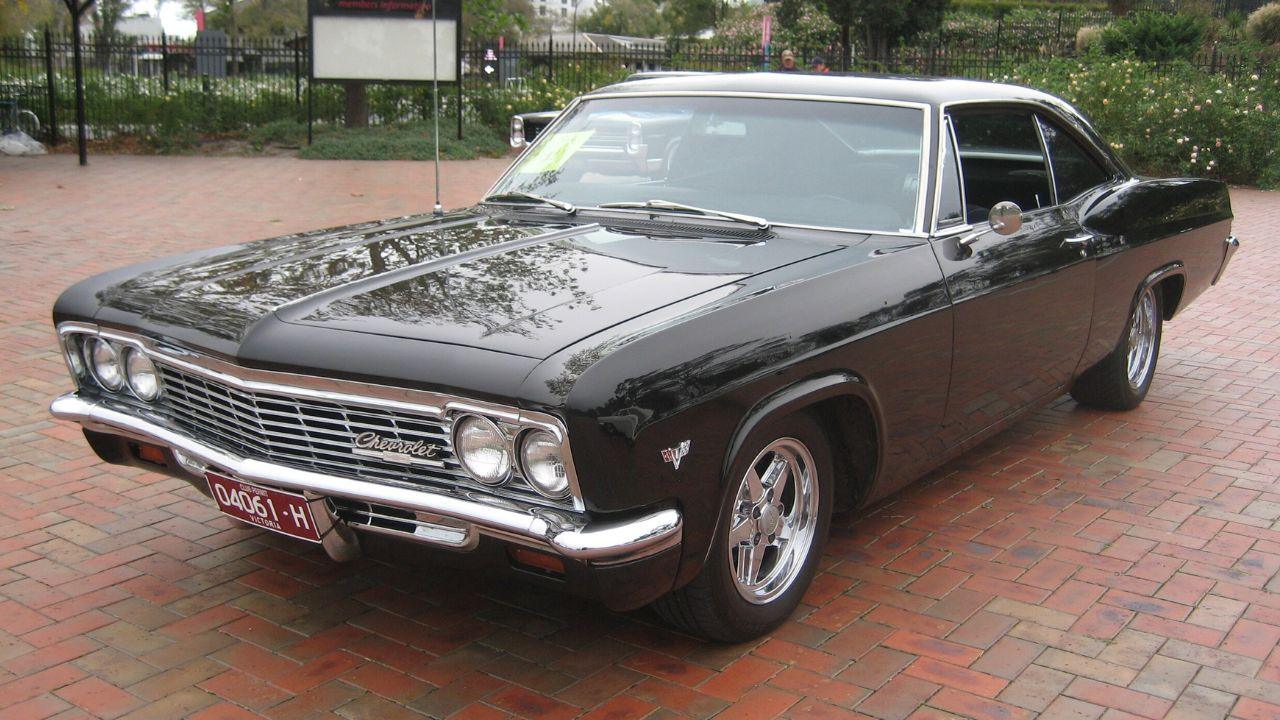
The exterior design of the 1966 Chevrolet Biscayne is characterized by its unpretentious and understated style. Unlike its more flamboyant counterparts, the Biscayne featured clean lines and a conservative look that allowed it to blend seamlessly into the suburban landscape. The broad stance and simple grille design gave it a robust appearance, while the lack of flashy embellishments made it easy to overlook—ideal for a sleeper car.
Inside, the Biscayne offered a basic yet functional interior, emphasizing utility over luxury. The dashboard was straightforward, with clear gauges and controls that prioritized driver accessibility. While models like the Impala boasted more luxurious interiors filled with chrome and plush materials, the Biscayne catered to a demographic that valued practicality. Its no-frills approach made it appealing to a wide audience, and the spacious cabin provided ample room for families or gear, further enhancing its everyday usability.
The 427 Engine: Powerhouse Performance
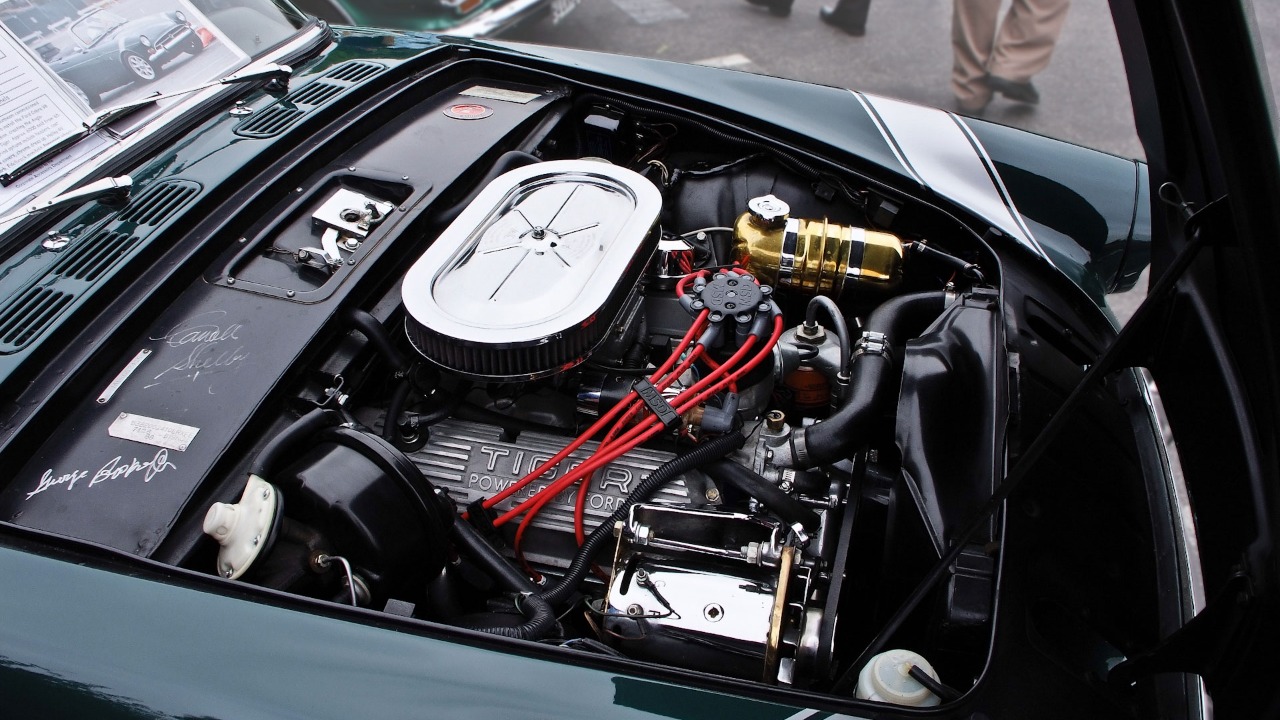
The optional 427 cubic inch V8 engine was the heart of the Biscayne’s performance reputation. This powerhouse was engineered to deliver exceptional power and torque, with outputs reaching up to 425 horsepower. The engine featured a solid block design, high-performance cylinder heads, and a dual four-barrel carburetor, making it a formidable force on the road. Its engineering was a testament to Chevrolet’s commitment to performance, allowing the Biscayne to punch well above its weight class.
What makes the 427 engine option particularly significant is its rarity in the Biscayne lineup. While many muscle cars of the era flaunted their performance credentials, the Biscayne’s understated appearance allowed it to fly under the radar. This combination of a powerful engine and a bland exterior created a unique allure, making the car a prized find for collectors and enthusiasts alike. The Biscayne’s 427 engine was not just an option; it was a statement that performance could come quietly.
Performance Capabilities
When it comes to performance, the 1966 Chevrolet Biscayne with the 427 engine delivered impressive acceleration and speed stats. It could go from 0 to 60 mph in just over six seconds—a remarkable feat for a full-size sedan of its era. On the drag strip, the Biscayne often posted quarter-mile times that rivaled more recognized muscle cars like the Pontiac GTO and Ford Mustang. Its combination of power and weight made it both a thrill to drive and a challenge to control, especially for those not accustomed to handling such raw horsepower.
Many owners have shared anecdotes about their experiences with the Biscayne, recounting moments where it surprised fellow drivers at stoplights or left competitors in the dust during weekend drag races. The juxtaposition of its family-friendly exterior with the ferocious performance under the hood created unforgettable moments for those lucky enough to get behind the wheel. This potent mix of practicality and power has solidified the Biscayne’s status as a true sleeper car, often leaving its opponents stunned and embarrassed, as seen in videos showcasing its capabilities.
The Sleeper Car Phenomenon
A “sleeper” car is defined as a vehicle that possesses high performance but presents an unassuming exterior. The appeal of sleeper cars lies in their ability to surprise others on the road, offering a sense of stealth that many enthusiasts find thrilling. The 1966 Chevrolet Biscayne exemplifies this phenomenon perfectly; it looks like a family sedan but can outperform many sports cars of its time.
One of the strategic advantages of owning a sleeper like the Biscayne is the element of surprise it brings to street racing scenarios. There’s a certain satisfaction in watching the faces of those who underestimate the Biscayne’s capabilities when it flies past them on the highway. Its understated appearance allowed owners to enjoy the thrill of performance without attracting unwanted attention from law enforcement or rival racers, making it a popular choice among those who enjoyed the racing scene.
Impact on the Automotive Community
The legacy of the 1966 Chevrolet Biscayne continues to resonate within classic car circles. As muscle car enthusiasts seek out unique and rare models, the Biscayne has developed a cult following among collectors and restorers. Its rarity, particularly in the 427 configuration, has made it a sought-after prize at car shows and auctions, where it frequently garners interest from those looking to own a piece of automotive history.
In car culture, the Biscayne has made notable appearances, often featured in publications and media that celebrate classic muscle cars. Its role in drag racing has also contributed to its reputation, as many owners have modified their vehicles to enhance performance further, participating in events that highlight the capabilities of these often-overlooked machines. The Biscayne’s impact continues to be felt, as it represents a unique chapter in the evolution of American performance cars.
Restoration and Collectibility
Restoring a 1966 Chevrolet Biscayne can be both a rewarding and challenging endeavor. Many enthusiasts are drawn to the car for its potential as a classic muscle car, but sourcing original parts can be difficult. Current trends in restoration emphasize maintaining the vehicle’s original character while upgrading critical components to improve reliability and performance. Owners often seek out restoration specialists who understand the nuances of the Biscayne and can provide guidance on maintaining its authenticity.
The market value of the Biscayne has seen an uptick as interest in classic cars continues to grow. Models equipped with the 427 engine are particularly valuable, often fetching premium prices at auctions. Potential buyers should be aware of key factors when looking for a Biscayne, including the condition of the engine, the completeness of the original parts, and the history of previous ownership. It’s advisable to consult restoration guides and connect with fellow enthusiasts to ensure an informed purchase.
Owner Testimonials and Experiences
Personal stories from Biscayne owners reveal the deep emotional connection many have with their vehicles. For some, the Biscayne represents a nostalgic link to their youth, evoking memories of weekend drag races and late-night joyrides. Others recount the thrill of driving a car that surprises onlookers, taking pride in its unique blend of performance and practicality. Community engagement is strong, with many owners sharing their experiences at car shows and online forums dedicated to the Biscayne.
The camaraderie among Biscayne enthusiasts is palpable, as they come together to celebrate their shared passion. From discussing restoration techniques to sharing racing stories, the sense of community makes owning a Biscayne even more enjoyable. These connections often lead to lifelong friendships, underscoring the emotional investment that many owners have in their cars and the culture surrounding them.
The Future of the 1966 Chevrolet Biscayne
As the collector car market continues to evolve, predictions for the 1966 Chevrolet Biscayne’s status remain optimistic. Its rarity and unique performance capabilities position it well for continued appreciation among muscle car fans. The growing interest in classic cars, combined with the Biscayne’s sleeper appeal, suggests that it will remain a beloved option for collectors looking for something different from the usual lineup of muscle cars.
Moreover, modern performance upgrades present an exciting opportunity for Biscayne owners. Many enthusiasts are finding ways to enhance their vehicles while retaining the classic charm that makes the Biscayne special. From engine modifications to improved suspension systems, these upgrades can significantly enhance the driving experience without compromising the car’s original aesthetic. As the community surrounding the Biscayne grows, so too will the appreciation for its place in automotive history.
More from Fast Lane Only