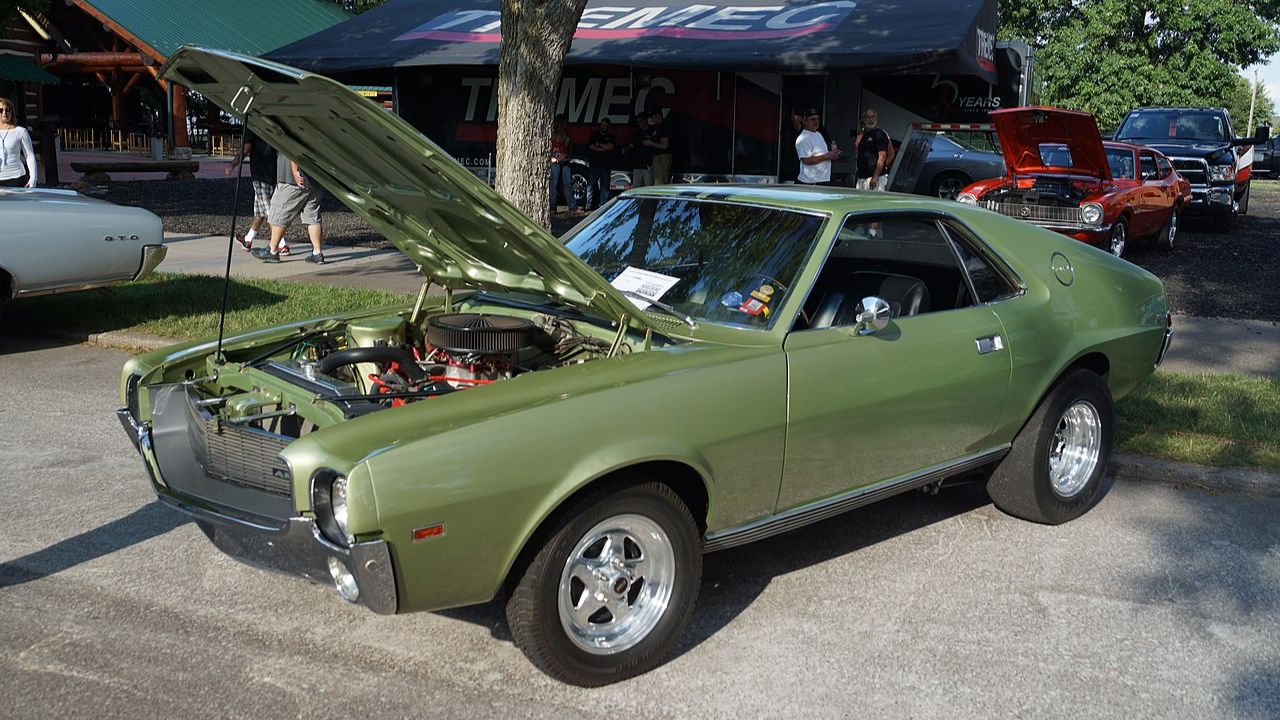
The 1968 AMC AMX stands as a pivotal figure in the history of American muscle cars, showcasing that smaller vehicles could deliver impressive performance without sacrificing speed or power. This article delves into the design, engineering, and impact of the AMX, illustrating how it challenged the muscle car status quo.
The Birth of the AMC AMX
American Motors Corporation (AMC) was a relatively small player in the automotive market during the 1960s, but it had a vision that set it apart from its competitors. Executives sought to capture the growing interest in high-performance vehicles while appealing to a broader market that craved something different from the standard full-size muscle cars offered by the Big Three automakers: Ford, General Motors, and Chrysler. The vision for the AMX was born out of a desire to create a compact muscle car that could deliver both performance and practicality, a strategy that would ultimately redefine the segment.
The decision to develop the AMX stemmed from a collaborative effort among AMC executives and engineers, who recognized the shifting preferences among car buyers. They wanted to appeal to younger consumers who were looking for performance but also valued fuel efficiency and maneuverability. With the first prototype unveiled in 1966, the AMX was designed as a two-seater with a sporty, aggressive stance that would attract attention on the road. This was a bold move that put AMC on the map in a competitive landscape dominated by larger vehicles.
Design and Styling
The design of the AMC AMX is one of its most striking features, showcasing a unique body style that set it apart from the muscle cars of its time. The AMX featured a low-slung profile, a long hood, and a short rear deck, creating a balanced and aerodynamic shape that not only looked good but also contributed to its performance capabilities. The car’s design was heavily influenced by contemporary automotive trends, incorporating elements such as pronounced wheel arches and an aggressive front end that hinted at its performance potential.
What truly distinguished the AMX from its larger contemporaries like the Ford Mustang and Chevrolet Camaro was its compact size. Measuring just 182 inches long, the AMX was shorter than many of its rivals, which gave it a distinctive aesthetic appeal. This smaller footprint not only made it easier to handle but also allowed for a more engaging driving experience. The AMX’s design has been praised for its timeless quality, and it continues to be celebrated at car shows and events, with enthusiasts often highlighting its unique styling and character.
Technical Specifications and Performance
Under the hood, the AMC AMX offered a range of powerful engine options that catered to performance enthusiasts. The base model came equipped with a 290 cubic inch V8 engine, producing 225 horsepower. However, the real excitement began with the optional 343 cubic inch V8, which cranked out an impressive 280 horsepower. For those seeking even more power, the 390 cubic inch V8 was available, boasting a staggering 315 horsepower. This diverse range of engine choices allowed buyers to select a configuration that suited their performance needs, making the AMX an appealing option for many.
Performance metrics for the AMX were equally impressive. The car could accelerate from 0 to 60 mph in just 6.5 seconds, a remarkable feat for a compact muscle car at the time. Its handling was enhanced by a well-engineered suspension system that provided stability and responsiveness on the road. The AMX was also equipped with front disc brakes, a relatively advanced feature for its era, which improved stopping power and overall safety. Innovations in engineering, including a lightweight body and a well-balanced chassis, contributed to the AMX’s performance superiority, making it a formidable contender in the muscle car market.
The AMX’s Place in the Muscle Car Market
The competitive landscape of muscle cars in 1968 was dominated by iconic names like the Ford Mustang, Chevrolet Camaro, and Pontiac GTO. Each of these vehicles offered their unique take on performance and style, but the AMX carved out a niche for itself with its combination of compact size and powerful engine options. The AMX’s unique selling points included not only its performance but also its distinct design and relatively affordable price point, which made it accessible to a broader audience compared to some of its rivals.
During its launch year, the AMX enjoyed a positive reception, with sales figures reflecting its appeal. AMC reported selling over 6,500 units in 1968, a solid number considering the competitive environment. While it may not have outsold the Mustang or Camaro, the AMX’s sales demonstrated that there was a market for smaller, high-performance vehicles. It challenged the traditional muscle car status quo and encouraged other manufacturers to consider developing compact performance options in the years to come.
Racing Heritage and Achievements
The AMX was not just a street car; it also made its mark in the world of motorsports. AMC recognized the importance of racing as a means to enhance the brand’s image and showcase the performance capabilities of the AMX. The car quickly became a popular choice in various racing events, including drag racing and road courses. Its lightweight design and powerful engines made it a competitive contender on the track, leading to numerous victories and accolades.
One of the notable achievements of the AMX was its success in the SCCA (Sports Car Club of America) racing events, where it earned respect among racing enthusiasts. The AMX’s participation in these events not only solidified its reputation as a performance vehicle but also helped elevate the AMC brand as a serious player in the automotive industry. The racing heritage of the AMX remains a significant part of its legacy, and it continues to resonate with car enthusiasts who appreciate the connection between performance and motorsports.
Cultural Impact and Popularity
The AMC AMX transcended its role as a high-performance vehicle; it became a cultural icon that resonated with car enthusiasts and the general public alike. The AMX made appearances in popular media, including movies and television shows, which helped to further entrench its status in car culture. Its sleek design and powerful performance caught the attention of filmmakers, leading to memorable scenes that showcased the vehicle’s capabilities. Enthusiasts often share their love for the AMX on platforms like Instagram, where they celebrate its design and performance through photos and videos.
Testimonials from AMX owners reveal a deep appreciation for the car’s blend of style, performance, and individuality. Many owners have fond memories of driving their AMXs, often recounting stories of weekend road trips, car shows, and drag races. This emotional connection to the vehicle has helped solidify its status as a beloved classic among collectors and enthusiasts. The AMX has also been commemorated in various car shows and automotive history exhibits, highlighting its significance as a pioneering compact muscle car.
Legacy of the AMC AMX
The long-term impact of the AMX on the muscle car segment and American automotive history cannot be overstated. By proving that smaller vehicles could compete with larger muscle cars, the AMX paved the way for future compact performance cars, influencing generations of automotive design and engineering. Its success encouraged other manufacturers to explore the idea of creating high-performance vehicles with smaller dimensions, leading to a wider variety of options for consumers.
Furthermore, the AMX played a crucial role in shaping the identity of AMC as a performance brand. The company’s commitment to producing vehicles that combined style and performance allowed it to stand out in a crowded market. Even today, the AMX is celebrated as a symbol of innovation and determination, demonstrating that a smaller footprint could still lead to outstanding performance. The AMX’s legacy continues to inspire modern automotive design, as manufacturers look to balance performance and practicality in their offerings.
Collectability and Market Value Today
In the current classic car market, the AMC AMX has seen a resurgence in interest among collectors and enthusiasts. As the demand for classic muscle cars grows, the AMX has become a sought-after model due to its unique design, performance capabilities, and cultural significance. Current trends indicate that well-preserved and restored AMXs can fetch impressive prices at auctions, with some models selling for upwards of $50,000, depending on their condition and rarity.
Factors influencing the collectability and value of the AMX today include its limited production numbers and the growing appreciation for the AMC brand among vintage car enthusiasts. Experts have noted that the AMX’s unique place in automotive history makes it a valuable addition to any classic car collection. As the market continues to evolve, the AMX is likely to maintain its appeal, serving as a reminder of a time when American automakers were redefining performance and style.
The AMX in Modern Context
As we look at the modern performance car landscape, the philosophy of the AMC AMX continues to resonate. Today’s automotive market is witnessing a shift toward smaller, high-performance vehicles that prioritize agility and efficiency alongside power. Manufacturers have begun to recognize that consumers are increasingly interested in compact cars that offer thrilling performance without the bulk of traditional muscle cars. Models like the Ford Mustang EcoBoost and Chevrolet Camaro 2.0T reflect this trend, echoing the AMX’s legacy of performance in a smaller package.
The relevance of the AMX’s legacy is evident as automotive engineers and designers continue to explore ways to enhance performance without compromising on size or fuel efficiency. The AMX showed that it was possible to create a vehicle that was both fun to drive and practical for everyday use, a concept that remains at the forefront of automotive innovation today. As we move forward, the influence of the AMC AMX can be seen in the continued evolution of muscle cars, demonstrating that the spirit of performance and individuality can thrive in compact forms.
More from Fast Lane Only