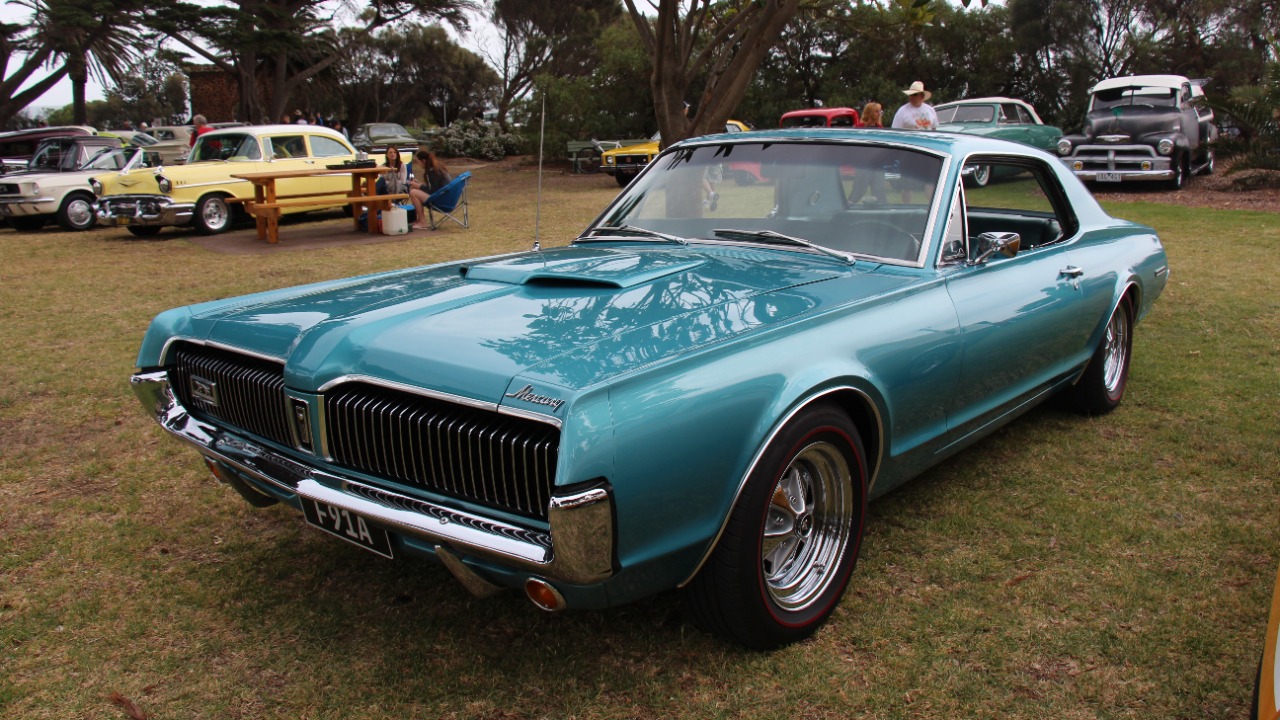
The 1967 Mercury Cougar GT stands out as a unique entry in the muscle car era, combining potent performance with a touch of sophistication. This classic car not only offered thrilling speed but also came with a refined aesthetic that appealed to a broader audience. As I delve into the Cougar GT’s distinctive features, its place in automotive history, and its enduring legacy, it becomes clear why this underrated classic continues to capture the hearts of enthusiasts today.
Historical Context of the Muscle Car Era
The 1960s marked a significant boom in the muscle car segment, with American automakers fiercely competing to dominate the market. The era was characterized by a growing consumer demand for performance-oriented vehicles that offered not just speed, but also style. This was the time when the Ford Mustang debuted, setting a new standard for what a pony car could be. In response to this new craze, Mercury introduced the Cougar in 1967, aiming to capture the attention of buyers looking for something a bit more upscale than the Mustang.
As the muscle car phenomenon took hold, it wasn’t just a race for horsepower; it was also about the lifestyle and image that came with these vehicles. Automakers were eager to tap into the youthful spirit of the time, and the Cougar GT was Mercury’s answer to the burgeoning market. With its elegant design and powerful engine options, the Cougar GT offered a unique blend of performance and luxury, appealing to those who wanted to stand out from the crowd without sacrificing speed.
Design and Aesthetic Appeal
The Cougar GT was designed with a focus on elegance, featuring a sleek profile that set it apart from its contemporaries. Its elongated hood and distinctive grille created a bold front fascia that exuded confidence and sophistication. The design was not just about looks; it was also functional, as the aerodynamics contributed to its performance on the road. Mercury made sure to incorporate high-quality materials throughout the vehicle, from the body to the interior, which provided a more refined experience for drivers and passengers alike.
Beyond the exterior, the interior of the Cougar GT was thoughtfully designed with comfort in mind. From plush seating to a variety of color options, including rich hues like Emberglow and Seafoam Green, the Cougar catered to buyers who appreciated aesthetics as much as performance. The attention to detail was evident in features such as the optional woodgrain accents and premium upholstery, which elevated the overall driving experience and positioned the Cougar GT as a more upscale alternative in the muscle car market.
Performance Specifications
The 1967 Mercury Cougar GT offered a range of engine options that appealed to performance enthusiasts. The standard engine was a 289 cubic inch V8, providing a respectable amount of horsepower and torque for everyday driving. However, for those seeking more power, Mercury offered the optional 390 cubic inch V8, which significantly boosted performance. This engine was capable of producing up to 320 horsepower, placing the Cougar GT firmly in the upper echelon of muscle cars available at the time.
When comparing the Cougar GT to its contemporaries, it held its own quite well. For instance, the Chevrolet Camaro and Pontiac Firebird were strong competitors, but the Cougar’s blend of performance and refinement gave it a unique edge. The Cougar GT also featured a suspension setup that provided excellent handling, making it not just a straight-line performer but a well-rounded vehicle suitable for various driving conditions. The combination of power, handling, and comfort made the Cougar GT a favorite among those who wanted a muscle car that could also be driven daily.
Innovative Features
One of the most appealing aspects of the Cougar GT was its introduction of luxury features that were not commonly found in muscle cars of that era. Optional amenities such as power windows, air conditioning, and a deluxe stereo system transformed the driving experience, making it feel more like a premium vehicle than a typical muscle car. These features catered to a demographic that valued comfort and convenience, in addition to performance.
The Cougar GT also stood out with its unique sequential turn signals, a design innovation that enhanced both safety and style. This feature not only made the car more visually striking but also added a layer of sophistication that set it apart from competitors. Additionally, Mercury offered various performance packages, allowing buyers to customize their cars while maintaining that touch of elegance that the Cougar GT was known for. The result was a vehicle that appealed to a wide range of buyers, from performance enthusiasts to those seeking a stylish daily driver.
Market Position and Competition
In the crowded muscle car market of the late 1960s, the Cougar GT had to carve out its own niche. Competing against heavyweights like the Ford Mustang, Chevrolet Camaro, and Pontiac Firebird, the Cougar offered a more upscale alternative that appealed to buyers looking for a blend of performance and sophistication. While the Mustang was aimed at the youthful demographic, the Cougar GT targeted those who desired a more refined driving experience, often at a slightly higher price point.
The pricing strategy for the Cougar GT was also noteworthy. Priced competitively against its rivals, it managed to attract buyers who were willing to pay a bit more for a vehicle that offered luxury alongside performance. Marketing campaigns emphasized the Cougar’s unique features and upscale design, effectively positioning it as a premium option in a market filled with more basic muscle cars. This strategic approach allowed the Cougar GT to maintain a loyal customer base, even as competition intensified.
The Cougar GT in Popular Culture
The 1967 Mercury Cougar GT made notable appearances in film and television, contributing to its status as a classic car. One such moment came in the 1968 film “Bullitt,” where its sleek design and powerful performance were showcased alongside Steve McQueen’s iconic Mustang. Although the Mustang often stole the spotlight, the Cougar GT was frequently recognized for its elegance and style, further solidifying its place in automotive history.
Beyond films, the Cougar GT also found its way into music and popular culture. Car enthusiasts often reminisce about its appearances in television shows and music videos, where it was portrayed as a symbol of freedom and rebellion. Such cultural references have only added to the desirability of the Cougar GT among collectors and enthusiasts, ensuring that it remains an iconic representation of the muscle car era.
Enduring Legacy and Collectibility
Today, the Cougar GT is regarded as a “forgotten” muscle car, yet it has garnered a dedicated following among collectors and enthusiasts. Its reputation has grown over the years, with many recognizing it as a unique blend of performance and luxury. Factors contributing to its status include its limited production numbers and distinctive features, which make it a desirable addition to any classic car collection.
Current market trends indicate a resurgence in interest for vintage Cougars, particularly the 1967 model. Prices have steadily appreciated, with well-preserved examples fetching significant sums at auctions. As more collectors look to diversify their investment portfolios, the Cougar GT’s potential for appreciation becomes increasingly attractive. The combination of its historical significance and unique characteristics positions the Cougar GT as a worthy investment for classic car enthusiasts.
Restoration and Maintenance Considerations
Restoring a 1967 Mercury Cougar GT can be a rewarding endeavor for enthusiasts, but it comes with its own set of challenges. Sourcing parts can sometimes be difficult, as many original components are no longer in production. However, various online forums and communities provide valuable resources for locating hard-to-find parts, as well as advice on restoration techniques. Engaging with these communities can also lead to connections with skilled mechanics who specialize in classic car maintenance.
Common issues to look for in vintage Cougars include rust in the body and undercarriage, as well as potential problems with the electrical system. Regular maintenance is essential to keep these classic cars running smoothly. Simple tasks like oil changes and brake inspections can go a long way in preserving the vehicle’s performance. Joining a club dedicated to Cougar enthusiasts can provide additional support, enabling owners to share tips and experiences while also enjoying camaraderie with fellow fans of this iconic muscle car.
Reflecting on the significance of the 1967 Mercury Cougar GT in the evolution of muscle cars, I believe it deserves more recognition and appreciation in the automotive world. With its combination of power, elegance, and innovative features, the Cougar GT stands as a testament to a unique time in automotive history. I invite readers to share their experiences or thoughts on the Cougar GT, as every story adds to the rich tapestry of this classic’s legacy.
More from Fast Lane Only