By 1967, the muscle car movement was in full swing.
Across America, buyers were flocking to midsize performance cars that combined powerful V8 engines with relatively lightweight bodies. The Pontiac GTO had already established the formula, while competitors such as the Chevrolet Chevelle SS, Plymouth GTX, and Oldsmobile 442 were turning horsepower into one of Detroit’s biggest selling points.
The industry narrative seemed clear.
Smaller was faster.
Lighter was better.
The future of performance belonged to midsize muscle cars.
Yet Chevrolet wasn’t ready to abandon another tradition that had defined American performance for years.
The full-size performance car.
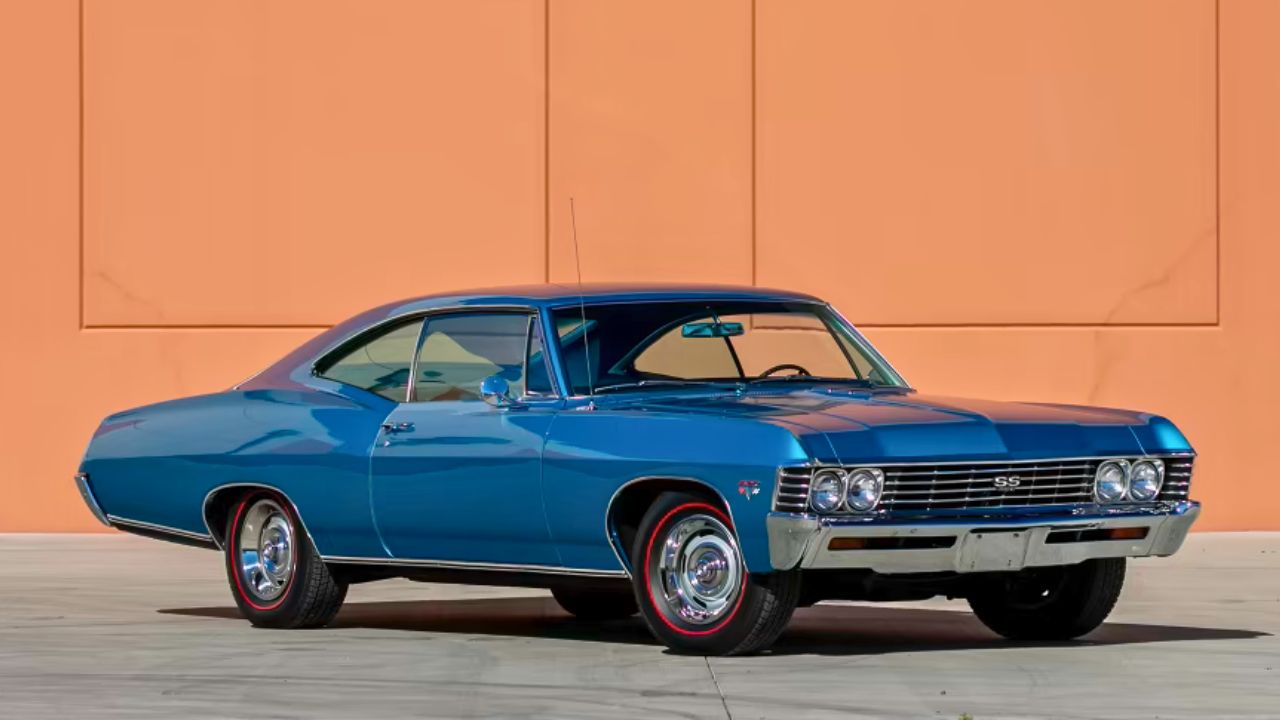
While muscle cars dominated headlines, the 1967 Chevrolet Impala SS continued offering buyers something many smaller performance cars could not: a combination of substantial power, long-distance comfort, spacious accommodations, and unmistakable road presence.
The Impala SS represented a different philosophy.
Rather than sacrificing size for speed, Chevrolet proved that a large automobile could still deliver impressive performance while offering the refinement and practicality many buyers wanted.
In doing so, the 1967 Impala SS demonstrated that full-size performance still had an important place in the American market.
The Impala Was Already a Chevrolet Icon
Long before the muscle car era arrived, the Impala had become one of Chevrolet’s most successful nameplates.
Introduced in the late 1950s, the model quickly established itself as a stylish and desirable full-size automobile. Buyers appreciated its combination of comfort, value, and visual appeal.
Over time, Chevrolet expanded the Impala’s role.
Performance became part of the formula.
Powerful engines found their way into the lineup, and the Super Sport package transformed certain Impalas into surprisingly capable performance machines.
By the mid-1960s, the Impala SS had developed a loyal following among buyers who wanted more than ordinary transportation.
The car offered speed without sacrificing comfort.
That balance would remain central to its appeal.
Full-Size Cars Once Dominated Performance
It’s easy to forget that before the rise of the muscle car, many of America’s fastest automobiles were full-size models.
During the late 1950s and early 1960s, manufacturers frequently installed their most powerful engines into large coupes and convertibles. These cars excelled on highways, drag strips, and long-distance journeys alike.
The arrival of midsize muscle cars changed the conversation.
Lighter vehicles could often accelerate more quickly, and their lower prices broadened their appeal.
However, full-size performance cars never disappeared entirely.
Many buyers still preferred larger automobiles.
They wanted spacious interiors, smooth rides, and a commanding presence on the road.
The Impala SS continued serving those customers.
The 1967 Redesign Modernized the Formula
For 1967, Chevrolet introduced a significantly redesigned Impala.
The new body featured cleaner lines, a more sculpted appearance, and a greater emphasis on elegance. Designers reduced some of the excess chrome associated with earlier generations while creating a more modern and sophisticated profile.
The redesign worked exceptionally well.
The Impala looked substantial without appearing bulky.
Its proportions conveyed confidence and refinement, qualities that appealed strongly to buyers in the full-size market.
The SS package complemented the design perfectly.
Special trim, badging, and performance-oriented details helped distinguish the car from ordinary Impalas without resorting to excessive ornamentation.
The result was stylish rather than flashy.
Big-Block Power Remained Available
The heart of any performance car is its engine, and Chevrolet ensured the Impala SS offered plenty of options.
Buyers could select from several V8 engines, including some of Chevrolet’s formidable big-block powerplants.
The most impressive choices transformed the full-size Chevrolet into a genuinely fast automobile.
The available 427-cubic-inch V8 represented the pinnacle of factory performance in the Impala lineup. Depending on configuration, the engine produced enough horsepower to place the large Chevrolet among the quickest full-size cars available.
Acceleration was strong.
Passing power was effortless.
Highway performance felt almost unlimited by contemporary standards.
The Impala SS had no trouble proving its credentials.
Torque Was Its Secret Weapon
While muscle car advertising often focused on horsepower figures, the Impala SS benefited from another equally important characteristic.
Torque.
Large-displacement V8 engines produced enormous amounts of low-end pulling power. In a full-size automobile, that torque made a significant difference.
Drivers didn’t need to constantly work the engine to achieve brisk acceleration.
The Impala surged forward with remarkable ease.
Whether merging onto an interstate or passing slower traffic, the car delivered effortless performance.
This quality made the Impala especially appealing for long-distance driving.
The vehicle felt relaxed and powerful at the same time.
Many buyers valued that combination more than outright quarter-mile times.
Comfort Was Part of the Performance Equation
One area where the Impala SS clearly differed from many muscle cars involved comfort.
The spacious interior accommodated passengers easily. Large seats provided support during long trips. Ride quality remained smooth even when equipped with performance-oriented options.
Chevrolet understood that many customers wanted a performance car they could use every day.
The Impala excelled in that role.
Owners could enjoy strong acceleration without enduring the compromises often associated with more focused performance vehicles.
The car’s versatility became one of its greatest strengths.
It could handle family duties, road trips, and spirited driving with equal confidence.
The Super Sport Package Added Identity
The SS designation carried considerable prestige by 1967.
Chevrolet had successfully established the Super Sport brand across multiple models, and buyers understood what the initials represented.
On the Impala, the package added more than cosmetic upgrades.
It signaled that the vehicle occupied a special position within the lineup.
The SS badge communicated performance, exclusivity, and enthusiasm.
For many buyers, that mattered.
The Impala SS offered the prestige of a performance model without forcing owners into a smaller vehicle.
It delivered excitement on a larger scale.
Highway Performance Was Outstanding
While many muscle cars excelled in short bursts of acceleration, the Impala SS truly came alive on open highways.
Its long wheelbase contributed to stability. The powerful engines maintained speed effortlessly. The spacious cabin enhanced comfort over long distances.
This combination made the car an outstanding grand touring machine.
Drivers could cover hundreds of miles without fatigue while still enjoying substantial performance whenever conditions allowed.
The experience differed from that of a typical muscle car.
The Impala felt mature.
It wasn’t merely fast.
It was comfortably fast.
That distinction appealed to a significant segment of buyers.
Buyers Were Growing More Diverse
As the performance market expanded during the late 1960s, manufacturers increasingly recognized that not every enthusiast wanted the same thing.
Some buyers preferred lightweight muscle cars.
Others valued luxury and refinement.
The Impala SS catered to the second group.
Its success demonstrated that performance enthusiasts existed across multiple demographics.
Older buyers, professionals, and families often appreciated a vehicle that combined speed with practicality.
The Impala addressed those needs effectively.
Chevrolet understood that performance wasn’t limited to one specific formula.
The Market Was Beginning to Change
Ironically, the 1967 Impala SS arrived during a period when the automotive market was becoming increasingly fragmented.
Muscle cars attracted younger buyers.
Personal luxury coupes were gaining popularity.
Pony cars continued expanding their market share.
Despite these changes, full-size performance cars retained loyal customers.
The Impala SS represented one of the strongest examples of that segment.
It showed that large automobiles could remain relevant even as new categories emerged.
The formula still worked.
Collectors Appreciate Its Dual Personality
Today, enthusiasts often admire the 1967 Impala SS because it offers something different from traditional muscle cars.
The vehicle combines performance and comfort in a way few modern automobiles attempt.
Collectors particularly value examples equipped with big-block engines and desirable performance options.
These cars represent an era when manufacturers were willing to blend luxury and speed without apology.
The Impala SS remains a compelling reminder that performance came in many forms.
More Than Just a Big Car
Looking back, the 1967 Chevrolet Impala SS succeeded because it refused to follow the industry’s shifting narrative completely.
While midsize muscle cars gained popularity, Chevrolet continued investing in full-size performance.
The company understood that speed and comfort weren’t mutually exclusive.
The Impala SS demonstrated exactly that.
Its spacious interior, powerful engines, and refined driving experience created a unique blend that many competitors struggled to match.
The Lasting Appeal of Full-Size Performance
The 1967 Chevrolet Impala SS proved full-size performance still mattered because it delivered qualities many buyers continued to value.
It offered strong acceleration, substantial road presence, comfortable accommodations, and the ability to cover long distances effortlessly.
While muscle cars captured much of the spotlight, the Impala SS quietly reminded enthusiasts that performance wasn’t solely about being the lightest or smallest car on the road.
Sometimes it was about combining power with comfort and capability.
More than half a century later, that formula remains just as appealing.
And the 1967 Impala SS remains one of the finest examples of how well it could work.
More from Fast Lane Only