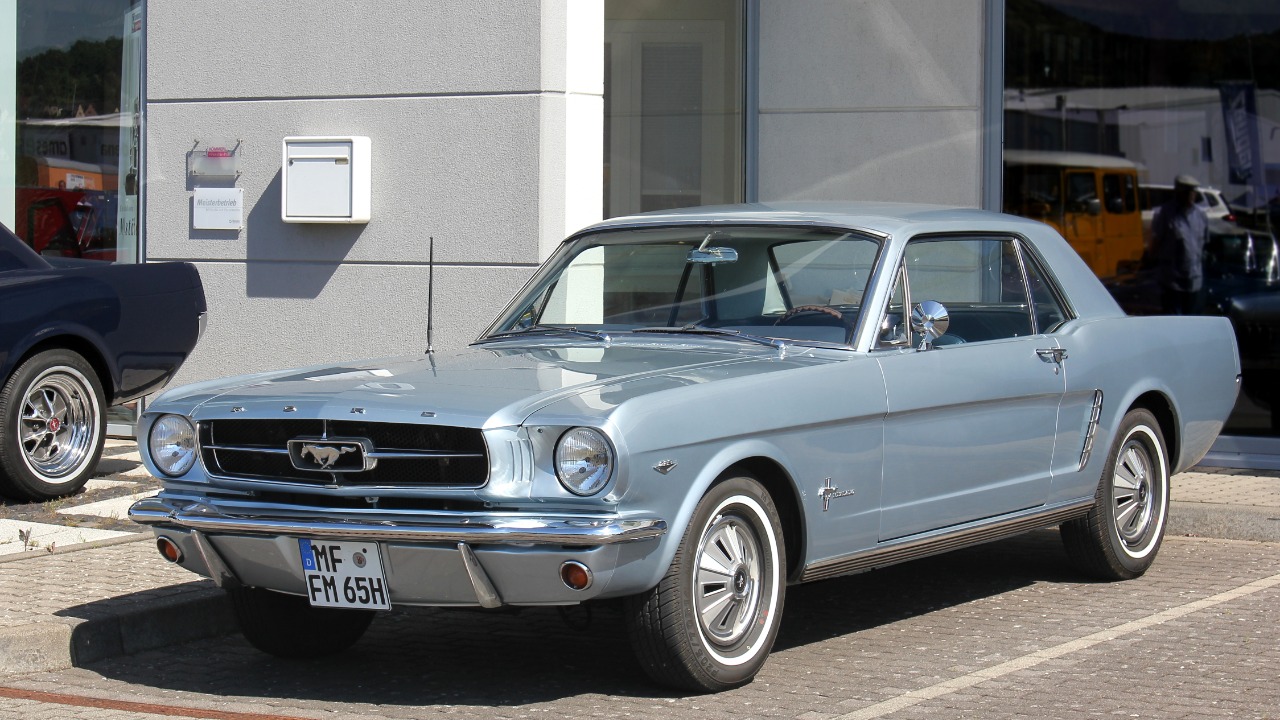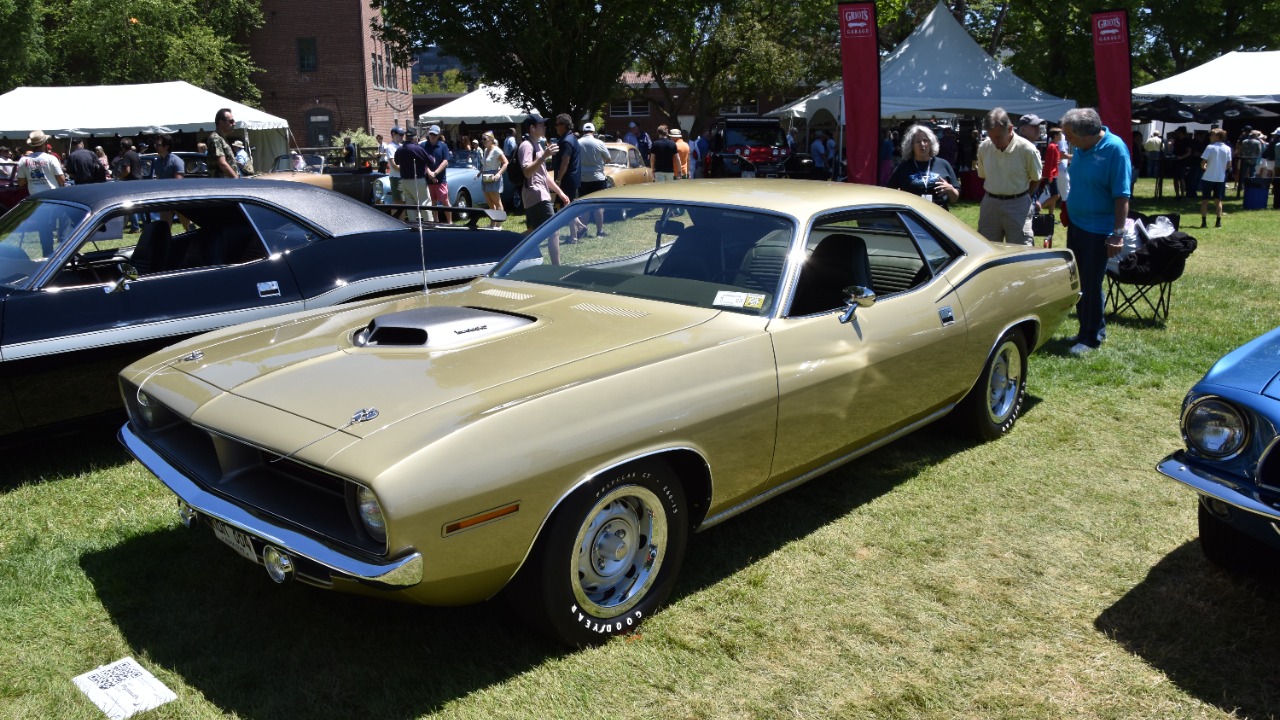
When enthusiasts discuss the greatest muscle cars of the 1960s, the same names often dominate the conversation.
The Pontiac GTO is credited with helping launch the segment. The Chevrolet Chevelle SS became one of the era’s most popular performance machines. The Plymouth Road Runner built its reputation on affordability and speed, while the Dodge Charger R/T captured attention with its aggressive styling.
Lost among these famous competitors was a car that quietly built an impressive reputation of its own.
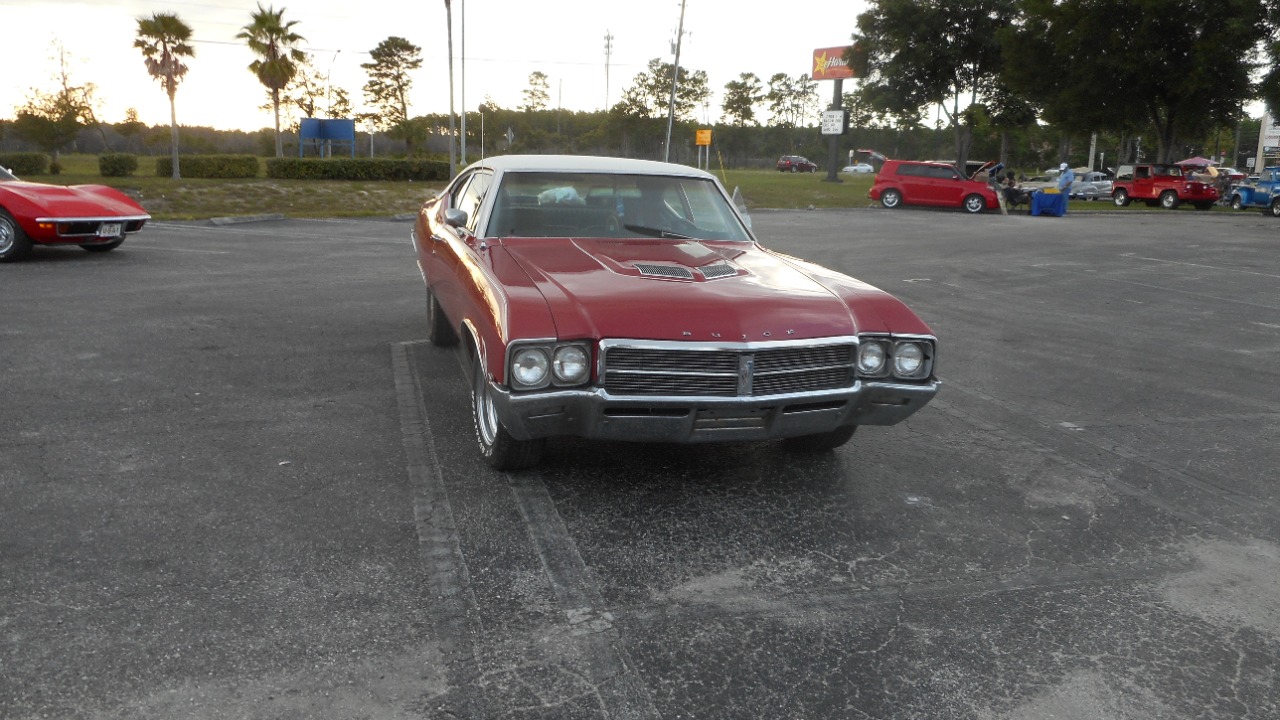
The 1968 Buick Skylark GS.
At first glance, the GS seemed like an unlikely muscle car hero. Buick was traditionally associated with comfort, refinement, and mature buyers rather than tire-smoking street performance. Many enthusiasts viewed the division as one of General Motors’ more conservative brands.
Yet beneath the Skylark GS’s relatively understated appearance was one of the most capable performance cars of its time.
It offered massive torque, strong acceleration, quality engineering, and a level of refinement uncommon among many rivals. Over time, these strengths earned the GS something that every great muscle car ultimately seeks.
Respect.
The 1968 model played a crucial role in establishing that reputation.
Buick Wasn’t Known for Muscle Cars
Part of what makes the Skylark GS story so interesting is Buick’s image during the 1960s.
Within General Motors, Buick occupied a position between mainstream Chevrolet and luxury-oriented Cadillac. The division emphasized comfort, quality, and premium features.
Performance wasn’t absent from Buick’s lineup, but it wasn’t typically the first thing people associated with the brand.
This perception created challenges.
When enthusiasts visited dealerships looking for muscle cars, they often gravitated toward Pontiac or Chevrolet.
Buick needed a vehicle capable of changing those assumptions.
The Gran Sport models became that vehicle.
The GS Was Evolving Rapidly
Buick introduced the Gran Sport concept earlier in the decade, but by 1968 the formula had matured significantly.
The Skylark GS represented a more refined and focused performance package than earlier versions.
Importantly, the car arrived during a year of major change across General Motors.
The corporation redesigned its midsize A-body platform for 1968, creating sleeker proportions and more modern styling.
The new body gave Buick an excellent foundation.
The company combined attractive design with serious performance hardware, creating a car that looked contemporary while retaining a distinctly Buick character.
The result was one of the division’s most successful performance vehicles.
The New Styling Added Confidence
The 1968 redesign transformed the Skylark’s appearance.
The body became more sculpted and muscular. Curved lines replaced some of the boxier forms seen earlier in the decade. The proportions looked athletic without becoming overly aggressive.
Buick’s designers exercised restraint.
Unlike some competitors that relied heavily on graphics and ornamentation, the GS communicated performance through subtle styling cues.
The car looked sophisticated.
That sophistication became part of its appeal.
Owners could enjoy serious performance without attracting the same level of attention generated by some flashier muscle cars.
For many buyers, that was a significant advantage.
The 400 V8 Delivered Serious Muscle
The heart of the 1968 GS was Buick’s formidable 400-cubic-inch V8.
This engine provided exactly the kind of performance enthusiasts expected from a legitimate muscle car.
Official horsepower ratings placed the engine firmly within the competitive range of the era’s best-known performance machines.
More importantly, the Buick V8 produced enormous torque.
That characteristic became one of the GS’s defining strengths.
The car accelerated with impressive authority, particularly from low and mid-range engine speeds.
Drivers didn’t need to push the engine to extreme rpm levels to experience strong performance.
The power felt immediate and effortless.
That quality earned considerable admiration.
Torque Became the Buick Signature
While horsepower often dominated advertising headlines, experienced enthusiasts understood the importance of torque.
Torque determines how forcefully a car accelerates and how easily it responds to driver inputs.
The GS excelled in this area.
Buick engineers prioritized strong low-end performance, creating an engine that delivered substantial pulling power throughout the driving range.
On the street, this translated into impressive real-world acceleration.
The car felt strong in everyday driving situations.
Whether leaving a stoplight or passing on a highway, the GS provided immediate response.
Many owners considered this characteristic more valuable than raw horsepower figures.
It Combined Performance With Refinement
One factor that separated the Skylark GS from many competitors involved refinement.
Buick never abandoned its traditional strengths.
The company understood that buyers could appreciate performance and comfort simultaneously.
As a result, the GS often felt more polished than some rival muscle cars.
Ride quality remained respectable.
Interior materials reflected Buick’s premium positioning.
Noise levels were generally well controlled.
These qualities made the car enjoyable for daily use and long-distance travel.
The GS didn’t force owners to choose between performance and comfort.
It offered both.
That balance helped broaden its appeal.
The GS Was Faster Than Many Expected
Because Buick lacked the performance reputation of Pontiac or Dodge, many enthusiasts underestimated the GS.
Road tests quickly challenged those assumptions.
The Skylark GS consistently demonstrated acceleration figures capable of competing with respected rivals.
Its powerful V8 and substantial torque output allowed it to perform impressively in both street and drag-strip environments.
People who encountered the GS often came away surprised.
The car didn’t merely look capable.
It genuinely was capable.
That element of surprise contributed significantly to its growing reputation.
The GS became a classic sleeper.
Buick Enthusiasts Appreciated the Difference
As the muscle car market expanded, buyers increasingly sought vehicles that reflected their individual preferences.
Not everyone wanted the most obvious choice.
The GS appealed to enthusiasts looking for something slightly different.
It offered performance without following the exact formula used by competitors.
Owners appreciated the combination of speed, comfort, and exclusivity.
The car felt distinctive.
It occupied its own niche within the muscle car landscape.
That uniqueness helped build a loyal following.
It Benefited From Buick Engineering
Another reason the GS earned respect involved engineering quality.
Buick’s reputation for durability and attention to detail extended into its performance vehicles.
The company approached muscle car development differently than some rivals.
Rather than focusing solely on maximum horsepower, Buick sought balance.
The result was a car that felt thoroughly developed.
Enthusiasts recognized and appreciated that quality.
The GS delivered strong performance while maintaining the refinement expected from the brand.
That combination wasn’t easy to achieve.
Racing Helped Strengthen the Image
Although Buick wasn’t as heavily involved in factory-backed racing as some competitors, performance enthusiasts paid attention to results wherever they appeared.
The GS’s capabilities became increasingly well known through owner experiences, magazine testing, and grassroots competition.
Word spread.
The car’s reputation grew organically.
People who drove or raced against GS models developed respect for their performance potential.
In many ways, this grassroots credibility proved especially valuable.
The reputation was earned rather than manufactured.
Collectors Have Continued the Appreciation
Today, the 1968 Skylark GS enjoys substantial respect among collectors and muscle car historians.
Enthusiasts increasingly recognize the model as one of the strongest performance cars of its era.
Its combination of styling, torque, refinement, and relative rarity makes it highly desirable.
The car’s reputation has only improved with time.
Many collectors appreciate vehicles that offer a different perspective on the muscle car formula.
The GS provides exactly that.
It stands apart while remaining authentically competitive.
More Than Just a Buick
Looking back, the 1968 Skylark GS succeeded because it challenged assumptions.
Many people expected Buick to build comfortable automobiles.
Few expected the division to produce one of the era’s most capable muscle cars.
The GS changed those perceptions.
It demonstrated that performance could coexist with refinement.
It showed that torque mattered.
And it proved that Buick belonged in the muscle car conversation.
The Respect Was Earned
The 1968 Buick Skylark GS earned respect in muscle car circles because it delivered genuine performance without abandoning the qualities that made Buick unique.
Its powerful 400-cubic-inch V8, abundant torque, attractive styling, and refined driving experience created a combination unlike anything else on the market.
The car didn’t rely on flashy marketing or outrageous graphics to build its reputation.
Instead, it earned admiration through capability.
Enthusiasts discovered that the GS could compete with the best muscle cars of its era.
More than fifty years later, that reputation remains intact.
And in the world of performance cars, few accomplishments matter more than earning respect from people who truly understand what makes a great muscle machine.
More from Fast Lane Only