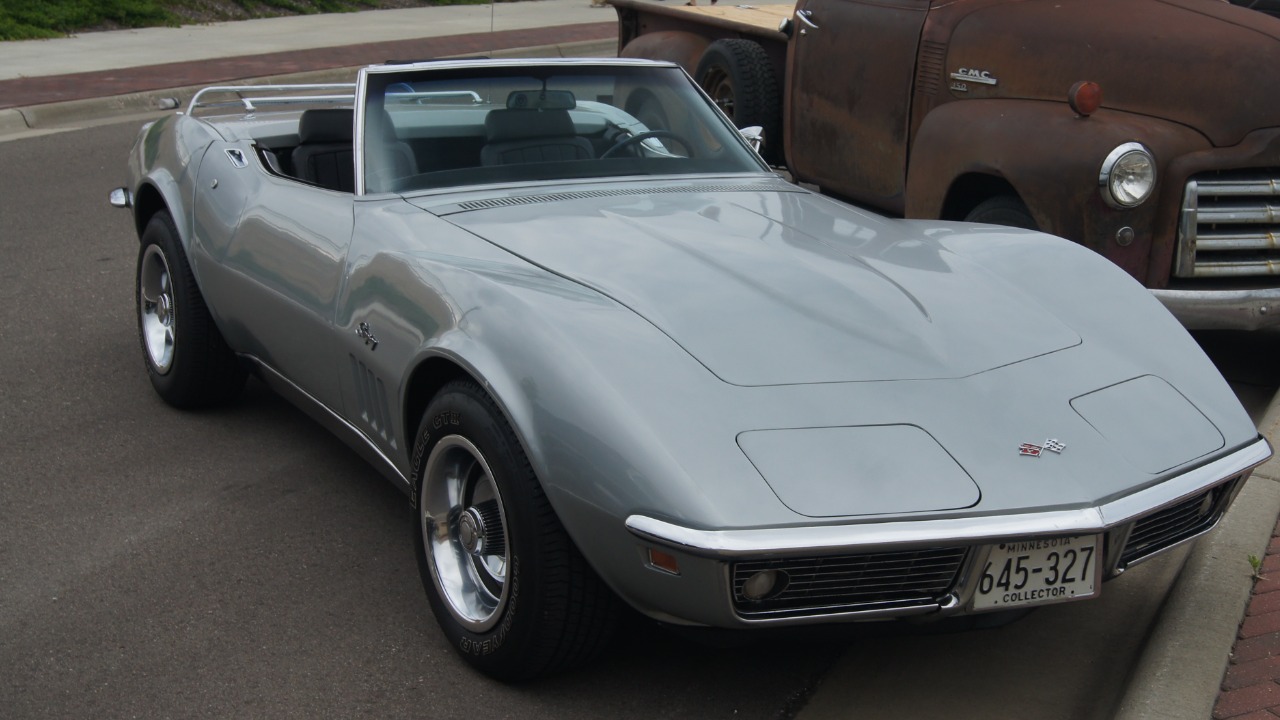
The 1969 Chevrolet Corvette Stingray is a classic example of automotive engineering that harmoniously blended high performance with striking aesthetics. With its innovative design and powerful performance, the Stingray continues to captivate car enthusiasts and collectors alike, solidifying its legacy in the automotive world.
Design Aesthetics
The 1969 Corvette Stingray features iconic styling that has become synonymous with American muscle cars. Its distinctive curves and aggressive stance create an unmistakable silhouette that commands attention on the road. The front-end design, characterized by a pointed nose and prominent grille, complements the sweeping lines that run along the sides of the car. The rear of the Stingray, with its quad taillights and integrated bumpers, adds a touch of elegance to its bold appearance. Together, these elements create a vehicle that is both sporty and sophisticated.
The color options available in 1969 further enhanced the Stingray’s appeal. From the classic Tuxedo Black to the vibrant Monza Red and the eye-catching Daytona Yellow, buyers had a plethora of choices to express their personal style. These vibrant hues not only attracted attention but also contributed to the car’s identity as a symbol of freedom and the open road. The combination of striking colors and the car’s aerodynamic design made the Stingray a showstopper at car shows and on the highways.
Inside, the Stingray offered a luxurious yet functional interior that elevated the driving experience. The cockpit was designed with the driver in mind, featuring high-back bucket seats and a driver-focused dashboard. The use of premium materials, such as leather and wood accents, added an element of sophistication. Instrumentation was not only stylish but also practical, providing essential information at a glance. Overall, the interior was a harmonious blend of comfort and performance, making long drives enjoyable and exhilarating.
Performance Specifications
Under the hood, the 1969 Corvette Stingray boasted a range of engine options that catered to performance enthusiasts. Among these was the powerful L88 engine, which produced a staggering 430 horsepower, making it one of the most potent powertrains of its time. The L46 variant, offering 350 horsepower, was also popular among buyers looking for a balance between power and drivability. These engine options enabled the Stingray to deliver exhilarating acceleration and an adrenaline-pumping driving experience.
The performance metrics of the Stingray were equally impressive. With a 0-60 mph time of just around 5.5 seconds, it was a force to be reckoned with on the track. The precise handling characteristics, attributed to its lightweight construction and advanced suspension system, made cornering a breeze. Whether on a winding road or a straightaway, the Stingray demonstrated an uncanny ability to blend speed and agility, solidifying its reputation as a standout performer in the sports car segment.
Transmission choices further influenced the driving dynamics of the Stingray. Buyers could opt for a four-speed manual transmission or a three-speed automatic, allowing for a personalized driving experience. The manual transmission provided a more engaging connection to the car, while the automatic offered convenience for daily driving. This flexibility made the Stingray appealing to a broader audience, from purists seeking a thrilling drive to casual enthusiasts appreciating the ease of use.
Technological Innovations
The 1969 Stingray showcased several technological innovations that enhanced both performance and comfort. One of the most notable advancements was the independent rear suspension system, which significantly improved ride quality and handling. This new setup allowed each wheel to respond independently to road conditions, providing better traction and stability, particularly during aggressive cornering. The result was a smoother ride and greater confidence behind the wheel.
In addition to the suspension improvements, the introduction of upgraded braking technology further bolstered the Stingray’s safety and performance. The car featured disc brakes on all four wheels, offering superior stopping power compared to traditional drum brakes. This advancement in braking technology not only enhanced the car’s performance but also provided drivers with peace of mind, knowing they had the stopping power needed in various driving situations.
The dashboard of the 1969 Stingray was also a testament to technological innovation. Equipped with a range of gauges, including a tachometer, speedometer, and oil pressure gauge, the Stingray provided drivers with essential feedback at a glance. The layout was intuitive, ensuring that drivers could keep their focus on the road while still monitoring their vehicle’s performance. This attention to detail in instrumentation contributed to the overall driving experience, making the Stingray not just a beautiful car but also a practical one.
Impact on Popular Culture
The 1969 Corvette Stingray’s influence extended beyond the realm of automotive engineering; it became a cultural icon in films and television. Its sleek design and powerful performance made it a favorite choice for filmmakers, and it appeared in numerous movies and shows throughout the years. One notable appearance was in the classic film “Route 66,” where the Stingray showcased its capabilities against the backdrop of America’s highways. Such media exposure solidified the Stingray’s status as a symbol of freedom and adventure.
Moreover, the Stingray inspired a generation of car enthusiasts and collectors. Its combination of style, performance, and affordability made it accessible to a wider audience. Car clubs and online forums dedicated to the Corvette community flourished, fostering a passionate following that continues to grow today. The 1969 Stingray’s design and engineering innovations have influenced countless enthusiasts, encouraging them to appreciate and restore these classic vehicles.
In the realm of motorsports, the Stingray made a significant impact as well. Its racing pedigree, particularly in the SCCA and various endurance races, showcased its capabilities on the track. The performance characteristics honed in these competitive environments laid the groundwork for future generations of performance vehicles, proving that the Stingray was not just a pretty face but a serious contender in the world of racing.
Market Reception and Collectibility
The sales performance of the 1969 Corvette Stingray was impressive, with over 38,000 units sold that year. This strong demand can be attributed to its combination of powerful performance, innovative design, and relatively affordable pricing compared to European rivals. The Stingray’s reputation for quality and performance contributed to its popularity, making it a sought-after model among consumers at the time.
Today, the 1969 Corvette Stingray is considered a highly collectible classic car. Factors contributing to its desirability include its iconic design, powerful engine options, and limited production numbers of certain variants, such as the L88 engine. Collectors often seek out well-preserved examples, making them valuable assets in the classic car market. Auctions featuring 1969 Stingrays frequently attract significant attention, with some models fetching prices well into six figures.
Over the years, the value of the Stingray has appreciated significantly, driven by a combination of nostalgia and the enduring appeal of classic cars. As more collectors enter the market, the demand for the 1969 Stingray continues to rise. Factors such as condition, originality, and documented history play crucial roles in determining the value of these vehicles, ensuring that they remain coveted by collectors and enthusiasts alike.
Comparative Analysis with Contemporary Vehicles
When comparing the 1969 Stingray to its contemporaries, such as the Ford Mustang and Porsche 911, it becomes clear that the Stingray offered a unique blend of performance and style. While the Mustang catered to a more budget-conscious audience with its affordability and variety of trims, the Stingray positioned itself as a premium sports car with a focus on high performance. The Porsche 911, known for its precision engineering and handling, presented a different driving experience that appealed to a different segment of enthusiasts. However, it was the Stingray’s combination of raw power and striking aesthetics that set it apart in the sports car landscape.
The design and performance elements of the Stingray also influenced the next generation of sports cars. Many modern manufacturers have drawn inspiration from the Stingray’s signature curves and aggressive stance, integrating similar design philosophies into their own models. The emphasis on performance metrics, such as acceleration and handling, has become a standard in the industry, with manufacturers striving to balance power with driver engagement.
Current automakers can learn valuable lessons from the 1969 Stingray’s success. The importance of combining style with performance cannot be overstated, as consumers today seek vehicles that not only perform well but also make a statement. The Stingray’s enduring legacy serves as a reminder that thoughtful design and engineering can create a vehicle that resonates with enthusiasts for decades to come.
More from Fast Lane Only
- Unboxing the WWII Jeep in a Crate
- 15 rare Chevys collectors are quietly buying
- 10 underrated V8s still worth hunting down
- Police notice this before you even roll window down
*Research for this article included AI assistance, with all final content reviewed by human editors.