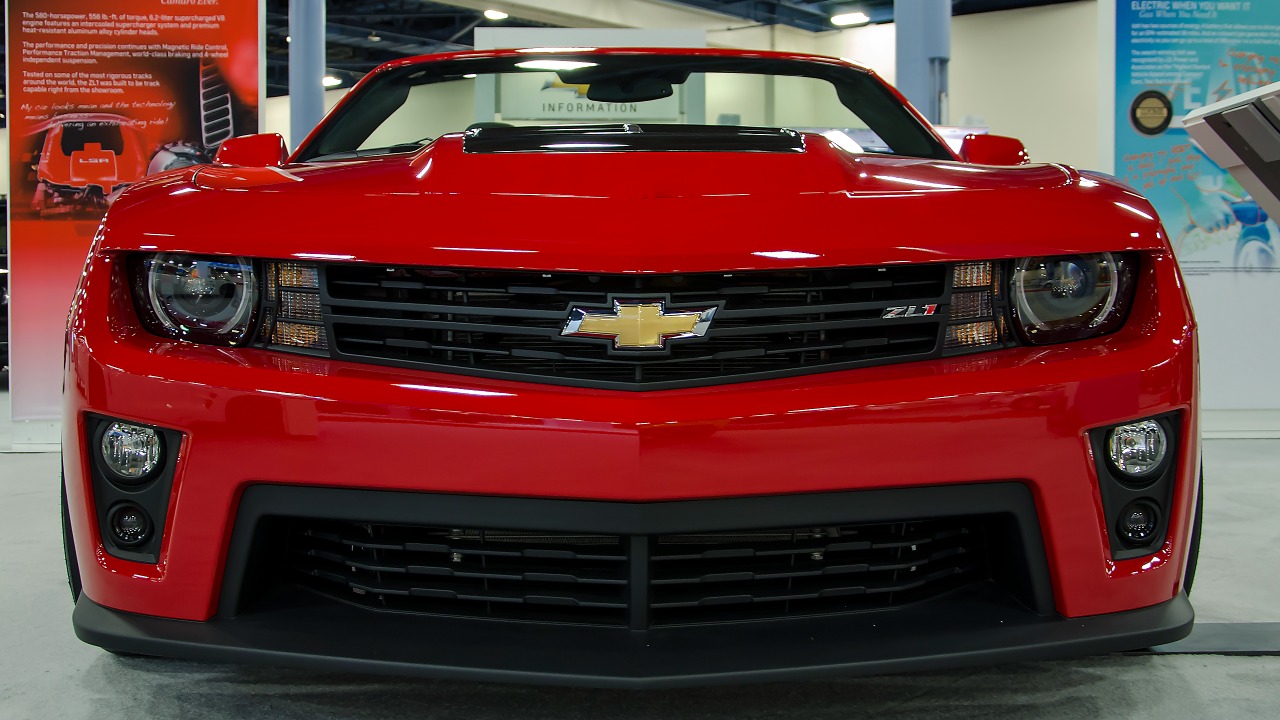
The 1969 ZL1 Camaro was not simply another muscle car option, it was a calculated act of quiet defiance from Chevrolet at the height of Detroit’s horsepower wars. Conceived in the shadows of corporate policy and racing regulations, it fused an experimental all aluminum racing engine with a relatively ordinary pony car shell. The result was a machine built in tiny numbers that still shapes how performance divisions think about risk, secrecy, and brand identity.
Half a century later, the car’s blend of clandestine engineering and brutal capability has turned those 69 production examples into rolling evidence of how far a manufacturer would go to win on Sunday, even if it meant pretending not to care on Monday. The ZL1 story is less about nostalgia than about understanding how corporate restraint and racing ambition collided inside Chevrolet’s own walls.
Racing pressure and the birth of an aluminum monster
By the late 1960s, American performance was defined as much by racetrack scoreboards as by showroom sales sheets, and Ford’s high profile efforts with figures like Shelby had given it a powerful halo. Chevrolet, officially constrained by internal limits on racing involvement, needed a way to answer that challenge without openly defying its own rulebook. The solution emerged from its racing programs with Jim Hall and the Chaparral team, where experimental aluminum big blocks were proving that weight mattered as much as raw displacement.
Every Camaro enthusiast who studies the period understands that the ZL1 engine was Born from this environment of quiet experimentation, not from a conventional product planning meeting. Reports on the program describe how the Chaparral and Chevrolet collaboration refined an all aluminum 427 that made enormous power while shedding mass compared with traditional iron blocks. That same basic architecture would become the heart of the ZL1 Camaro, a race bred 427-cubic-inch V8 that was officially detuned on paper but engineered to dominate when uncorked.
COPO: the corporate loophole that made the ZL1 possible
Turning a racing engine into a street legal Camaro required more than engineering, it demanded a way around Chevrolet’s own ordering system. There was a secret to the Camaro that not everyone inside the company even appreciated at first, the Central Office Production Order. Originally intended to handle fleet and special equipment requests, the Central Office Production Order process, or COPO, could be used to specify combinations that never appeared in public brochures.
Performance minded insiders realized that COPO could quietly authorize a limited run of Camaros fitted with the aluminum 427, even though such a package would have been politically impossible as a mainstream option. Accounts of the period describe how Chevrolet leveraged COPO to create a small batch of cars that looked like ordinary first generation Camaros but carried hardware intended for the drag strip. In 1969 Chevrolet built just 69 ZL-1 Camaros through this channel, each powered by a race bred, all aluminum 427 cubic-inch V8 that existed largely because the paperwork did not advertise what the car really was.
Engineering audacity hidden in plain sight
On the surface, a ZL1 could pass for a well optioned Camaro, but beneath the sheetmetal the car was a study in purposeful excess. The centerpiece was the all aluminum big block, an engine that enthusiasts still describe as one of the most aggressive powerplants Chevrolet ever offered to the public. Technical write ups note that the ZL1 unit weighed roughly what a small block did, with one detailed account stating that the all aluminum 427ci ZL1 big block came in at just 500 pounds, about the same as a 327ci small block, which dramatically altered the car’s weight distribution and front end feel.
That weight advantage mattered because the engine’s output was intentionally understated. Contemporary descriptions of the 427-cubic-inch V8 emphasize that it was intended for racing and capable of far more than its conservative factory rating suggested. The combination of low mass and high potential meant that, in the right hands, a ZL1 Camaro could deliver acceleration and trap speeds that rivaled purpose built drag machines. Supporting hardware, from the ZL2 cold air hood that sealed to the air cleaner to heavy duty driveline components, reinforced that this was a car engineered from the crankshaft outwards rather than from the options list down.
Economics of a factory outlaw
If the ZL1’s engineering was audacious, its business case bordered on irrational. The aluminum engine alone cost over $4,000, a figure that period documentation notes was more than an entire base V8 Camaro. That single line item pushed the sticker price of a ZL1 far beyond what most Camaro buyers expected to pay for a pony car, especially one that, at a glance, did not look dramatically different from cheaper SS or big block models sitting on the same lot.
The result was predictable: dealers struggled to move cars that had been conceived as track weapons rather than retail darlings. A total of 69 ZL1 Camaros were produced, a number that appears consistently in factory records and later profiles, and some of those cars reportedly sat unsold long enough to be discounted or even have their exotic engines swapped for more conventional units. Not only is the 69 ZL1 a rare bird in terms of production volume, later analysis has stressed that it also contained one of the most powerful Chevrolet engines ever built, which makes the period’s lukewarm retail response look, in hindsight, like a remarkable disconnect between short term economics and long term significance.
From showroom burden to seven figure icon
Time has been kind to the ZL1 in a way that early sales figures never suggested. Collectors now treat surviving examples as blue chip artifacts of the muscle era, precisely because the car was built in such small numbers and with such uncompromising hardware. One detailed retrospective notes that in 2020 a 69 Camaro ZL1 sold at Barrett-Jackson’s Scottsdale sale for more than $1 million, a price that would have been unimaginable to the dealers who once struggled to explain why a Camaro could cost more than some Corvettes.
The car’s value is not purely financial, it also lives on through meticulously constructed tributes that attempt to recreate the experience at a fraction of the price. A documented 1969 Chevrolet Camaro ZL1 tribute, for example, has been described as a faithful mirror of the legendary original, with builders emphasizing that, Just like the original 69 ZL1’s, the goal is to capture the specification and spirit even if the VIN does not appear in factory rosters. That ongoing fascination underscores how the ZL1’s quiet audacity, from its COPO origins to its aluminum heart, has turned a once obscure corporate workaround into one of the most studied and revered chapters in Chevrolet’s performance history.
More from Fast Lane Only