By 1970, the American performance landscape was dominated by muscle cars.
Manufacturers were locked in a horsepower war that seemed to escalate every year. Buyers could choose from an impressive array of high-performance coupes wearing names like the Chevrolet Chevelle SS, Plymouth Road Runner, Pontiac GTO, and Dodge Challenger. These vehicles generated headlines, attracted younger buyers, and became the public face of American performance.
Meanwhile, another kind of performance car continued quietly doing its job.
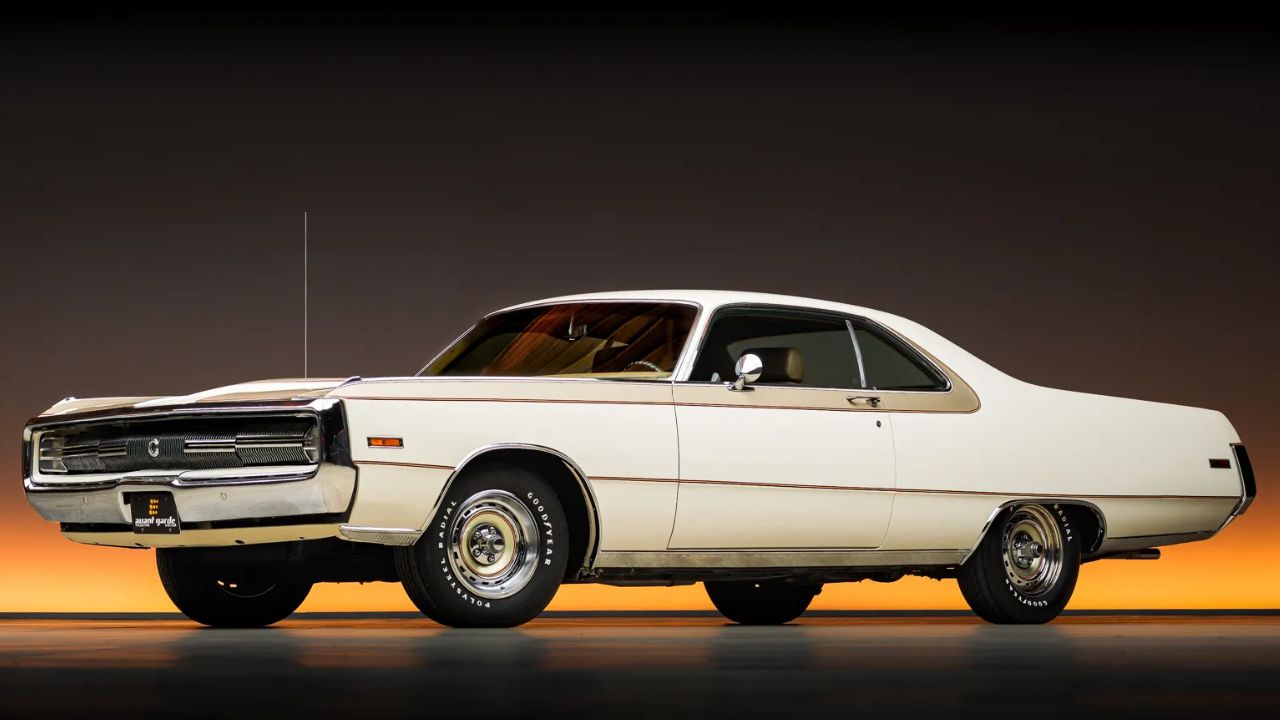
The 1970 Chrysler 300 did not rely on bright graphics, racing-inspired names, or aggressive marketing campaigns. It wasn’t trying to dominate drag strips or appeal to teenagers searching for the fastest car in town. Instead, it represented a different tradition—one rooted in effortless power, long-distance comfort, and high-speed cruising.
That tradition stretched back decades.
The Chrysler 300 name had long been associated with performance and prestige, dating to the famous “letter series” cars of the 1950s. While the 1970 model occupied a different role than those earlier machines, it still carried much of the same DNA. Underneath its refined appearance was a vehicle designed to cover vast distances quickly and comfortably.
In an era increasingly focused on quarter-mile times, the Chrysler 300 excelled at something else.
It remained one of America’s great highway machines.
The 300 Had a Strong Performance Heritage
The Chrysler 300 name already carried significant weight by 1970.
Throughout the 1950s and early 1960s, Chrysler’s letter-series 300 models earned reputations as some of the fastest and most sophisticated American automobiles available. These cars combined luxury appointments with powerful V8 engines, creating a unique formula that influenced the industry.
Even as the lineup evolved, that heritage remained important.
Buyers associated the 300 badge with performance, capability, and prestige. Chrysler understood the value of that reputation and worked to preserve it, even as market conditions and consumer expectations changed.
The 1970 Chrysler 300 reflected this history.
Although it emphasized luxury more than some earlier versions, it still embodied the idea that a premium automobile should possess genuine performance credentials.
That philosophy shaped the entire vehicle.
Full-Size Dimensions Worked in Its Favor
One reason the Chrysler 300 excelled on the highway was its size.
During an era when many performance cars prioritized compact dimensions and aggressive handling, Chrysler continued building large automobiles designed for comfort and stability. The 300’s substantial wheelbase and generous proportions provided advantages that became especially apparent during long-distance travel.
The car felt planted.
At highway speeds, the Chrysler projected confidence and composure. Road imperfections were absorbed smoothly, and the vehicle’s size contributed to a sense of stability that smaller cars often struggled to match.
This quality mattered because America was increasingly connected by interstate highways.
Drivers were spending more time covering long distances.
The 300 was built for exactly that environment.
And it performed exceptionally well.
Powerful V8 Engines Delivered Effortless Performance
Comfort alone would not have made the Chrysler 300 a serious highway machine.
Performance remained an essential part of the formula.
Fortunately, Chrysler offered the car with powerful V8 engines capable of providing abundant torque and smooth acceleration. These engines suited the vehicle’s character perfectly, delivering strong performance without requiring dramatic effort from the driver.
The emphasis was different from that of a traditional muscle car.
Rather than chasing maximum acceleration numbers, the Chrysler focused on effortless power. Passing slower traffic, merging onto highways, and maintaining cruising speeds felt easy and natural.
The car never seemed strained.
There was always power in reserve.
That confidence became one of its defining characteristics.
Luxury and Performance Coexisted
The 1970 Chrysler 300 represented an increasingly rare combination.
Many vehicles emphasized either luxury or performance, often forcing buyers to choose between the two. Chrysler pursued a different path by blending comfort, refinement, and power into a single package.
The result appealed to a specific audience.
These buyers wanted performance, but they didn’t necessarily want the compromises associated with many muscle cars. They appreciated quiet interiors, comfortable seating, and premium features just as much as horsepower figures.
The Chrysler delivered both.
Owners could enjoy strong V8 performance while traveling in a refined environment designed for comfort.
That balance helped distinguish the 300 from many competitors.
It Was Designed for Long Distances
The Chrysler 300’s true strengths emerged during extended drives.
The car seemed purpose-built for covering hundreds of miles at a time. Its comfortable seating, smooth ride, and stable road manners made long journeys feel shorter and less tiring.
This capability reflected changing American lifestyles.
As interstate highways expanded, more people traveled greater distances by automobile. Vehicles that excelled at high-speed cruising became increasingly valuable.
The Chrysler fit naturally into this role.
Its engineering emphasized exactly the qualities long-distance drivers appreciated most.
The car rewarded time spent behind the wheel.
And owners noticed.
Styling Projected Quiet Confidence
Unlike many performance-oriented vehicles of the era, the Chrysler 300 did not rely on dramatic visual statements.
Its styling emphasized elegance and sophistication rather than aggression. Clean lines, tasteful detailing, and substantial proportions created an appearance that projected confidence without demanding attention.
This understated approach suited the car’s personality.
The 300 didn’t need bold graphics or oversized spoilers to communicate its capabilities. Instead, it relied on design quality and road presence.
The result aged remarkably well.
Even today, the car retains a sense of dignity that many contemporary vehicles struggle to match.
Its appearance reflected maturity.
That was intentional.
It Lived in the Shadow of Muscle Cars
One reason the 1970 Chrysler 300 often receives less attention today is timing.
The vehicle existed during one of the most celebrated periods in muscle car history. Enthusiasts naturally gravitate toward cars associated with drag racing, high-horsepower battles, and youthful excitement.
The Chrysler pursued a different mission.
It wasn’t competing directly with Road Runners, Super Bees, or GTOs. Instead, it targeted buyers who valued a broader range of qualities, including comfort, prestige, and long-distance capability.
As a result, the 300 frequently operated outside the spotlight.
Yet that doesn’t diminish its accomplishments.
In many respects, it excelled at exactly what it was designed to do.
The Car Reflected Chrysler’s Strengths
The 300 also showcased many of Chrysler’s traditional strengths.
The company had long excelled at producing large, comfortable automobiles powered by impressive V8 engines. These vehicles often combined engineering sophistication with effortless performance in a way that appealed to discerning buyers.
The 1970 300 embodied that philosophy perfectly.
It represented the culmination of decades of experience building premium American automobiles designed for real-world driving rather than purely marketing-driven specifications.
This authenticity contributed significantly to its appeal.
The car felt purposeful.
Because it was.
Collectors Are Rediscovering Its Appeal
Modern enthusiasts increasingly appreciate vehicles that tell different stories about American automotive history.
As a result, the Chrysler 300 has begun attracting renewed attention. Collectors recognize that performance is not solely measured by quarter-mile times or racing success.
The 300 offers a different perspective.
It demonstrates how luxury, comfort, and power could coexist in a package optimized for long-distance travel. Enthusiasts who spend time with these cars often come away impressed by their capability and refinement.
The experience remains surprisingly rewarding.
Perhaps even more so today.
The Highway Cruiser That Never Lost Its Purpose
Looking back, the 1970 Chrysler 300 succeeded because it stayed true to its mission.
Rather than chasing trends, Chrysler focused on building a premium automobile capable of delivering exceptional highway performance and long-distance comfort. The company understood its audience and designed the car accordingly.
The result remains impressive decades later.
The 300 knew exactly what it wanted to be.
And it achieved that goal remarkably well.
Performance Beyond the Drag Strip
The 1970 Chrysler 300 quietly remained a serious highway machine because it combined powerful V8 engines, exceptional long-distance comfort, stable road manners, and refined luxury into a package designed for effortless travel.
While muscle cars captured headlines with their acceleration figures, the Chrysler excelled in a different arena. It offered the ability to cover vast distances quickly, comfortably, and confidently, reflecting a performance philosophy rooted in real-world usability rather than short bursts of speed.
More than fifty years later, the car remains a reminder that performance comes in many forms.
Some cars dominate the drag strip.
Others master the open road.
The Chrysler 300 was firmly in the second category.
And it was exceptionally good at it.
More from Fast Lane Only