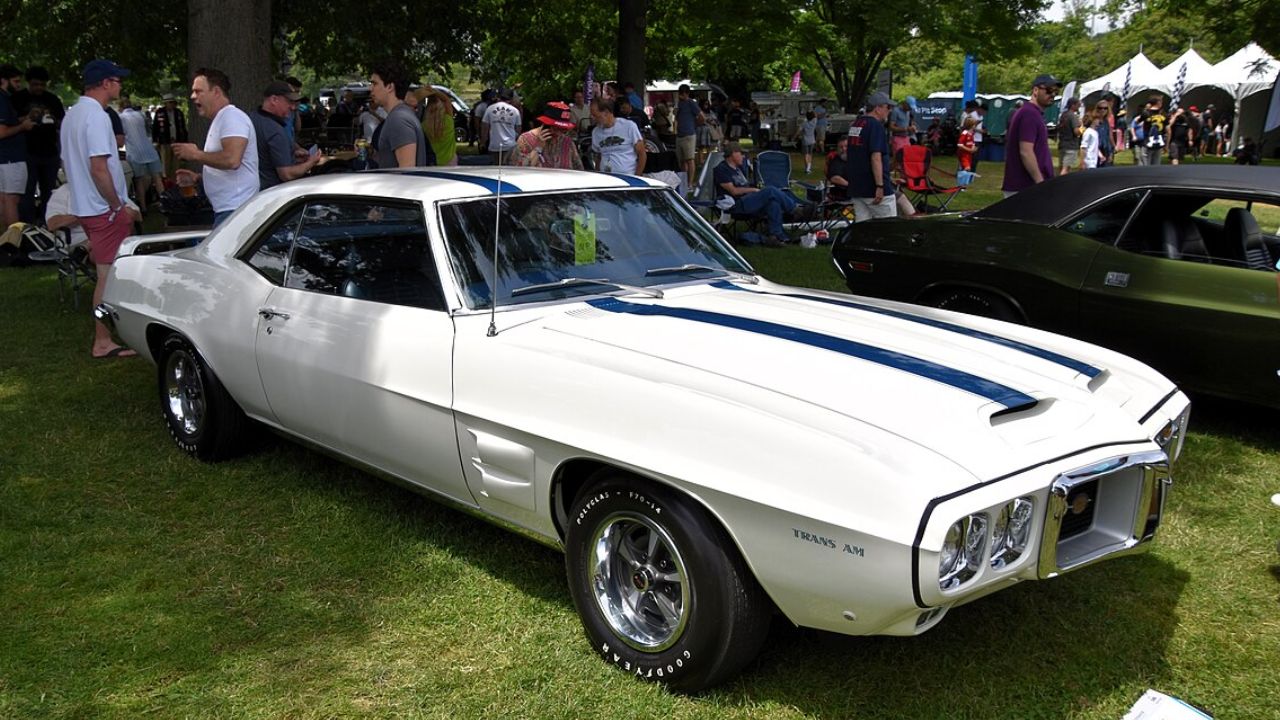
The Trans Am has become an iconic representation of American muscle cars, synonymous with speed, performance, and style. Delving into the true meaning behind the Trans Am designation on Pontiac’s Firebird reveals a fascinating blend of history and cultural significance that continues to resonate with automotive enthusiasts today.
The Birth of the Firebird
The Pontiac Firebird made its debut in 1967, entering a competitive landscape dominated by muscle cars such as the Ford Mustang and Chevrolet Camaro. Designed as a response to the growing demand for high-performance vehicles, the Firebird was positioned within Pontiac’s lineup as a more performance-oriented alternative to its other models, like the Tempest and LeMans. It was a bold move that aimed to capitalize on the muscle car craze that was sweeping across America during this period.
The initial reception of the Firebird was overwhelmingly positive, with its sleek lines and aggressive stance setting it apart from its competitors. It featured a long hood and short rear deck, a design that not only appealed to performance enthusiasts but also captured the essence of American automotive aesthetics. The Firebird quickly gained a reputation for its impressive handling and power, making it a worthy contender in the muscle car arena.
Understanding the Trans Am Badge
The term “Trans Am” originally referred to the Trans American racing series, which began in the late 1960s. Pontiac saw an opportunity to leverage this association, and in 1969, they introduced the Trans Am as a high-performance variant of the Firebird. This model was specifically designed to meet the requirements of the racing series, featuring performance enhancements that elevated its status within the Pontiac lineup.
It is essential to distinguish between the standard Firebird and the Trans Am models. While all Trans Ams were Firebirds, not all Firebirds were Trans Ams. The Trans Am badge became synonymous with performance, setting itself apart through unique styling cues, upgraded engines, and specialized features that appealed to a more discerning audience. Pontiac strategically used the Trans Am designation to enhance its branding, associating it with speed and exclusivity, thereby increasing its allure among car enthusiasts.
The Trans Am’s Performance Legacy
The Trans Am differentiated itself from standard Firebird models through a series of performance enhancements that defined its legacy. For instance, the 1970 Trans Am came equipped with a 400-cubic-inch V8 engine, producing 335 horsepower. This power plant set the tone for subsequent models, establishing the Trans Am as a formidable player in the muscle car market. Over the years, performance options expanded, with notable engines like the 455-cubic-inch V8, which offered even more power for those seeking thrilling performance.
Racing history also played a crucial role in shaping the Trans Am’s identity. The model participated in various racing events, achieving notable success on the track. Pontiac leveraged these achievements to market the Trans Am as a performance-oriented vehicle, further solidifying its reputation. The racing pedigree of the Trans Am not only enhanced its desirability among consumers but also contributed to its storied legacy within the automotive community.
Cultural Impact of the Trans Am
The Trans Am has firmly established itself within popular culture, particularly through its appearances in movies and television. One of the most iconic representations of the Trans Am is its starring role in the 1977 film “Smokey and the Bandit,” where it was portrayed as the ultimate getaway car. This film not only showcased the car’s performance capabilities but also cemented its image as a symbol of freedom and rebellion in American society.
Beyond the silver screen, the Trans Am’s influence extended into music and other forms of media, further embedding it into the fabric of American culture. Its unique design and powerful performance made it a favorite among car enthusiasts, while its portrayal in popular culture helped to elevate its status to an almost legendary level. As such, the Trans Am became more than just a car; it represented a lifestyle and an ideal that resonated with many.
Design Evolution of the Trans Am
The design of the Trans Am has undergone significant evolution since its inception. The first-generation model featured bold styling with the distinctive “screaming chicken” hood decal, which became a hallmark of the Trans Am brand. As the years progressed, the design continued to adapt, reflecting changing automotive trends and consumer preferences. For example, the second-generation Trans Am, introduced in 1970, showcased a more aerodynamic profile, which not only improved performance but also enhanced its visual appeal.
Throughout its lifecycle, the Trans Am maintained several iconic design elements that became synonymous with the name. Features such as the front air dam, wide body stance, and unique taillight configurations contributed to its aggressive look. These design choices were not merely aesthetic; they also played a role in enhancing aerodynamics, allowing the Trans Am to perform better at high speeds. This blend of style and functionality has helped the Trans Am remain a beloved classic in the eyes of collectors and enthusiasts alike.
The Trans Am Fan Community
The passion for the Trans Am extends beyond mere admiration; it has fostered a vibrant community of enthusiasts who celebrate its legacy. Various clubs and organizations dedicated to the Trans Am provide a platform for fans to connect, share knowledge, and showcase their vehicles. Events such as car shows and meet-ups allow owners to display their prized possessions while exchanging stories and experiences with fellow aficionados.
Online forums, such as those found on Reddit, serve as digital gathering places where enthusiasts discuss everything from restoration tips to performance upgrades. The importance of preservation and restoration efforts is often highlighted, as many owners are dedicated to maintaining the authenticity and performance of their Trans Ams. This strong sense of community not only enhances the ownership experience but also ensures that the Trans Am legacy continues for future generations.
Collectibility and Market Value
The collectibility of Trans Am models is influenced by several factors, including rarity, condition, and historical significance. Certain model years, particularly those equipped with desirable engine options or special packages, command higher prices in the collector’s market. For instance, the 1977 Trans Am, made famous by “Smokey and the Bandit,” is highly sought after among collectors, often fetching premium prices at auctions.
Current market trends indicate a growing interest in classic American muscle cars, including the Trans Am. Potential collectors should pay close attention to the overall condition of the vehicle, documentation of its history, and any modifications that may affect its value. Resources such as collector car price guides and auctions can provide insights into valuation trends. By understanding what to look for, collectors can make informed decisions when acquiring a Trans Am, ensuring their investment retains its value over time.
The Future of the Trans Am Legacy
The legacy of the Trans Am is not confined to the past; it continues to inspire modern reinterpretations by various manufacturers. While Pontiac itself ceased production of the Firebird in 2002, the spirit of the Trans Am lives on through custom builds and specialty car companies that pay homage to this classic muscle car. There is ongoing discussion about the potential for revivals or even electric versions of the Trans Am, reflecting contemporary trends in the automotive industry.
As automotive technology evolves, so too does the potential for the Trans Am to adapt to new standards of performance and efficiency. Enthusiasts remain hopeful that the Trans Am will continue to be remembered not just as a relic of the muscle car era but as a symbol of American automotive innovation and culture. The future may hold exciting possibilities for the Trans Am, ensuring that its legacy endures in the hearts of fans and collectors alike.
More from Fast Lane Only