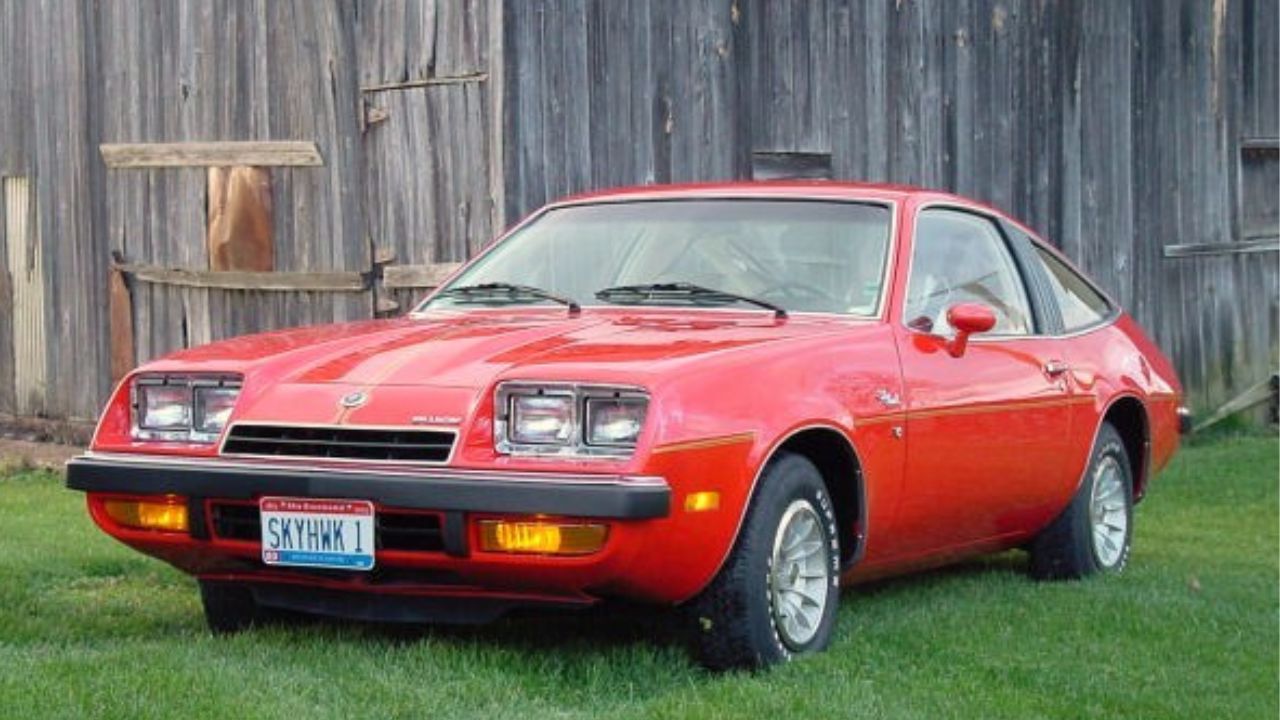
The 1975 Buick Skyhawk emerged during a pivotal moment in automotive history, as the industry began to shift toward smaller, more fuel-efficient cars. Despite this transition, many consumers were still attached to larger vehicles, making the Skyhawk’s introduction both innovative and ahead of its time.
Background of the Automotive Market in the 1970s
The 1970s marked a significant era in the automotive industry, particularly influenced by the oil crisis that began in 1973. This crisis led to a dramatic increase in fuel prices, compelling consumers to reconsider their vehicle choices. As gas prices skyrocketed, the allure of large, powerful cars began to wane. Buyers were increasingly drawn to smaller, more economical vehicles that offered better fuel efficiency. This shift was not just a trend; it was a necessary adaptation to the economic landscape of the time.
As a response to these changing consumer preferences, automakers began to pivot away from their traditional focus on full-size sedans and trucks. Competitors like Chevrolet and Ford quickly adapted to the market’s demands by introducing compact models. The Chevy Vega and Ford Pinto were among the first to cater to the new need for smaller cars, emphasizing efficiency while still providing a degree of performance. This environment set the stage for the introduction of the Buick Skyhawk, which aimed to fill the growing niche for compact cars without sacrificing the brand’s reputation for comfort and quality.
The Genesis of the Buick Skyhawk
The development of the Buick Skyhawk began in the early 1970s, coinciding with General Motors’ decision to create the X-body platform, which would underpin several compact models across its divisions. The Skyhawk was designed to respond to the evolving market, aiming to provide consumers with a combination of style, efficiency, and the traditional Buick comfort they had come to expect. Key figures in the project included engineers and designers who were committed to creating a vehicle that could compete in a rapidly changing automotive landscape.
One of the primary design goals for the Skyhawk was to ensure that it remained true to Buick’s image while embracing the compact car trend. The vehicle was intended to be both stylish and practical, with a design that featured a sleek exterior and a comfortable interior. The X-body platform allowed for a reduction in size without compromising structural integrity, making it an ideal foundation for the Skyhawk. The team’s vision was to create a car that would appeal to both loyal Buick customers and new buyers looking for a smaller, more efficient vehicle.
Design Features of the 1975 Buick Skyhawk
The exterior design of the 1975 Buick Skyhawk was characterized by its clean lines and modern aesthetic, which set it apart from its contemporaries. Measuring approximately 173 inches in length, the Skyhawk was compact yet offered enough space for comfort. The front grille featured a distinctive Buick styling that maintained brand identity while adapting to a smaller form factor. Compared to models like the Chevy Monza, the Skyhawk presented a more upscale appearance, appealing to consumers looking for a touch of luxury in a compact package.
Inside, the Skyhawk was designed with user comfort and practicality in mind. The interior featured high-quality materials and a layout that prioritized accessibility and usability. The dashboard was intuitively arranged, with easy-to-read gauges and controls. Innovations in manufacturing processes, such as the use of lightweight materials, contributed to the Skyhawk’s overall efficiency without compromising on quality. By focusing on both aesthetic and functional elements, the design team aimed to create a vehicle that would resonate with buyers looking for a compact car without sacrificing comfort and style.
Performance and Engine Options
The 1975 Buick Skyhawk came equipped with a range of engine options designed to cater to different consumer preferences. The base model featured a 4-cylinder engine, which provided adequate power for daily driving while maximizing fuel efficiency. However, it was the optional V6 engine that garnered significant attention, delivering a more robust performance that appealed to those who desired a sportier driving experience. With a power output of around 110 horsepower, the V6 engine allowed the Skyhawk to compete effectively against rivals while maintaining the smooth ride characteristic of Buick vehicles.
In terms of performance metrics, the Skyhawk offered a driving experience that was markedly different from larger Buick models. Weighing less than its full-size counterparts, the Skyhawk provided nimble handling and a more responsive feel on the road. Reviews from automotive journalists highlighted its balanced ride and maneuverability, positioning it as a viable choice for buyers transitioning from larger vehicles. The V6 engine option, in particular, was praised for delivering a satisfying blend of power and efficiency, which contributed to the Skyhawk’s growing appeal in a competitive market.
Market Positioning and Sales Strategies
Buick’s marketing strategy for the Skyhawk targeted a demographic that included younger buyers and those looking to downsize from larger vehicles. Marketing messages emphasized the Skyhawk’s blend of style, performance, and fuel efficiency, appealing to consumers who were increasingly concerned about rising gas prices. The brand positioned the Skyhawk as a sophisticated choice for those seeking a compact car without compromising on quality, which was a significant selling point given Buick’s longstanding reputation.
In comparison to rival models such as the Chevy Monza and the AMC Gremlin, the Skyhawk stood out due to its upscale features and performance capabilities. Although initial sales figures were modest, Buick’s strategy to emphasize quality and comfort helped establish the Skyhawk as a contender in the compact market. Over its introductory years, the Skyhawk experienced fluctuating sales, influenced by economic factors and the competitive landscape, yet it remained a key player in Buick’s lineup during a transformative era for the automotive industry.
Consumer Reception and Reviews
Upon its release, the 1975 Buick Skyhawk received a mixed yet generally positive reception from both automotive journalists and consumers. Early reviews praised the car for its stylish design and comfortable interior, aligning with Buick’s reputation for quality. However, some critics noted that the 4-cylinder engine felt underpowered compared to competing models, which could deter performance-oriented buyers. Nonetheless, the optional V6 engine significantly improved the driving experience, garnering favorable feedback and enhancing the model’s appeal.
Consumer feedback reflected a similar sentiment, with many owners appreciating the Skyhawk’s practicality and fuel efficiency. Long-term owner satisfaction was bolstered by Buick’s commitment to quality and reliability, which translated into a positive reputation for the model over the decades. As a result, the Skyhawk became a popular choice among those looking for a compact car that offered both comfort and style, cementing its place in automotive history.
Challenges Faced by the Skyhawk
Despite its initial promise, the Buick Skyhawk faced several challenges that impacted its sales performance. Economic factors, including fluctuating fuel prices and economic downturns, contributed to the car’s inconsistent sales figures. As competition intensified from both domestic and foreign compact cars, the Skyhawk struggled to establish a distinct identity within a crowded market. Brands like Honda and Toyota began to introduce models that further captured the attention of budget-conscious consumers, posing a significant threat to the Skyhawk’s market share.
Additionally, Buick faced the challenge of differentiating the Skyhawk from other models within its lineup. As the market evolved, consumers became increasingly discerning about their choices, leading to a demand for unique features and innovations. The Skyhawk’s struggle to carve out its niche in a rapidly changing landscape highlighted the difficulties faced by many automakers during this tumultuous period. Ultimately, Buick’s efforts to refine the Skyhawk in subsequent years would reflect a response to these challenges, as the brand sought to maintain relevance in an evolving automotive market.
The Legacy of the 1975 Buick Skyhawk
The legacy of the 1975 Buick Skyhawk is evident in its influence on future Buick models and the compact segment as a whole. While it may not have achieved the same level of iconic status as some of its competitors, the Skyhawk played a crucial role in shaping Buick’s approach to compact cars. Its introduction marked a significant shift within the brand, demonstrating that Buick could adapt to changing consumer preferences while maintaining its commitment to quality and comfort.
Culturally, the Skyhawk represents a turning point in automotive history, illustrating the broader transition toward smaller, more efficient vehicles. As fuel efficiency became a priority for consumers, the Skyhawk paved the way for modern small cars that prioritize both performance and economy. Its impact on the compact car market is a testament to the evolving landscape of the automotive industry during the 1970s, showcasing how a single model can influence trends and consumer expectations for years to come.
More from Fast Lane Only