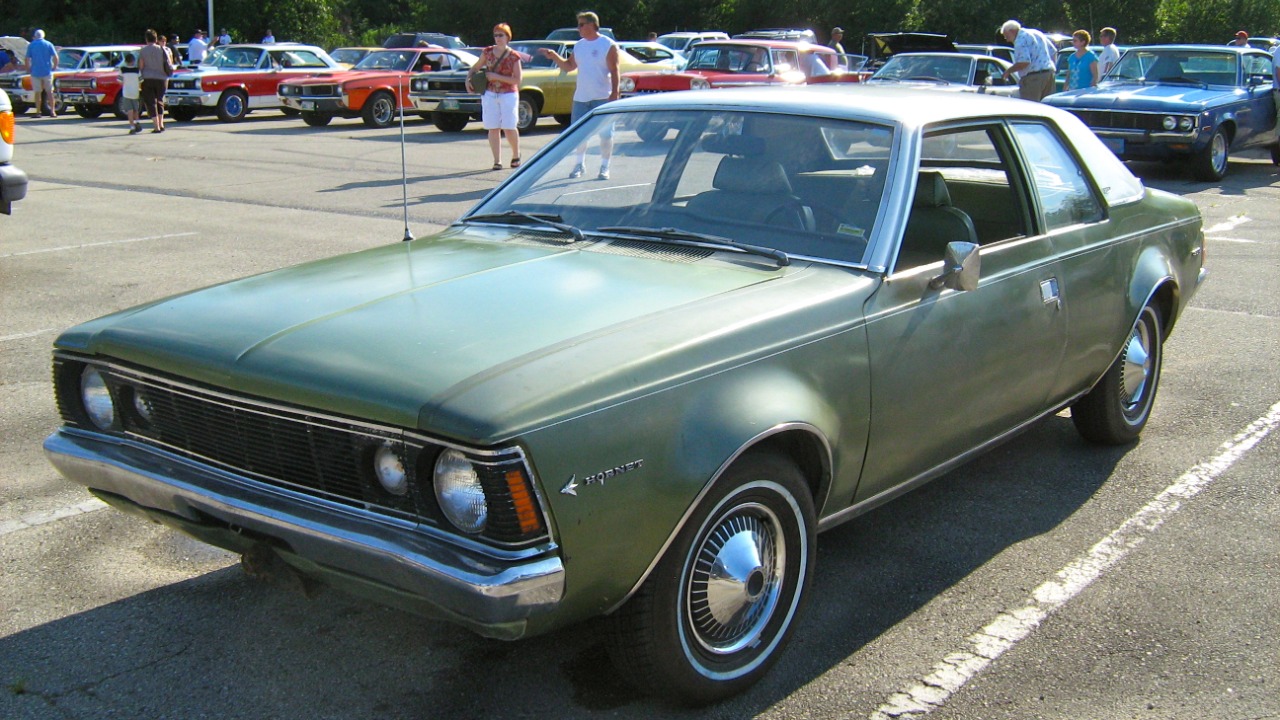
The 1970 AMC Hornet emerged as a pivotal model for American Motors Corporation (AMC) during a transformative era in the automotive industry. With its innovative design, affordability, and practical features, the Hornet not only appealed to a broad consumer base but also solidified AMC’s place in automotive history.
Historical Context of the 1970 AMC Hornet
In the late 1960s and early 1970s, American Motors Corporation (AMC) was navigating a challenging automotive landscape dominated by giants like Ford, General Motors, and Chrysler. As the demand for compact cars grew, driven in part by changing consumer preferences and rising fuel prices, AMC recognized an opportunity to carve out a niche for itself in this burgeoning market segment. The Hornet was developed during a time when Americans were starting to prioritize fuel efficiency and practicality over sheer size and power, a shift that would soon be catalyzed by the 1973 oil crisis.
The oil crisis fundamentally altered consumer preferences, leading to an immediate demand for smaller, more fuel-efficient vehicles. As gas prices soared, the automotive industry responded by downsizing their offerings. The Hornet was AMC’s answer to this demand, designed not only to be economical but also to deliver the comfort and utility that American families valued. By aligning its development with these market changes, AMC positioned the Hornet as a practical choice in an increasingly competitive landscape.
Design and Features of the Hornet
The design of the 1970 AMC Hornet was both innovative and functional, making it stand out among its contemporaries. It featured a sleek, aerodynamic profile that was complemented by a distinctive front grille and sharp lines, which appealed to a wide range of consumers. One of the most notable aspects of the Hornet was its hatchback design, which provided versatility and ease of access to both the front and rear compartments. This feature was particularly attractive to families and individuals who needed a practical vehicle for daily use.
Inside, the Hornet boasted a surprisingly spacious interior for a compact car, allowing for ample legroom and cargo space. The use of quality materials and thoughtful design helped create a comfortable cabin that did not compromise on style. Compared to competitors like the Ford Pinto and Chevrolet Vega, the Hornet offered a more refined experience, setting it apart in a crowded market. The combination of practicality and aesthetic appeal made it a favorite among consumers looking for a reliable and stylish vehicle.
Performance and Variants
The 1970 AMC Hornet was offered with several engine options, catering to a range of performance needs. The base model came equipped with an efficient inline-six engine, ideal for those seeking fuel economy. For buyers looking for a bit more power, AMC offered optional V8 engines that enhanced performance without sacrificing the vehicle’s core attributes of efficiency and reliability. This variety allowed consumers to choose a Hornet that best suited their driving style and needs.
Market Impact and Sales Success
Upon its launch, the AMC Hornet enjoyed remarkable sales success, quickly becoming one of the best-selling compact cars in the United States. In its inaugural year alone, the Hornet sold over 100,000 units, a testament to its appeal among a diverse demographic. Its affordability, coupled with the practical features that met the needs of families and young professionals alike, contributed to its rapid market penetration. AMC’s strategic marketing efforts also played a crucial role, with advertisements focusing on the Hornet’s efficiency and value, resonating with an audience eager for economical solutions in the face of rising fuel prices.
The Hornet’s success significantly expanded AMC’s market share in the compact car segment, helping the company to establish itself as a formidable player in a space that had previously been dominated by larger manufacturers. Case studies have shown that the Hornet particularly attracted budget-conscious consumers and first-time car buyers, making it a popular choice among students and young families. This shift in consumer demographics not only bolstered sales but also reinforced AMC’s position as a brand that understood the evolving needs of the American driver.
Legacy and Influence on Future Models
The long-term impact of the AMC Hornet on the company’s product lineup and branding cannot be overstated. The Hornet established a template for future AMC vehicles, emphasizing the importance of combining practicality with innovative design. Its success encouraged AMC to further explore compact and mid-size models, laying the groundwork for vehicles like the AMC Gremlin and the Concord. These models continued the legacy of offering consumers economical choices without sacrificing style or comfort.
Moreover, the Hornet has left an indelible mark on automotive history, appearing in popular culture and earning a place in the hearts of collectors. Enthusiasts today continue to celebrate the Hornet as a symbol of innovation and adaptability, with many restored models gaining attention at classic car shows. As a testament to its lasting appeal, the Hornet has become a sought-after collectible, with many enthusiasts actively seeking to restore or preserve these iconic vehicles. The Hornet’s legacy as one of AMC’s most important cars is firmly cemented, serving as an enduring reminder of a time when American consumers began to prioritize practicality and efficiency in their automotive choices.
More from Fast Lane Only
- Unboxing the WWII Jeep in a Crate
- 15 rare Chevys collectors are quietly buying
- 10 underrated V8s still worth hunting down
- Police notice this before you even roll window down
*Research for this article included AI assistance, with all final content reviewed by human editors.