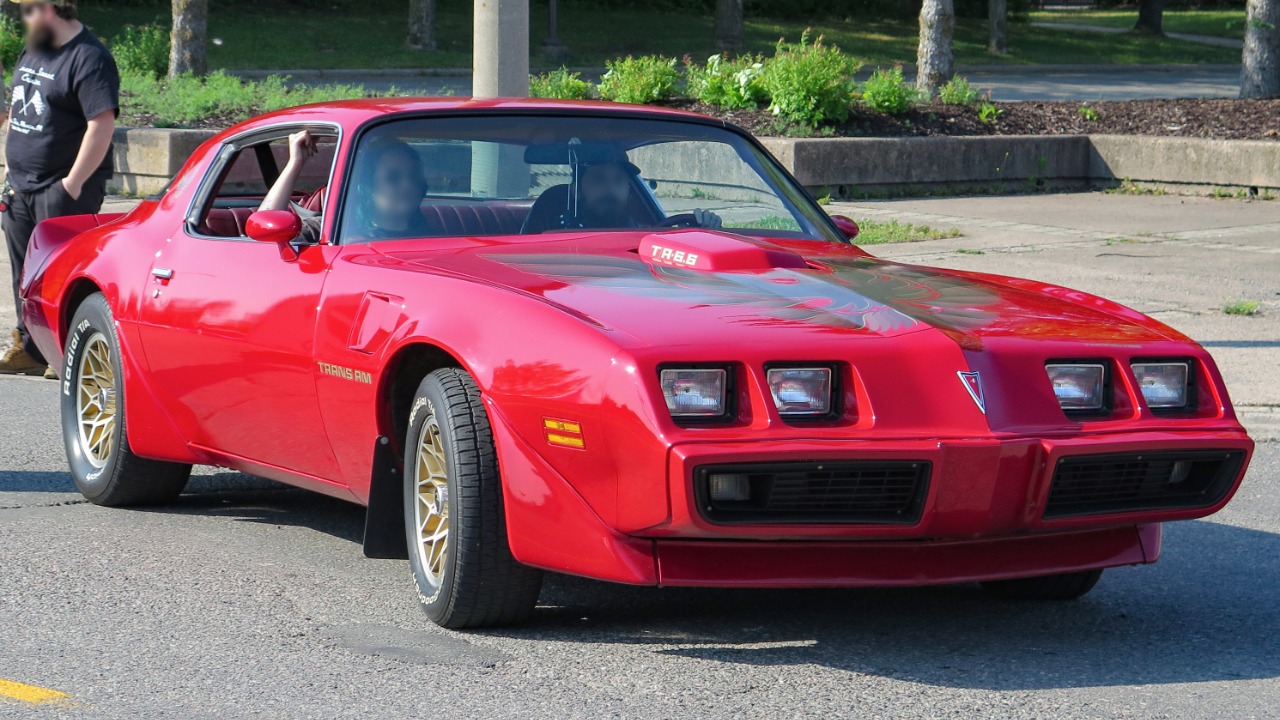
The 1979 Pontiac Trans Am arrived at a crossroads for American performance. It still looked every inch the street bruiser, yet under the shaker hood the muscle car era was running out of breath. By the end of that model year, the Trans Am’s blend of big displacement, bold styling, and mass-market appeal was already becoming a memory.
Viewed from today, the 1979 Trans Am stands as a last wide-open-throttle blast before tightening emissions rules, fuel economy pressure, and shifting tastes pushed Detroit in a very different direction.
What happened
For Pontiac, 1979 was both a high point and a turning point. The second-generation Firebird line had matured into a pop culture icon, helped along by Hollywood and a wave of special editions that made the Trans Am the aspirational performance car for a generation of buyers. Underneath the graphics and spoilers, however, the mechanical story was already changing.
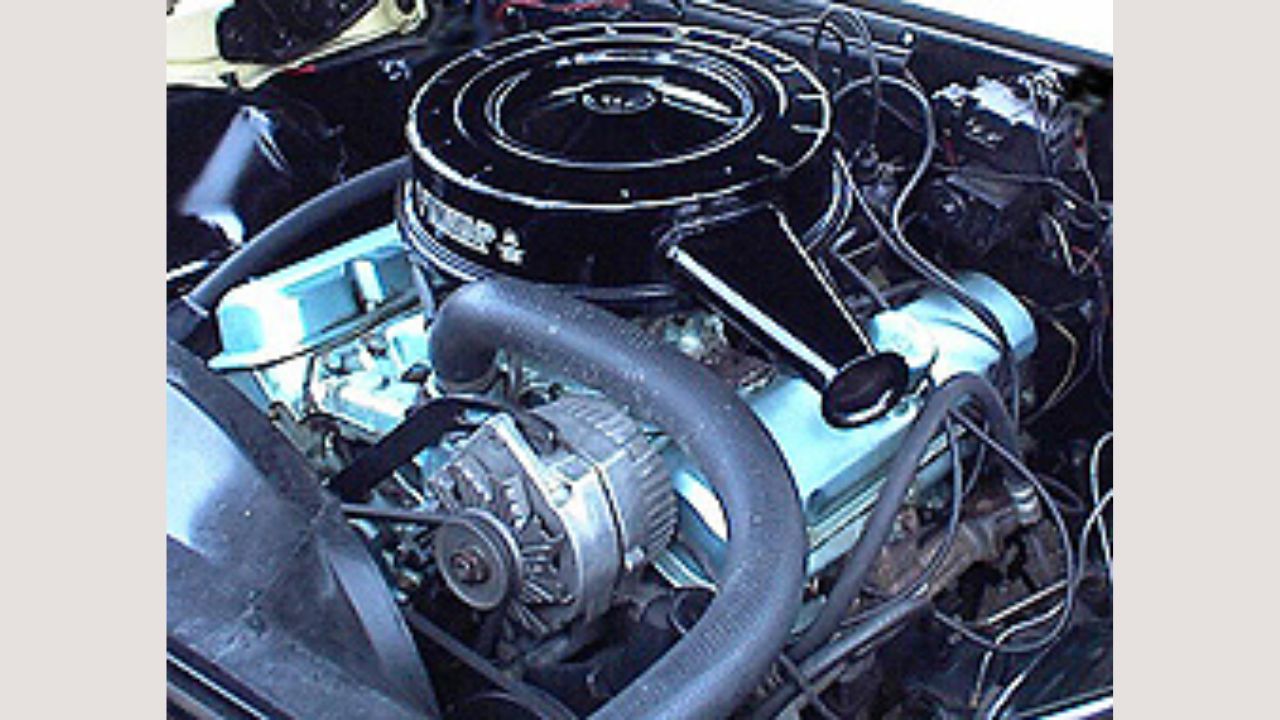
The Trans Am had been born in an era when cubic inches were the simplest way to advertise performance. Earlier models relied on engines such as the 400 cubic inch V8 and the 455 cubic inch V8, which gave the car its reputation as one of the fiercest factory offerings of the 1970s. By 1979, those engines were living on borrowed time as tightening regulations and corporate fuel economy targets pushed Pontiac toward smaller, cleaner, and more efficient powertrains.
The 1979 model year still allowed buyers to order a Trans Am with a large-displacement Pontiac V8, but the writing was on the wall. Internal planning and federal rules were converging on the same point: the days of big, low-compression engines tuned primarily for torque were ending. The following model year would bring a shift away from Pontiac’s own big blocks toward smaller corporate engines and new technologies that tried to reconcile performance with efficiency.
That transition becomes clear when looking at how collectors treat the next-year cars. A well-preserved 1980 Trans Am, built after Pontiac had pivoted away from its classic big-cube formula, recently drew strong attention at auction, with one documented example selling for a premium price that highlighted how quickly these late second-generation cars have moved from used metal to prized artifacts. The car, a low-mileage survivor, crossed the block for well into six figures, a result that underlined how much nostalgia value the final years of the breed now carry for enthusiasts who remember when a Trans Am was a common sight on American roads, as shown by a 1980 Trans Am sale.
Inside Pontiac’s engineering offices, the answer to shrinking displacement came in the form of turbocharging. Rather than continue to chase power with ever-larger engines, the division experimented with forced induction on smaller V8s. That effort produced the turbocharged Trans Am that followed in 1980, a car that tried to maintain the badge’s performance image while satisfying the new realities of emissions and fuel economy. Testing and development work focused on making a relatively small engine behave like the big torque monsters that had defined the brand earlier in the decade, as detailed in period coverage of the turbocharged Trans Am.
The result was a very different kind of performance car. Instead of lazy, off-idle torque from a massive naturally aspirated V8, the turbo Trans Am delivered its power in a narrower band, with more attention paid to boost control, heat management, and drivability. It was a technical achievement for Pontiac, but it also confirmed that the old formula centered on raw displacement had reached the end of the line.
Why it matters
The 1979 Trans Am matters because it represents the last moment when American muscle could still pretend that the early 1970s had never ended. The car’s styling, with its flared fenders, shaker scoop, and optional hood bird, promised the same kind of swagger that buyers associated with earlier high-compression V8s. Yet the broader context had shifted. Leaded fuel was on the way out, catalytic converters were mandatory, and federal fuel economy standards were tightening every year.
Within that environment, the 1979 Trans Am became a bridge between eras. It still used the traditional rear-wheel-drive layout and body-on-frame construction that enthusiasts loved, but it was already being asked to do more with less. Lower compression ratios, revised camshafts, and more restrictive exhaust systems trimmed output compared with the glory days, even when displacement figures remained impressive on paper.
That tension between image and reality helps explain why collectors see late second-generation Trans Ams as historically important. They capture the moment when Detroit’s performance brands had to decide whether to fade away or adapt. Pontiac chose adaptation. The turbocharged models that followed, and later experiments with smaller, higher-revving engines, set a pattern that other manufacturers would follow as they learned to extract more power from less fuel.
The long shadow of 1979 also stretches into the present through the way enthusiasts and aftermarket builders keep the Trans Am idea alive. Pontiac as a brand has been discontinued, but the shape and attitude of the late 1970s cars remain instantly recognizable. Modern coachbuilt projects use current Chevrolet Camaro platforms and powertrains, then wrap them in bodywork that echoes the classic Trans Am profile, complete with updated interpretations of the shaker hood and the screaming chicken graphic. One recent build, presented as a 2021 Trans Am Firebird, combines a contemporary V8 with retro styling cues and updated materials, illustrating how builders try to merge present-day performance with late 1970s nostalgia, as described in coverage of the 2021 Trans Am project.
That kind of homage only works because the original car occupies such a specific place in automotive memory. The 1979 Trans Am is not just another classic; it is a symbol of a closing chapter. Drivers who grew up watching these cars on screen or hearing them rumble through their neighborhoods remember them as the last widely accessible American performance machines that still felt unapologetically loud and extroverted.
At the same time, the technical story behind the 1979 model helps explain how performance cars survived the regulatory pressure of the 1980s and beyond. Engineers who learned to manage emissions and fuel economy on big-displacement V8s carried those lessons into the development of smaller, more efficient engines. The turbocharging experiments that followed in 1980 and 1981 foreshadowed the widespread use of forced induction on modern performance cars, from compact hot hatches to high-end sports models.
In that sense, the 1979 Trans Am is both an ending and a starting point. It closed the book on the simple equation of more cubes equals more power, and it opened the door to a more complex approach that relied on technology, electronics, and careful calibration. The car’s cultural impact tends to overshadow that engineering story, but both pieces are essential to understanding why the model year still attracts so much attention from historians and enthusiasts.
What to watch next
The legacy of the 1979 Trans Am continues to play out in several arenas. In the collector market, late second-generation cars have moved from affordable nostalgia into serious investment territory. Well-documented examples with original drivetrains and factory-correct details routinely command strong prices, with special editions and low-mileage survivors leading the way. The auction performance of the 1980 Trans Am mentioned earlier suggests that buyers are increasingly willing to pay a premium for cars that represent the final years of Pontiac’s traditional muscle formula.
Restomod builders are another part of the story. Many owners now choose to retain the classic body and interior of a 1979 Trans Am while updating the mechanicals with modern engines, suspensions, and brakes. That approach reflects the same balance Pontiac tried to strike in period: maintain the car’s visual drama while improving performance and efficiency. Modern LS-based V8 swaps, electronic fuel injection, and six-speed manual transmissions allow these cars to perform at a level that early owners could only imagine, all while preserving the look that made the original famous.
More From Fast Lane Only: