The 1998 Pontiac Firebird Trans Am marked a turning point for GM’s pony car, bringing the all-aluminum LS1 V8 into a platform that had carried traditional small-blocks for decades. Overnight, the Trans Am went from aging muscle to a genuine performance bargain that could run with contemporary Corvettes and European sports cars. That single engineering decision still shapes how collectors, tuners, and everyday enthusiasts look at the final generation of Firebirds.
What happened
By the late 1990s, the Firebird had already gone through several stylistic and mechanical evolutions, from the clean first-generation coupes to the wild, aero-heavy models of the 1980s. A visual history of the car’s development shows how the fourth generation, introduced for 1993, pushed the design toward a more futuristic, wind-cheating shape that stood apart from earlier, boxier Firebirds in the lineup’s long history.
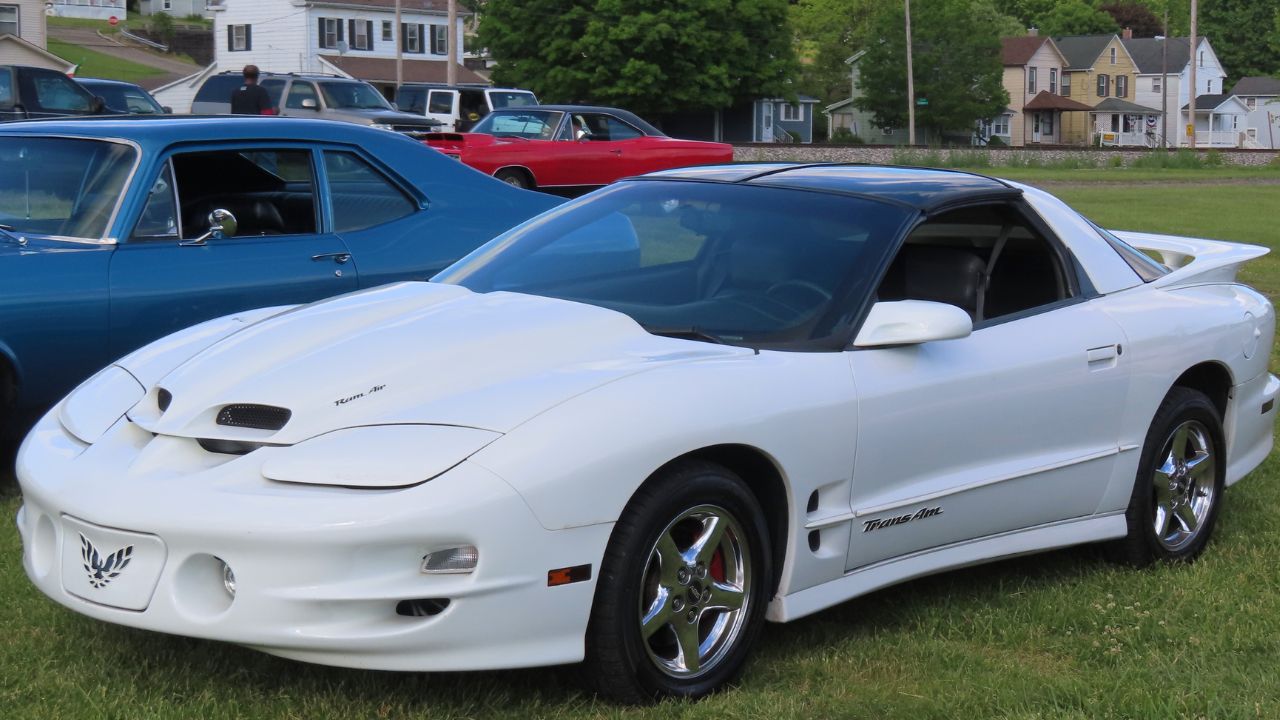
Under the skin, though, the early fourth-gen Trans Am still relied on the familiar LT1 V8. That changed for 1998, when Pontiac reworked the car’s front fascia, lighting, and interior details while dropping in GM’s then-new 5.7-liter LS1. Shared with the C5 Corvette, the LS1 used an aluminum block and heads, sequential fuel injection, and improved breathing to produce strong power with less weight over the front axle compared with earlier iron-block engines. The result was a factory-rated output that put the Trans Am squarely in modern performance territory while maintaining the rear-wheel-drive layout and long-hood proportions enthusiasts expected.
The LS1 transformed the Trans Am’s character. Acceleration figures suddenly rivaled cars that cost far more, and the lighter engine sharpened turn-in and overall balance. Period tests recorded quarter-mile times that embarrassed some European performance sedans of the era. Pontiac also continued to offer the WS6 performance package, which added a functional ram-air hood, freer-flowing intake, suspension tweaks, and wider wheels and tires, further exploiting the LS1’s potential.
This mechanical upgrade arrived just as the broader Firebird line was approaching the end of its run. GM would ultimately cancel the Firebird and its F-body sibling, the Chevrolet Camaro, after the 2002 model year. The 1998 refresh and LS1 swap therefore represented not just a mid-cycle update but the beginning of the final, most capable chapter for Pontiac’s long-running pony car.
The impact of that decision continues to echo in the collector market. One striking example is a 1998 Trans Am that carried a junk title in 2009 yet later underwent an extensive restoration and modification program. That car, fitted with performance upgrades and cosmetic refinements, reportedly sold for 60,000 dollars in 2025, a remarkable figure for a model that once sat at the bottom of the value curve and a sign of how LS1-era Trans Ams have gained attention among enthusiasts and investors who track auction results.
Why it matters
The arrival of the LS1 in the Trans Am mattered for more than raw horsepower. It effectively turned the car into a Corvette in different clothing, at least from an engine standpoint. Enthusiast coverage has long highlighted how LS1-powered Trans Ams and Firebird Formulas deliver performance that is remarkably close to contemporary C5 Corvettes, yet they often trade for significantly less money. That dynamic underpins the idea of the fourth-gen Trans Am as a kind of Corvette disguise, a car that offers similar acceleration and tuning potential without the same badge premium.
From a technical perspective, the LS1 also opened a new chapter for GM’s small-block architecture. Its aluminum construction, revised cylinder heads, and improved oiling made it far more receptive to modifications than many earlier factory V8s. Tuners quickly discovered that simple bolt-ons and ECU recalibration could unlock substantial gains, while the engine’s internal strength supported forced induction and high-rpm builds. That combination of affordability, durability, and power potential helped turn LS engines into the default swap choice across a wide range of platforms, from classic muscle cars to drift builds and road-race machines.
Within the Firebird community, the LS1-equipped Trans Am occupies a sweet spot. It retains the analog driving feel of a traditional rear-drive coupe with hydraulic steering and a manual gearbox option, yet it benefits from late-1990s safety and comfort features. Enthusiast analyses point out that this blend of modern powertrain and relatively simple electronics is a key reason the 1998 model year stands out. One breakdown of the car’s appeal singles out the LS1 itself as the primary reason the 1998 Trans Am has become such a compelling choice for performance-minded buyers, framing the engine as the defining selling point.
The LS1 swap also matters to Pontiac history more broadly. The Firebird had long served as a halo for the brand, from early Trans Ams that emphasized handling to the pop-culture fame of later models. By giving the final-generation Trans Am a powertrain equal to GM’s flagship sports car, Pontiac closed the Firebird story on a high-performance note rather than letting it fade out with an outdated engine. That decision helps explain why collectors increasingly focus on 1998 to 2002 Trans Ams, especially WS6 cars, as the most desirable iterations of the model.
There is also a cultural factor. The fourth-gen Firebird’s styling, with its low nose, aggressive front fascia, and sweeping rear quarters, has become a favorite canvas for drag racers and custom builders. Some commentators have even argued that the fourth-gen Firebird ranks among the most attractive doorslammer bodies for straight-line racing, a claim reflected in the number of tube-chassis cars that retain the stock silhouette. The LS1’s presence in the 1998 Trans Am gave that shape the powerplant it needed to back up the visual drama.
Prototype and engineering history adds another layer. Before the production LS1 Trans Am reached showrooms, Pontiac and GM engineers experimented with development cars that tested components and styling cues. One such vehicle, a WD1 pilot engineering Trans Am, reflected how the company refined the fourth-gen platform’s aerodynamics and mechanical package. Coverage of that car shows how closely the production Trans Am followed the engineering vision, tying the eventual LS1-equipped model back to the earlier pilot program.
What to watch next
The long-term story of the 1998 Trans Am is still unfolding, particularly in the collector and enthusiast markets. Values for clean, low-mileage LS1 cars have trended upward, with special editions and WS6 models often leading the way. The sale of a once-junk-titled 1998 Trans Am for 60,000 dollars suggests that heavily restored or modified examples can command strong money when they combine documented work with desirable specifications. Observers will be watching to see whether more mainstream, lightly used cars follow that trajectory or whether the top of the market remains limited to exceptional builds.
Enthusiasts also continue to debate originality versus modification. The LS1’s tuning potential encourages owners to add camshafts, headers, and intake upgrades, while some go further with superchargers or turbochargers. At the same time, rising interest in unmodified examples has pushed some collectors to seek out stock 1998 Trans Ams with factory equipment intact. How that tension resolves will shape the future availability of untouched cars and could further separate values between preserved and heavily customized examples.
Another factor to watch is how the fourth-gen Trans Am’s design ages relative to its contemporaries. Some period critics found the styling overwrought, yet modern retrospectives have grown more favorable, especially in the context of 1990s and early-2000s performance cars. Enthusiast pieces that celebrate the fourth-gen Firebird as one of the most striking drag racing bodies hint at a broader reappraisal of its aesthetics. If that sentiment continues to spread, demand for clean shells for race builds and restomods could increase, further tightening supply of original street cars.
For buyers and owners, the 1998 Trans Am’s LS1 connection to the C5 Corvette will remain a key selling point. Parts interchangeability, strong aftermarket support, and well-documented tuning paths make ownership relatively straightforward compared with more obscure performance cars. Guides that frame the LS1 Trans Am as a budget alternative to higher-priced sports cars reinforce that perception, and as long as the engine family remains popular, it will be easier to keep these cars on the road than many of their peers.
More From Fast Lane Only: