The 2002 Pontiac Firebird Trans Am did more than wrap up a model year. It closed the book on a nameplate that had carried General Motors’ pony-car fight for more than three decades and became the final high-performance gasp before Pontiac itself faded away. For enthusiasts, that last Trans Am now stands as both a time capsule of late fourth-generation muscle and a reminder of how quickly a storied performance line can disappear.
Two decades later, the final Firebird still shapes collector behavior, brand nostalgia, and the way modern muscle cars are judged. Its departure marked a turning point for GM’s performance strategy and left a gap that no later Pontiac ever truly filled.
What happened
Pontiac introduced the Firebird in the late 1960s as a sibling to the Chevrolet Camaro, and over the next thirty-five years the car evolved through four distinct generations. Early models leaned heavily on the long-hood, short-deck proportions that defined pony cars of the era, then moved into the aerodynamic, wedge-shaped forms of the 1980s and 1990s. A visual history of the Firebird shows how the car shifted from chrome and coke-bottle curves to pop-up headlights and plastic cladding as Pontiac chased changing tastes and fuel regulations, yet the nameplate stayed focused on accessible performance across its run, as seen in Firebird history.
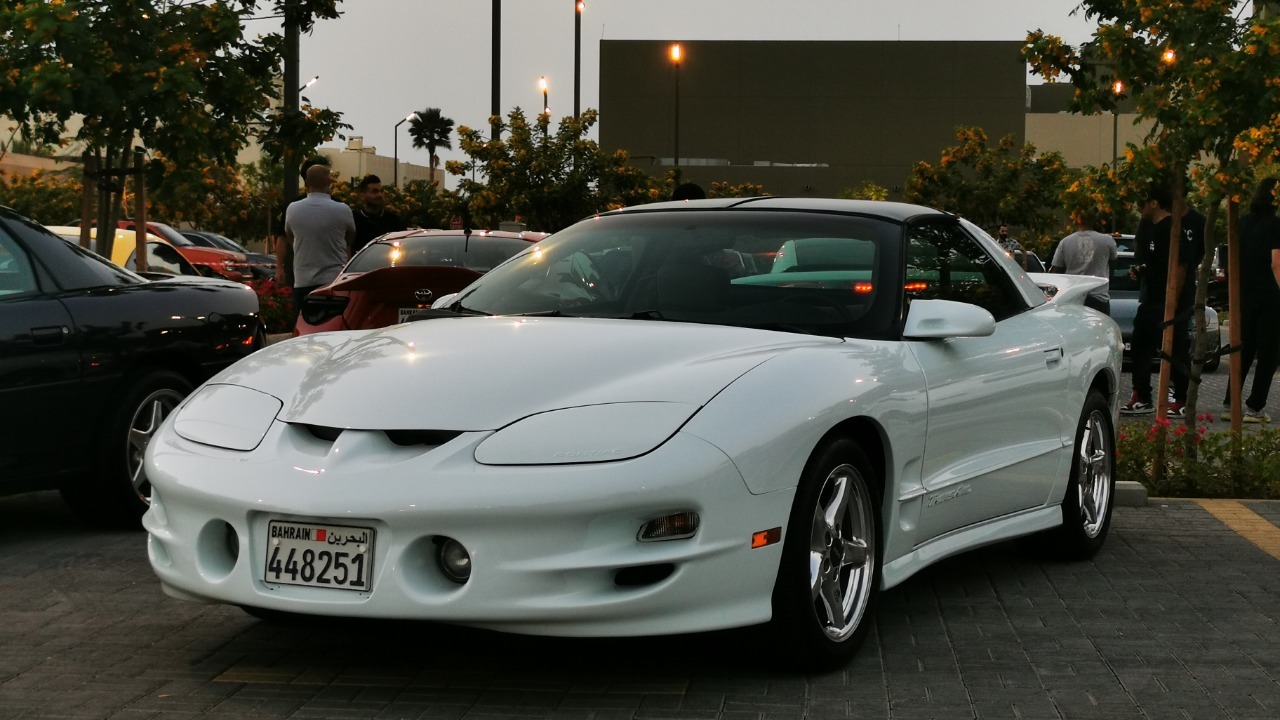
The fourth-generation Firebird arrived for the early 1990s and was heavily updated midway through the decade with sharper front fascias, more aggressive rear treatments, and a greater emphasis on the Trans Am as the performance flagship. Under the skin, the car shared much of its structure and powertrain with the Camaro, but Pontiac gave the Trans Am a more extroverted personality with functional hood scoops, prominent rear spoilers, and louder graphics packages that separated it from its Chevrolet cousin.
By the time the 2002 model year rolled around, GM had already decided to end F-body production at its Canadian assembly plant, which meant both the Camaro and Firebird would bow out together. The final Trans Am models were powered by the 5.7-liter LS1 V8, and in WS6 trim they combined that engine with a ram-air hood, freer-breathing exhaust, and suspension tweaks that made the car one of the quickest and most capable Firebirds ever sold new. That combination of modern LS power and old-school layout gave the last-year cars immediate appeal among drivers who wanted a traditional rear-drive V8 before GM shifted priorities toward front-drive sedans and SUVs.
Production of the Firebird ended after 2002, with no successor planned within Pontiac’s lineup. Later Pontiac performance cars, such as the GTO and G8, used imported platforms and different body styles, which meant the specific formula of a two-door, F-body-based Trans Am did not return. The 2002 Trans Am therefore became the last factory-built car to carry that badge, a distinction that has only grown more significant as the years have passed.
Evidence of the model’s enduring pull can be seen in the collector market. Low-mileage examples of the 2002 Firebird, particularly Trans Am and WS6 variants, are increasingly treated as modern classics, with sellers highlighting originality, untouched interiors, and delivery plastics as key value drivers, as seen in coverage of a low-mileage 2002 Firebird that remained largely preserved. Cars that once served as daily drivers are now carefully stored, showing how quickly the final-year status shifted perceptions from used car to collectible.
Why it matters
The end of Firebird production in 2002 mattered on several levels. For Pontiac, the Trans Am had long served as a halo that connected the brand to performance-minded buyers. Throughout the 1970s, special editions and higher-output versions helped keep enthusiasts engaged even as emissions regulations and fuel crises cut power across the industry. A well-known example is the mid-1970s Trans Am, which, despite lower advertised horsepower, remained one of the quicker American cars of its time and has since become a sought-after classic, as illustrated by the rescue of a one-owner 1976 Trans that had been parked for decades yet still drew strong interest.
Across the car’s lifespan, Pontiac used the Trans Am to showcase both styling bravado and engineering improvements. From shaker hoods and screaming chicken decals in the late 1970s to tuned suspensions and WS6 packages in later years, the model line became a rolling summary of Pontiac’s performance identity. Enthusiast rankings of the best Trans Ams ever built consistently highlight a mix of eras, including early second-generation cars and late fourth-generation models, with the 2002 WS6 often mentioned among the most desirable for its blend of LS1 power and relative modernity, as reflected in lists of top Trans Ams.
The 2002 finale also mattered for GM’s broader muscle car story. When the Firebird and Camaro left the market, Ford’s Mustang suddenly stood alone among traditional American pony cars. GM would later revive the Camaro on a new platform, but Pontiac did not receive a comparable Firebird revival. That absence contributed to a perception that Pontiac lacked a clear performance flagship in its final years, which complicated the brand’s positioning before it was ultimately discontinued.
For collectors and fans, the last-year Trans Am has become a focal point for nostalgia. The car combines analog driving traits, such as hydraulic steering and a six-speed manual transmission, with enough modern comforts to make it usable on contemporary roads. That mix has driven interest in clean survivors, especially cars with low odometer readings, original paint, and unmodified drivetrains. Auction listings and private sales often emphasize the 2002 build date as a key selling point, reinforcing how strongly the end-of-the-line status shapes value.
The Firebird’s legacy also includes lesser-known variants that show how wide the model’s appeal can be. Some trims from earlier generations, which did not enjoy the spotlight of the Trans Am, are now being reappraised by enthusiasts who see them as more accessible ways into the Firebird story. Coverage of a forgotten Firebird highlights how even non-Trans Am versions can earn renewed respect as the entire lineage gains distance from its production years.
That broader appreciation feeds into a growing recognition of the Firebird as a key player in American performance history. Visual retrospectives that trace the car from its chrome-bumpered beginnings to its final LS-powered form show how it mirrored shifts in safety rules, aerodynamics, and consumer expectations while still aiming to deliver affordable speed. In that context, the 2002 Trans Am is less an isolated final chapter and more the last page in a long-running story that helped define what a GM muscle car could be.
What to watch next
Looking ahead, the 2002 Trans Am’s position as the final Firebird will likely continue to shape the collector market. Buyers are already paying premiums for low-mileage, unmodified examples, and that trend is expected to intensify as younger enthusiasts who grew up with fourth-generation F-bodies gain more purchasing power. Cars that combine desirable options such as WS6 packages, manual transmissions, and rare colors are especially well positioned to appreciate.
Enthusiast communities are also expanding their focus beyond the final-year cars to celebrate the full Firebird and Trans Am arc. Lists of standout models across the decades, such as those that single out five of the most significant Trans Ams, reinforce how the 2002 cars sit alongside earlier legends rather than replacing them. That perspective encourages owners of earlier vehicles to keep restoring and preserving them, which in turn feeds demand for original parts, reproduction components, and specialized restoration services.
The growing interest in barn finds and long-stored vehicles suggests more hidden Firebirds will surface. Stories of cars pulled from garages after twenty or thirty years off the road, like the 1976 Trans Am that emerged with a better-than-expected powertrain, resonate with fans who see these rescues as a way to reconnect with Pontiac’s performance past. As more of these cars are documented and revived, they provide reference points for originality and factory specifications that help guide restorations of 2002 models as well.
More From Fast Lane Only: