During the 1960s, Detroit became a global symbol of automotive power, design, and manufacturing ambition. American automakers produced cars with enormous engines, dramatic styling, luxurious interiors, and increasingly sophisticated performance. These nine classics captured the confidence of the era and demonstrated why American cars attracted attention from enthusiasts around the world.
Pontiac GTO
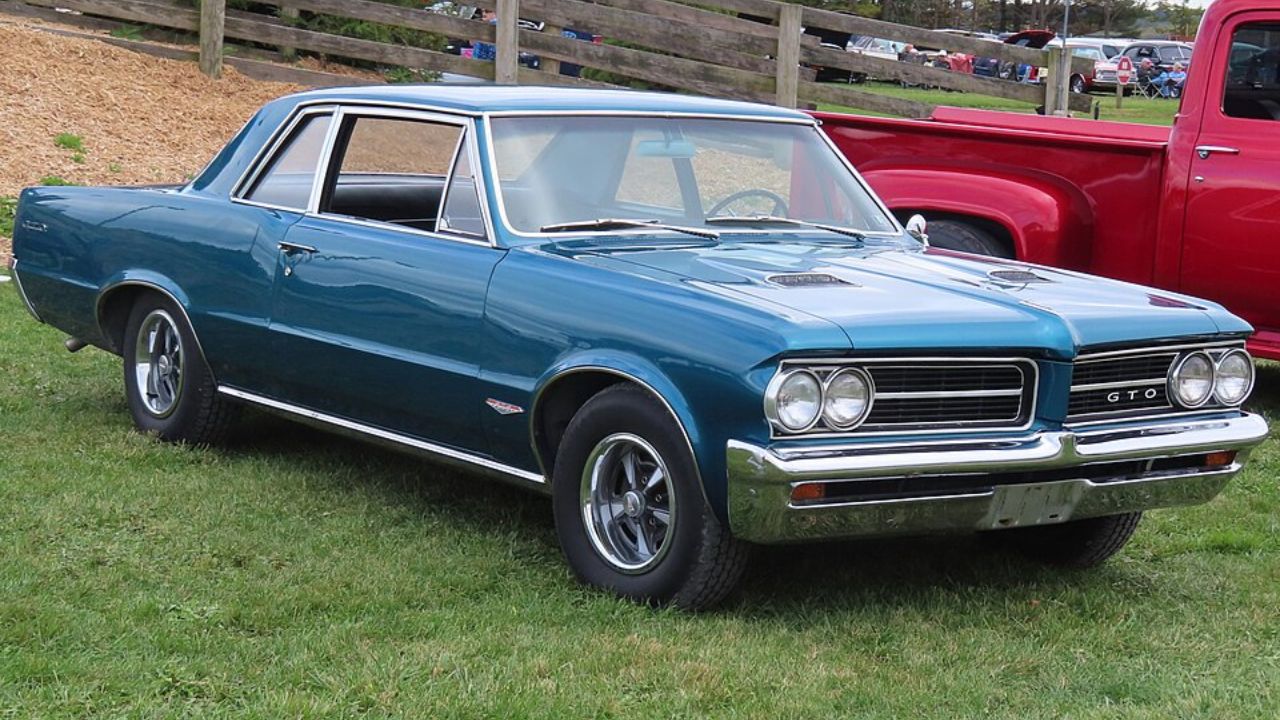
The Pontiac GTO helped create the American muscle-car formula by combining a midsize body with a large-displacement V8 and performance-focused equipment. Its strong acceleration and aggressive styling appealed to younger buyers who wanted excitement without stepping into an expensive sports car. The GTO’s success encouraged other manufacturers to develop their own performance intermediates, making it one of the most influential American cars of the decade.
Ford Mustang
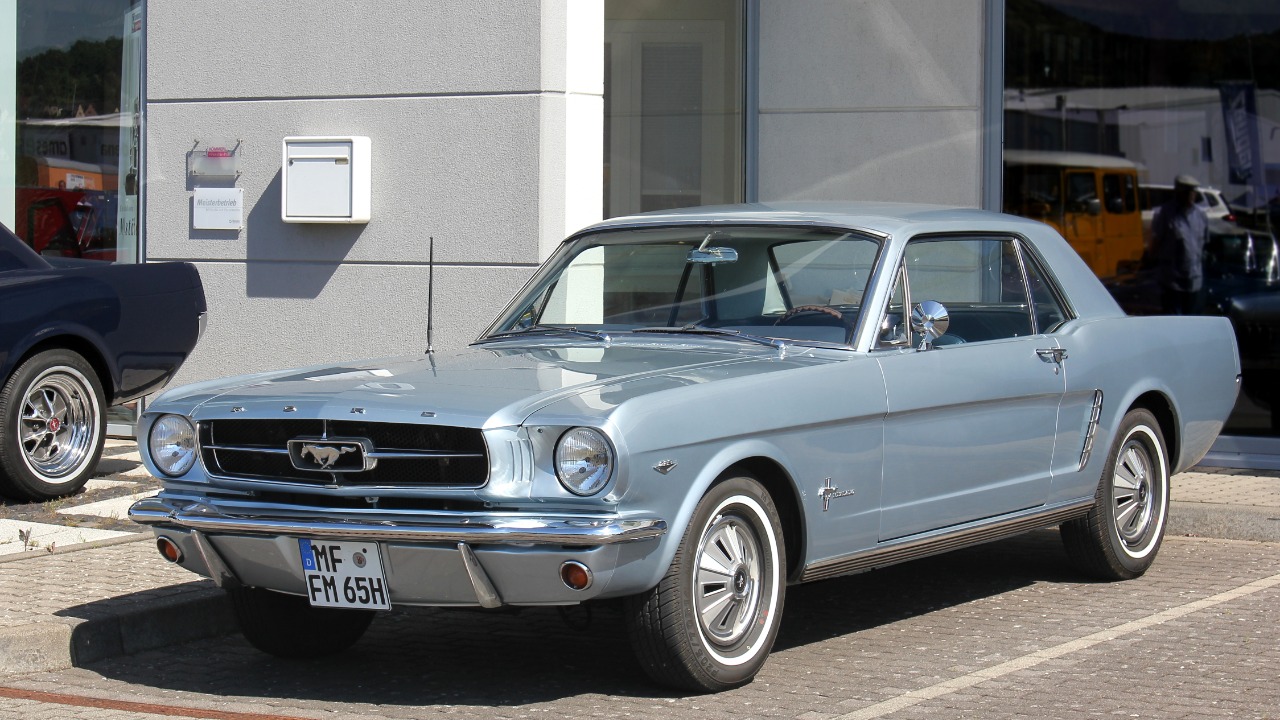
The Ford Mustang changed the automotive market almost immediately after its introduction in 1964. Its sporty proportions, affordable pricing, and enormous range of available options allowed buyers to choose everything from an economical coupe to a powerful V8 performance car. The Mustang became a cultural phenomenon and created the pony-car category. Its success demonstrated Detroit’s ability to identify changing consumer tastes and turn them into a massive commercial opportunity.
Chevrolet Corvette Sting Ray
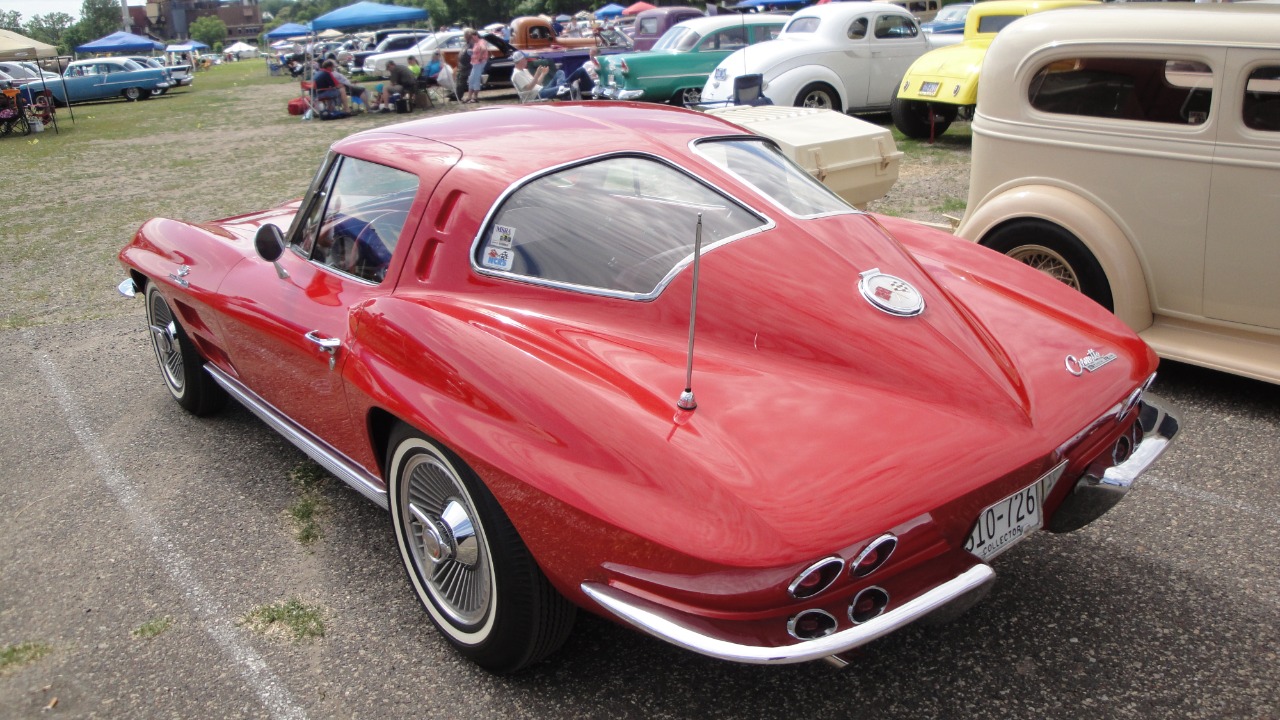
The Chevrolet Corvette Sting Ray brought dramatic styling and genuine sports-car performance to America’s domestic market. Introduced for 1963, its sculpted body and independent rear suspension represented a significant step forward for the Corvette. Available V8 engines provided substantial performance, while the two-seat layout kept the car focused on driving. The Sting Ray became an international showcase for Chevrolet design and engineering during the decade.
Chevrolet Impala SS

The Chevrolet Impala SS demonstrated how a large American car could combine family-car practicality with genuine performance. Its full-size body offered generous interior and trunk space, while available V8 engines provided impressive acceleration. The SS package gave the Impala a more aggressive personality without sacrificing everyday usability. It represented the American preference for automobiles that could serve as comfortable transportation while still delivering substantial road performance.
Ford Galaxie 500
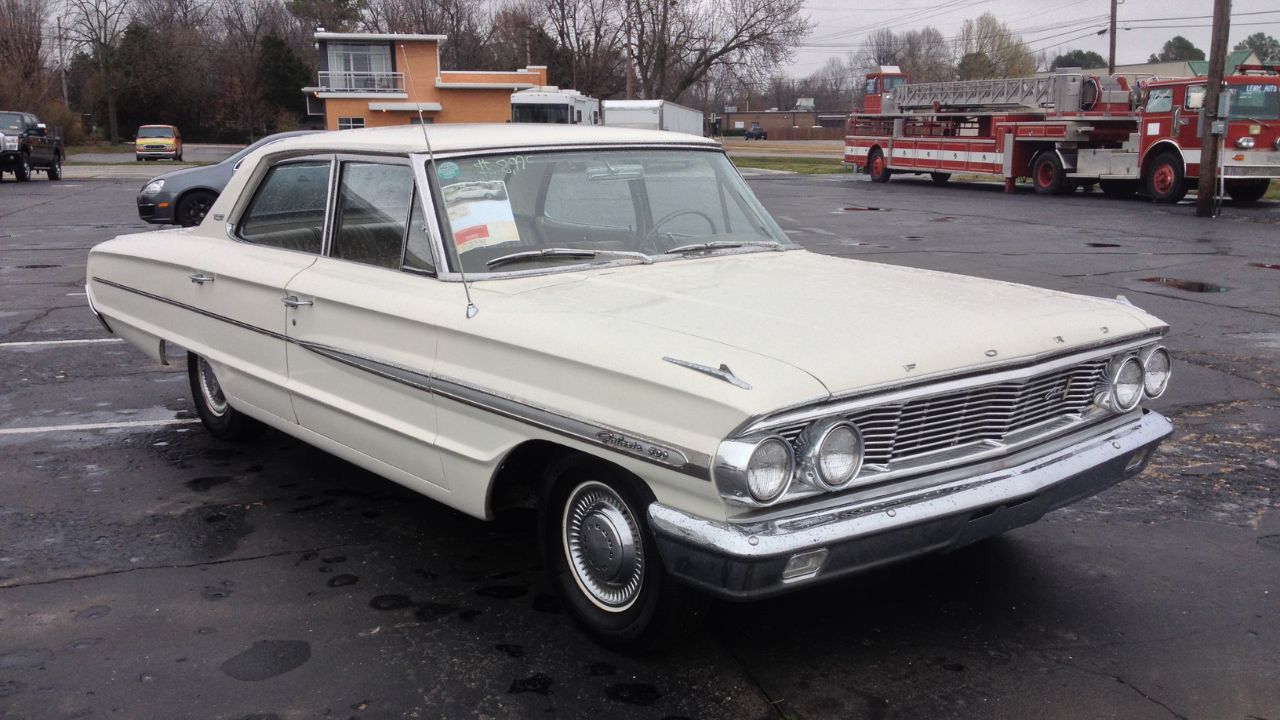
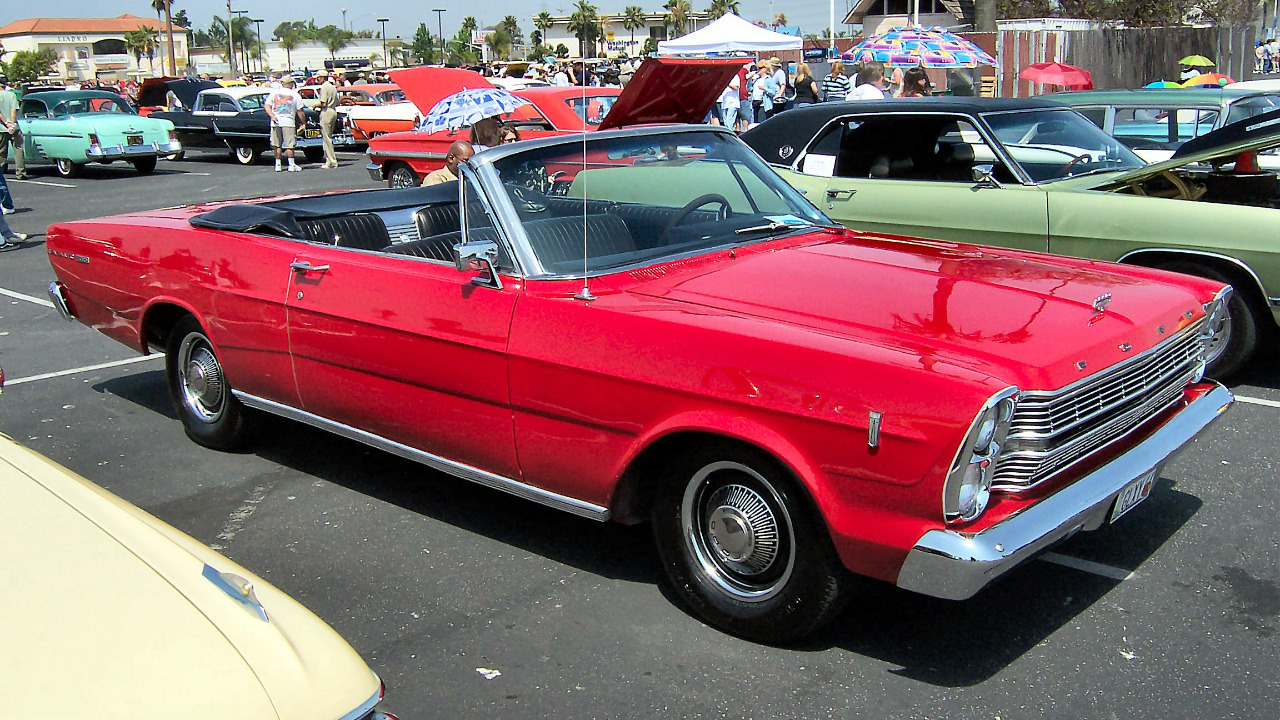
The Ford Galaxie 500 represented the scale and confidence of Detroit’s full-size cars during the 1960s. Its large body, spacious cabin, and wide range of V8 engines made it suitable for everything from family transportation to high-performance driving. Ford also developed competition-oriented versions that demonstrated the platform’s potential. The Galaxie embodied an era when buyers expected substantial size, chrome, comfort, and power from their automobiles.
Dodge Charger

The first-generation Dodge Charger introduced a dramatic fastback interpretation of the American performance coupe. Its long roofline, distinctive grille, and spacious interior gave it an unusual combination of style and practicality. The second-generation Charger that followed became even more recognizable, offering powerful V8 options and an unmistakable silhouette. Together, these early Chargers helped establish Dodge as one of Detroit’s most aggressive performance-oriented manufacturers.
Plymouth Road Runner
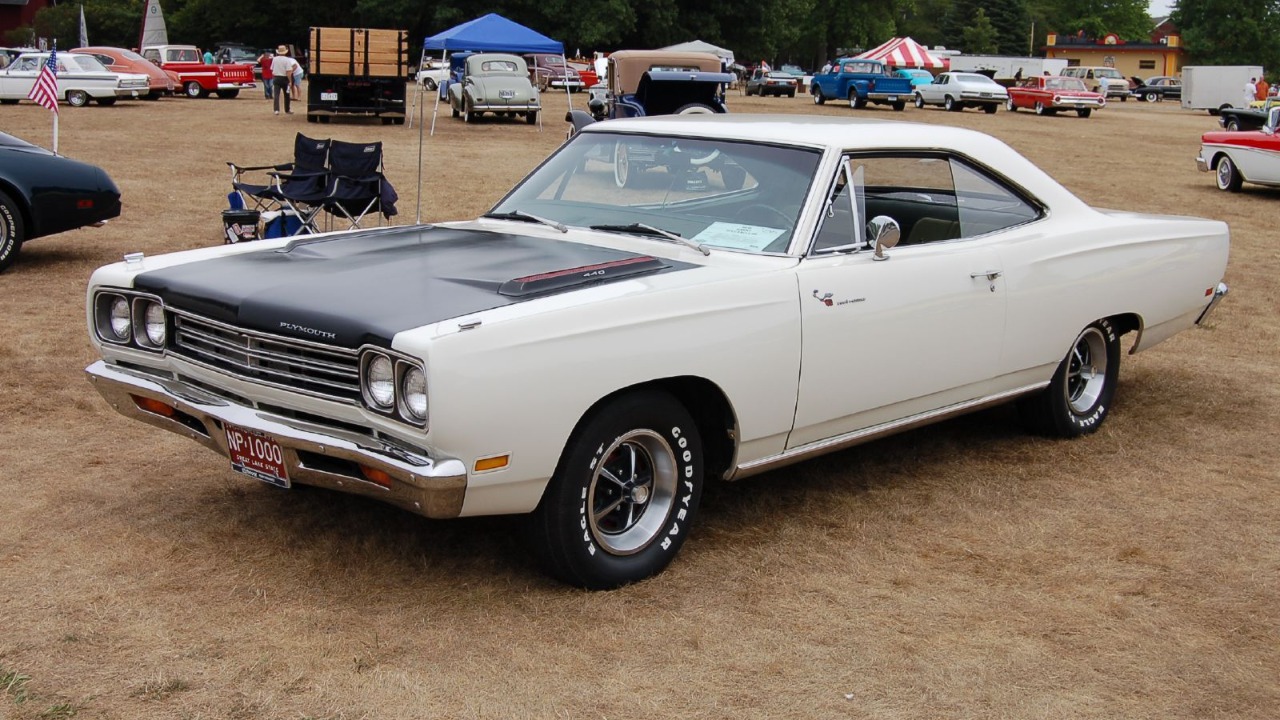
The Plymouth Road Runner challenged the idea that serious performance had to be expensive. By focusing on essential equipment, a lightweight body, and powerful V8 options, Plymouth created a car that delivered strong acceleration at a relatively accessible price. Its cartoon-inspired graphics and distinctive horn added personality. The Road Runner became a major success and demonstrated how effectively Detroit could turn straightforward engineering into a highly desirable performance package.
Oldsmobile 442
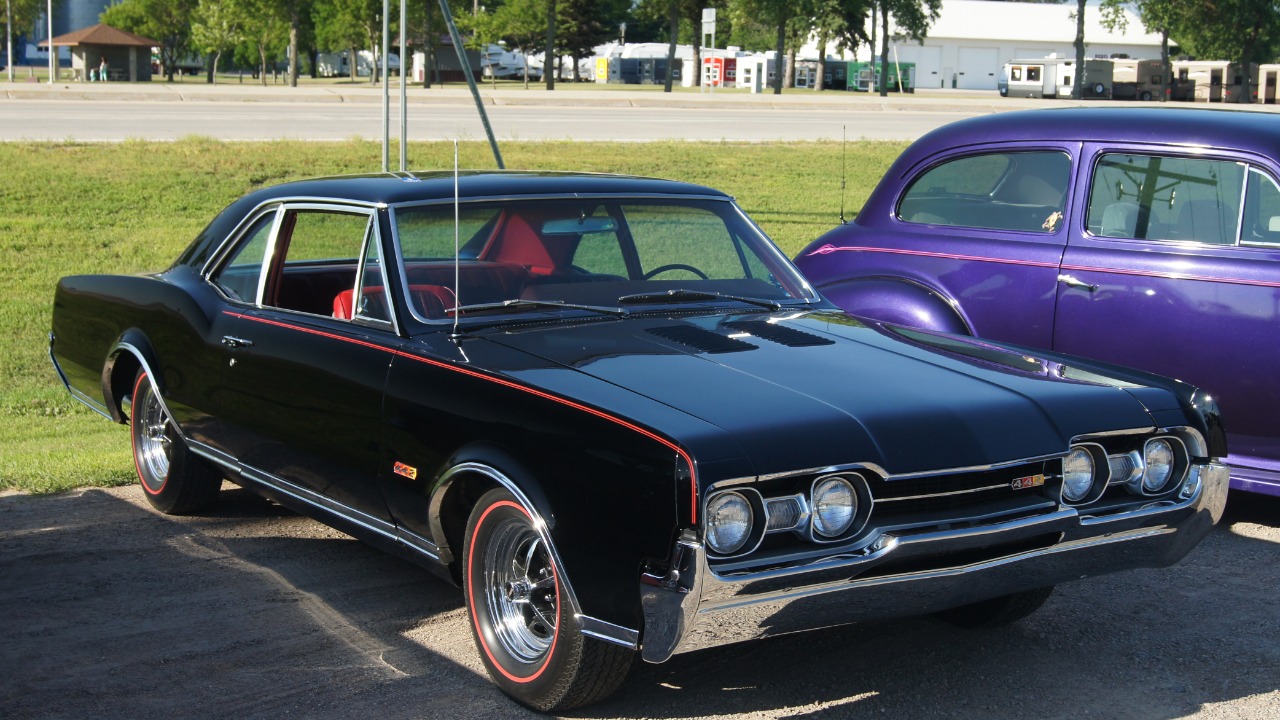
The Oldsmobile 442 gave buyers a performance car with a more refined personality than some of Detroit’s louder muscle machines. Strong V8 engines, upgraded suspension components, and distinctive styling made it capable of serious performance, while the Oldsmobile interior provided additional comfort. The 442 proved that a muscle car could appeal to drivers who wanted speed without completely abandoning sophistication, helping broaden the American performance market.
Shelby Cobra
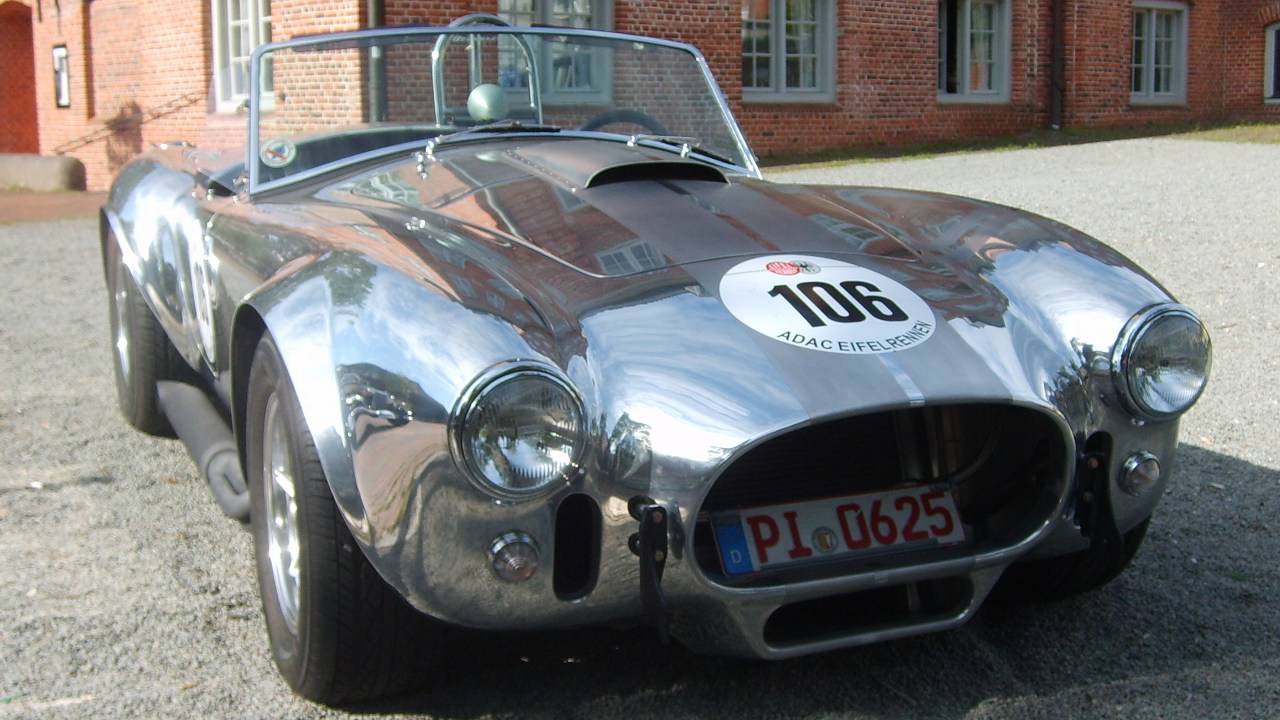
The Shelby Cobra represented an unusual collaboration between American engine power and British lightweight sports-car construction. Carroll Shelby combined a compact roadster chassis with Ford V8 engines, creating an exceptionally quick two-seat machine. Although produced in far smaller numbers than Detroit’s mass-market cars, the Cobra became an important symbol of American performance engineering. Its success showed that Detroit’s powertrain technology could be paired with a lightweight chassis to challenge the world’s best sports cars.
More from Fast Lane Only
- Unboxing the WWII Jeep in a Crate
- 15 rare Chevys collectors are quietly buying
- 10 underrated V8s still worth hunting down
- Police notice this before you even roll window down
*Research for this article included AI assistance, with all final content reviewed by human editors