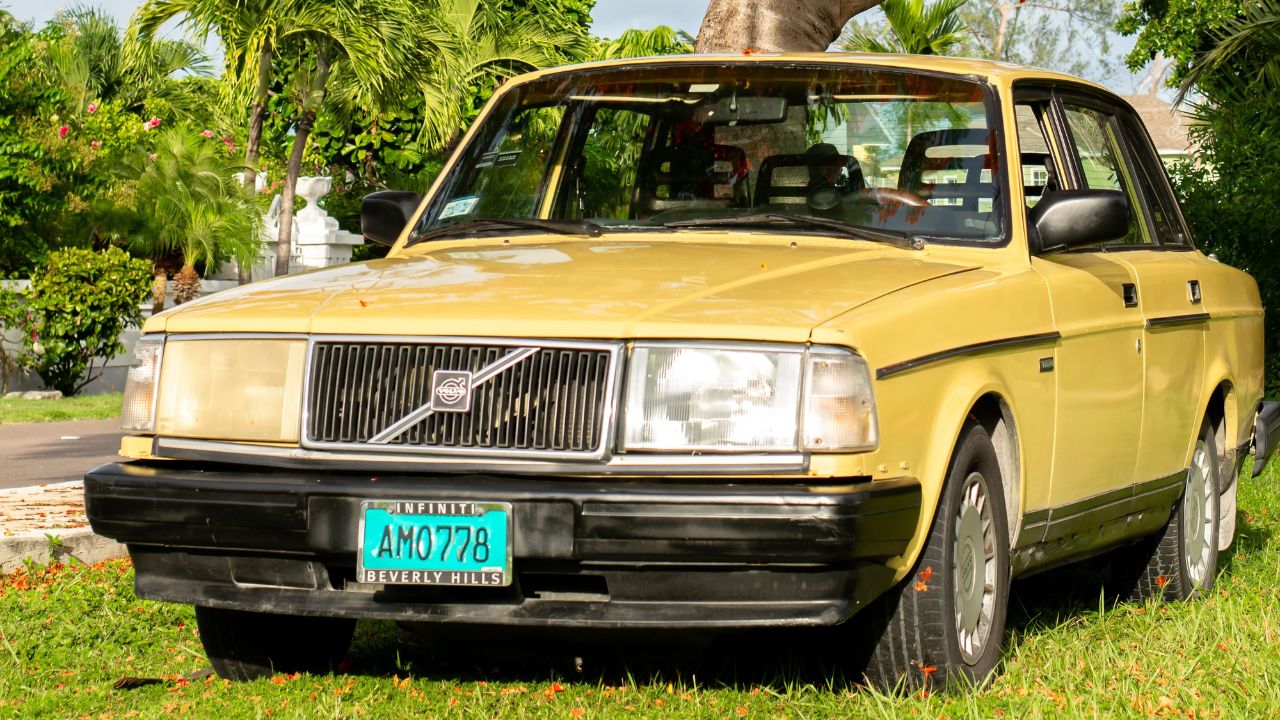
Some collector cars are admired not only for their styling or rarity but also for the remarkable mechanical toughness that allowed them to survive decades of demanding use. These classics were built with sturdy engines, strong drivetrains, and practical engineering. Their ability to endure hard conditions has helped them become especially respected among collectors today.
Toyota Land Cruiser FJ40
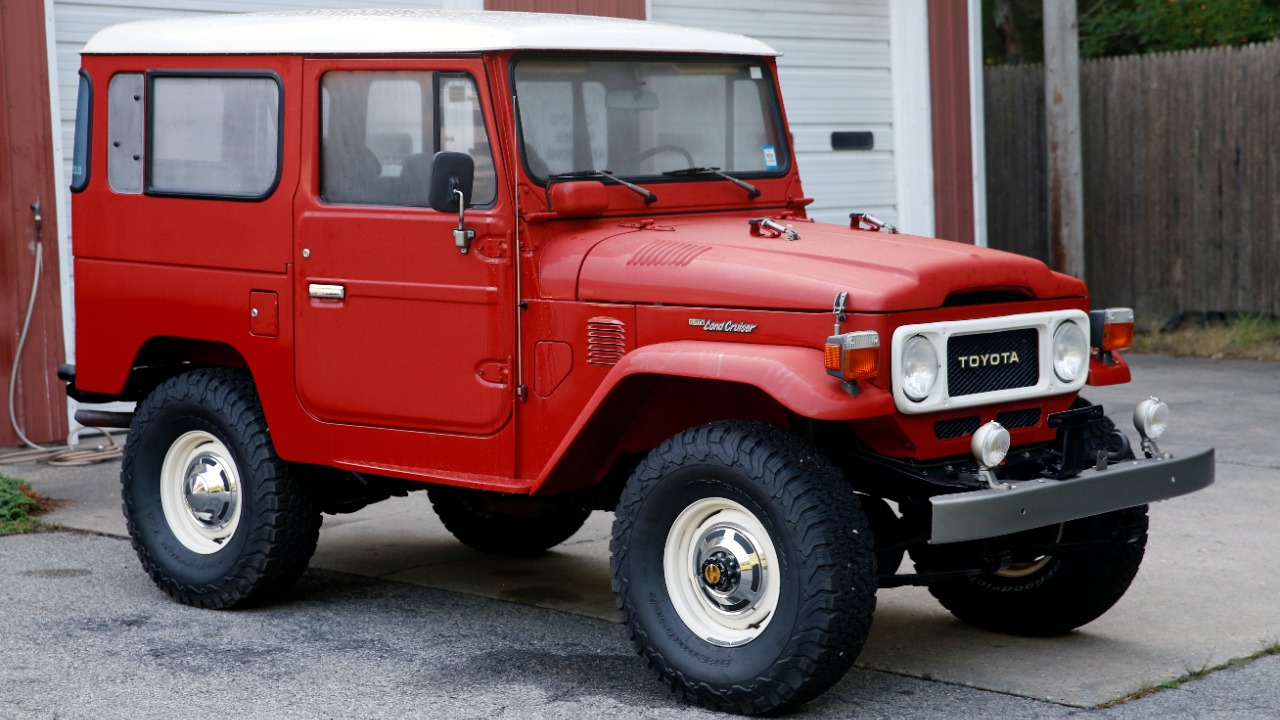
The Toyota Land Cruiser FJ40 became famous for surviving environments where ordinary passenger cars would struggle. Its rugged body-on-frame construction, four-wheel-drive system, and durable inline-six engine made it a dependable tool for farms, trails, and remote transportation. Many examples were worked hard rather than preserved, making surviving originals especially interesting today. Its combination of mechanical simplicity and off-road toughness helped turn the FJ40 into a highly respected collector vehicle.
Mercedes-Benz W123
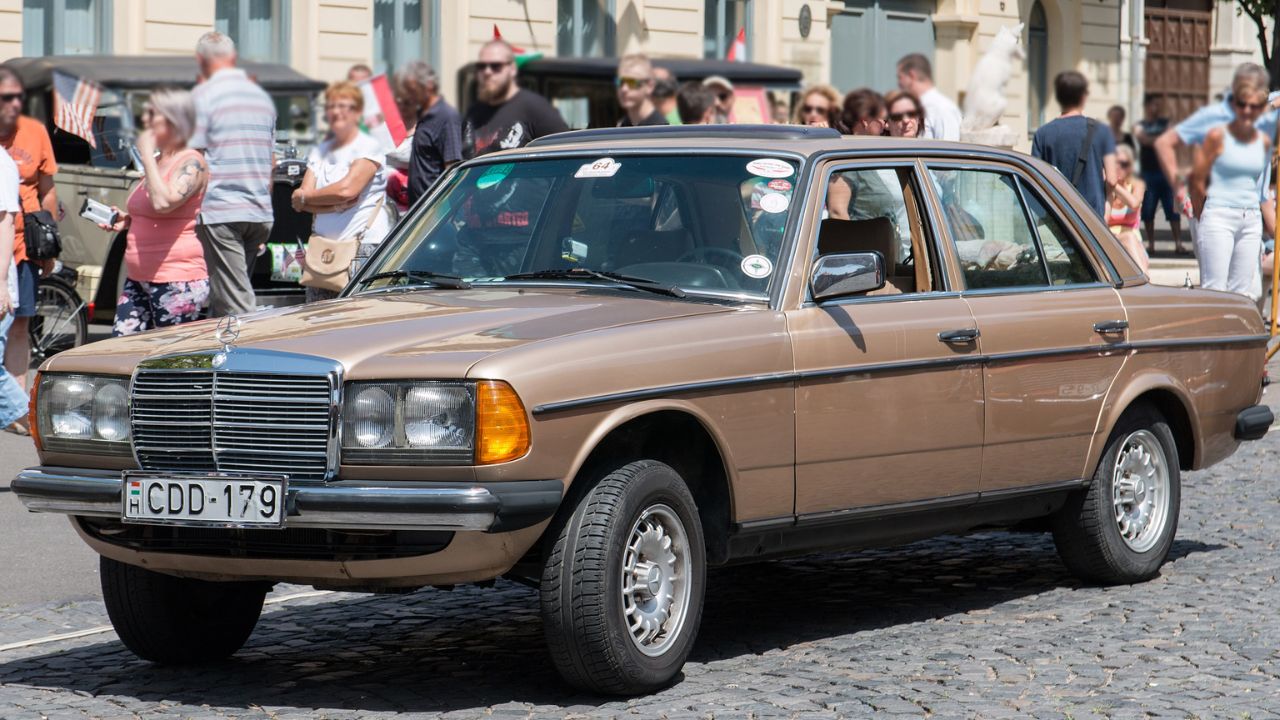
The Mercedes-Benz W123 earned a reputation for exceptional longevity through solid construction and durable mechanical systems. Diesel versions became especially famous for accumulating extraordinary mileage, while the car’s sturdy suspension and well-engineered body helped it remain useful for decades. Collectors appreciate surviving examples because they often combine genuine historical character with practical reliability. Few luxury cars from the era demonstrate long-term durability as convincingly as a well-maintained W123.
Volvo 240

The Volvo 240 became one of the defining examples of Scandinavian durability. Its sturdy body structure, dependable engines, and relatively straightforward mechanical systems allowed countless examples to survive years of family use. The boxy styling was practical rather than fashionable, but that helped the car age remarkably well. Today, collectors value clean 240s because they combine unmistakable period character with the reputation of a vehicle designed to remain useful long after newer models appeared.
Ford Bronco
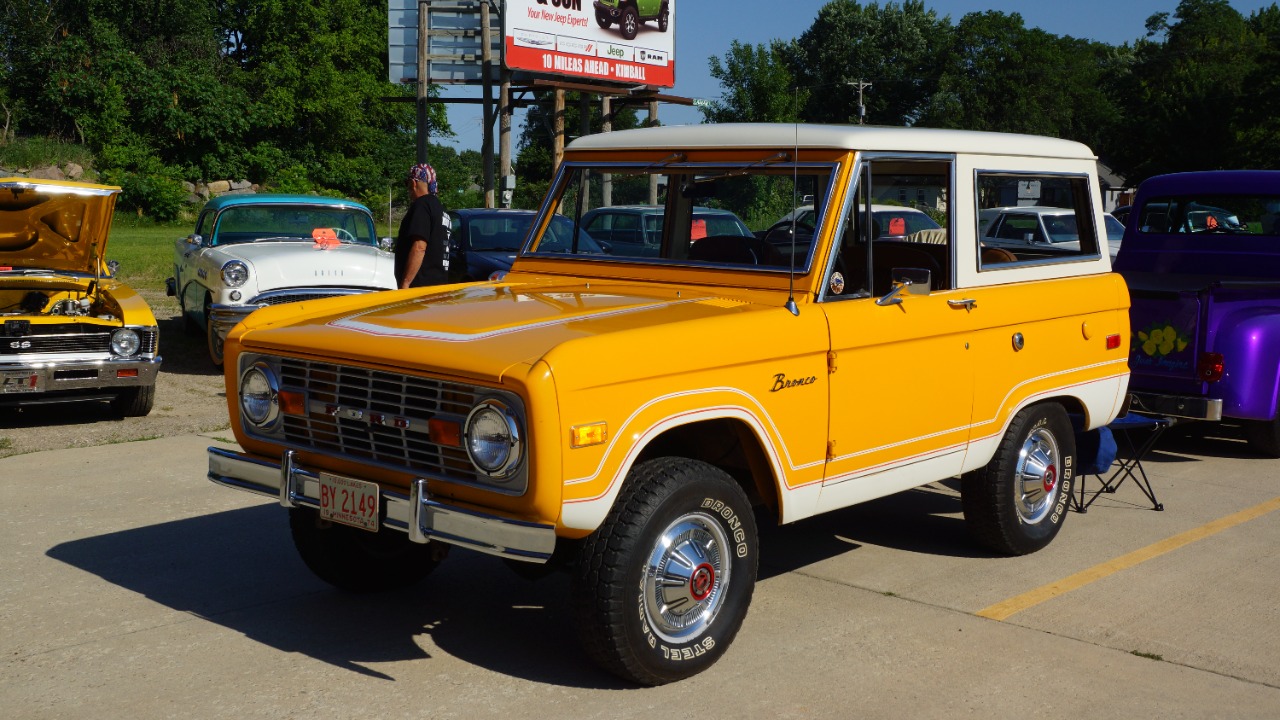
The first-generation Ford Bronco was designed as a compact utility vehicle capable of handling trails, farms, and rough terrain. Its body-on-frame construction, simple four-wheel-drive system, and rugged mechanical components made it highly adaptable. Many were heavily modified or worked hard, reducing the number of original examples available today. As interest in early SUVs has grown, well-preserved Broncos have become increasingly desirable because their durability is matched by their strong historical identity.
Toyota Hilux
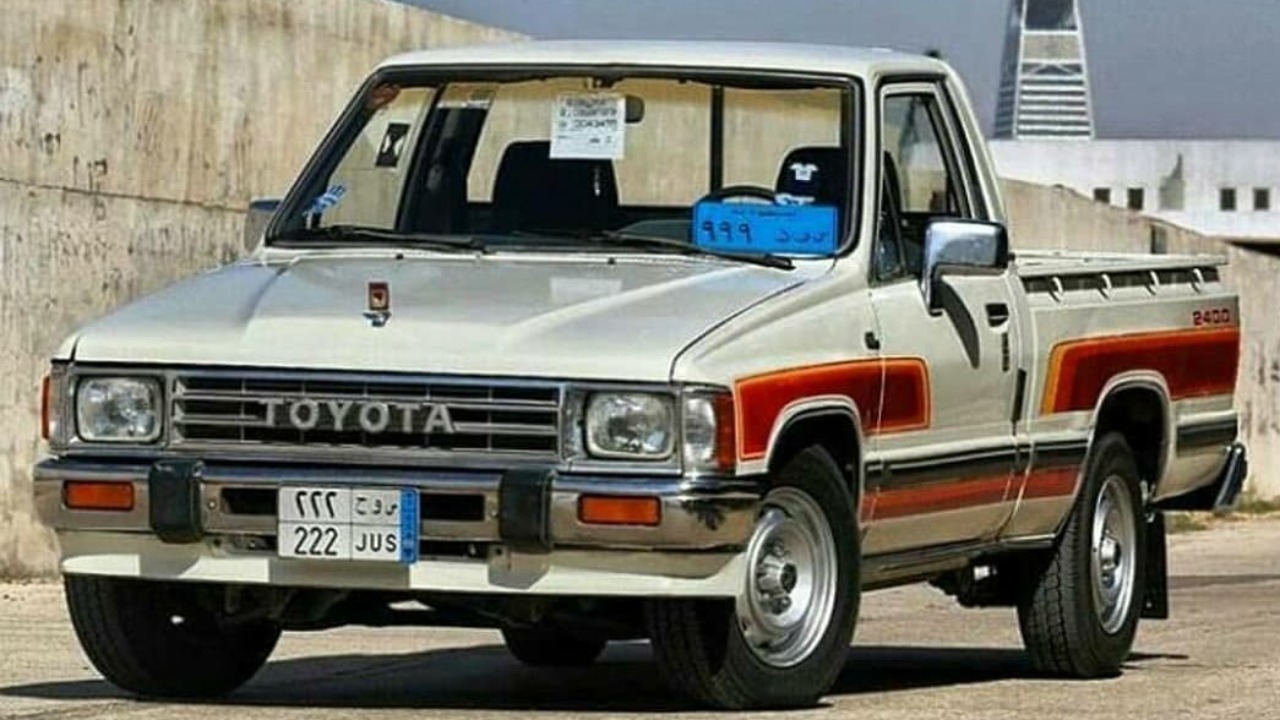
The Toyota Hilux became legendary because it could perform demanding work without relying on complicated mechanical systems. Strong engines, a durable frame, and capable drivetrains made it suitable for farms, construction, and difficult roads. Many older examples accumulated enormous mileage while remaining useful work vehicles. Collectors increasingly appreciate original Hilux pickups because their survival tells a story of practical engineering rather than garage-kept luxury, making them particularly meaningful classics.
Jeep CJ-5
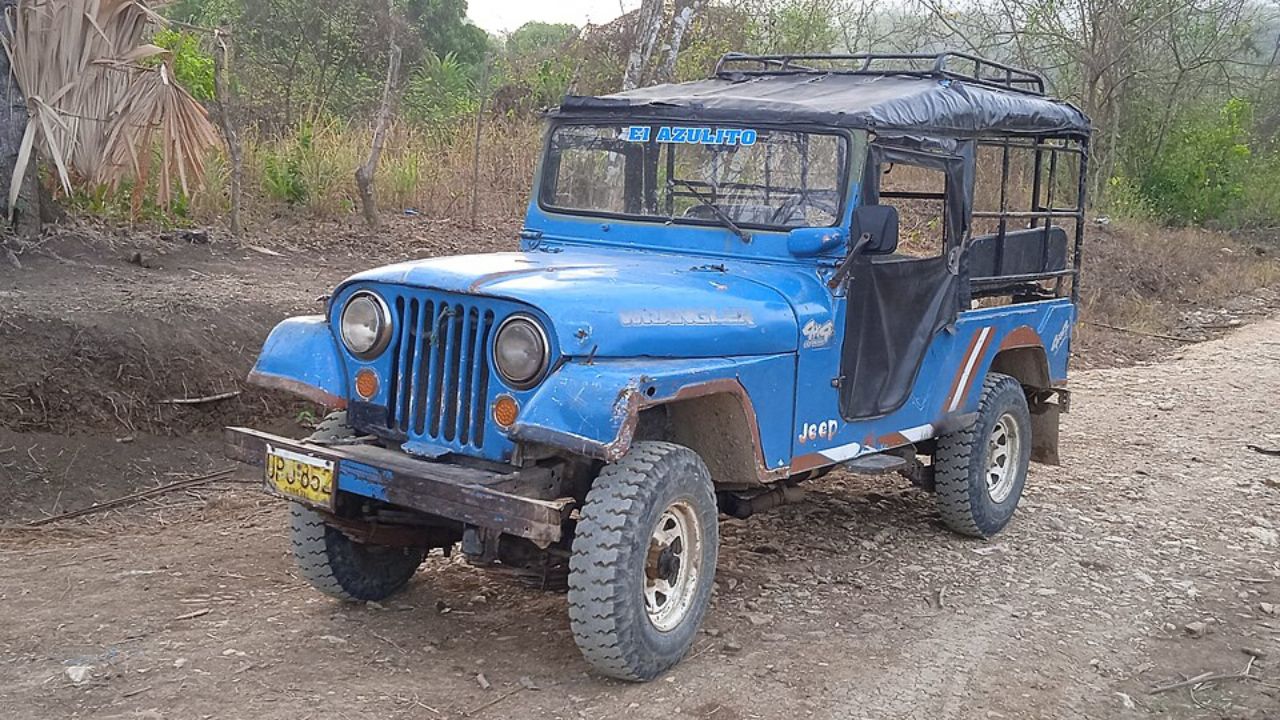
The Jeep CJ-5 combined compact dimensions with a rugged four-wheel-drive system that made it useful for both work and recreation. Its straightforward construction allowed owners to repair and modify it without requiring sophisticated equipment. Many examples spent decades on trails, farms, and utility jobs, yet surviving vehicles remain highly usable. Collectors value the CJ-5 because its mechanical toughness is part of the model’s identity rather than simply an accidental benefit.
Chevrolet C10
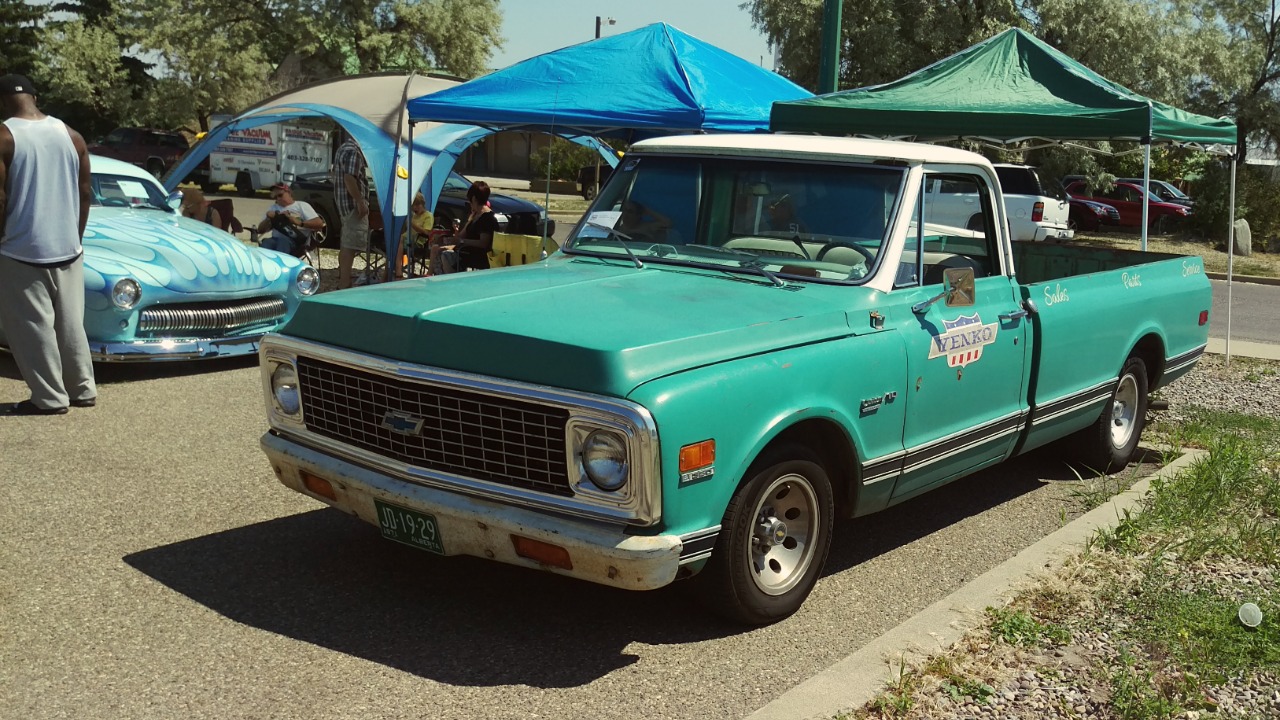
The Chevrolet C10 became a favorite among American truck enthusiasts because its simple body-on-frame construction and broad range of engines made it highly adaptable. Many spent their lives hauling equipment, working on farms, or serving as everyday transportation. Despite decades of hard use, surviving examples remain plentiful enough to support a strong restoration community. Collectors appreciate the C10 because its rugged mechanical foundation makes it both historically significant and relatively approachable to maintain.
Porsche 911

The Porsche 911 may not look like a traditional workhorse, but its mechanical durability has contributed greatly to its collector status. Its rear-mounted flat-six architecture evolved continuously while retaining a recognizable basic formula. Strong engineering, extensive factory development, and careful maintenance have allowed many older examples to remain roadworthy decades later. The 911 demonstrates that durability does not have to come from a heavy-duty truck; it can also be built into a high-performance sports car.
More from Fast Lane Only
- Unboxing the WWII Jeep in a Crate
- 15 rare Chevys collectors are quietly buying
- 10 underrated V8s still worth hunting down
- Police notice this before you even roll window down
*Research for this article included AI assistance, with all final content reviewed by human editors