Retirees tend to keep cars longer than almost any other group of drivers, so the models they favor need to be affordable to buy, inexpensive to maintain, and sturdy enough to feel trustworthy well into six-figure mileage. When I look at the data and expert rankings, a clear pattern emerges: the cars that earn long-term loyalty from older drivers combine conservative engineering with strong safety tech and predictable ownership costs rather than flashy styling or cutting-edge performance.
That mix of value and durability shows up repeatedly in independent reliability studies, insurance loss data, and owner surveys, which together highlight a handful of brands and specific models that stand out for long service lives. By focusing on those patterns, I can narrow the field to vehicles that give retirees a realistic chance of driving the same car for a decade or more without being surprised by repair bills or safety compromises.
Why reliability and total cost of ownership matter more in retirement
For retirees, the car in the driveway is less about status and more about stability, which is why long-term reliability and predictable costs sit at the top of the priority list. Fixed incomes magnify every unexpected expense, so a model with a track record of rare breakdowns and modest repair costs can make the difference between a car that feels like a partner and one that feels like a financial risk. Long-running reliability studies consistently show that brands such as Toyota, Honda, Subaru, and Lexus cluster near the top of dependability rankings, with models like the Toyota Corolla, Honda CR‑V, and Subaru Forester repeatedly flagged for low failure rates and strong longevity in high‑mileage fleets and owner surveys backed by reliability data.
Cost of ownership goes beyond the sticker price, and retirees tend to feel the full weight of that reality over a decade or more of use. Insurance statistics and independent cost models show that compact and midsize sedans and crossovers, particularly from Japanese and Korean brands, often deliver lower fuel consumption, cheaper tires, and more affordable parts than larger SUVs or luxury vehicles, which is reflected in long‑term cost estimates compiled by analysts who track five‑year ownership costs. When I combine those projections with reliability scores, the cars that rise to the top for retirees are the ones that minimize surprises: they may not be the most exciting to drive, but they quietly protect a retirement budget year after year.
Compact sedans retirees keep for a decade or more
Compact sedans remain a sweet spot for older drivers who want something easy to park, efficient on fuel, and inexpensive to maintain, and several models have built reputations for lasting well beyond 150,000 miles with routine care. The Toyota Corolla and Honda Civic are the clearest examples, with multiple generations showing above‑average reliability and low rates of major engine or transmission issues in long‑term owner surveys and repair‑shop data summarized in safety and durability reports. Both cars also benefit from huge production volumes, which keeps parts prices in check and makes it easier for independent mechanics to handle repairs without sending owners back to the dealer for every service.
Hyundai and Kia have pushed into the same territory with the Hyundai Elantra and Kia Forte, which pair long factory warranties with improving reliability records and competitive pricing that can appeal to retirees looking to keep monthly payments low. Analysts who track warranty claims and long‑term repair costs note that recent Elantra and Forte model years have closed much of the gap with Japanese rivals, while still undercutting them on purchase price according to aggregated cost‑to‑own estimates. For retirees who plan to keep a car for ten years but want the safety net of a long powertrain warranty in the early years, those compact sedans offer a blend of affordability and peace of mind that aligns closely with long‑term ownership goals.
Small SUVs that balance comfort, access, and durability
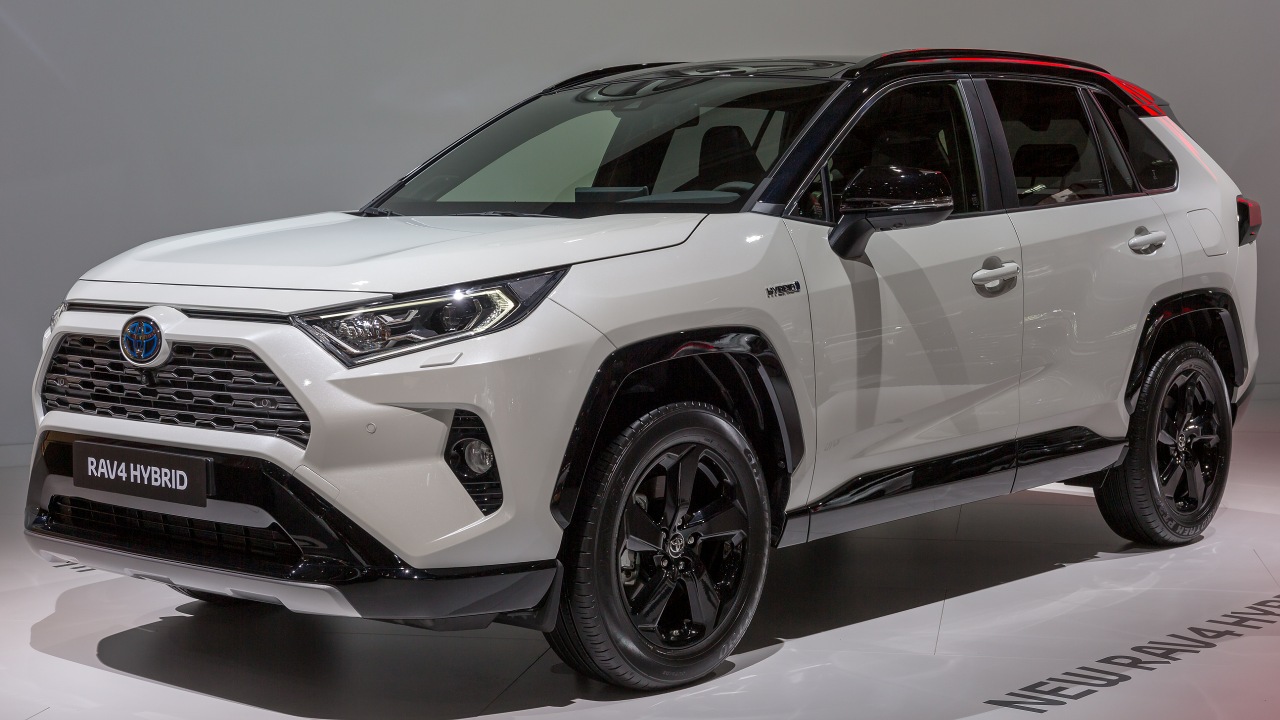
As drivers age, ease of entry and exit often becomes as important as fuel economy, which helps explain why small SUVs have become a favorite among retirees who still want a vehicle they can trust for long trips. Models like the Honda CR‑V, Toyota RAV4, and Subaru Forester sit at a height that reduces the need to crouch or climb, while still delivering car‑like driving manners and strong reliability records in long‑term surveys that track SUV dependability. These vehicles also tend to offer generous cargo space for golf clubs, luggage, or mobility aids, which makes them practical for both daily errands and extended road travel.
From a cost perspective, compact crossovers generally use four‑cylinder engines and share platforms with popular sedans, which helps keep fuel and maintenance costs manageable compared with larger SUVs. Insurance and safety data show that the CR‑V, RAV4, and Forester frequently earn top crash‑test ratings and strong performance in advanced driver‑assistance evaluations, including automatic emergency braking and lane‑keeping systems documented in independent safety testing. For retirees who want a vehicle they can comfortably drive into their eighties, that combination of upright seating, proven mechanicals, and robust safety tech makes these small SUVs some of the most practical long‑term choices on the market.
Hybrids and fuel‑savers that stretch a fixed income
Fuel costs can quietly erode a retirement budget over years of ownership, which is why hybrids and highly efficient gasoline models deserve a close look from older drivers planning to keep a car for the long haul. The Toyota Prius and Toyota Corolla Hybrid stand out as examples of hybrid systems that have matured over multiple generations, with battery packs and electric components that have shown low failure rates in high‑mileage taxis and private vehicles tracked in long‑term hybrid reliability studies. Those cars routinely deliver fuel economy that can cut gasoline spending by hundreds of dollars per year compared with traditional sedans, which compounds into meaningful savings over a decade.
For retirees who prefer to avoid hybrid complexity, there are still gasoline models that deliver strong mileage without sacrificing durability. Compact sedans like the Nissan Sentra and Mazda3, as well as efficient trims of the Honda Civic and Hyundai Elantra, often post highway fuel‑economy figures in the mid‑30s or better while maintaining straightforward mechanical layouts that independent shops know well, as reflected in federal fuel‑economy rankings. When I weigh those efficiency gains against purchase price and projected repair costs, the most retiree‑friendly fuel‑savers are the ones that pair strong mileage with proven engines and transmissions rather than chasing the newest, most complex technology.
Safety, accessibility, and tech features that age well
Long‑term trust is not only about whether a car starts every morning, it is also about how well it protects its occupants and how easy it is to live with as physical needs change. Retirees who plan to keep a vehicle for a decade or more are wise to prioritize models with top crash‑test scores, standard automatic emergency braking, and clear outward visibility, since those features can offset slower reaction times and reduce the severity of collisions according to driver‑assistance research. Cars and SUVs that earn the highest safety awards tend to bundle these systems across most trims, which means older buyers do not have to chase expensive option packages just to get core protections.
Accessibility and cabin tech also play a quiet but important role in how long a car remains comfortable to use. Vehicles with wide door openings, supportive seats, and simple, high‑contrast controls are easier on aging joints and eyes, and models that support both Apple CarPlay and Android Auto can keep navigation and communication familiar even as phone apps evolve, a point underscored in usability reviews that evaluate in‑car technology. When I look across the models retirees favor, the ones that stand out are not necessarily the flashiest, but the ones that quietly combine strong safety scores, intuitive controls, and comfortable ergonomics with the kind of mechanical reliability that lets owners drive the same car confidently well into the later stages of retirement.